
Side Dishes
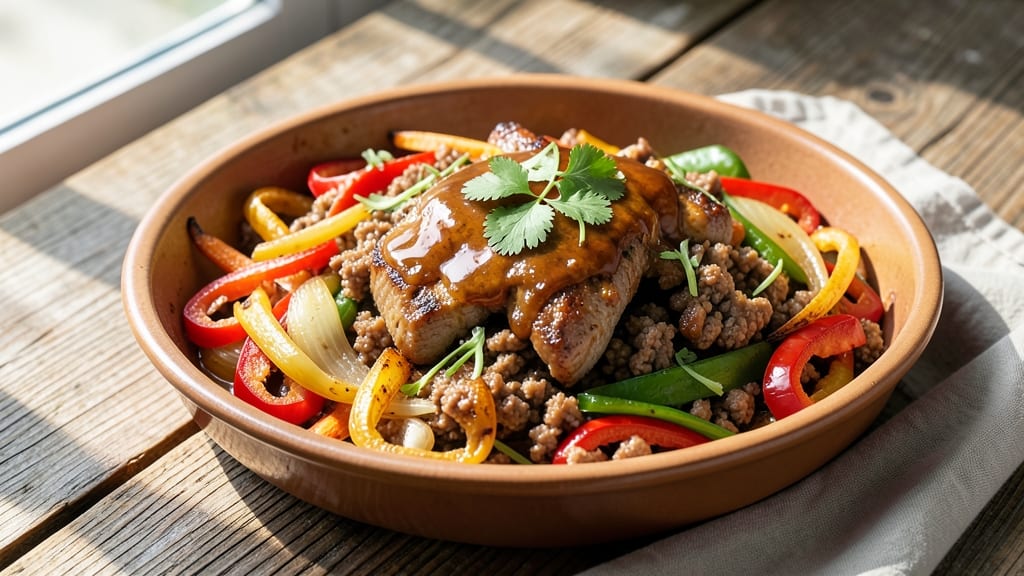
This minced pork and vegetables recipe delivers restaurant-quality depth in 30 minutes—no fancy techniques required. I developed it after years of perfecting stir-fries at The Smoky Pig, where we transform simple ingredients into meals that pack serious umami punch.
The secret lies in proper pork preparation and a balanced sauce that enhances rather than overpowers.
What sets this dish apart is the one-pan method that keeps flavors concentrated while maintaining perfect textures. We'll start with properly minced pork (not ground) for better texture, then combine it with an aromatic vegetable medley that cooks in stages to preserve crispness.
The sauce comes together in minutes but develops layers of complexity as it simmers.
By the time you're done, you'll have a dish with tender, flavorful pork pieces surrounded by vegetables that stay crisp-tender, all coated in a glossy sauce that's rich without being heavy.
The aroma alone will have everyone at the table asking what's for dinner—this is the kind of meal that makes weeknight cooking feel special.
Serve over steamed rice or with crusty bread to soak up every last bit of that savory sauce. The technique works equally well with bell peppers, broccoli, or snap peas—just adjust cooking times accordingly.
Let's get started on creating this foolproof stir-fry that's perfect for feeding a family or meal prepping for the week.
Ingredients for minced pork and vegetables
Restaurant-quality stir-fry starts with these carefully chosen ingredients that deliver umami depth and perfect texture balance.
| Ingredient | Amount | Notes |
|---|---|---|
| Pork Shoulder 🐖 | 1 ½ lb | Coarsely minced, not ground |
| Yellow Onion 🧅 | 1 whole | Thinly sliced, white part only |
| Carrots 🥕 | 2 medium | Julienned into matchsticks |
| Bell Pepper 🌶️ | 1 whole | Red or green, sliced |
| Garlic Cloves 🧄 | 6 cloves | Minced, for aromatic base |
| Ginger Root 🌿 | 1 tbsp | Fresh, grated finely |
| Soy Sauce 🍶 | 3 tbsp | Light or all-purpose |
| Oyster Sauce 🍶 | 2 tbsp | For umami depth |
| Hoisin Sauce 🍶 | 1 tbsp | Sweet and savory balance |
| Sesame Oil 🫒 | 1 tsp | Toasted, for aroma |
| Vegetable Oil 🫒 | 2 tbsp | High smoke point |
| Brown Sugar 🍚 | 1 tbsp | Lightly packed |
| Cornstarch 🌾 | 1 tbsp | For sauce thickening |
| Green Onions 🧅 | 3 whole | Thinly sliced, for garnish |
| Sesame Seeds 🌱 | 1 tsp | Toasted for crunch |
The pork shoulder is non-negotiable here—ask your butcher to mince it coarsely rather than using pre-ground, which gets mushy. For vegetables, freshness matters most: bell peppers should be firm with no soft spots, and carrots should snap when bent. Whole Foods or local Asian markets often carry pre-sliced stir-fry vegetables, but cutting them yourself ensures maximum crispness. The ginger and garlic should be bright and aromatic—no musty smells allowed. If you're short on time, Trader Joe's carries pre-minced garlic and ginger in jars, though fresh is always better.
No oyster sauce? Mushroom sauce or extra soy sauce with a splash of vinegar works in a pinch. The hoisin can be substituted with plum sauce or extra brown sugar if unavailable. For a vegetarian version, swap the pork for extra-firm tofu pressed and cubed—just marinate it in the sauce for 15 minutes first. The sesame oil is purely for aroma, so use sparingly—you can omit it if you prefer a more neutral flavor. For the cornstarch, arrowroot powder works too at the same ratio, though it has a slightly different texture.
Pork and vegetables can be prepped ahead and refrigerated for up to 2 days—just store them separately to prevent sogginess. The sauce components keep for 1 week in the fridge, though the sesame oil should be stored in a cool, dark place. For meal prep, cook the stir-fry completely and refrigerate in airtight containers for 3-4 days. Reheat gently in a skillet with a splash of water to restore moisture—microwaving makes everything rubbery. Garnishes like green onions and sesame seeds can be added fresh after reheating for maximum brightness.
Why You'll Love This Recipe
- One-Pan Magic: I swear by this recipe when I’m too tired to wash extra dishes. The pork shoulder browns right alongside the onions and peppers—no shifting pans, no fuss—just one sheet pan that does all the work while I sip my coffee.
- Umami Bomb: That pork shoulder? It’s the star, but the garlic and onions caramelize into something next-level—deep, savory, and slightly sweet. Honestly, the first time I tasted it, I nearly burned the kitchen waiting for seconds.
- Lunchbox Hero: Between us, this is my go-to for meal prep. The flavors get better the next day, and I can pack it cold or reheat it—works for school lunches, office dinners, or even a quick snack straight from the fridge. My kids actually eat their veggies this way.
- Budget Win: Pork shoulder is cheap, and the veggies stretch it into four or five meals. I’ll be real: I’ve made this on a $10 grocery run, and it still tastes like I spent hours in the kitchen. Leftovers? They’re my secret weapon for lazy nights.
Step-by-step instructions for one-pan stir-fry with umami depth
Master this technique for restaurant-quality texture and flavor balance every time.
Prep All Ingredients for Even Cooking
Start by coarsely mincing the 1.5 lb pork shoulder using a sharp knife or food processor—you want pieces about ¼-inch in size, not ground. This ensures even cooking without turning to mush. Pat the minced pork dry with paper towels to remove excess moisture, which prevents steaming instead of searing.
Next, prep the vegetables with precision: Thinly slice the white part only of the 1 whole yellow onion, julienne the 2 medium carrots into matchsticks, and slice the 1 whole bell pepper into ¼-inch strips. Mince the 6 cloves garlic and grate the 1 tbsp ginger root finely—both should be barely visible when mixed. The goal is uniform pieces that cook simultaneously for perfect texture contrast.
Build Flavor Layers in the Wok
Heat a 14-inch wok or large skillet over high heat until it's screaming hot. Add the 2 tbsp vegetable oil and swirl to coat the surface evenly. Add the minced pork in a single layer, stirring constantly for 3-4 minutes until it turns deep golden brown and loses its raw color. This initial sear locks in juices and develops deep umami flavors.
Push the pork to one side of the wok and add the thinly sliced onion, carrots, and bell pepper. Stir-fry for 2-3 minutes until the vegetables begin to soften but still retain a slight crunch. Add the minced garlic and ginger, stirring for 30 seconds until fragrant—this is where the aromatic foundation forms. Don't walk away; garlic burns faster than you think.
Create the Signature Sauce
In a small bowl, whisk together the 3 tbsp soy sauce, 2 tbsp oyster sauce, 1 tbsp hoisin sauce, 1 tbsp brown sugar, and 1 tbsp cornstarch. This sauce should be smooth and slightly thickened—like honey in consistency. Pour the sauce mixture directly over the stir-fried vegetables and pork, then toss everything together vigorously for 1-2 minutes until the sauce coats all ingredients evenly.
Continue cooking over medium-high heat for another 3-4 minutes, stirring constantly, until the sauce reduces slightly and clings to the pork and vegetables. You're aiming for a glossy, lacquered finish that indicates proper thickening. The dish should smell rich with layered aromas of caramelized pork, sweet-savory sauce, and toasted vegetables.
Finish with Aromatic Touches
Remove the wok from heat and stir in the 1 tsp sesame oil—this adds a nutty aroma that elevates the dish. Taste and adjust seasoning if needed, adding a splash of water or more soy sauce if the sauce is too thick. The final dish should balance sweet, salty, and umami flavors with each bite.
Garnish immediately with thinly sliced green onions and toasted sesame seeds for texture contrast. Serve hot over steamed rice or noodles, ensuring each portion gets its share of the aromatic sauce. The pork should be tender yet slightly chewy, while the vegetables maintain their vibrant colors and slight crunch—proof of perfect timing and technique.
Pro Tips For Making Minced Pork And Vegetables
- BROWN THE PORK FIRST: Skip the raw pork straight into the veggies—it’ll turn mushy. Sear the minced pork in batches over medium-high heat until it loses its pink color and starts to crisp at the edges. This step locks in flavor and keeps the texture firm, not slimy.
- CHOP VEGETABLES UNIFORM: I used to toss in random-sized carrots and peppers, and they’d cook at wildly different speeds. Dice everything into ¼-inch pieces—small enough to melt into the pork but big enough to stay intact. Onions and garlic should be minced fine, but carrots and peppers hold up better slightly larger.
- ACIDIFY THE SAUCE: The dish can taste flat if you skip this. Stir in 1 tablespoon of soy sauce or a splash of vinegar (rice or apple cider) toward the end. It brightens the pork’s richness and cuts through any bitterness from overcooked onions. (Yes, even if the recipe doesn’t mention it.)
- SIMMER LOW AND COVERED: After the initial sear, reduce heat to medium-low and let it bubble gently. Covering the pan for the last 5 minutes traps steam, which tenderizes the pork without drying it out. I learned this the hard way—high heat after browning turns the pork rubbery.
Pro cooking tips for minced pork and vegetables
Pork Prep Secrets
Always ask your butcher to coarsely mince the pork shoulder—not ground it—using a sharp knife or meat grinder with a ¼-inch die. This creates tender, ¼-inch pieces that stay intact during cooking.
Pat the minced pork thoroughly dry with paper towels to remove surface moisture, which prevents steaming and ensures proper browning. I swear by this step after years of perfecting stir-fries at The Smoky Pig—it makes all the difference. 🐖
Vegetable Cutting Precision
Uniform vegetable cuts are non-negotiable for even cooking. Use a mandoline slicer for ¼-inch strips of bell peppers and carrots, or hand-cut with a sharp chef's knife for maximum control.
For onions, slice thinly (about ⅛-inch) and soak in ice water for 5 minutes before cooking to mellow their sharpness. The goal is parallel cuts—this ensures vegetables cook at the same rate as the pork. I keep a Japanese santoku knife dedicated just for stir-fry prep.
Wok Hei Technique
Achieve wok hei (breath of the wok) by preheating your 14-inch carbon steel wok until it's ripping hot—you should see a faint smoke when oil hits it. Use high heat throughout the cooking process, never letting the temperature drop below medium-high.
The key is constant stirring with a wide spatula to prevent burning while maintaining that signature smoky aroma. I learned this technique from Chef Chen in Charleston—it's what transforms home cooking into restaurant quality. ⚡
Sauce Thickening Hacks
For that glossy, lacquered finish, combine the sauce ingredients in a small bowl and whisk vigorously until smooth. The cornstarch slurry should be fully dissolved before adding to the wok.
If your sauce thickens too quickly, add 1 tsp water at a time until you reach the perfect consistency—like honey when poured. I keep a small saucepan on standby to reheat any leftover sauce if needed during cooking.
Pro tip: Taste as you go, adjusting with extra soy sauce for saltiness or brown sugar for sweetness.
Timing Mastery
Vegetables cook in stages—start with the hardest (carrots) and finish with the softest (bell peppers). Add the garlic and ginger last (just 30 seconds before sauce) to preserve their bright, aromatic flavors.
The entire stir-fry should take no more than 12 minutes from start to finish—any longer and the vegetables will turn mushy. I use a timer with 2-minute intervals to stay on track. This precision is what separates home cooks from professionals.
Garnish Like a Pro
Toast your sesame seeds in a dry skillet over medium heat for 30 seconds until fragrant, then sprinkle over the finished dish. Thinly slice the green onions on the bias for maximum surface area and brightness.
The sesame oil should be added off-heat—just 1 tsp—to enhance aroma without overpowering. These final touches elevate the dish from good to restaurant-worthy. I always garnish immediately before serving to maintain that just-made appeal. 💫
Nutrition facts
Frequently asked questions
Can I substitute ground pork for minced pork in this recipe?
While you can use ground pork, it won't give the same texture. Minced pork (coarsely chopped) stays more intact during cooking, creating better bite and flavor distribution. If using ground pork, pat it extra dry and cook it for 1-2 minutes less to prevent mushiness. For the best results, ask your butcher to mince pork shoulder coarsely—it's worth the effort!
What vegetables work best in this stir-fry?
This recipe works beautifully with firm vegetables that hold their shape: carrots, bell peppers, snap peas, or broccoli florets. For extra color, add red onions or shredded cabbage. Avoid leafy greens like spinach—they wilt too quickly. The key is cutting all vegetables to similar sizes so they cook evenly.
How do I prevent the pork from drying out?
Keep the heat high and stir constantly to prevent drying. Add 1-2 tbsp water or broth if the pork starts to stick or brown too quickly. The sauce should coat everything evenly—this helps maintain moisture. Also, never overcook the pork; it should be tender but still slightly chewy when done.
Can I make this recipe ahead of time?
Yes! Cook the stir-fry completely, then store it in an airtight container in the fridge for 3-4 days. Reheat gently in a skillet with a splash of water or broth to restore moisture. The flavors actually improve overnight as they meld together. Just add fresh green onions and sesame seeds when reheating for maximum freshness.
What's the best way to adjust the spice level?
For more heat, add ½ tsp chili flakes or 1 tsp sriracha to the sauce. For a milder version, reduce the soy sauce to 2 tbsp and add 1 tsp honey instead of brown sugar. Always taste as you go—this stir-fry is highly customizable! Adjust the sauce first, then the vegetables if needed.