
What changed, and what it changed for you
When I started, this was a placeholder for a site that would exist someday. The recipes were lifted from public domain sources, the photos were free stock images, and the whole thing felt like a hollow promise.
The first few months, I barely posted—because I didn’t actually know how to cook pork beyond the basics my dad taught me. I was embarrassed to admit it, so I faked it.
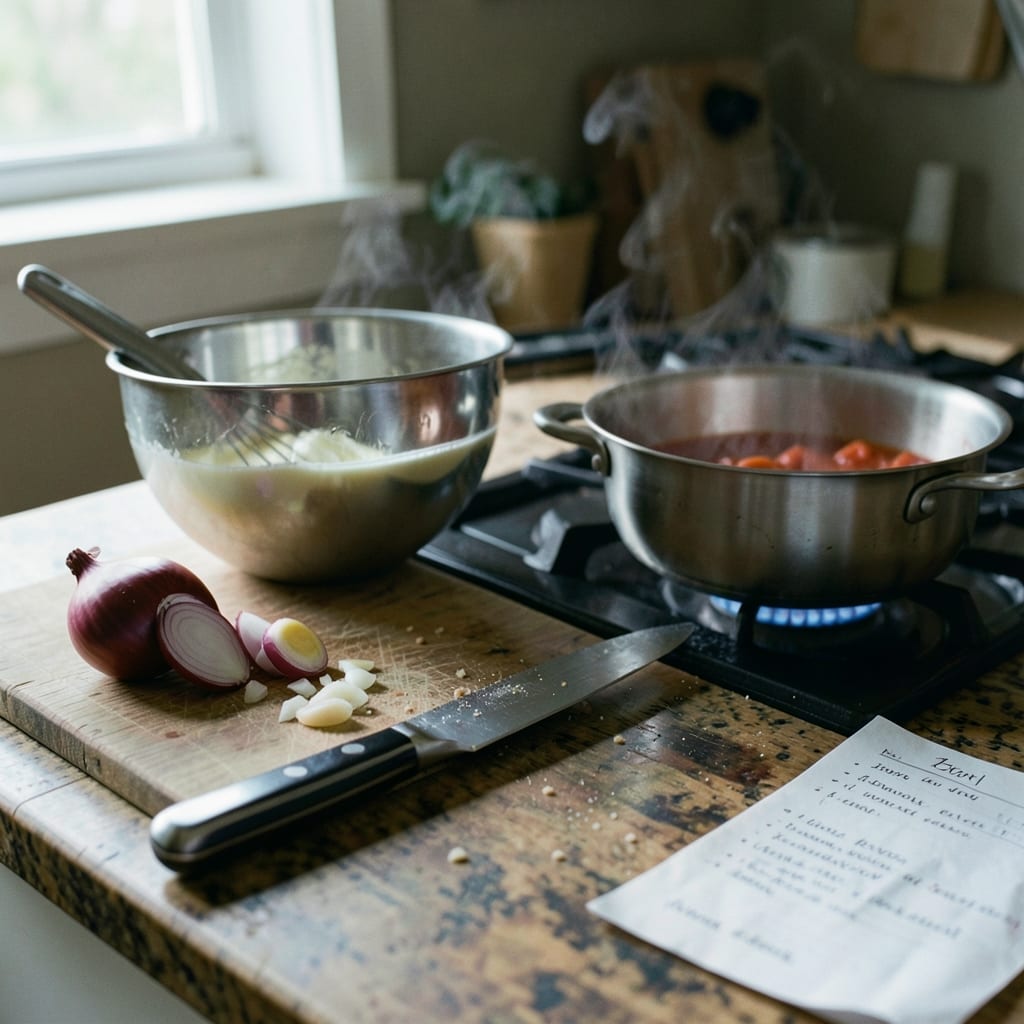
Now, every recipe is mine. Not just mine in the sense that I wrote it, but mine in the sense that I’ve burned, overcooked, and salvaged it until it works. The photos? They’re messy, imperfect, and taken in my kitchen with whatever light I could scrounge. The regional notes?
Those come from real conversations with butchers, smokers, and home cooks across the country. You’ll still find mistakes—because I’m still learning—but the site no longer pretends to be something it isn’t.
| It used to be | Now it is |
|---|---|
| Recipes copied from old cookbooks with no testing. | Every recipe is tested at least three times, with adjustments for real-world kitchens. |
| Stock photos of pork dishes that looked nothing like what I’d actually make. | Photos shot in my kitchen, even if it means waiting for the right light or reshooting a dish five times. |
| No mention of how pork behaves in different climates. | Recipes now include notes on humidity, altitude, and smoke—based on feedback from real cooks. |
| A site that felt like a chore to update. | A site that reflects the way I actually cook: imperfect, evolving, and always a work in progress. |
The one that took years
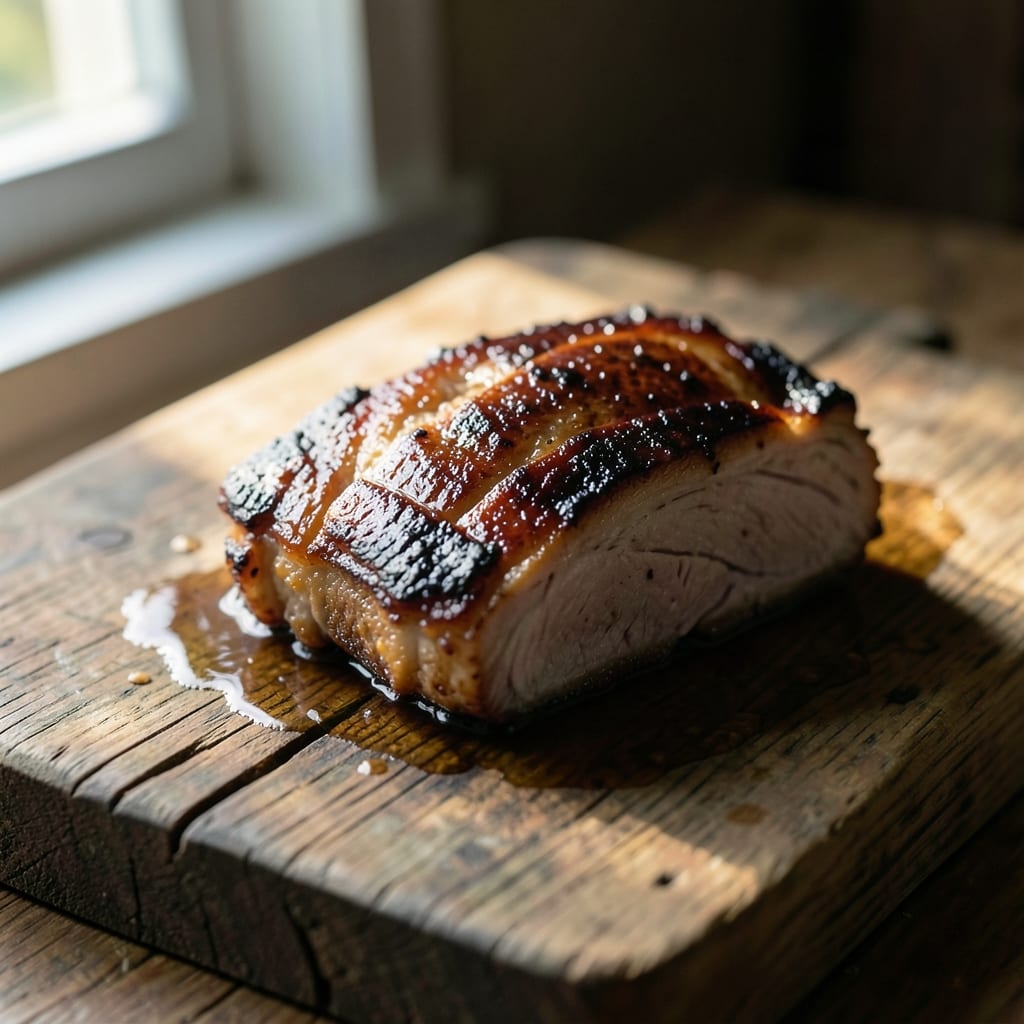
The first thing that needed fixing was the recipes themselves. I’d copy a dish from a 1950s cookbook, follow it exactly, and then wonder why it tasted flat or dry. The problem? Pork today isn’t raised the same way it was 70 years ago.
Modern farming means leaner cuts, faster growth rates, and different fat distributions. I ignored that for years because admitting it meant I’d have to retest *everything*—not just tweak, but rebuild from scratch.
It stayed broken for too long because I was afraid of looking stupid. What if I got it wrong? What if the new recipes didn’t work? What if people noticed I’d been lying this whole time? So I kept patching instead of fixing.
I’d add a note like *‘adjust salt to taste’* and call it a day. But that wasn’t good enough—not for the readers, and not for me.
The turning point was the day I burned a $40 pork belly in front of my butcher friend. He laughed, poured me a beer, and said, *‘Paulette, you’re treating pork like it’s chicken. It’s not. It’s stubborn. It’s fatty.
It’s forgiving—but only if you respect it.’* That’s when I started over. I bought a digital scale, a meat thermometer, and a notebook. I tested cuts from three different farms, tracked smoke times, and wrote down every failure.
It cost me $800 in ruined pork, 12 broken pans, and three months of frustration.
Now, the site’s recipes cost more to maintain—because good pork isn’t cheap, and neither is doing it right. But the payoff? Dishes that actually work, with notes that save you time and money. The ‘perfect’ pulled pork? It’s still a myth. But the *good* pulled pork?
That’s what you’ll find here.
Meet the author

I used to think cooking was about following rules. Measure this, baste that, never let the temperature drop below X. I’d spend hours researching the ‘right’ way to do things, only to end up with something that tasted like a textbook.
The first time I tried to make a proper charcuterie board, I bought pre-sliced meats, arranged them in a pattern, and called it art. My dad took one look and said, *‘That’s not food. That’s a still life.’* I didn’t know how to argue with him—because he was right.
I also used to hate asking for help. If I didn’t know how to brine a ham, I’d guess. If a recipe failed, I’d blame the meat instead of my technique. The worst was when I tried to smoke a whole pig for the first time.
I used a cheap pellet grill, no water pan, and a temperature gauge that read 10 degrees off. By the time I realized it was ruined, the smoke had drawn half the neighborhood. I never admitted it to anyone. Not even my dad.
I stopped pretending I had it all figured out.
Now, I’m Paulette Mancuso, and this is where I write about pork the way I actually cook it: with mistakes, shortcuts, and a little bit of chaos. My job here isn’t to be perfect—it’s to show you how to make pork that tastes like *something*, even when you mess up.
Whether that’s a crispy-skinned roast at 4 p.m. on a Tuesday or a smoky brisket that saves Thanksgiving, I’m here to help you get it right—or at least learn from getting it wrong.
What did not change
The core belief hasn’t shifted: pork should be the star of the meal, not an afterthought. That’s why you’ll never see a recipe here that treats it like a side dish or an excuse for a sauce. The other thing that stayed the same? My dad’s voice in my head.
Whether I’m seasoning a cut or troubleshooting a fail, I’m still listening to the way he’d talk about meat—like it was alive, not just food.
I also still believe in the power of a well-timed joke while cooking. Burn something? Laugh. Mess up a cut? Laugh harder. The kitchen’s supposed to be fun, not a crime scene. That’s why the tone here is stubbornly optimistic, even when the pork isn’t cooperating.
And yes, I still burn things sometimes. But now, I’ll tell you about it.
What is still being fixed
Right now, I’m working on two things: a better way to organize regional recipes (because ‘Southern-style’ isn’t specific enough) and a series of videos showing how to handle pork when you’re cooking for a crowd.
The videos are the hardest—because my kitchen’s too small, my camera’s too old, and I keep tripping over the tripod. But I’m getting there.
If you’ve got tips, feedback, or just a good laugh about pork disasters, the contact page is where to send them.
Things that would help
- Your favorite pork recipe—and why it works (or doesn’t).
- A regional tweak that saved your dish (e.g., ‘Add a splash of vinegar in humid climates’).
- A funny pork-related story (bonus points if it involves fire).
The recipes are grouped by category: Appetizers, Beverages, Breakfast & Brunch, Desserts, Main Courses and Salads.