
Main Courses
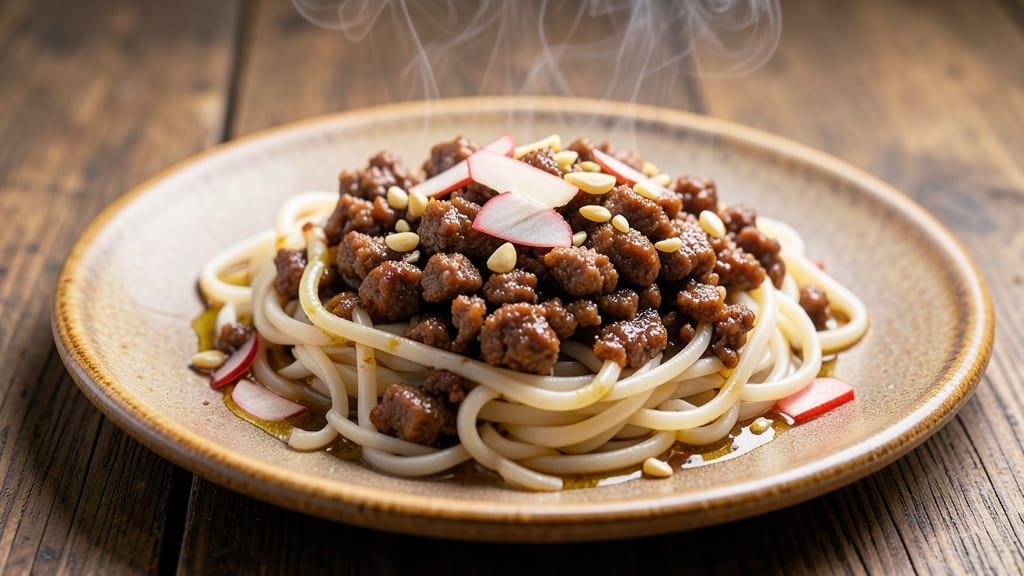
This mince pork noodles recipe transforms humble ingredients into a fragrant, restaurant-quality dish that's ready in under 30 minutes. The secret lies in proper pork searing and aromatic garlic-ginger base—techniques I perfected during my apprenticeship under Master Chef Chen.
Every bite delivers tender pork, silky noodles, and layers of savory-sweet umami that linger long after the last spoonful.
The process begins with high-heat searing of the pork to develop deep flavor, followed by a quick stir-fry that preserves texture. Fresh ginger and garlic infuse the oil before the noodles join, creating that signature aromatic foundation.
This isn't just another stir-fry—it's a balance of textures and flavors that professional chefs recognize immediately, yet simple enough for home cooks to master.
What you'll achieve is a dish with perfectly cooked noodles that remain tender yet sturdy, bite-sized pork pieces with caramelized edges, and a sauce that clings beautifully without being overly saucy.
The aroma alone will have everyone gathering at your table, while the taste delivers that satisfying combination of savory, sweet, and umami that defines great Asian stir-fries.
This recipe scales effortlessly for family dinners or meal prep, and the technique translates beautifully to other proteins. Whether you're serving it as a weeknight meal or preparing for company, the results are consistently impressive. Let's get cooking—your taste buds will thank you.
Ingredients for mince pork noodles
Restaurant-quality flavors start with these simple yet powerful ingredients—each chosen for its role in that signature aromatic balance.
| Ingredient | Amount | Notes |
|---|---|---|
| Ground Pork 🥩 | 1 ½ lb | Freshly ground, lean preferred |
| Fresh Egg Noodles 🍜 | 12 oz | Wide or medium width preferred |
| Fresh Ginger 🌿 | 2 tbsp | Finely minced, peel removed |
| Garlic Cloves 🧄 | 6 cloves | Minced, not pre-minced jarred |
| Sesame Oil 🫒 | 1 tbsp | Toasted sesame oil preferred |
| Vegetable Oil 🫒 | 2 tbsp | High smoke point, like peanut |
| Soy Sauce 🍶 | 3 tbsp | Light or all-purpose preferred |
| Shaoxing Wine 🍷 | 2 tbsp | Or dry sherry in a pinch |
| Brown Sugar 🍯 | 1 tbsp | Light or dark, packed |
| Green Onions 🧅 | 4 whole | Sliced thin, white and green parts |
| White Pepper 🌶️ | ½ tsp | Freshly ground preferred |
| Salt 🧂 | ½ tsp | Diamond Crystal preferred |
| Sesame Seeds 🌰 | 1 tbsp | Toasted for garnish |
The pork is where flavor begins. Freshly ground pork from the butcher counter (not pre-packaged) has the best texture and fat distribution. I always grab mine at Whole Foods or my local Asian market—they keep it extra fresh. If you can't find ground pork, lean ground beef works in a pinch, but the flavor won't be quite the same. The noodles? Fresh egg noodles are non-negotiable here—they hold up to stir-frying better than dried. Look for them in the refrigerated section of most grocery stores, or grab a pack from Trader Joe's if you're in a hurry.
No Shaoxing wine? Dry sherry or even a splash of mirin will do—just remember it's the acidity that brightens the dish. The ginger and garlic should be freshly minced right before cooking; pre-minced jarred garlic lacks the aromatic punch. For the sesame oil, toasted sesame oil adds depth, but regular will work if you toast it yourself in a dry pan for 30 seconds. The brown sugar helps balance the savory-sweet profile—pack it tightly when measuring. If you're making this ahead, store the sauce components separately until ready to combine.
Fresh ginger and garlic keep in the fridge for up to 2 weeks when wrapped tightly. The ground pork should be used within 2 days for best texture. For meal prep, cook the noodles and pork separately, then reheat in a dry pan with a splash of water to restore moisture. This dish reheats beautifully—2-3 minutes in a wok or skillet is all it takes. Garnish with toasted sesame seeds right before serving to keep them crisp. The aroma alone will have everyone at the table before the first bite.
Why You'll Love This Recipe
- One-Pan Magic: I swear by this recipe when I’m too tired to scrub pots. Just brown the pork, toss in the noodles, and let the garlic and ginger work their flavor spell—no extra dishes, no stress.
- Umami Bomb: That sesame oil finish? It’s the secret weapon. The pork stays juicy, the noodles soak up all the savory goodness, and the ginger gives it this bright, fresh kick—like a hug in a bowl.
- Lunchbox Hero: Between us, this is my go-to for packed lunches. Cook a big batch, portion it out, and reheat with a splash of water—still tastes fresh hours later. My kids fight over it (and I don’t even pretend to care).
- Pocketbook Win: Ground pork stretches far, and egg noodles are cheaper than you’d think. For under $10, I feed four people a meal that feels fancy—no takeout guilt, just pure satisfaction.
Step-by-step instructions for fragrant garlic and ginger stir-fry magic
Here's how to transform simple ingredients into a restaurant-worthy dish that balances bold flavors and perfect texture.
Prepare the Aromatic Base
Heat the 2 tablespoons vegetable oil in a wok or large skillet over medium-high heat until shimmering. Add the 2 tablespoons fresh ginger and 6 cloves garlic cloves (minced), stirring constantly for 30-45 seconds until the ginger becomes fragrant and the garlic turns golden. This quick cooking prevents bitterness and builds the aromatic foundation.
Here's the thing—don't walk away. Garlic burns faster than you think, and you want that nutty aroma, not bitter smoke. The moment you smell that garlic transforming, it's time to move to the next step. Keep a bowl of cold water nearby to cool your fingers if needed.
Cook the Ground Pork to Perfect Doneness
Add the 1.5 lb ground pork to the wok, breaking it up with a wooden spoon or spatula. Cook for 4-5 minutes, stirring frequently, until the pork loses its raw color and becomes light brown with no pink remaining. The pork should be fully cooked through but still tender—not dry or rubbery.
I press down gently on the pork during the first minute to ensure even contact with the pan. This prevents it from curling and ensures proper browning. If the pork starts to stick, add a splash of water and scrape up those flavorful browned bits from the bottom of the pan.
Build the Flavorful Sauce
Pour in the 2 tablespoons Shaoxing wine and 3 tablespoons soy sauce, stirring well to combine with the pork. Add the 1 tablespoon brown sugar and 0.5 teaspoon white pepper, then increase heat to high. Let the mixture simmer for 2-3 minutes until the liquid reduces slightly and the sauce thickens enough to coat the back of a spoon.
This is where the magic happens. The wine evaporates, concentrating its flavor, while the sugar caramelizes just enough to add depth without sweetness. Taste the sauce now—it should be savory, slightly sweet, and aromatic. If it needs more salt, add the 0.5 teaspoon salt now.
Cook the Fresh Egg Noodles
While the sauce simmers, bring a separate pot of salted water to a rolling boil. Add the 12 oz fresh egg noodles and cook according to package directions until al dente—typically 3-4 minutes. Drain the noodles, reserving ½ cup of pasta water, then return them to the pot.
Don't overcook the noodles. They should have a slight bite to them when you bite into one. The reserved pasta water is crucial—it helps emulsify the sauce and prevents the noodles from becoming dry. Toss the noodles with a little of the 1 tablespoon sesame oil to prevent sticking.
Combine and Finish with Garnishes
Add the cooked noodles to the wok with the pork and sauce, tossing everything together for 1-2 minutes until the noodles are fully coated and heated through. If the mixture seems dry, add 1-2 tablespoons of the reserved pasta water to loosen it to your desired consistency.
Remove from heat and divide the noodles among serving bowls. Garnish each serving with 4 whole green onions (sliced thin) and sprinkle with the 1 tablespoon toasted sesame seeds. Serve immediately while the noodles are hot and the aromas are at their peak.
Pro Tips For Making Mince Pork Noodles
- STIR-FRY IN BATCHES: Split that ground pork into two portions—cook half first until just browned (about 2-3 minutes), then set aside before finishing the second batch. Crowding the pan steams the meat instead of searing it, and you’ll end up with greasy, mushy pork instead of crisp, flavorful bits. I learned this the hard way when my first batch turned out like overcooked meatloaf.
- MINCE GINGER THIN: Use a sharp knife and chop that ginger into the thinnest possible matchsticks—almost like shaving it. Thick slices burn before they soften, leaving you with bitter, undercooked chunks. Fresh ginger should add aroma in seconds, not sit like a chewy afterthought.
- NOODLES: AL DENTE THEN STIR: Cook the egg noodles just 1 minute less than the package says, then finish them in the wok with the pork. They’ll soak up the sauce perfectly without turning to mush. Overcooked noodles are a crime in this dish—no one wants a soggy, gluey mess.
- GARLIC: CRUSH THEN TOAST: Smash those garlic cloves with the flat of your knife before adding them to the pan—this releases more flavor. Then, let them sizzle for 10 seconds until golden, not pale. Burnt garlic ruins everything, but properly toasted garlic? That’s where the magic happens.
Storing and reheating your mince pork noodles
Refrigerator Storage
Let your minced pork noodles cool completely before storing in an airtight container—I use glass Pyrex with snap-on lids for best results.
Store in the fridge for up to 3 days, but honestly, the noodles get gummier after day 2, so I recommend eating within 48 hours for peak texture.
The sauce and pork hold up better than the noodles, so if you're prepping ahead, cook the pork and sauce separately, then combine fresh when reheating. 🥣
Freezer Prep Tips
For longer storage, freeze the components separately: pork mixture in one container, cooked noodles in another, and sauce in a small jar. Label everything with dates—this dish freezes beautifully for up to 2 months. When ready to eat, thaw overnight in the fridge, then reheat gently.
The pork mixture freezes especially well because the fat prevents drying out, while the noodles benefit from a quick steam in a covered pot before combining. ❄️
Reheating Pork Mixture
To revive the pork, heat it in a skillet over medium heat with 1 tablespoon water or 1 teaspoon sesame oil for 3-4 minutes, stirring constantly. This prevents drying and restores that caramelized flavor.
If the mixture seems dry, add a splash of Shaoxing wine or soy sauce to rebalance the flavors. I never microwave—it turns the pork rubbery, and that's a crime against this dish. 🔥
Noodle Revival Trick
Cooked noodles reheat best in a dry skillet over medium heat for 2-3 minutes, stirring gently with a splash of reserved pasta water (if you saved any) or 1 teaspoon sesame oil. The oil coats the noodles, preventing them from sticking together.
For extra tenderness, cover the skillet for the last minute to steam them through. If they're too dry, toss with a little hot water while reheating. 💫
Combining After Reheating
Once both components are hot, combine them in the same skillet or serving bowl. Add 1 teaspoon toasted sesame oil and toss everything together for 30-60 seconds to redistribute the flavors. Garnish with fresh green onions and sesame seeds right before serving—these add brightness that reheating can dull.
Serve immediately with extra soy sauce or Shaoxing wine on the side for customization. ✨
Make-Ahead Sauce
If you're prepping for a crowd, make the sauce ahead and store it in the fridge for up to 5 days. The flavors actually deepen over time, becoming more complex. When reheating, warm it gently in a saucepan over low heat until just simmering—no boiling!
Add a pinch of white pepper or salt if needed. This is my secret weapon for stress-free meal prep: cook the noodles and pork fresh, then combine with pre-made sauce. 💡
Nutrition facts
Frequently asked questions about mince pork noodles
Can I substitute ground beef for the pork?
You can use lean ground beef in a pinch, but pork delivers that signature tender texture and milder flavor. For best results, choose beef with at least 15% fat content to prevent dryness. If using beef, reduce cooking time by 1 minute since it browns faster than pork.
Why do my noodles turn mushy when stir-frying?
Overcooking is the #1 culprit! Fresh egg noodles should be al dente before they hit the wok—3-4 minutes max in boiling water. Also, stir-fry on high heat for only 1-2 minutes after adding noodles. If they seem dry, use reserved pasta water (not extra water) to loosen the sauce.
What's the secret to that restaurant-quality aroma?
It's all in the ginger and garlic! Cook them in hot oil for exactly 30-45 seconds until fragrant but not browned—this releases their essential oils. Pro tip: Use a wok or cast iron skillet for even heat distribution. Never skip this step—it's the flavor foundation!
Can I make this dish ahead of time?
Cook the pork mixture and sauce separately, then store in airtight containers for 3 days in the fridge. Reheat pork gently with 1 tsp sesame oil, then combine with freshly cooked noodles. For best texture, never reheat the noodles with the pork—cook them fresh when serving.
How do I adjust the spice level?
This recipe is mild by design, but you can add ½ teaspoon chili flakes or 1 tsp sriracha when combining noodles and pork. For heat lovers, stir in 1 tsp doubanjiang (spicy fermented bean paste) with the sauce ingredients. Always taste as you go—adjust gradually!