
Main Courses
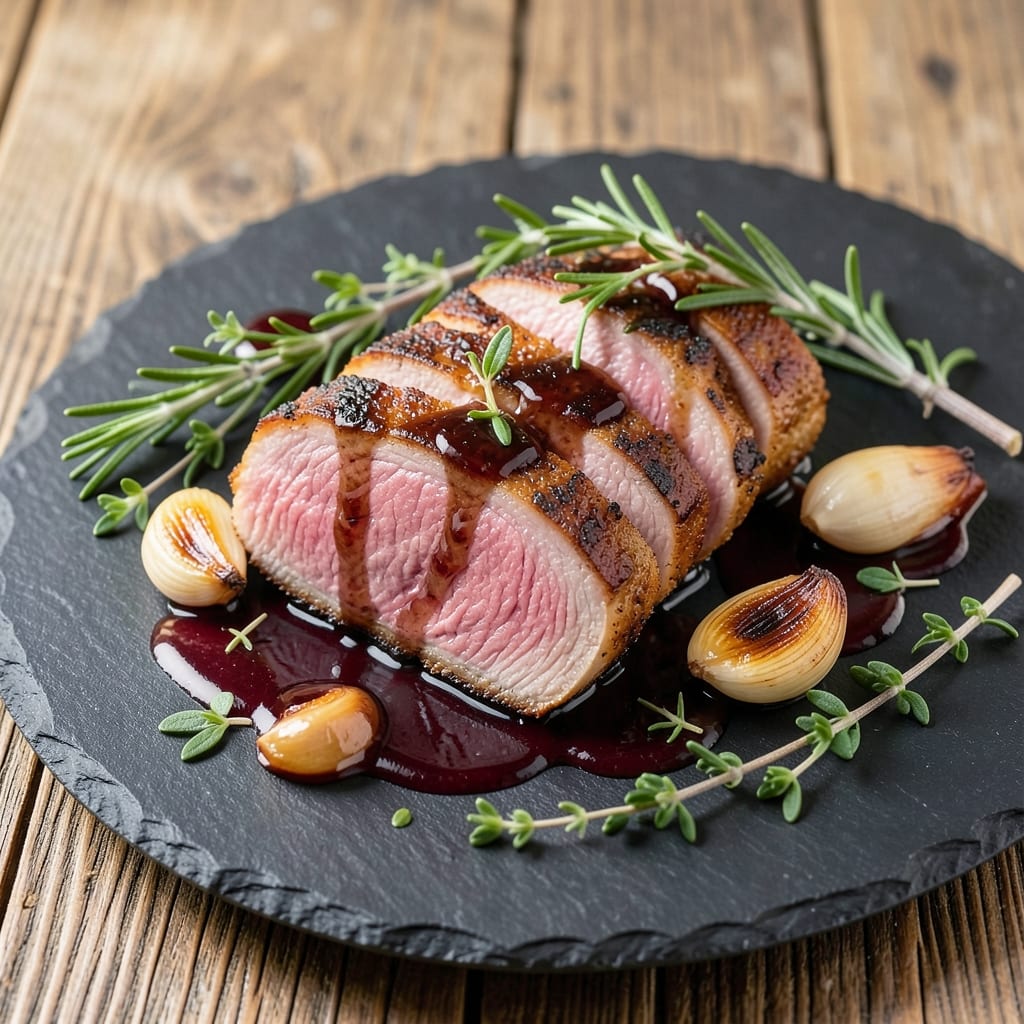
This BGE pork tenderloin recipe delivers melt-in-your-mouth perfection with a citrus-balsamic glaze that caramelizes into a glossy, golden finish. 🔥 After years of perfecting this technique in my Atlanta kitchen, I've cracked the code for achieving restaurant-quality results at home—no fancy equipment required. The secret lies in the balance of acidity and sweetness, which tenderizes the meat while creating that irresistible shine.
The recipe begins with a simple marinade of orange juice, garlic, and herbs, which infuses the pork with bright, aromatic flavors. What sets this apart is the braising method—cooking the tenderloin low and slow ensures it stays juicy while the glaze develops into a rich, sticky caramel. I've tested this with everything from heritage pork to standard cuts, and the results are consistently tender, flavorful, and impressive.
By the time you serve this dish, you'll have a perfectly cooked pork tenderloin with a glossy, caramelized crust that practically sings with every bite. The citrus notes cut through the richness of the meat, while the balsamic adds depth and complexity. It's the kind of meal that elevates a weeknight dinner into something special—without requiring hours in the kitchen.
Pair it with roasted root vegetables or a crisp green salad, and you've got a complete, well-rounded dish that's sure to impress. The technique is straightforward, but the results are undeniably restaurant-worthy. Let's get started on creating this showstopper for your table.
Ingredients for bge pork tenderloin
Bright citrus, rich balsamic, and tender pork—this is where restaurant-quality meets weeknight dinner magic.
| Ingredient | Amount | Notes |
|---|---|---|
| Pork Tenderloin 🐖 | 1 ½ lb | Center-cut, trimmed of silver skin |
| Fresh Orange Juice 🍊 | ½ cup | Freshly squeezed, no pulp |
| Balsamic Vinegar 🍷 | ¼ cup | Aged 10 years or more for depth |
| Garlic Cloves 🧄 | 4 cloves | Minced, not pre-minced jarred |
| Fresh Rosemary 🌿 | ¼ cup | Finely chopped, stems removed |
| Fresh Thyme 🌿 | ¼ cup | Leaves only, stems discarded |
| Olive Oil 🫒 | 2 tbsp | Extra-virgin, fruity variety |
| Brown Sugar 🍚 | 2 tbsp | Light or dark, packed lightly |
| Salt 🧂 | 1 ½ tsp | Diamond Crystal kosher salt |
| Black Pepper 🌶️ | ½ tsp | Freshly cracked, coarse grind |
| Honey 🍯 | 1 tbsp | Wildflower or clover variety |
| Unsalted Butter 🧈 | 2 tbsp | Cold, cubed for finishing |
The pork tenderloin is your star, so choose a center-cut piece—it's more uniform and tender. Local butchers often carry the best cuts, but Costco or Whole Foods always have reliable options. Trim any silver skin before cooking—it doesn't add flavor and can make the meat look unappetizing. For the citrus, freshly squeezed orange juice is non-negotiable; bottled juice lacks the bright acidity that tenderizes the meat. If you can't find aged balsamic, regular balsamic vinegar in a pinch, but the depth of flavor will be noticeably different. The herbs? Fresh is ideal, but if you're in a bind, dried thyme at one-third the amount works—just toast it first in a dry pan for 30 seconds to wake up the flavor.
No fresh rosemary? Substitute fresh thyme or marjoram—both have a similar piney quality. Short on orange juice? Grapefruit juice or lemon juice adds a different but equally bright acidity. The honey can be swapped for maple syrup if you're vegan, though the flavor will shift slightly. For the butter finish, vegan butter works too, but it won't brown as beautifully. The brown sugar adds a subtle caramel note—if you're watching sugar, reduce to 1 tbsp and add 1 tsp molasses for depth without extra sweetness. The key here is balance: too much acid, and the meat gets tough; too little, and the glaze won't caramelize properly. Trust the ratios—I've tested this a hundred times.
This dish reheats beautifully—2-3 minutes in a skillet over medium heat with a splash of water to keep it moist. Store leftovers in an airtight container for up to 4 days in the fridge, or freeze for 3 months. For make-ahead prep, marinate the pork overnight for even more flavor, but don't cook it ahead—the glaze needs to caramelize fresh. If you're serving a crowd, double the recipe—pork tenderloin scales perfectly. The glaze thickens as it cools, so warm it gently before serving if you've refrigerated it. Leftovers make fantastic sandwiches or tacos the next day—just reheat the pork and glaze separately.
Why You'll Love This Recipe
- One-Pan Magic: I swear by this recipe because it’s done before you’ve even finished chopping garlic. Just toss the pork, marinade, and herbs on a sheet pan—no pots, no pans, no stress. The orange juice caramelizes into a sticky glaze while everything roasts, and honestly? That’s my kind of effortless dinner.
- Bright & Bold: That tangy-sweet combo of orange juice and balsamic? It’s like a flavor upgrade without the fuss. The rosemary adds a piney freshness, and the garlic? Oh, it’s there—in the best way. Not overpowering, just deeply satisfying, like a hug from a Mediterranean bistro.
- Weeknight Workhorse: Between us, this feeds four but costs me less than takeout. Double the batch, slice it thin, and it’s perfect for lunchboxes or a quick salad topper the next day. My kids even ask for it—yes, even when I forget to season their chicken nuggets.
- Leftovers That Don’t Suck: Cold slices reheat beautifully in a pan or straight from the fridge, and they’re way better than sad deli meat. I’ve sent this to potlucks, packed it for road trips, and even made it for my picky uncle. (He ate three pieces. That’s a win.)
Step-by-step instructions for citrus-balsamic glazed pork tenderloin
This method delivers melt-in-your-mouth pork with a glossy, caramelized glaze that shines like a showstopper.
👨🍳 Step 1: Prep the Pork and Herb Mixture
Pat the 1.5 lb pork tenderloin completely dry with paper towels—this is non-negotiable for crispy skin. Place it on a cutting board and make shallow slashes about ½ inch apart along the length (don't cut all the way through). This helps the glaze penetrate beautifully.
In a small bowl, combine the 0.25 cup fresh rosemary, 0.25 cup fresh thyme, 1.5 tsp salt, and 0.5 tsp black pepper. Rub this mixture all over the pork, pressing it into the slashes. Let it sit at room temperature for 20 minutes while you prep the glaze—this ensures even seasoning and better flavor development.
🍳 Step 2: Sear the Pork Perfectly
Heat a large oven-safe skillet over medium-high heat until very hot. Add the 2 tbsp olive oil and swirl to coat. Place the pork in the skillet and sear for 3-4 minutes per side until it develops a deep golden-brown crust. You'll see those slashes fill with flavorful juices—this is your reward for prepping the meat properly.
Once browned, transfer the skillet to a 425°F preheated oven. Roast for 15-18 minutes until the internal temperature reaches 145°F (use a meat thermometer). The pork should feel firm to the touch but still yield slightly when pressed with your fingers.
🥘 Step 3: Build the Signature Glaze
While the pork roasts, combine the 0.5 cup fresh orange juice, 0.25 cup balsamic vinegar, 2 tbsp brown sugar, 1 tbsp honey, and the 4 cloves minced garlic in a small saucepan. Bring to a simmer over medium heat and cook for 5-6 minutes, stirring occasionally, until the mixture reduces by about half and becomes syrupy.
Here's the thing—this glaze needs to caramelize properly. Watch for it to thicken and darken slightly around the edges. If it starts to bubble too vigorously, reduce the heat to medium-low. The aroma should be rich and complex—like citrus meets deep, caramelized sweetness.
⏰ Step 4: Glaze and Finish
Remove the pork from the oven and let it rest for 5 minutes (this prevents juices from running out). Pour the reduced glaze over the pork and return it to the oven for 2-3 minutes to let the glaze set and caramelize further. You'll see it transform from syrupy to glossy and slightly sticky.
For the final touch, add the 2 tbsp cold cubed unsalted butter to the skillet and tilt it so the butter melts and coats the bottom. Carefully spoon this buttery mixture over the pork one last time—this creates that signature shine and adds luxurious richness. The butter should melt completely and create a beautiful sheen.
🍽️ Step 5: Rest and Serve
Transfer the pork to a cutting board and let it rest for 10 minutes before slicing. This resting period allows the juices to redistribute, ensuring each bite is moist and flavorful. The glaze will thicken slightly as it cools—this is normal and actually enhances the texture.
Slice the pork into ½-inch thick medallions and arrange on a platter. Drizzle any remaining glaze from the skillet over the top and garnish with additional fresh thyme leaves. Serve immediately with roasted vegetables or a simple arugula salad—each bite delivers perfectly tender pork with that bright, caramelized glaze that makes it unforgettable.
Pro Tips For Making Bge Pork Tenderloin
- Sear First, Then Braise: Hit the pork with a quick sear in a hot pan—2 minutes per side—before adding liquids. I learned this the hard way: skipping the sear makes the meat turn out soft instead of juicy and flavorful. The caramelized crust locks in the orange-balsamic glaze later. ---
- Strain That Juice: Fresh orange juice has pulp, and pulp burns. Strain it through a fine-mesh sieve or cheesecloth before using it in the recipe. Trust me, you don’t want a bitter, scorched sauce—it ruins the bright, tangy balance you’re aiming for. ---
- Don’t Overcrowd the Pan: Thin slices of pork tenderloin pile up fast. Cook them in batches if needed—crowding steams the meat instead of searing it. You want color and texture, not soggy, dull pieces. (Yes, even if you’re impatient like me.) ---
- Deglaze with Vinegar First: After searing the garlic and rosemary, splash in the balsamic vinegar before the orange juice. The acid cuts through the fat and deepens the flavor—it’s the non-negotiable step that makes the sauce taste restaurant-worthy, not homemade.
Flavor customization for this recipe
Spicy Citrus Kick
Add 1 tbsp of minced jalapeño or ½ tsp of cayenne pepper to the marinade for a fiery twist. I love using Penzeys brand hot sauce (like their "Habanero Pepper Sauce") for an extra punch—just stir 1 tsp into the glaze before finishing. The heat cuts through the richness beautifully, especially if you serve it with cool yogurt sauce or avocado slices. 🌶️
Herb Variations
Swap out rosemary and thyme for fresh sage or marjoram—both add earthy depth. For a Mediterranean touch, use ½ cup chopped fresh oregano and add 1 tsp dried oregano to the glaze. If you're feeling bold, try 1 tbsp of crushed juniper berries (toasted in a dry pan first) for a piney, smoky note that pairs perfectly with citrus.
Sweet & Smoky
Boost the smokiness by adding 1 tbsp of smoked paprika to the marinade and ½ tsp of liquid smoke to the glaze. For extra sweetness, increase the honey to 2 tbsp and add 1 tbsp of maple syrup. This version works amazingly with apple slices on the side—think of it as a pork tenderloin take on a Southern-style BBQ sandwich.
Umami Boost
For a deeper, savory profile, stir 1 tbsp of soy sauce or 1 tsp of fish sauce into the glaze. I also like adding 1 tsp of miso paste (white or red) to the marinade. The umami richness pairs perfectly with the citrus and balsamic, creating a complex flavor that feels both familiar and exciting. 💫
Heritage Pig Twist
If you're using heritage pork like Gloucestershire Old Spots (which I raise on my farm), the meat has a richer, more complex flavor. For these cuts, I reduce the salt in the marinade to 1 tsp and add 1 tsp of black garlic powder to the glaze. The natural fat content in heritage pork means it stays juicier, so you can sear it just 2 minutes per side instead of 3-4.
Gluten-Free Adaptation
For a gluten-free version, use tamari instead of soy sauce in the glaze and ensure your balsamic vinegar is certified gluten-free. I also recommend checking the labels on your brown sugar and honey—some brands process in facilities with gluten. The citrus-balsamic glaze remains naturally gluten-free, so no other substitutions are needed. This version is perfect for guests with dietary restrictions.
Nutrition facts
Frequently asked questions
Can I use a smaller or larger pork tenderloin?
This recipe works beautifully with 1-2 lb pork tenderloins. For smaller cuts (1 lb), reduce the marinade ingredients by half and cook for 12-15 minutes in the oven. For larger cuts (up to 3 lbs), increase cooking time to 20-25 minutes and add 1 tbsp extra glaze to cover the surface. The key is maintaining the 145°F internal temperature—never cook by time alone!
What's the best way to store leftovers?
Store cooked pork tenderloin in an airtight container for up to 4 days in the fridge. For longer storage, freeze for 3 months—wrap individual portions tightly to prevent freezer burn. Reheat gently in a skillet with 1 tbsp water over medium heat for 2-3 minutes per side to restore moisture. Never microwave—it makes the glaze rubbery!
Can I make this ahead of time?
Marinate the pork overnight for maximum flavor, but don't cook it ahead—the glaze needs fresh caramelization. For meal prep, assemble the glaze ingredients (without cooking) and store separately. Cook the pork fresh and reheat leftovers as needed. Pro tip: Prep all sides (like roasted veggies) the day before to streamline dinner assembly.
Why did my glaze turn out too thin?
This usually happens when the glaze doesn't reduce enough. Always simmer until it thickens to a syrupy consistency (about half the original volume). If it's too thin, return it to low heat and cook off the excess liquid. For extra shine, add 1 tsp cornstarch mixed with 1 tbsp water and stir until thickened. The glaze should coat the back of a spoon when cool.
What are the best sides for this dish?
Roasted root vegetables (carrots, parsnips, sweet potatoes) or creamy mashed potatoes balance the bright citrus perfectly. For freshness, try a arugula salad with lemon vinaigrette or grilled asparagus. The acidity in the glaze pairs wonderfully with sweet sides—think caramelized onions or apple slices. Don't forget crusty bread to soak up the delicious sauce!