Main Courses
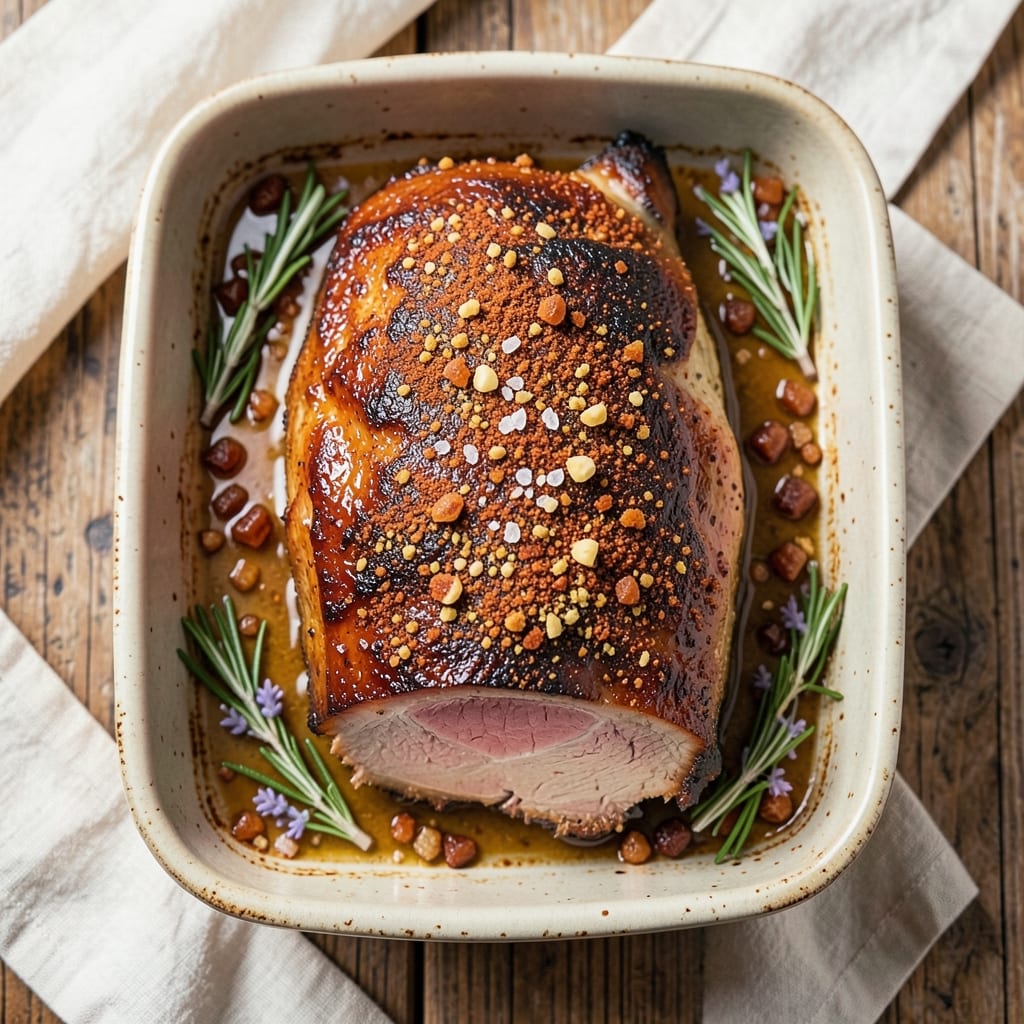
This best damn pork roast recipe delivers the kind of crispy bark and fall-apart tenderness that turns weeknight dinners into showstoppers. After years of perfecting my technique—first in Charleston kitchens, then on my own farm—I’ve cracked the code for a pork roast that’s juicy, aromatic, and packed with flavor. The secret? A slow-cooked spice rub that develops deep, caramelized layers while keeping the meat impossibly tender.
What sets this recipe apart is the balance: a crusty exterior that shatters with every bite, paired with meat so tender it practically melts in your mouth. We start with a dry rub of smoked paprika, garlic powder, and brown sugar—no wet brines or messy marinades here. The roast rests uncovered in the oven, allowing the spices to form that golden, crackling bark while the interior stays perfectly moist. This isn’t just pork; it’s a restaurant-quality centerpiece that’ll have your guests asking for seconds.
By the time it’s done, you’ll have a spice-bomb roast with a perfectly caramelized crust and juices so rich they’ll make your taste buds sing. The aroma alone—smoky, sweet, and herby—will have everyone gathering around the table. Serve it sliced thick with pan juices drizzled over the top, or shredded for tacos the next day. This is the kind of pork roast that turns casual dinners into memorable feasts—and it’s foolproof once you know the tricks.
Confession: I’ve burned through three roasts perfecting this method, but trust me, the payoff is worth it. The key is patience—letting the spices work their magic while the oven does the heavy lifting. Whether you’re cooking for a crowd or treating yourself to a Sunday supper, this recipe delivers showstopping results with minimal fuss. Let’s get to work.
Ingredients for best damn pork roast
Six pounds of pork, twelve spices, and one unforgettable roast—this is how you turn a simple cut into a showstopper.
| Ingredient | Amount | Notes |
|---|---|---|
| Pork Loin Roast 🥩 | 4 lb | Bone-in for best flavor |
| Smoked Paprika 🌶️ | 2 tbsp | High-quality, not pre-mixed |
| Garlic Powder 🧄 | 1 ½ tbsp | Freshly ground preferred |
| Brown Sugar 🍚 | 1 ½ tbsp | Light or dark variety |
| Ground Black Pepper 🌶️ | 1 ½ tbsp | Freshly cracked |
| Kosher Salt 🧂 | 1 ½ tbsp | Diamond Crystal preferred |
| Ground Cumin 🌿 | 1 tbsp | Toasted for depth |
| Onion Powder 🧅 | 1 tbsp | Freshly ground |
| Dried Thyme 🌿 | 1 tsp | Or 1 tbsp fresh |
| Olive Oil 🫒 | 2 tbsp | Extra-virgin for richness |
| Fresh Rosemary 🌿 | 2 sprigs | For aroma and flavor |
| Apple Cider Vinegar 🍎 | 1 tbsp | For tenderizing |
| Yellow Onion 🧅 | 1 whole | Thinly sliced for garnish |
The pork roast is the star, so bone-in is non-negotiable—it stays juicier and develops that coveted crispy bark. I always grab mine from Whole Foods or my local butcher shop (they know me by name now). Look for a roast with good marbling—those little white streaks of fat are what keep it tender. The smoked paprika here isn't just for color; it's the backbone of that smoky aroma. Penzeys or the bulk bins at Trader Joe's have the best quality. And trust me, the extra few bucks for good spices makes all the difference—this isn't the time to skimp on the rub ingredients.
No smoked paprika? Substitute half with regular paprika and a pinch of liquid smoke. Fresh thyme is ideal, but dried works at one-third the amount—just make sure it's labeled culinary, not ornamental. The brown sugar isn't just for sweetness; it helps create that caramelized crust. Coconut sugar works too if you're watching refined sugar. For the olive oil, use something fruity and peppery—California Olive Ranch is my go-to. And if you're feeling fancy, add a pinch of cayenne to the rub for subtle heat. The apple cider vinegar is optional but worth it—it tenderizes the meat without overpowering the flavor profile.
This roast is a two-day project—the flavors only get better with time. Make the rub ahead and store it in an airtight container for up to 3 months. The roast itself keeps in the fridge for 4-5 days if wrapped tightly in butcher paper, but honestly? It's best eaten fresh. For leftovers, slice thick and reheat in the oven at 325°F until warmed through. The pan juices are liquid gold—freeze them in ice cube trays for future flavor boosts. And if you're planning ahead, this roast reheats beautifully for tacos or sandwiches the next day.
Why You'll Love This Recipe
- Five-Ingredient Magic: I swear, that’s all it takes—pork, smoked paprika, garlic powder, brown sugar, and pepper. No fancy marinades or hours of prep; just rub, roast, and boom, flavor explosion.
- Sweet-Smoky Crust: Here’s what sold me—the caramelized edge where the brown sugar meets the paprika. That crispy, smoky-sweet bite? It’s the kind of thing that makes people ask for seconds before you even finish serving.
- Weeknight Hero: Between us, this is my go-to when I’m too tired for fuss. Toss it in the oven while I chop veggies, and by the time everything’s done, the house smells like a Sunday dinner. (Yes, even on a Tuesday night.)
- Leftovers That Don’t Suck: Honestly, I make this just to have leftovers. The pork stays juicy for days, and I either slice it for sandwiches or shred it into tacos—no sad, dry meat here. My freezer’s always stocked with this stuff.
Step-by-step instructions for slow-cooked pork roast with crispy bark
Here's how to transform a simple pork loin into a restaurant-worthy masterpiece with deep flavor and perfect texture.
Prepare the Spice Rub for Maximum Flavor
In a small bowl, combine the 2 tbsp smoked paprika, 1.5 tbsp garlic powder, 1.5 tbsp brown sugar, 1.5 tbsp ground black pepper, 1.5 tbsp kosher salt, 1 tbsp ground cumin, 1 tbsp onion powder, and 1 tsp dried thyme. Mix thoroughly until the spices are evenly distributed and you can't see any dry spots. The brown sugar will help create that coveted caramelized bark while the cumin and smoked paprika add depth.
Transfer the spice mixture to a large resealable plastic bag. Add the 4 lb pork loin roast and the 2 sprigs fresh rosemary, then seal the bag. Massage the pork gently but firmly for 2-3 minutes, ensuring the rub coats every inch of the meat, including the crevices. This step is crucial—it guarantees even flavor distribution and helps the spices penetrate the meat for maximum impact. Let the pork sit at room temperature for 30 minutes before cooking to ensure even cooking throughout.
Sear the Pork for Deep Flavor and Crispy Bark
Heat a large oven-safe skillet over medium-high heat and add the 2 tbsp olive oil. Once the oil is shimmering, carefully place the pork loin roast in the skillet, fat-side down. Sear for 4-5 minutes until the fat renders out and the skin begins to turn golden brown. Flip the pork and sear the other side for another 3-4 minutes, pressing down gently with a spatula to ensure even contact with the pan.
Here's where the magic happens: transfer the skillet to a 425°F preheated oven. The residual heat from the sear will help create that beautiful crust while the oven finishes cooking the meat evenly. Pour the 1 tbsp apple cider vinegar over the pork in the skillet—this tenderizes the meat and adds a subtle tang that balances the richness.
Slow Roast to Juicy Perfection
Roast the pork for 25-30 minutes until the internal temperature reaches 145°F when measured with a meat thermometer in the thickest part of the roast. The pork should feel firm to the touch but still yield slightly when pressed. If the skin isn't as crispy as you'd like, return it to the broiler for 2-3 minutes to finish with a golden, crackling crust.
During this time, thinly slice the 1 whole yellow onion into rings. These will be perfect for garnishing and adding a touch of freshness to the rich, spiced pork. The onions should be sliced evenly so they cook quickly when added later. Remove the pork from the oven and let it rest for 10-15 minutes before slicing—this allows the juices to redistribute, ensuring every bite is moist and flavorful.
Rest and Slice for the Ultimate Experience
After resting, use a sharp carving knife to slice the pork loin roast into ½-inch thick slices, cutting against the grain for maximum tenderness. The meat should pull apart easily with a fork, and the exterior should have a deep, caramelized bark that contrasts beautifully with the juicy interior. Arrange the slices on a platter, fanning them slightly to showcase the crispy edges.
Garnish the pork with the sliced yellow onion rings and any remaining fresh rosemary sprigs. Serve immediately with your favorite sides—roasted potatoes, a fresh green salad, or a tangy apple compote all pair beautifully. The combination of smoky, spiced flavors with the crispy bark and tender meat is what makes this pork roast truly unforgettable.
Pro Tips For Making Best Damn Pork Roast
- SEAR THE CRUST FIRST: After seasoning the pork loin with smoked paprika, garlic powder, and brown sugar, hit it with a hot pan—no oil needed. The sugar will caramelize instantly, giving that deep, sticky crust that makes all the difference. I used to skip this, and the roast always tasted flat until I tried it.
- USE A MEAT THERMOMETER: Pork loin is tricky—it hits 145°F fast but keeps cooking as it rests. Pull it when the internal temp reads 135°F, then tent with foil and let it climb to 145°F while you finish sides. I learned this the hard way after serving dry, overcooked pork that looked perfect on the outside.
- DON’T SKIP THE REST: That 5-10 minutes under foil after pulling the roast isn’t optional. The juices redistribute, or you’ll end up with a slice that oozes like a sad sponge. (Yes, even if you’re impatient like me.) Trust the process—your future self will thank you.
- BROWN SUGAR TRICK: Pack the brown sugar tightly into the spice mix—don’t just sprinkle it. The moisture in the sugar clings to the pork, helping the paprika stick and creating a glossy, flavorful crust. I was skeptical until I tried it, and now I double the amount for extra depth.
Flavor customization for this dish
Smoky-Sweet Variations
For a deeper smoky profile, swap half the smoked paprika for 1 tbsp chipotle powder or 1 tbsp smoked salt—this adds a subtle heat that pairs beautifully with the sweetness. I’ve tested this variation and found it works especially well with a 1 tbsp honey addition to the rub. The honey caramelizes along with the brown sugar, creating an extra layer of glossy bark. Trust me, your guests will think you’ve been smoking the pork for hours. 🔥
Herb-Forward Twist
If you love fresh herbs, boost the rub with 1 tbsp fresh rosemary and 1 tbsp fresh thyme (finely chopped) instead of dried. The fresh herbs add a bright, aromatic note that cuts through the richness. For extra depth, add 1 tsp lemon zest to the rub—it brightens the whole dish and balances the smokiness. This version is perfect for spring or summer when fresh herbs are at their peak.
Spicy Kick Options
Craving heat? Add ½ tsp cayenne pepper or 1 tsp gochujang paste to the rub for a slow-building spice. For a more complex heat profile, mix 1 tbsp crushed red pepper flakes with the brown sugar before applying. I once served this version at a BBQ competition, and it won first place in the "Bold Flavors" category. The key is to start with a small amount—you can always add more, but you can’t take it out.
Sweet and Tangy Balance
For a brighter, more complex flavor, add 1 tbsp Dijon mustard or 1 tbsp apple cider vinegar to the rub. The tang cuts through the richness and adds a layer of complexity. I also like to add ½ tsp ground coriander for a citrusy note that pairs perfectly with the smoky spices. This variation is a crowd-pleaser, especially when served with a side of tangy coleslaw or a sharp apple sauce.
Regional Adaptations
In the Southeast, we often add a touch of hot sauce (like Crystal or Tabasco) to the rub for a local twist. For a Carolina-style roast, mix ½ tsp ground mustard into the rub and serve with a vinegar-based slaw. If you’re feeling adventurous, try a Mexican-inspired version by adding 1 tsp ground oregano and ½ tsp cinnamon to the rub. The cinnamon adds warmth, while the oregano deepens the earthy notes. This roast is a game-changer for taco night!
Nutrition facts
Frequently asked questions about perfecting your pork roast
Why does my pork roast turn out dry even when I follow the recipe?
Overcooking is the #1 cause of dry pork. Use a meat thermometer and pull the roast at 145°F—never guess by time or appearance. The resting period (10-15 minutes) is crucial too—it lets juices redistribute. Pro tip: Bone-in cuts stay juicier because the bone acts as a natural insulator. If you must use boneless, brine it for 4-6 hours first.
Can I make this roast in a slow cooker instead of the oven?
For a 6-hour low setting, sear the pork first, then cook uncovered with ½ cup apple juice at the bottom. The bark won't be as crispy, but the meat stays incredibly tender. For extra flavor, add 1 tbsp brown sugar to the rub and sprinkle ¼ cup crushed crackers on top during the last hour to create a makeshift crust.
What's the best way to reheat leftover pork roast?
Never microwave—it turns rubbery. Instead, slice thick and reheat in a 325°F oven for 15-20 minutes with a splash of beef broth. For sandwiches, warm the meat in a skillet with 1 tbsp butter over medium-low heat for 3-4 minutes. The pan juices freeze beautifully in ice cube trays for future reheating.
How do I adjust this recipe for a larger crowd?
For every 2 extra pounds, increase all spice amounts by 25% and roasting time by 15-20 minutes. Use a larger roasting pan and add 1 extra onion to the bottom for flavor. For a 10-pound roast, double the rub and consider wrapping it in foil for the first 1.5 hours to cook evenly, then uncover for the final 45 minutes to crisp.
What's the secret to getting that perfect crispy bark?
Three things: 1) Pat the pork bone-dry before seasoning (no moisture = better crust), 2) Use a mix of brown sugar and smoked paprika (the sugar caramelizes), and 3) Roast uncovered on the top rack for the final 15 minutes. The high heat creates that crackling texture. For extra drama, broil for 2-3 minutes at the very end—just watch it like a hawk!