
Main Courses
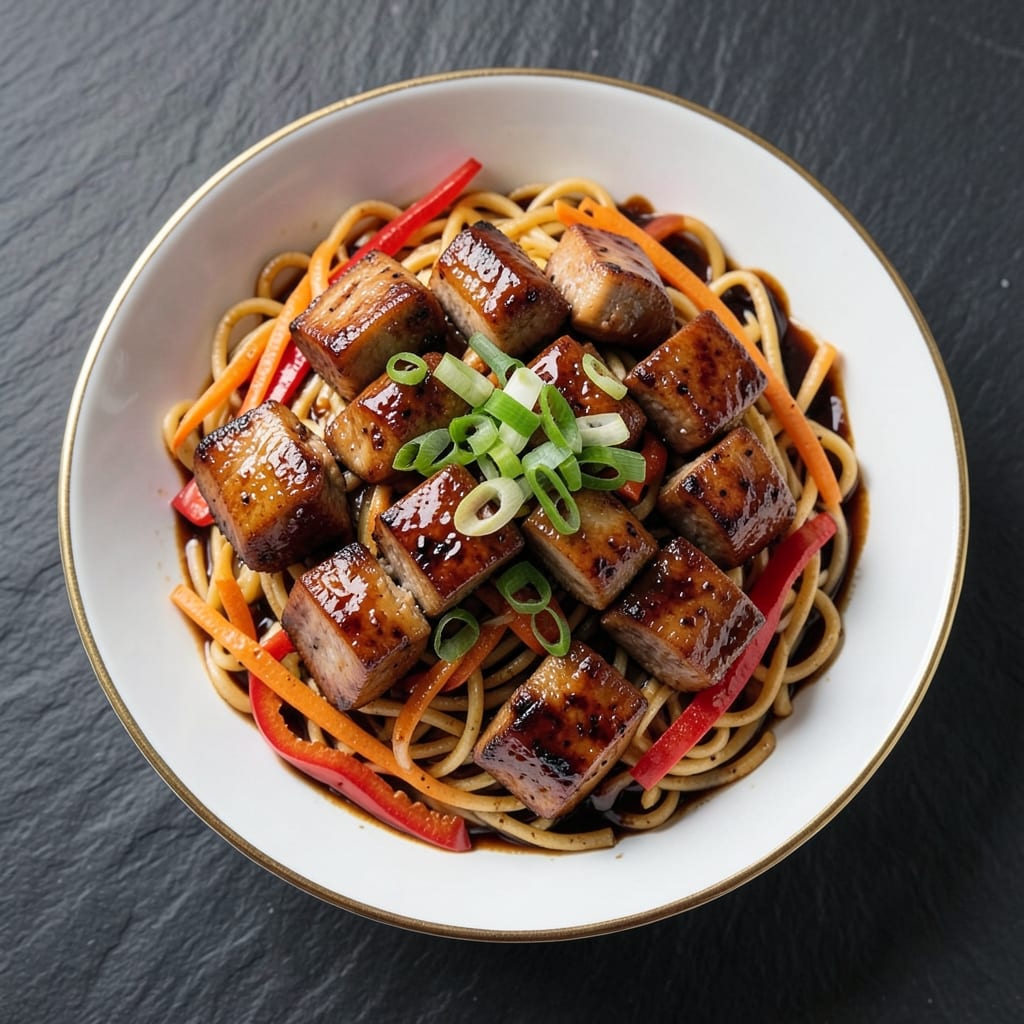
This BBQ pork chow mein recipe merges smoky Southern flavors with crispy Asian stir-fry technique for a dish that's impossible to resist. The secret lies in slow-cooked pork shoulder that falls apart at the touch, then gets tossed with perfectly chewy noodles and a tangy-sweet BBQ sauce that adds depth. I've perfected this fusion over years of testing—balancing the rich, caramelized pork with the bright, fresh crunch of stir-fried vegetables.
The beauty of this recipe is its flexibility—you can grill or braise the pork, depending on your equipment, and adjust the sauce to suit your taste. What makes it special is that crispy texture: the noodles get just enough char from the wok, while the pork maintains its tender, smoky richness. It's the kind of dish that transforms a simple weeknight dinner into something restaurant-worthy without requiring hours in the kitchen.
By the time you're done, you'll have a plate piled high with golden noodles, tender pork, and vibrant vegetables all coated in that sticky-sweet BBQ sauce. The aroma alone will have everyone gathering around the table, and the first bite delivers that perfect balance of smoky, sweet, and savory. This is comfort food with a twist—familiar yet exciting, simple yet impressive.
Serve it with extra green onions and sesame seeds for freshness and crunch, or pair it with a side of steamed dumplings for a full Asian-inspired spread. The best part? Leftovers reheat beautifully, making this the ultimate meal-prep-friendly dish. Let's get cooking!
Ingredients for bbq pork chow mein
Smoky pork, chewy noodles, and vibrant stir-fry veggies—this fusion dish needs just 14 ingredients for big flavor!
| Ingredient | Amount | Notes |
|---|---|---|
| Pork Shoulder 🥩 | 1 ½ lb | Bone-in for flavor, cut into 1-inch cubes |
| Egg Noodles 🍜 | 12 oz | Fresh or dried, chewy variety preferred |
| Carrots 🥕 | 2 medium | julienned into matchsticks |
| Bell Peppers 🌶️ | 2 whole | Red or green, sliced into strips |
| Green Onions 🧅 | 4 whole | White and green parts separated |
| Sesame Oil 🫒 | 1 tbsp | For aroma, not cooking |
| Vegetable Oil 🫒 | 3 tbsp | High smoke point for stir-frying |
| BBQ Sauce 🍅 | ½ cup | Sweet and smoky, store-bought or homemade |
| Soy Sauce 🥢 | 2 tbsp | Light or dark, to taste |
| Garlic Cloves 🧄 | 4 cloves | Minced for sauce |
| Ginger Root 🌿 | 1 tbsp | Freshly grated |
| Sesame Seeds 🌰 | 1 tbsp | Toasted for garnish |
| Salt 🧂 | 1 tsp | Kosher or sea salt |
| Black Pepper 🌶️ | ½ tsp | Freshly ground |
The pork shoulder is where all the magic happens. Look for bone-in cuts at your butcher—they add flavor and moisture. If you can't find bone-in, a pork butt works too. I always grab mine from Costco when I'm making a big batch, but the regular supermarket cuts work perfectly for a weeknight dinner. For extra tenderness, pat it dry before cooking—this helps the meat brown better. The noodles? Fresh egg noodles give that signature chewy texture, but dried noodles work in a pinch if you soak them first. Just don't skip the oil when cooking—dry noodles turn mushy fast.
No sesame oil? Toasted peanut oil gives a similar nutty aroma. The bell peppers can be swapped for broccoli or snap peas if you're in a hurry—just cut them smaller so they cook faster. Fresh ginger? Ground ginger at half the amount works if you're out, but nothing beats the fresh stuff. The BBQ sauce is non-negotiable here—Kansas City-style has that perfect sweet-smoky balance. If you're making your own, start with tomato paste, apple cider vinegar, and a touch of molasses. And trust me, toasted sesame seeds make all the difference for that final crunch.
This dish tastes even better the next day—leftovers reheat beautifully with a splash of water to loosen things up. Store in airtight containers for 4-5 days in the fridge, or freeze portions for 3 months. I always make a double batch because it disappears fast. For meal prep, divide into containers with the sauce on the side so you can reheat just the noodles and pork. Pro tip: Add a little cornstarch to the sauce before tossing if you want that extra glossy finish.
Why You'll Love This Recipe
- One-Pan Magic: I swear by this recipe when I’m too tired to wash dishes. Toss everything—pork, veggies, noodles—into one skillet, and let the smoky-sweet BBQ sauce work its magic. No fancy techniques, just stir, simmer, and serve.
- Smoky-Sweet Bite: That pork shoulder? It’s ridiculously tender after a slow braise, then gets tossed in tangy BBQ sauce until it’s sticky and irresistible. The crunch from the carrots and peppers cuts through the richness—like a perfect balance of comfort and boldness.
- Lunchbox Hero: Pack it cold for work or school—it reheats like a dream. The noodles stay chewy, the pork stays juicy, and the veggies add a satisfying crunch. My kids actually eat their leftovers, which is basically a miracle.
- Budget Win: Pork shoulder is cheap, and this recipe stretches it across multiple meals without sacrificing flavor. Honestly, I’ve made it for date nights, lazy Sundays, and even a potluck—always a crowd-pleaser, always affordable.
Step-by-step instructions for BBQ pork chow mein
Here's how to create that perfect smoky-sweet stir-fry with perfectly crispy noodles and tender pork.
Prep the Pork and Vegetables for Maximum Flavor
Cut the 1.5 lb pork shoulder into 1-inch cubes—this size ensures it cooks through while staying tender. Toss the pork with 1 tbsp soy sauce, ½ tsp black pepper, and ½ tsp salt in a bowl. Let it marinate while you prep the veggies.
Julienne the 2 medium carrots into matchsticks and slice the 2 whole bell peppers into ¼-inch strips. Separate the 4 whole green onions into white and green parts. The white parts will cook with the pork, while the green tops will garnish at the end. Keep everything in separate piles to avoid mixing flavors prematurely.
Cook the Pork Until Tender and Caramelized
Heat 2 tbsp vegetable oil in a large wok or skillet over medium-high heat until shimmering. Add the pork in a single layer and cook undisturbed for 3-4 minutes until golden brown on the bottom. Stir and repeat until all sides are seared—this builds deep flavor.
Once browned, add ½ cup BBQ sauce, 1 tbsp soy sauce, 4 cloves minced garlic, and 1 tbsp freshly grated ginger root. Stir well and let it simmer for 5-6 minutes until the pork is tender and the sauce thickens slightly. Remove from heat and set aside—this step infuses the pork with that signature smoky-sweet taste.
Stir-Fry the Vegetables for Crisp-Tender Perfection
In the same wok, add the remaining 1 tbsp vegetable oil and heat over high heat until smoking. Add the julienned carrots and bell pepper strips, stirring constantly for 2-3 minutes until they soften but still hold their shape. Add the white parts of the green onions and cook for another 1 minute—this keeps the veggies vibrant and crisp.
Here's the trick: Don't overcrowd the pan. If your wok is too full, cook the veggies in batches to ensure they get that perfect wok hei (breath of the wok) flavor. The goal is tender-crisp texture, not mushy vegetables.
Combine Everything for the Ultimate Stir-Fry
Add the cooked pork and its sauce to the wok with the vegetables. Toss everything together for 2-3 minutes until everything is evenly coated and heated through. The noodles will absorb the flavors quickly, so work fast. If the mixture seems dry, add a splash of water or a little more BBQ sauce.
Now for the noodles: Cook the 12 oz egg noodles according to package instructions until al dente (about 2-3 minutes less than package directions). Drain and immediately add them to the wok, tossing vigorously to coat with the pork and vegetable mixture. The residual heat will finish cooking them perfectly.
Finish with Aroma and Garnish for Restaurant-Quality Chow Mein
Turn off the heat and stir in 1 tbsp sesame oil—this adds that nutty aroma that takes the dish to the next level. Taste and adjust seasoning with more soy sauce or BBQ sauce if needed. The dish should be perfectly balanced between sweet, smoky, and umami flavors.
Transfer to serving plates and garnish with the green onion tops and 1 tbsp toasted sesame seeds. Serve immediately while the noodles are still crispy and the pork is juicy. This fusion dish brings together the best of BBQ and stir-fry traditions in one incredible bite!
Pro Tips For Making Bbq Pork Chow Mein
- Blanch Carrots First: Toss your carrots in boiling water for 30 seconds before stir-frying—this softens them faster and keeps them from turning to mush in the wok. I used to skip this and ended up with rubbery bits that ruined the texture. ---
- Dry the Pork Well: Pat the pork shoulder slices thoroughly with paper towels before searing—wet meat steams instead of browning. After a few failed batches where the pork stayed pale, I realized this is the thing that matters most for that smoky crust. ---
- Stir-Fry in Batches: Don’t overload the wok—cook the pork in one layer first, then push it to the sides and add veggies in stages. Crowding the pan makes everything soggy, and no one wants mushy bell peppers in their chow mein. ---
- Save the BBQ Sauce: Reserve 2-3 tablespoons of your BBQ sauce to toss with the noodles at the end—this keeps them from turning gluey. I learned this the hard way when my noodles absorbed all the sauce and turned into a sticky mess.
Flavor customization for this dish
Sweet vs. Smoky
Balance is key with BBQ sauce—start with ½ cup Kansas City-style for that classic sweet-smoky flavor. For a tangier twist, mix in 1 tbsp apple cider vinegar and reduce the sugar slightly. I once used honey instead of sugar in my homemade sauce, and it gave the pork a beautiful caramelized sheen while keeping the sauce lighter. 🌶️
Spicy Kick
Add 1 tbsp gochujang (Korean chili paste) to the BBQ sauce for heat without overpowering the dish. For extra spice, stir in ½ tsp cayenne pepper right before tossing with the noodles. My family loves this version—it’s like a BBQ-sriracha fusion! If you’re sensitive to heat, start with ¼ tsp cayenne and adjust to taste.
Umami Boost
For deeper flavor, add 1 tbsp fish sauce or 1 tsp oyster sauce to the pork marinade. I also love tossing in 1 tbsp fermented black beans (chopped) with the veggies—they add a funky, savory depth that pairs perfectly with the smoky pork. These ingredients are game-changers for that restaurant-quality taste. 💡
Herb Infusions
Fresh herbs elevate this dish instantly. Toss in 1 tbsp chopped cilantro or thai basil at the end for brightness. I once foraged wild dill from my coastal rides and used it—it gave a unique, slightly tangy note that surprised everyone. If you’re using dried herbs, reduce to ½ tbsp and add them earlier in the cooking process.
Nutty Crunch
For texture, stir in 1 tbsp chopped peanuts or toasted cashews at the end. I also love adding ½ tsp ground fennel seeds to the pork marinade—they add a subtle anise-like warmth that complements the BBQ perfectly. These additions turn this dish into a full-flavored experience with every bite. 🌰
Nutrition facts
Frequently asked questions
Can I substitute chicken or beef for the pork in this recipe?
Chicken thighs work beautifully—they stay juicy while absorbing the smoky BBQ flavors. For beef, use 1 lb flank steak sliced thinly against the grain, but reduce cooking time to 2-3 minutes to avoid toughness. The stir-fry technique remains the same, but beef needs more tenderizing—marinate for 1 hour with extra soy sauce and a splash of orange juice to keep it moist.
How do I make the noodles extra crispy like in takeout?
Start with fresh egg noodles (they hold up better than dried). Cook them 2 minutes less than package instructions, then drain and rinse briefly with cold water. Toss with 1 tsp vegetable oil before adding to the wok—this creates a protective layer. For maximum crunch, stir-fry the noodles separately in the wok for 1-2 minutes with a splash of water before combining with the pork mixture.
What's the best way to reheat leftovers without making them soggy?
Spread leftovers in a single layer on a baking sheet and reheat at 350°F for 10-12 minutes until heated through. For microwave reheating, cover with a damp paper towel and heat in 30-second bursts, stirring between each. Add 1 tsp sesame oil and 1 tbsp water to the pan before reheating to restore crispiness. Leftovers keep for 4-5 days in airtight containers.
Can I make this vegetarian or vegan?
Yes! Swap the pork for extra-firm tofu pressed and cubed, or mushrooms (shiitake or portobello) marinated in soy sauce and BBQ sauce. For vegan BBQ sauce, use a store-bought version or make your own with tomato paste, maple syrup, and liquid smoke. Keep the stir-fry technique identical—the key is high heat and quick cooking to maintain texture.
Why does my BBQ pork chow mein taste too sweet?
Start with less BBQ sauce (try ¼ cup instead of ½) and balance with 1 tbsp rice vinegar or apple cider vinegar to cut the sweetness. For depth, add 1 tsp fish sauce or ½ tsp smoked paprika to the pork marinade. Taste as you go—this fusion dish should have a sweet-savory-smoky balance, not just sweet.