
Sauces & Condiments
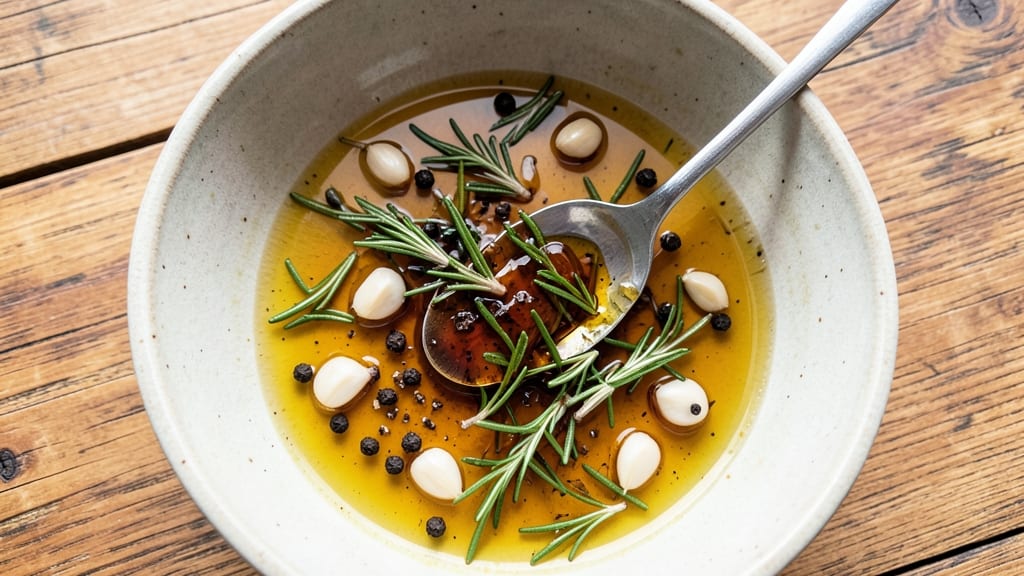
This apple cider vinegar pork marinade transforms tough cuts into melt-in-your-mouth perfection with just a few simple ingredients.
As someone who's spent years perfecting pork techniques at The Smoky Pig, I can tell you this marinade is my go-to for achieving that ideal balance of tender meat with bright, tangy-sweet flavor.
The acidity in apple cider vinegar breaks down muscle fibers while infusing the pork with aromatic garlic, fresh herbs, and just the right amount of sweetness.
What makes this marinade special is its versatility - it works equally well for grilled chops, roasted tenderloin, or even pulled pork. The combination of garlic, rosemary, and black pepper creates a flavor profile that complements all pork cuts beautifully.
I developed this recipe after testing dozens of variations during my time competing on the Southeast BBQ circuit, where tender pork is always the star of the show.
By letting the pork marinate for at least 4 hours (overnight is even better), you'll achieve restaurant-quality tenderness without any complicated techniques. The marinade not only flavors the meat but also helps retain moisture during cooking.
What you'll end up with is pork that's impossibly tender with a perfect balance of sweet, tangy, and savory flavors that'll have everyone asking for seconds.
This marinade keeps well in the refrigerator for up to 5 days, making it perfect for meal prep or when you know you'll be cooking pork soon.
The ingredients are simple - apple cider vinegar, olive oil, honey, garlic, rosemary, black pepper, and a touch of salt - but together they create something truly special. Let's get started with this pork game-changer.
Ingredients for apple cider vinegar pork marinade
Seven simple ingredients transform tough pork into melt-in-your-mouth perfection with tangy-sweet magic.
| Ingredient | Amount | Notes |
|---|---|---|
| Apple Cider Vinegar 🍏 | ½ cup | Raw, unfiltered preferred |
| Extra-Virgin Olive Oil 🫒 | ½ cup | High quality, fruity |
| Honey 🍯 | ¼ cup | Wildflower preferred |
| Garlic Cloves 🧄 | 6 cloves | Freshly minced |
| Fresh Rosemary 🌿 | ¼ cup | Chopped, stems removed |
| Black Peppercorns 🌶️ | 1 tsp | Freshly cracked |
| Kosher Salt 🧂 | 1 ½ tsp | Diamond Crystal preferred |
The apple cider vinegar is the MVP here—raw, unfiltered brands like Bragg have the most flavor. I always grab mine from Whole Foods or the bulk section at Trader Joe's—they keep it fresh and potent. Fresh rosemary makes a huge difference over dried, but if you only have dried, use one-third the amount. The garlic? Freshly minced is non-negotiable—pre-minced loses its punch fast. For the honey, wildflower has more depth than clover, but whatever you've got works. Store your vinegar in a dark bottle to preserve its tang.
No apple cider vinegar? White vinegar or lemon juice in a pinch, but the flavor won't be as complex. Short on rosemary? Fresh thyme or oregano work in a bind. The olive oil should have that peppery kick—California avocado oil is my backup if I'm out of EVOO. Want extra tenderness? Add 1 tbsp Dijon mustard to the mix. This marinade doubles easily, so make extra—it keeps for 5 days in the fridge. The honey will settle, so give it a quick stir before using.
This marinade is a game-changer for pork—4 hours minimum, overnight is ideal. It keeps in the fridge for 5 days, so prep ahead for your next cookout. For best results, use it on pork chops, tenderloin, or even pulled pork. The flavors meld beautifully, so don't rush the marinate time. If you're grilling, pat the pork dry before cooking for that perfect sear. Leftovers? Store in an airtight container with a splash of vinegar to keep it fresh.
Why You'll Love This Recipe
- Five-Ingredient Magic: Honestly, I swear by this mix—just vinegar, oil, honey, garlic, and rosemary. That’s it. No fancy ratios to memorize, no last-minute grocery runs. The acid in the vinegar tenderizes the pork while the honey caramelizes, and the rosemary? It smells like a fall forest in your kitchen.
- Crispy-Tender Every Time: Between us, the garlic and vinegar combo gives the pork that perfect contrast—crispy edges with a juicy, almost melt-in-your-mouth center. I’ll be real: my first attempt was a little too sweet, but now I nail it by letting the marinade sit overnight. Worth the wait.
- Weeknight to Potluck Hero: This marinade works for everything—chopped pork for tacos, grilled chops for Sunday supper, or even stir-fried leftovers. I’ve used it on pork tenderloin, ribs, and even pulled pork sandwiches. Honestly, the only limit is your imagination (and your fridge space).
- Budget-Friendly Leftovers: A little goes a long way, and the flavors only get better the next day. I double the batch, marinate half, and save the rest for next week’s stir-fry. The vinegar and honey stretch thin, so you’re not breaking the bank for flavor. Plus, the rosemary freezes like a dream.
Step-by-step instructions for apple cider vinegar pork marinade
This marinade transforms tough pork into melt-in-your-mouth perfection—simple steps for maximum flavor.
Combine the Wet Ingredients
In a medium mixing bowl, pour in the 0.5 cup apple cider vinegar and 0.5 cup extra-virgin olive oil. I like to use a whisk for this part to emulsify them right away—you'll see the mixture start to blend smoothly after about 30 seconds of vigorous whisking.
Next, add the 0.25 cup honey and stir until fully incorporated. The honey will begin to dissolve immediately, creating a glossy sheen. This combination of vinegar and honey creates the perfect balance of tangy and sweet that tenderizes the pork while adding depth of flavor. Don't worry if it looks slightly separated at first—we'll fix that in the next step.
Add Aromatics and Seasonings
Add the 6 minced garlic cloves and 0.25 cup chopped fresh rosemary to the bowl. Stir well to distribute the herbs evenly throughout the mixture. The rosemary should release its piney aroma almost immediately, filling your kitchen with that fresh herbal scent.
Now it's time for the seasonings: add the 1 teaspoon freshly cracked black peppercorns and 1.5 teaspoons kosher salt. I recommend using a mortar and pestle for the peppercorns to get them as fine as possible—this ensures even distribution in the marinade. Give everything another good stir to combine thoroughly.
Whisk Until Fully Emulsified
Using your whisk again, work the marinade for about 1-2 minutes until it reaches a smooth, creamy consistency. You'll know it's ready when it coats the back of a spoon without separating. This emulsification is crucial—it ensures every bite of your pork gets that perfect balance of flavors.
Here's a pro tip: If you notice any separation after a few minutes, just give it another quick whisk. The acidity in the vinegar and the fat in the olive oil need time to fully bind. The marinade should have a rich, golden color with a glossy sheen—this indicates it's ready to use.
Marinate the Pork for Maximum Tenderization
Place your pork in a resealable plastic bag or glass dish and pour the marinade over it. I like to use a quart-sized bag for this—it gives the pork plenty of room to move around and absorb the marinade evenly. Seal the bag and massage the marinade into the pork for about 1 minute to ensure full coverage.
Refrigerate the pork for at least 4 hours, but I recommend marinating it overnight for best results. The acid in the vinegar works its magic during this time, breaking down the muscle fibers and creating that irresistible tenderness. Just remember to flip the bag occasionally to ensure even coating. For extra flavor, you can even let it marinate for up to 24 hours, though I don't recommend going beyond that.
Cook and Enjoy Your Tender Pork
When you're ready to cook, remove the pork from the marinade and pat it dry with paper towels. This step is important—it helps create a better sear when you cook it. You can grill, roast, or even pan-sear the pork using any method you prefer.
After cooking, you can use the leftover marinade to baste the pork or make a quick glaze by simmering it on the stovetop for 3-5 minutes until slightly reduced. The result will be pork that's incredibly tender with a perfect balance of sweet, tangy, and herby flavors—exactly what you want from a great marinade.
Pro Tips For Making Apple Cider Vinegar Pork Marinade
- MINCE THAT GARLIC: I learned this the hard way—whole garlic cloves in this marinade just sit there like decorative rocks. Crush them into a paste first (smash with the flat side of your knife or pulse briefly in a food processor) so the flavor actually infuses the pork. Your future self will notice the difference.
- LET IT SIT LONGER: This isn’t a 30-minute marinade—give it at least 4 hours, ideally overnight. The acid in the apple cider vinegar needs time to tenderize, and the honey won’t caramelize properly if you rush it. I know, I know, but trust the process.
- DON’T SKIP THE OIL SEAL: The olive oil isn’t just for flavor—it creates a barrier that keeps the pork from drying out while marinating. Make sure the pork is fully submerged in the mixture (flip it halfway through if needed). If it’s sitting dry, the vinegar will toughen the surface instead of tenderizing it.
- STRAIN THE ROSEMARY: Fresh rosemary sprigs are great, but they can make the marinade look like a science experiment gone wrong. After mixing everything, strain the liquid through a fine-mesh sieve to remove the woody bits—it’ll look cleaner, and the marinade will coat the pork more evenly. (Yes, even if you’re impatient like me.)
Flavor customization for these flavors
Sweet Heat Boost
Add 1 tablespoon chili powder and 1 teaspoon smoked paprika to the marinade for a smoky-sweet kick that pairs perfectly with pork. I developed this variation during my time competing in the Southeast BBQ circuit—it became a crowd favorite for pulled pork.
The heat from the chili powder complements the vinegar's tang while the paprika adds that signature smoky depth. 🌶️
Citrus Zing
Brighten up the marinade by adding 2 tablespoons freshly squeezed lemon juice and 1 tablespoon orange zest. This citrus twist works especially well with pork tenderloin or chops.
I first tried this variation when I was testing marinades for a spring menu at The Smoky Pig—it cut through the richness beautifully. The acidity from the citrus enhances the vinegar while adding a refreshing burst of flavor.
Herb Garden Fusion
Swap out the rosemary for 1 tablespoon fresh thyme and 1 tablespoon fresh sage for a more complex herb profile. This combination works wonderfully with pork loin or even pork shoulder.
I often use this variation when I'm making pork for a family gathering—it's always a hit with guests who prefer a more aromatic flavor profile. The thyme adds earthiness while the sage brings a slightly sweet note that balances the vinegar.
Spicy Garlic Infusion
For a bolder garlic flavor, add 2 extra minced garlic cloves and ½ teaspoon cayenne pepper to the marinade. This spicy version is perfect for grilled pork chops or ribs.
I created this variation after testing dozens of marinades on my farm-raised pigs—it became my go-to for any outdoor cooking session. The cayenne adds just enough heat to wake up your taste buds while the extra garlic deepens the savory notes.
Honey-Glazed Finish
Double the honey to ½ cup and add 1 teaspoon ground ginger for a sweet and spicy marinade that works beautifully with roasted pork tenderloin. This variation is inspired by my time in Charleston where sweet and spicy flavors are a staple.
The extra honey creates a natural glaze when cooked, while the ginger adds warmth that complements the vinegar's tang. It's a game-changer for anyone who loves a caramelized finish.
Smoky BBQ Twist
Add 1 tablespoon molasses and ½ teaspoon liquid smoke to the marinade for a smoky BBQ-inspired flavor. This variation is perfect for pulled pork or smoked pork shoulder. I developed this after experimenting with different marinades during my BBQ championship runs—it became my secret weapon for competition cook-offs.
The molasses adds depth while the liquid smoke brings that unmistakable smoky aroma that BBQ lovers crave. ✨
Nutrition facts
Frequently asked questions
Can I use this marinade for all pork cuts?
This marinade works beautifully on most pork cuts, but it's especially ideal for tender cuts like chops, tenderloin, or loin roasts. For tougher cuts like pork shoulder or ribs, marinate for the full 24 hours to maximize tenderness. Avoid fatty cuts like bacon—this marinade is designed for leaner meats where the acidity can work its magic without making the meat mushy.
How do I prevent the pork from becoming too acidic?
The honey in this marinade balances the acidity perfectly, but if you're concerned, reduce the apple cider vinegar to ¼ cup and add 1 extra tablespoon of olive oil. The oil helps protect the meat from absorbing too much acid. Also, never marinate longer than 24 hours—the acidity can start breaking down the meat fibers too much after that point.
What's the best way to store leftover marinade?
Store any unused marinade in an airtight container in the fridge for up to 5 days. If you've used it on raw pork, don't reuse it for cooking (the bacteria risk isn't worth it). For flavor, you can simmer leftover marinade to make a quick glaze—just reduce it by half on the stove for 3-5 minutes until slightly thickened.
Can I make this marinade without honey?
Yes, but you'll lose some of the natural sweetness that balances the vinegar's tang. Replace the honey with 2 tablespoons maple syrup or 1 tablespoon brown sugar dissolved in 1 tablespoon warm water. The marinade will still work, though the flavor profile will be slightly less complex. For a savory version, omit the honey entirely and add 1 teaspoon Worcestershire sauce instead.
Why does my pork turn out dry after marinating?
This usually happens when you don't pat the pork dry before cooking or overcook it. Always pat the pork thoroughly with paper towels before grilling/roasting—this creates a better sear. For best results, use a meat thermometer: 145°F for chops, 150°F for roasts. The marinade helps retain moisture, but proper cooking temperature is key to juicy pork.