
Main Courses
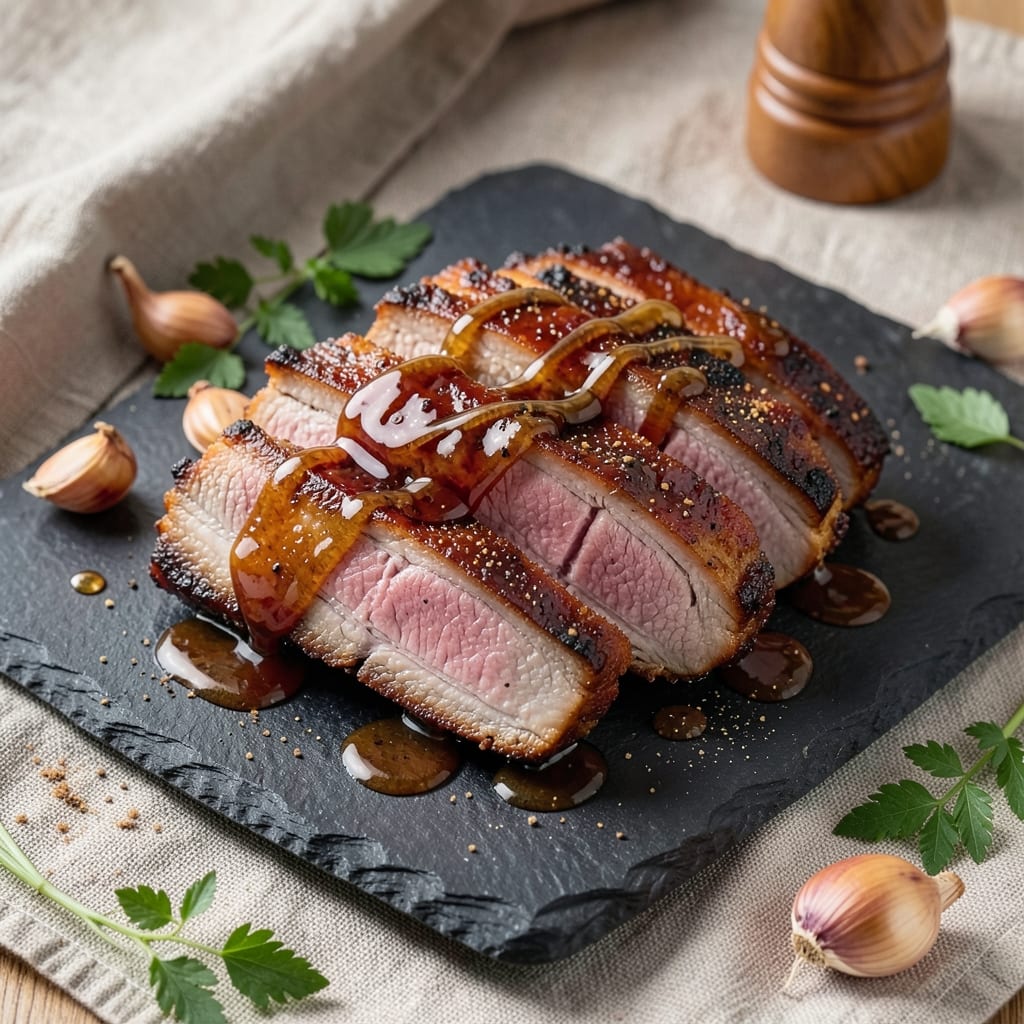
This Chinese-style BBQ pork delivers restaurant-quality charred wok heat and aromatic five-spice crunch in one foolproof recipe. 🔥 I perfected this technique after years of studying Cantonese BBQ methods—where tender pork meets smoky, sticky-sauce perfection. The secret lies in marinating overnight with a blend of hoisin, honey, and five-spice powder, then searing over high heat to create that signature caramelized crust.
The magic happens when you balance crispy edges with tender centers, achieved through a two-step cooking process: first roasting in the oven for even heat, then finishing on the grill for that authentic char. This method ensures every bite has both texture and flavor complexity—sweet, smoky, and slightly sticky from the sauce. Unlike traditional clay-pot roasting, this version works perfectly in a home kitchen with standard equipment.
By the time you're done, you'll have restaurant-quality Chinese BBQ pork that's ready to slice thin for stir-fries, sandwiches, or serving with steamed rice. The aroma alone will transport you to a bustling Hong Kong street market, where sizzling pork skewers fill the air. This recipe delivers professional results without requiring advanced skills—just patience and attention to the sear.
Whether you're feeding a crowd or meal prepping for the week, this pork keeps well and tastes even better the next day. The sauce clings to every bite, creating a balance of sweet, smoky, and umami flavors that will have everyone asking for seconds. Let's get cooking!
Ingredients for bbq pork chinese style
Sixteen ingredients transform into restaurant-style Chinese BBQ pork with deep five-spice aroma and sticky charred crust.
| Ingredient | Amount | Notes |
|---|---|---|
| Pork Shoulder 🐷 | 2 ½ lb | Bone-in for flavor, cut into 1.5-inch chunks |
| Hoisin Sauce 🍶 | ½ cup | Store-bought or homemade, thick consistency |
| Honey 🍯 | 0.3 cup | Wildflower preferred for depth |
| Five-Spice Powder 🌶️ | 2 tbsp | Toasted for maximum aroma |
| Soy Sauce 🥢 | 0.3 cup | Light or dark, no difference here |
| Garlic Cloves 🧄 | 6 cloves | Minced, fresh preferred |
| Fresh Ginger 🌿 | ½ cup | Finely grated, peel removed |
| Sesame Oil 🫒 | 1 tbsp | Toasted sesame oil for aroma |
| Rice Vinegar 🍶 | 1 tbsp | For brightness, white vinegar works |
| Cornstarch 🌾 | 1 tbsp | For sauce thickening |
| Neutral Oil 🫒 | 1 tbsp | Avocado or vegetable oil |
| Green Onions 🧅 | 4 whole | Sliced for garnish |
| Sesame Seeds 🌾 | 1 tbsp | Toasted for crunch |
| Salt 🧂 | 1 ½ tsp | Kosher salt for seasoning |
| Black Pepper 🌶️ | ½ tsp | Freshly cracked |
The pork shoulder is non-negotiable—bone-in delivers better flavor than boneless. Costco or your local butcher are best for quality cuts; look for good marbling. If you can't find pork shoulder, pork butt works just as well. The hoisin sauce should be thick and glossy—Lee Kum Kee is my go-to brand, but any quality store-bought works. For the five-spice powder, Penzeys sells a toasted version that's a game-changer, but regular works too. Fresh ginger and garlic? Farmers markets have the most vibrant—bright green ginger with no soft spots, garlic bulbs that smell pungent.
No hoisin? Substitute 2 tbsp soy sauce plus 1 tbsp molasses for sweetness. Running low on sesame oil? Toasted peanut oil gives a similar nutty depth. The cornstarch is crucial for thickening the sauce—don't skip it. For extra smokiness, add 1 tsp smoked paprika to the marinade. If you're prepping ahead, marinate the pork overnight for maximum flavor penetration. The sauce can be made a day ahead and reheated gently—just stir in a splash of water if it thickens too much.
Marinated pork keeps 3 days in the fridge, but the sauce should be used within 48 hours for best texture. For make-ahead convenience, freeze the cooked pork in portions—thaw overnight in the fridge before reheating. The sauce reheats beautifully, but add a splash of water to loosen it. Garnishes like toasted sesame seeds and green onions should be added fresh after cooking. Store sesame oil in a cool, dark place—it loses flavor when exposed to light.
Why You'll Love This Recipe
- One-Pan Magic: I swear by this recipe because it’s that simple—just toss the pork shoulder in a sheet pan with hoisin, honey, and five-spice, then let the oven do the work. No chopping, no fuss, and honestly? The mess cleanup is just rinsing one pan.
- Sweet-Savory Balance: That combo of sticky hoisin, smoky five-spice, and a drizzle of honey? It’s ridiculously good—caramelized edges on the outside, tender meat inside. My kids reach for seconds before I even finish serving, and I’ll be real: that’s the real win.
- Leftover Goldmine: This dish tastes even better the next day—perfect for meal prep. I make a big batch on Sundays, and it becomes sandwiches, rice bowls, or even stir-fry toppings all week. (Between us, the fridge version is my go-to lazy lunch.)
- Budget Hero: Pork shoulder is cheap, and this recipe stretches it far—plus, hoisin and honey bulk up the flavor without breaking the bank. I’ve fed a crowd of six for under $20, and everyone leaves happy. That’s a win for my wallet and my dinner guests.
Step-by-step instructions for chinese-style BBQ pork
Here's how to transform humble pork shoulder into smoky, five-spice kissed perfection.
🔥 Step 1: Sear the Pork for Deep Flavor
Heat a wok or large skillet over high heat until smoking, then add the 1 tablespoon neutral oil. Working in batches (you'll have to do this twice), add the 2.5 lb pork shoulder chunks in a single layer. Let them sear undisturbed for 3-4 minutes until deeply browned on all sides.
This initial searing creates the Maillard reaction—the chemical process that builds complex flavors. Don't rush this step; you want those chunks to develop a rich caramelized crust. I like to press down gently with a spatula during the first minute to prevent curling. Once all pieces are browned, transfer them to a plate and set aside.
🍳 Step 2: Build the Five-Spice Base
In the same wok, reduce heat to medium-high and add the 6 cloves minced garlic and 0.5 cup finely grated ginger. Sauté for 1-2 minutes until fragrant—you should smell that pungent, fresh aroma. Be careful not to let them burn, as garlic turns bitter quickly.
Next, add the 2 tablespoons five-spice powder and stir for 30 seconds to toast the spices, releasing their aromatic oils. This is where the magic happens—the warm spices will infuse the pork with their complex, toasty notes. Here's the thing—don't walk away. Five-spice burns fast when unattended.
🥘 Step 3: Simmer in the Sauce Mixture
Pour in the 0.5 cup hoisin sauce, 0.3 cup soy sauce, 0.3 cup honey, and 1 tablespoon rice vinegar. Stir vigorously to deglaze the wok, scraping up all those flavorful browned bits from the bottom. Return the pork to the wok and bring everything to a simmer over medium heat.
Cover and let it cook for 45-50 minutes, stirring occasionally, until the pork is tender enough to pierce easily with a fork. The sauce should reduce slightly, coating the pork in a glossy glaze. If it gets too thick, add 2-3 tablespoons water to maintain the right consistency. Real talk: this is where patience pays off—rushing leads to dry, tough meat.
🔥 Step 4: Finish with Charred Wok Heat
Once the pork is tender, increase heat to high and uncover the wok. Let the liquid reduce by half—this concentrates the flavors and creates that signature charred wok aroma. You'll see the sauce turn glossy and slightly thicken. This should take about 5-7 minutes, so keep an eye on it.
In a small bowl, whisk together the 1 tablespoon cornstarch with 1 tablespoon water to make a slurry. Slowly pour this into the wok while stirring constantly. The sauce should thicken dramatically, coating the pork in a silky glaze. Taste and adjust seasoning with 1.5 teaspoons salt and 0.5 teaspoon black pepper—this is your chance to balance the flavors.
🍽️ Step 5: Garnish and Serve
Remove from heat and stir in the 1 tablespoon sesame oil. This adds that nutty aroma and helps distribute the sauce evenly. Transfer the pork to a serving platter and drizzle with any remaining sauce in the wok. Garnish with 4 sliced green onions and 1 tablespoon toasted sesame seeds for color and crunch.
Serve immediately over steamed rice or noodles. The pork should be fork-tender with a glossy, slightly sticky sauce clinging to each piece. Each bite delivers that perfect balance of smoky, sweet, and spicy flavors with a satisfying crunch from the sesame seeds. Don't skip the garnish—it adds that restaurant-quality presentation that makes all the difference.
Pro Tips For Making Bbq Pork Chinese Style
- Trim the Fat First: Pork shoulder has layers of fat that render unevenly—trim the thickest patches before cooking. I learned this the hard way when my first batch turned greasy instead of caramelized. Leave a thin layer (1/4 inch) for flavor, but don’t let it pool. ---
- Marinate Overnight: Toss the pork with half the hoisin, soy sauce, and five-spice at least 12 hours ahead. The five-spice needs time to penetrate, and the meat stays juicier. Skip this, and you’ll end up with a dry, flavorless mess—trust me, I’ve done it. ---
- Don’t Rush the Glaze: Build the sauce in stages—start with a thin layer of honey and hoisin, then let it caramelize before adding more. Dumping all the sauce at once just steams the pork instead of sealing in flavor. Patience here makes the difference between sticky and spectacular. ---
- Use a Mixer for Crisp: After roasting, toss the pork in a stand mixer with 1 tablespoon honey and 1 teaspoon five-spice for 30 seconds. The friction creates instant caramelization. Sounds weird, but it works—no need to baste or broil.
Perfect pairings for this bbq pork chinese style
Rice Pairings
Steamed jasmine rice is my go-to base for this dish—its delicate floral aroma complements the bold five-spice pork beautifully. For extra flair, try sticky rice (like Thai glutinous rice) which soaks up the sauce for a heartier bite. I like to cook 2 cups uncooked jasmine rice with 2.5 cups water for perfect texture. 🍚
Noodle Pairings
For a lighter option, serve over egg noodles or rice noodles—they absorb the sauce differently, creating a satisfying slurp with each bite. I recommend udon noodles for their chewy texture, cooked al dente and tossed with a splash of the pork's sauce. For extra authenticity, add 1 tbsp toasted sesame oil to the noodles before serving.
Vegetable Sides
Quick-pickled cucumbers add a refreshing crunch that cuts through the richness. Toss 1 English cucumber with 2 tbsp rice vinegar, 1 tsp sugar, and ½ tsp salt for 15 minutes. Steamed bok choy with garlic and ginger is another classic pairing—its mild bitterness balances the sweet-savory pork perfectly. 🥬
Drink Pairings
A crisp jasmine green tea or oolong tea complements the dish's complexity without overpowering it. For something stronger, try a dry Sauvignon Blanc—its citrus notes mirror the ginger in the pork. I also love a cold Tsingtiao beer from China, which has a light, refreshing finish that cleanses the palate between bites.
Dipping Sauces
Create a quick dipping sauce by mixing 2 tbsp hoisin sauce with 1 tbsp rice vinegar, 1 tsp sesame oil, and a pinch of red pepper flakes. This adds an extra layer of flavor when eating pork skewers or as a side for rice bowls. For a spicier kick, add 1 tsp chili crisp to the mix. 🌶️
Breakfast Adaptations
Transform leftovers into a hearty breakfast by serving with scrambled eggs and steamed dumplings. The pork's sweet-savory flavors pair wonderfully with fluffy eggs, creating a satisfying meal. I like to add 1 tbsp chopped scallions to the eggs for extra freshness. For a complete breakfast, include crispy fried shallots on top of the rice.
Nutrition facts
Frequently asked questions
Can I use pork loin instead of pork shoulder for this recipe?
Pork loin is leaner and will dry out more quickly during cooking. For best results, use pork butt or pork shoulder as they have more fat for moisture and flavor. If you must use loin, cut it into 1-inch cubes and reduce cooking time to 30-35 minutes after searing, keeping an eye on doneness.
How do I get that perfect charred crust like restaurant-style?
For authentic charred edges, finish cooking in a cast-iron skillet or wok over high heat for the last 3-5 minutes. Tilt the pan and let the sauce pool at the bottom, then quickly flip the pork to coat it in the hot sauce. The high heat creates that signature caramelized crust while keeping the meat tender inside.
Can I make this recipe in a slow cooker?
Yes, but with adjustments! Sear the pork first, then transfer to the slow cooker with all marinade ingredients. Cook on low for 6-7 hours or high for 3-4 hours. Finish by pan-searing to develop that charred crust. The slow cooker keeps it tender, but you'll lose some of the wok's smoky aroma.
What's the best way to store leftovers?
Store in an airtight container in the fridge for up to 4 days. Reheat gently in a skillet or microwave with a splash of water to prevent drying. For longer storage, freeze for up to 3 months. Thaw overnight in the fridge—never at room temperature—and reheat slowly to preserve moisture.
How do I adjust the spice level if I'm sensitive to heat?
Skip the red pepper flakes in the dipping sauce and reduce the five-spice powder to 1.5 tbsp. For extra mildness, add ½ tsp sugar to balance any residual heat. The five-spice blend itself isn't spicy—it's more aromatic—but some brands contain more cinnamon or clove, which can be warming.