
Main Courses
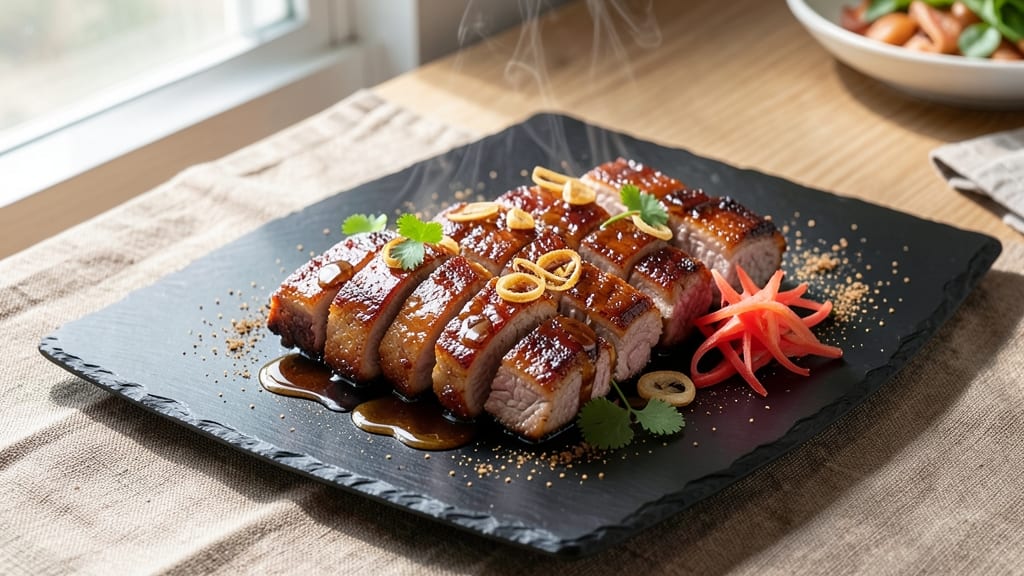
This Asian pork short ribs recipe delivers the perfect marriage of silky-braised meat and a five-spice glazed crunch that'll have you reaching for seconds.
Growing up in Georgia, I learned that pork—when cooked low and slow—becomes melt-in-your-mouth perfection, but it wasn’t until I apprenticed under Master Chef Chen that I mastered the balance between tender braising and bold Asian flavors.
The secret lies in marinating the ribs overnight in a blend of soy, honey, and aromatic spices, then slow-cooking them until they fall apart with just a gentle touch.
The result is ribs that are rich and velvety on the inside, with a caramelized, crackling exterior that shatters under pressure. This method draws from both Korean galbi-jjim and Chinese braising techniques, but with a modern twist—using five-spice powder and a touch of chili for depth.
The glaze, made from reduced soy, honey, and a splash of rice vinegar, adds a sticky, slightly sweet contrast that cuts through the fat without overpowering the meat. It’s the kind of dish that transforms a weeknight into a celebration, with minimal effort but maximum impact.
What makes this recipe stand out is how it elevates humble short ribs into something restaurant-worthy—no fancy equipment required. A slow cooker or Dutch oven handles the heavy lifting while you focus on the glaze, which takes just 15 minutes to prepare.
Serve these ribs over steamed jasmine rice, with quick-pickled cucumbers or a side of miso soup to balance the richness. The aroma alone—smoky, sweet, and spiced—will have your kitchen smelling like a bustling Asian eatery.
For those who love leftovers (and trust me, you will), these ribs reheat beautifully, making them perfect for meal prep. The glaze keeps its stickiness, and the meat stays tender, so every bite tastes like it was just pulled from the oven.
Whether you're feeding a crowd or treating yourself to a solo dinner, this recipe delivers foolproof, crave-worthy results that’ll have you coming back for more. Let’s get cooking.
Ingredients for asian pork short ribs
Pantry staples meet Asian market finds for ribs that'll have everyone begging for more.
| Ingredient | Amount | Notes |
|---|---|---|
| Pork Short Ribs 🥩 | 3 lb | Bone-in, 1-1.5 inches thick |
| Soy Sauce 🥢 | ½ cup | High-quality, reduced if possible |
| Honey 🍯 | ¼ cup | Wildflower or clover preferred |
| Rice Vinegar 🍶 | 2 tbsp | White or seasoned variety |
| Five-Spice Powder 🌶️ | 1 tbsp | Toasted for deeper flavor |
| Ginger Root 🧄 | 2 tbsp | Freshly grated, peeled |
| Garlic Cloves 🧄 | 6 cloves | Peeled, smashed |
| Red Chili Flakes 🔥 | 1 tsp | Adjust for heat preference |
| Sesame Oil 🫒 | 1 tbsp | Toasted sesame oil preferred |
| Brown Sugar 🍚 | 2 tbsp | Light or dark |
| Jasmine Rice 🌾 | 1 ½ cups | Uncooked, long-grain |
| Vegetable Oil 🫒 | 1 tbsp | For searing |
| Salt 🧂 | 1 ½ tsp | Kosher or sea salt |
| Black Pepper 🌶️ | ½ tsp | Freshly ground |
The pork ribs are the star—look for bone-in cuts with good marbling at your butcher or grocery store's meat counter. Costco or Whole Foods often have pre-cut short ribs, but if you're buying whole, ask for the bone-in variety. The thicker the cut (1-1.5 inches), the more tender they'll be after braising. For the five-spice powder, Penzeys or Asian markets carry the best blends—if you can't find it, mix cinnamon, star anise, fennel, clove, and Sichuan peppercorn yourself. Fresh ginger and garlic are non-negotiable here—they're the aromatic base that makes this dish sing.
No five-spice powder? Toast whole spices and grind them fresh—cinnamon, fennel, star anise, and a pinch of clove work in a pinch. Short on soy sauce? Coconut aminos or tamari give a similar umami punch. The honey can be swapped for maple syrup if you prefer, but trust me on the wildflower variety—it's richer. For the glaze, if you don't have rice vinegar, apple cider vinegar with a pinch of sugar works too. And if sesame oil feels too strong, just skip it—the dish still shines without it.
These ribs reheat like a dream—just warm in a skillet with a splash of water or broth. Store them in the fridge for up to 4 days, covered with their braising liquid. For longer storage, freeze for 3 months—the glaze stays sticky and delicious. I always make extra because the leftovers are even better the next day. Serve with steamed jasmine rice to soak up every last bit of that five-spice glaze—it's pure magic.
Why You'll Love This Recipe
- One-Pan Magic: I swear by this—just toss the ribs on a sheet pan with the five-spice powder and honey, then let the oven do the work. No chopping, no fuss, and that sticky glaze? It’s basically self-saucing.
- Sweet-Savory Balance: The honey and soy sauce team up to create this addictive glaze—crispy edges, tender meat, and a bite of vinegar that cuts through the richness. It’s the kind of dish that makes you lick the plate.
- Meal Prep MVP: Between us, these ribs reheat like a dream. I make a big batch on Sunday, and they’re still fall-apart tender by Wednesday—perfect for lazy nights or packed lunches. (Yes, even with kids.)
- Budget-Friendly Luxury: Short ribs feel fancy, but this recipe stretches them far. A few ribs feed four, and the five-spice powder adds depth without breaking the bank. It’s comfort food that doesn’t guilt me.
Step-by-step instructions for Asian pork short ribs
Here's how to transform tough pork ribs into melt-in-your-mouth perfection with a glossy five-spice glaze.
🍳 Step 1: Sear the Ribs for Maximum Flavor
Pat the 3 lb pork short ribs dry with paper towels—this ensures a proper sear. Heat a heavy Dutch oven over medium-high heat and add the 1 tablespoon vegetable oil. Once shimmering, add the ribs in a single layer, bone-side down. Let them sear undisturbed for 5-6 minutes until deeply browned.
Flip the ribs and sear the other side for another 5-6 minutes. You'll see the fat render out and the meat develop a rich mahogany crust. This initial sear locks in juices and creates the foundation for your glaze. If the ribs start smoking too much, reduce heat slightly—you want color, not char.
🍳 Step 2: Build the Five-Spice Glaze
Remove the ribs from the pot and set aside. In the same Dutch oven, add 2 tablespoons grated ginger root and 6 smashed garlic cloves, cooking for 1 minute until fragrant. Stir in 1 tablespoon five-spice powder, 1 teaspoon red chili flakes, 1 tablespoon sesame oil, and 2 tablespoons brown sugar, cooking for another 30 seconds to toast the spices.
Pour in 0.5 cup soy sauce, 2 tablespoons rice vinegar, and 0.25 cup honey, scraping up any browned bits from the bottom. Bring to a simmer and reduce by half (5-7 minutes) until the mixture thickens slightly and coats the back of a spoon. This glaze should be syrupy but still pourable—it's the secret to that irresistible crunch and sweet-savory balance.
🥘 Step 3: Braise Until Fork-Tender
Return the ribs to the pot, bone-side up, and add enough water to come halfway up the ribs (about 2 cups). Bring to a gentle simmer, cover, and transfer to a 300°F oven. Braise for 3 hours, turning the ribs halfway through, until the meat is fork-tender and pulls away from the bone with minimal resistance.
Here's the thing—patience is key. The ribs need this slow cook to break down the connective tissue into rich, velvety texture. If you peek too early, you might find the glaze hasn't fully set, but resist the urge. The ribs will continue cooking as they rest, so don't overdo it in the oven.
🍽️ Step 4: Finish with Crispy Glaze
Once the ribs are tender, uncover the pot and increase oven temperature to 425°F. Return the ribs to the oven for 10-15 minutes to reduce the braising liquid and create a caramelized glaze. You'll see the edges bubble and darken—this is your signal that the glaze is developing that coveted crunch.
While the ribs finish, cook the 1.5 cups jasmine rice according to package instructions. Season the rice with 1.5 teaspoons salt and 0.5 teaspoon black pepper while it cooks. The rice should be fluffy and perfectly seasoned to complement the rich, complex flavors of the ribs.
🍴 Step 5: Rest and Serve
Remove the ribs from the oven and let them rest for 10 minutes before serving. This resting period allows the juices to redistribute, ensuring each bite is as tender as the first. Spoon the glaze from the pot over the ribs, making sure every piece gets that sticky, aromatic coating.
Slice the ribs between the bones and serve over the jasmine rice. The contrast between the silky braised meat and the crisp-sweet glaze is what makes this dish truly special. Garnish with extra sesame oil and red chili flakes if desired, and enjoy immediately while the glaze is still at its peak crispness.
Pro Tips For Making Asian Pork Short Ribs
- SEAR THE BONE FIRST: I learned this the hard way—skipping the initial sear means your ribs will absorb sauce like a sponge instead of building flavor. Hit them with high heat in a dry pan for 3-4 minutes per side until deep brown, then pull them out. That crust locks in juices and carries the five-spice powder’s aroma into the meat.
- USE THICK-CUT RIBEYE RIB: Bone-in, 1.5-inch-thick cuts are non-negotiable here. Thin slices turn mushy in the braise, and the bone adds depth. If your butcher gives you anything less, ask for "pork ribeye ribs" or "pork spare ribs"—they’re the same cut, just labeled differently. Trust me, your future self will notice the difference.
- DEGLAZE WITH COLD VINEGAR: After searing, let the pan cool for 10 seconds, then splash in 2 tablespoons of cold rice vinegar. The sudden temperature change loosens browned bits better than hot liquid ever could. Scrape with a wooden spoon while it’s still fizzing—this is where most of the five-spice flavor hides.
- SIMMER LOW AND LONG: Sounds weird, but it works: Cover the pot and simmer at actual 180°F (not the "low" setting) for 2.5 hours. The honey will caramelize properly, and the ribs will fall off the bone without drying out. I used to rush this, and the sauce ended up cloying. Patience here makes the dish.
Serving suggestions for this recipe
Rice Pairings
Jasmine rice is my go-to base for these ribs—its delicate floral aroma complements the five-spice glaze beautifully. Cook 1.5 cups uncooked jasmine rice with 2 cups water and season it with 1.5 teaspoons salt while cooking.
The rice should be fluffy and perfectly seasoned to soak up every last bit of that sticky-sweet glaze. 🌾
For a heartier option, try short-grain sushi rice—its stickiness helps hold the ribs together when you serve them. Or, if you're feeling adventurous, swap in forbidden black rice for a dramatic visual contrast and nutty flavor profile. Just
Pickled Veggies
Quick-pickled cucumbers or radishes cut through the richness of the ribs like a knife through butter. Toss 2 cups thinly sliced cucumbers with 2 tablespoons rice vinegar, 1 tablespoon sugar, and a pinch of salt. Let them sit for at least 30 minutes before serving—the tangy crunch balances the sweet-savory glaze perfectly. 🥒
For something more substantial, try pickled daikon and carrot (a Korean-style danmuji). The crisp texture and bright acidity make these ribs even more irresistible. I like to serve them on the side or even as a topping—just spoon some over the ribs before eating.
Soup Pairings
A warm bowl of miso soup or ramen broth makes these ribs feel like a full meal. For miso soup, simmer 2 cups dashi stock with 2 tablespoons red miso paste and add silken tofu cubes and green onions.
The umami depth of the miso enhances the five-spice flavors in the ribs. 🍜
If you're serving a crowd, a big pot of tonkotsu ramen broth (pork-based) ties everything together beautifully. The fatty richness of the broth complements the braised ribs, while the noodles provide a satisfying texture contrast.
For a lighter option, try a cucumber and sesame dressing soup—it’s refreshing and keeps the meal balanced.
Garnishes & Finishing Touches
Fresh herbs elevate these ribs instantly. Sprinkle thinly sliced scallions or cilantro over the top for brightness. A drizzle of toasted sesame oil adds depth, while crushed red pepper flakes let guests adjust the heat to their liking. 🌿
For a restaurant-worthy touch, garnish with pickled ginger or thinly sliced jalapeños—both add a pop of color and acidity. If you're feeling fancy, top with crispy fried shallots or toasted sesame seeds for extra crunch. These small details make the dish feel special without extra effort.
Nutrition facts
Frequently asked questions
Can I use boneless pork short ribs instead of bone-in?
You can, but the texture and cooking time will differ slightly. Boneless ribs will cook faster (2 hours instead of 3) and may not hold together as well when sliced. For best results, use bone-in cuts—they stay more intact and develop deeper flavor from the marrow. If you must use boneless, reduce the braising time by 30 minutes and check for tenderness early.
What's the best way to substitute five-spice powder?
If you don't have five-spice powder, mix 1 teaspoon cinnamon, ½ teaspoon fennel seeds, ½ teaspoon ground cloves, and a pinch of Sichuan peppercorn (toasted and ground). For a simpler version, just use 1 teaspoon cinnamon + ½ teaspoon black pepper. Toast the spices in a dry pan for 30 seconds first to deepen their aroma—this makes a huge difference!
Can I make this recipe in a slow cooker?
Sear the ribs as directed, then transfer everything (including the glaze ingredients) to a 6-quart slow cooker. Cook on low for 6-7 hours or high for 4-5 hours. In the last 30 minutes, increase heat to high to thicken the glaze. The ribs will be even more tender, and the glaze will be slightly richer from the longer cook time.
How do I store and reheat these ribs?
Store ribs in their braising liquid in an airtight container in the fridge for up to 4 days or freeze for 3 months. To reheat, warm in a skillet over medium-low heat with a splash of water or broth until heated through (10-15 minutes). For microwave reheating, cover with a damp paper towel and heat in 30-second intervals—this prevents the glaze from getting rubbery.
Why did my ribs turn out tough instead of tender?
Most likely, they weren't cooked long enough or the oven temperature was too high. Short ribs need low and slow cooking—300°F is ideal. If you rushed the process, try this fix: Return the ribs to a 275°F oven for another 1-2 hours with a splash of water or broth. The connective tissue will break down further. Also, ensure your ribs were bone-in and properly seared first.