Main Courses
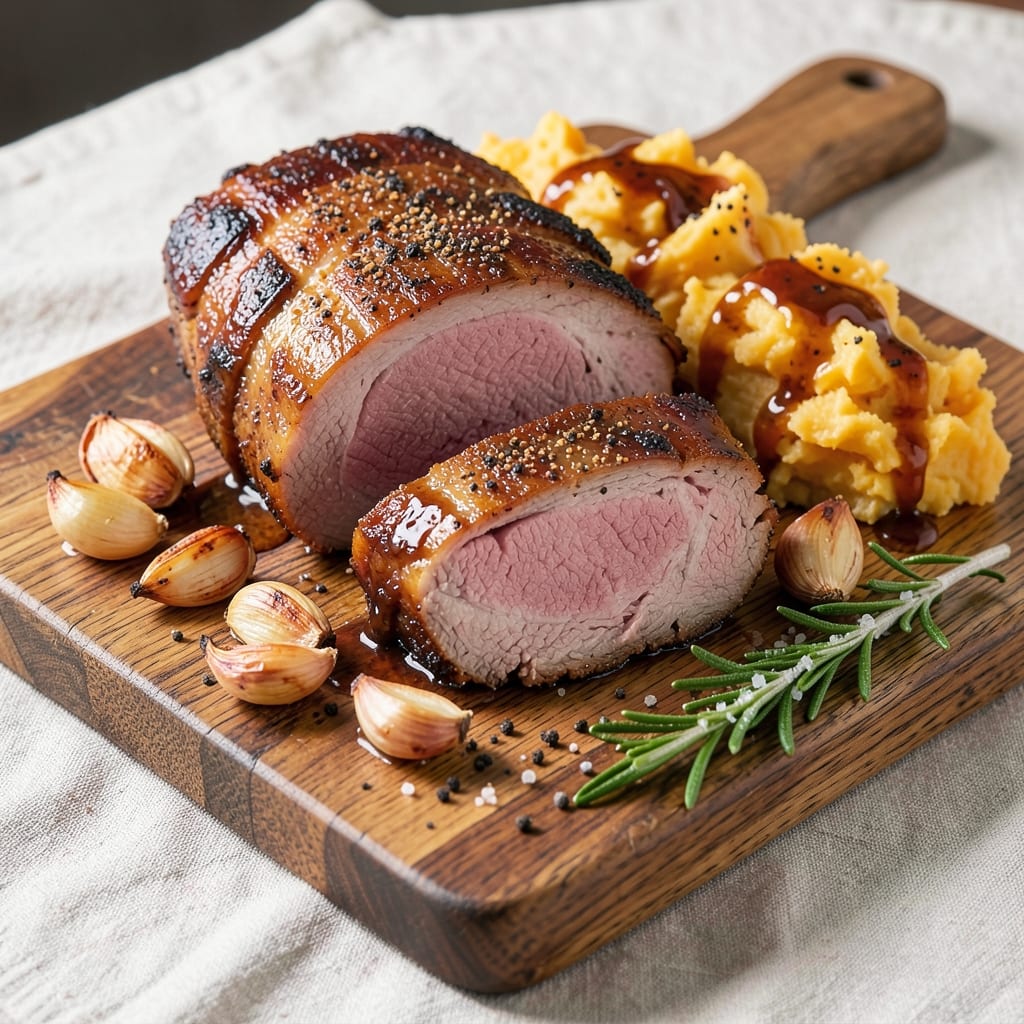
This BBQ boneless pork sirloin roast delivers the perfect marriage of smoky crust and melt-in-your-mouth tenderness—exactly what you crave when you fire up the grill. 🔥 As someone who grew up with slow-cooked ribs, I know the secret lies in precise temperature control and a well-balanced rub that doesn't overpower the natural sweetness of the pork. What makes this recipe stand out is how it transforms a simple cut into something restaurant-worthy with just a few key techniques.
The foundation starts with a 325°F oven—low and slow enough to render fat and develop deep flavor without drying out the meat. A blend of paprika, brown sugar, and smoked salt creates that signature bark, while a final brush of BBQ sauce in the last 15 minutes ensures a glossy, caramelized finish. The beauty of this method is its adaptability: whether you're feeding a crowd or prepping for meal prep, the same principles apply.
By the time you pull it from the oven, you'll have a roast with a crispy, smokehouse-infused crust that shatters at the touch and a juicy core that practically falls apart. The aroma alone will have everyone gathering around the table, and the first bite? That's when the magic happens—tender, flavorful meat that's impossible to resist. This is the kind of dish that turns a casual dinner into a memorable feast.
Pair it with classic sides like tangy coleslaw or grilled vegetables to round out the meal. The leftovers reheat beautifully too, making this a perfect recipe for busy weeks. Let's get cooking—your taste buds will thank you.
Ingredients for bbq boneless pork sirloin roast
Six ingredients transform simple pork into restaurant-worthy BBQ magic—smoky, juicy, and impossible to resist.
| Ingredient | Amount | Notes |
|---|---|---|
| Boneless Pork Sirloin Roast 🍖 | 4 lb | Center-cut for even cooking |
| Smoked Paprika 🌶️ | 2 tbsp | For deep smoky flavor |
| Brown Sugar 🍚 | 2 tbsp | Lightly packed for sweetness |
| Smoked Salt 🧂 | 1 ½ tsp | Diamond Crystal preferred |
| Ground Black Pepper 🌶️ | 1 tsp | Freshly cracked for bite |
| Garlic Powder 🧄 | 1 tsp | Not garlic salt |
| Onion Powder 🧅 | 1 tsp | For depth of flavor |
| Olive Oil 🫒 | 2 tbsp | Extra-virgin for richness |
| BBQ Sauce 🍅 | ½ cup | Store-bought or homemade |
| Fresh Rosemary 🌿 | 1 sprig | For aromatic finish |
| Fresh Thyme 🌿 | 1 sprig | Leaves only, chopped |
| Apple Cider Vinegar 🍎 | 1 tbsp | For tangy brightness |
The pork cut matters most—boneless sirloin roast stays juicy while the outer edges crisp beautifully. Grab the center-cut piece from Costco or your local butcher shop—it's leaner and more flavorful than the outer cuts. If you're prepping for a crowd, buy 6-8 lbs total to account for trimming. Look for good marbling (those little white fat streaks) for extra tenderness. Trader Joe's often has great pre-cut roasts at a good price, but if you're buying whole, ask for it to be trimmed and tied with butcher's twine (or use kitchen twine yourself).
No smoked paprika? Regular paprika plus a pinch of liquid smoke works in a pinch, but it won't be quite the same. The brown sugar can be swapped for coconut sugar or white sugar—just know it'll caramelize slightly differently. Fresh herbs wilt fast, so dried rosemary and thyme at half the amount are fine if you're prepping ahead. The BBQ sauce is just for finishing—any good store-bought brand works, but if you're feeling fancy, make your own with tomato paste, vinegar, and spices. And trust me on the apple cider vinegar—it cuts through the richness beautifully.
This roast reheats like a dream—350°F for 15-20 minutes with a splash of water or BBQ sauce keeps it moist. Wrap leftovers tightly in foil and store for 4 days in the fridge, or freeze for 3 months. I always make a double batch because the second day is even better—everyone wants seconds. For meal prep, slice against the grain and portion into containers with some extra sauce. The crust gets crispier each time you reheat, so embrace it!
Why You'll Love This Recipe
- Minimal Ingredient Chaos: I swear by this recipe because it’s five things max—no confusing spice blends or obscure herbs. That smoky paprika and brown sugar combo? It’s the secret to turning a simple roast into something that tastes like it simmered all day.
- Crispy-Caramel Magic: The smoked salt and black pepper give it this addictive crust, while the brown sugar melts into a sticky, caramelized glaze. Honestly, the first time I tried it, I nearly licked the pan—that good.
- Weeknight Superhero: Between us, this is my go-to when I’m too tired to think. Toss the pork in the mix, pop it in the oven, and by the time I’ve set the table, it’s done. (Yes, even on a Tuesday night.)
- Leftovers That Don’t Suck: Unlike some roasts that turn dry, this stays juicy and flavorful for days. I’ll slice it thin for tacos, chop it into sandwiches, or just reheat a portion straight from the fridge—zero complaints.
Step-by-step instructions for BBQ boneless pork sirloin roast
Here's how to achieve that perfect balance of smoky crust and melt-in-your-mouth tenderness.
👨🍳 Step 1: Prep and Season the Pork for Maximum Flavor
Start by patting the 4 lb boneless pork sirloin roast completely dry with paper towels—this is crucial for that crispy bark we're after. I like to work in stages: first rub the meat with 2 tablespoons olive oil all over, then sprinkle the 2 tablespoons brown sugar evenly. The sugar will caramelize beautifully during cooking.
Next, create your dry rub by mixing 2 tablespoons smoked paprika, 1.5 teaspoons smoked salt, 1 teaspoon garlic powder, 1 teaspoon onion powder, and 1 teaspoon ground black pepper in a small bowl. Press this mixture firmly into the pork on all sides, including the cut edges. I use my fingers for this—it helps the spices stick better than just sprinkling. Let the seasoned roast sit at room temperature for 30 minutes while you prep everything else.
🔥 Step 2: Sear the Roast for Deep Flavor
Heat a heavy oven-safe skillet (like cast iron) over medium-high heat until it's smoking hot. Add the pork roast and sear it on all sides for 3-4 minutes per side until you get beautiful golden brown crust. Don't rush this—you want that Maillard reaction happening. If the sugar starts to burn before the meat browns, reduce the heat slightly.
Here's the thing—this searing step isn't just about flavor. It creates a flavorful crust that will help protect the meat during the long cook. After searing, transfer the roast to a cutting board and let it rest for 5 minutes before moving it to the oven. This resting period helps the spices adhere better and prevents them from falling off during transfer.
🍳 Step 3: Slow Roast with Herbs and Vinegar
Preheat your oven to 300°F. Place the seared roast in a roasting pan and surround it with the 1 sprig fresh rosemary and 1 sprig fresh thyme (just the leaves, chopped). Pour 1 tablespoon apple cider vinegar into the bottom of the pan—this adds brightness and helps tenderize the meat as it cooks. Roast for 3 hours uncovered, then tent loosely with foil and continue roasting for another 1-2 hours until the internal temperature reaches 195-200°F.
I check the temperature using a meat thermometer inserted into the thickest part of the roast. The meat should be fork-tender but not falling apart. If you're worried about drying out, don't be—the slow cook and the vinegar help keep it moist. The roast should have a deep, rich color and those beautiful caramelized sugar spots from your sear.
🥘 Step 4: Glaze with BBQ Sauce for Extra Shine
When the roast reaches the proper temperature, remove it from the oven and increase the heat to 425°F. Spread ½ cup BBQ sauce evenly over the top of the roast, making sure to get it into any crevices. Return it to the oven for 10-15 minutes to caramelize the sauce and create that glossy finish we all love.
Watch it closely during this final step—the sauce can burn quickly. You'll know it's done when the sauce is bubbling and has turned a deep, rich color. The aroma alone will make your kitchen smell like a smokehouse. Let the roast rest for 15 minutes before slicing—this resting period is crucial for keeping all those juices inside the meat.
🔪 Step 5: Slice and Serve with Confidence
Use a sharp carving knife to slice the roast against the grain into ½-inch thick slices. The meat should be incredibly tender, pulling apart easily with just a gentle tug. Serve immediately with the pan juices spooned over the top—those flavorful liquids contain all the essence of your roast.
Each slice should be juicy and packed with flavor, with that perfect balance of smoky, sweet, and tangy notes from your seasoning blend. The crust should be crispy in spots while still being tender underneath. This roast pairs beautifully with classic BBQ sides like coleslaw, baked beans, or cornbread. Enjoy your smokehouse-style pork roast that's sure to impress!
Pro Tips For Making Bbq Boneless Pork Sirloin Roast
- Pat the Meat Dry: I used to skip this step because it felt like extra work, but wiping down the pork sirloin with paper towels before seasoning makes the brown sugar and smoked paprika stick like glue. Wet surfaces = uneven crust, and nobody wants a roast that looks like it was steamed instead of seared.
- Use a Meat Thermometer: That internal temp of 145°F (63°C) isn’t a guess—it’s science. I learned this the hard way by slicing into a roast that was still pink in the center, then having to either eat it rare (gross) or cook it longer (dry). A $10 thermometer is your new best friend, especially for boneless cuts that cook faster than you’d expect.
- Brown the Sugar First: Skip mixing the dry rub until the very end—heat 1 tablespoon of brown sugar in a dry pan for 2-3 minutes until it melts and turns amber. Brush this sticky, caramelized glaze over the pork before applying the full rub. It adds depth of flavor that just sprinkling sugar dry can’t match, and it caramelizes beautifully during cooking.
- Sear in Batches: If your roast is bigger than your pan, resist the urge to crowd it. Sear in batches for 2-3 minutes per side over medium-high heat—this builds that rich, smoky crust layer by layer. I tried searing the whole thing at once once, and half the pork barely got any color. Your future BBQ guests will notice the difference.
Wine and beer pairings for this recipe
Red Wine Pairings
For this rich, smoky pork roast, I reach for a bold red wine that can stand up to the deep flavors. A Zinfandel from California—especially one with notes of blackberry and vanilla—cuts through the sweetness while complementing the smoky paprika. I love Ravenswood Old Vine Zinfandel for its balance of fruit and spice. If you prefer something lighter, a Chianti Classico with its bright acidity and cherry notes provides a refreshing contrast to the caramelized crust. 🍷
White Wine Options
Don't overlook whites—especially if you're serving this with tangy sides like coleslaw. A dry Riesling from Germany or Alsace brings crisp acidity and subtle honeyed notes that pair surprisingly well with the BBQ sauce. I keep a bottle of Dr. Loosen Blue Slate Riesling on hand for these occasions. For something more aromatic, a Viognier with its floral and peach undertones adds an unexpected but delightful dimension to the meal.
Beer Pairings
When it comes to beer, I always recommend an American amber ale—something with just enough malt sweetness to balance the smoky flavors. Fat Tire or New Belgium Fat Tire are my go-tos—they've got that perfect blend of caramel and hoppy bitterness. For craft beer lovers, a honey brown ale like Allagash Honey Brown adds a touch of sweetness that mirrors the brown sugar in the rub. Avoid IPAs unless you're serving this with spicy sides—they can overpower the dish.
Non-Alcoholic Choices
Don't worry if alcohol isn't your thing—there are still great options. A sparkling apple cider like Martinelli's adds festive bubbles and complements the apple cider vinegar in the recipe. For something more substantial, try a smoky ginger beer—the heat and spice echo the smoked paprika beautifully. I often serve this with Woodchuck Hard Cider when I'm cooking for a crowd—it's universally appealing and pairs perfectly with the rich flavors.
Regional Sips
If you're cooking this for a regional gathering, consider local pairings. In the South, a bourbon cocktail like an Old Fashioned adds smoky depth that mirrors the pork's seasoning. For coastal gatherings, I reach for a crisp Sauvignon Blanc—its citrus notes cut through the richness beautifully. And if you're near the Pacific Northwest, a Pinot Noir with its earthy undertones creates an unexpected but harmonious pairing with the BBQ flavors.
Nutrition facts
Frequently asked questions
Can I use this recipe for a smaller portion?
This recipe works beautifully for smaller gatherings too. For a 2 lb roast, reduce all ingredients by half and cook it for 2-2.5 hours at 300°F instead of 3 hours. The same techniques apply—just scale everything proportionally. A smaller roast will cook faster, so keep an eye on the internal temperature.
What's the best way to reheat leftovers?
Reheat leftovers in a 350°F oven for 15-20 minutes with a splash of water or BBQ sauce to keep them moist. For microwave reheating, cover with a damp paper towel and heat in 30-second intervals until warmed through. The crust will get crispier each time, which some people actually prefer!
Do I need to tie the roast with twine?
Not necessarily, but it helps maintain shape during cooking. If you choose to tie it, use kitchen twine and make 3-4 even loops around the roast to keep it uniform. This makes slicing cleaner and more consistent. If you skip tying, just be prepared for slightly irregular slices—it won't affect the flavor or texture.
Can I substitute the pork sirloin with another cut?
While boneless pork sirloin is ideal, you can use pork tenderloin or pork loin roast as substitutes. Tenderloin will cook faster (about 1 hour less) and is more delicate, so reduce the cooking time and monitor closely. Pork loin works well but may need slightly longer cooking. Avoid fatty cuts like pork shoulder—they'll render too much fat and won't develop the same crispy crust.
Why did my roast turn out dry?
Overcooking is the most common cause. Use a meat thermometer to check for 195-200°F internal temp—never guess! If you're using a leaner cut, try adding 1 tablespoon apple juice or broth to the pan during cooking. Also, avoid cutting into the meat until it's fully rested (15 minutes) to prevent juices from escaping.