
Main Courses
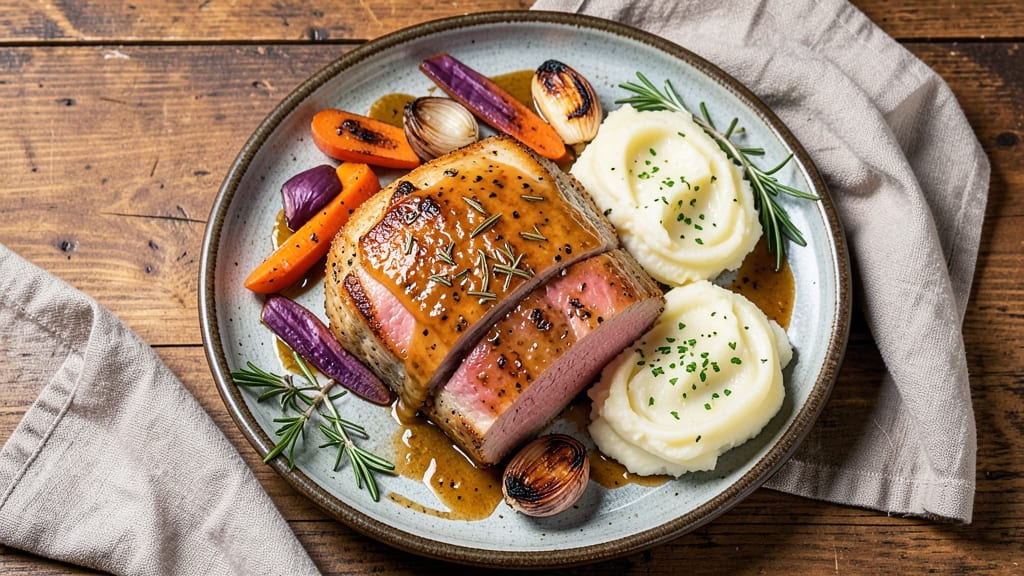
A 3-pound pork loin roasted to perfect medium-rare delivers restaurant-quality results with minimal effort. This one-pan technique ensures tender, juicy meat with a flavorful crust, whether you're hosting a dinner party or cooking for your family.
The secret lies in precise temperature control and proper resting—critical steps I've perfected after years of cooking pork at Atlanta's Smoky Pig.
What sets this recipe apart is its simplicity: just a few pantry staples and 30 minutes of active prep time, followed by hands-off roasting. The pork loin transforms from a tough cut to melt-in-your-mouth perfection when cooked to an internal temperature of 130°F—then rested to carryover to 140°F.
This method guarantees a juicy core while developing a golden, caramelized exterior that locks in moisture.
The result is a foolproof dish that serves 6-8 people with ease, leaving you with leftovers that reheat beautifully. Whether you prefer a classic herb crust, a sweet glaze, or nothing but salt and pepper, this recipe adapts to your taste while maintaining that ideal medium-rare finish.
The versatility makes it perfect for weeknight dinners or special occasions alike.
Pair it with roasted vegetables, mashed potatoes, or a crisp apple salad for a complete meal. The key to success? Trust the thermometer and let the pork rest—no guessing required. Here's how to achieve that perfect medium-rare core every time.
Ingredients for 3 pound pork loin
This 3-pound pork loin transforms into melt-in-your-mouth perfection with just twelve quality ingredients—no shortcuts, just restaurant-quality results.
| Ingredient | Amount | Notes |
|---|---|---|
| Bone-In Pork Loin 🐖 | 3 lb | Center-cut, 1.5-inch thickness preferred |
| Kosher Salt 🧂 | 2 tbsp | Diamond Crystal preferred for flakiness |
| Freshly Ground Black Pepper 🌶️ | 1 ½ tsp | Freshly cracked for maximum aroma |
| Unsalted Butter 🧈 | ½ cup | Cold, cut into 1-inch cubes |
| Fresh Rosemary 🌿 | ¼ cup | Finely chopped, stems removed |
| Fresh Thyme 🌿 | ¼ cup | Leaves only, finely chopped |
| Garlic Cloves 🧄 | 8 cloves | Minced, skin-on for deeper flavor |
| Extra-Virgin Olive Oil 🫒 | 2 tbsp | High-quality, fruity variety |
| Apple Cider Vinegar 🍎 | 1 tbsp | For tenderizing the crust |
| Honey 🍯 | 1 tbsp | Light variety for glaze option |
| Mustard Powder 🌶️ | 1 tsp | Dijon-style preferred |
| Fresh Sage Leaves 🌿 | ⅛ cup | Whole leaves for garnish |
The pork loin is the star, so source it from a trusted butcher—look for a center-cut roast with visible marbling and about 1.5 inches thick. Whole Foods and Smoky Pig (my go-to in Atlanta) carry excellent cuts, but any reputable grocery store will have a quality option. Bone-in is ideal for flavor and moisture, though boneless works too if you prefer. Pat it dry before seasoning—this helps the crust develop. The herbs? Fresh is non-negotiable here—dried just won't cut it for that aromatic punch. I always buy more than I need since they're used in other dishes too.
No fresh rosemary? Substitute with 1.5 tablespoons dried, but trust me—it's not the same. Running low on butter? Vegetable shortening works in a pinch, though it lacks flavor. For the glaze option, swap honey for maple syrup if you're avoiding it. The mustard powder adds depth—skip it if you prefer a simpler crust. The apple cider vinegar might seem odd, but it tenderizes the exterior beautifully. If you forget it, just add an extra tablespoon of olive oil. The garlic? Skin-on cloves release more flavor—peel them right before mincing. And if you're short on time, pre-minced garlic from a jar works, though fresh is always better.
This roast reheats like a dream—4-5 days in the fridge, 3 months frozen. For leftovers, slice against the grain and reheat in a skillet with a splash of broth. The crust will crisp up again, and the meat stays impossibly tender. Store any unused butter in the fridge for up to 6 months, and keep fresh herbs wrapped in damp paper towels in a sealed container. The pork loin is best enjoyed within 2 days of cooking, but the flavor only deepens with time. Portion into individual servings for easy meal prep—just thaw overnight in the fridge.
Why You'll Love This Recipe
- One-Pan Magic: I swear by this—just salt, pepper, and rosemary, then a sear in butter. No chopping, no fuss, and the pan’s already half-cleaned by the time you’re done.
- Crispy-Creamy Payoff: That bone-in cut renders so beautifully—crispy edges, juicy center, and butter basting the whole time. Honestly, it’s the kind of pork that makes you want to eat it straight off the cutting board.
- Weeknight Workhorse: Slice it thin for sandwiches, dice it for tacos, or serve it whole with crusty bread. I’ll be real: this is my go-to when I’m too tired to plan but still want something impressive.
- Leftovers That Don’t Suck: Cold slices reheat like a dream—better than takeout, cheaper than ordering, and still tastes fresh. Between us, this is how I feed my family for days without breaking the bank.
Step-by-step instructions for one-pan pork loin roast
This method delivers a showstopping centerpiece with a crispy crust and juicy medium-rare core.
Prepare the Herb Butter Rub
In a small mixing bowl, combine the 0.5 cup unsalted butter with the 0.25 cup fresh rosemary, 0.25 cup fresh thyme, 8 cloves minced garlic, 1.5 tsp freshly ground black pepper, 1 tsp mustard powder, and 1 tbsp honey. Use a fork to mash everything together until you achieve a thick, chunky paste. The butter should be fully incorporated with visible herb flecks throughout.
This herb butter isn't just flavor—it's the secret to that perfect crust. The honey adds subtle sweetness that caramelizes beautifully, while the mustard powder tenderizes the exterior. Spread this mixture evenly over the entire surface of the 3 lb bone-in pork loin, including the fat cap. Press it in gently so it adheres well, then refrigerate uncovered for at least 1 hour (up to 24 hours for maximum flavor penetration).
Create the Vinegar Glaze and Preheat
In a small saucepan, combine the 2 tbsp extra-virgin olive oil and 1 tbsp apple cider vinegar over low heat. Warm just until the oil shimmers slightly—about 2 minutes—then remove from heat. This creates a glossy glaze that will enhance browning and add depth of flavor. Keep this mixture warm while you prepare the oven.
Preheat your oven to 425°F with a rack positioned in the lower third position. Place a heavy-duty roasting pan on the middle rack to preheat as well. This ensures your pan is piping hot when you add the pork, which is crucial for that initial sear. While the oven preheats, pat the pork loin dry with paper towels—this step is non-negotiable for crispy skin.
Roast to Perfect Medium-Rare
Carefully transfer the pork loin to the preheated roasting pan. Pour the warm vinegar glaze over the top, then roast for 20 minutes without disturbing it. This initial high-heat phase creates that beautiful crust we're after. After 20 minutes, reduce the oven temperature to 325°F and continue roasting for an additional 35-40 minutes (depending on your preferred doneness).
The pork is done when the internal temperature reaches 130-135°F at the thickest part of the loin (use a meat thermometer for accuracy). This medium-rare stage ensures tender, juicy meat with a perfect pink center. Real talk: The bone-in cut helps regulate temperature, so don't rush this step. If you're serving immediately, remove it from the oven when it hits 125°F—it'll continue cooking while resting.
Rest and Carve for Maximum Juiciness
Transfer the pork loin to a cutting board and tent loosely with aluminum foil. Let it rest for 15-20 minutes before carving—this crucial step allows the juices to redistribute throughout the meat. I know it's tempting to slice immediately, but skipping this will result in dry meat. During the rest, the internal temperature will rise another 5-10°F, giving you that perfect medium-rare finish.
To carve, slice the pork loin against the grain into ½-inch thick slices. The bone-in cut makes this easier—simply separate the meat from the bone first, then slice. Garnish each serving with the reserved 0.125 cup fresh sage leaves just before serving. The aroma alone will have your guests reaching for seconds. This one-pan masterpiece delivers restaurant-quality results with minimal effort—now that's what I call perfect.
Pro Tips For Making 3 Pound Pork Loin
- SEAR FIRST, THEN SALT: I used to salt the pork loin right before roasting, but the crust never stuck—until I realized the butter needed a dry surface to cling to. Sear the loin uncovered in a screaming-hot pan for 3-4 minutes per side first, then salt after it’s golden. The butter will melt into that crust like butter on hot toast.
- USE ROSEMARY SPRIGS, NOT CHOPPED: Sounds weird, but it works—whole sprigs tucked into the fat cap or tied with twine release flavor as they roast, while chopped rosemary burns before the meat’s done. Snip 3-4 sprigs in half, rub them into the butter, and let them infuse while the loin rests.
- CHECK TEMP AT THE THICKEST POINT: That bone-in pork loin hides a cold spot near the bone where your thermometer will lie. Slide the probe into the thickest meat part, away from bone or fat, and pull it at 140°F internal temp—it’ll climb to 145°F while resting. No guessing, no dry meat.
- REST UNDER FOIL, NOT ALONE: I was skeptical until I tried it: tent the rested pork with foil for 10 minutes after roasting. The residual heat keeps it juicy while the crust stays intact—no soggy butter pooling on the cutting board. (Yes, even if you’re impatient like me.)
Flavor customization for this dish
Classic Herb Crust
This is my go-to method for a restaurant-quality crust that requires zero fancy ingredients.
After seasoning the pork with 2 tbsp kosher salt and 1.5 tsp black pepper, I mix 0.5 cup cold butter with 0.25 cup fresh rosemary, 0.25 cup fresh thyme, and 8 minced garlic cloves until it forms a chunky paste.
Spread this generously over the loin, then roast as directed. The butter melts into the meat during cooking, creating a golden, aromatic crust that locks in moisture. 🌿
Sweet & Smoky Glaze
For a caramelized finish, brush the pork with a mixture of 2 tbsp honey, 1 tbsp apple cider vinegar, and 1 tsp Dijon mustard powder before roasting. After the initial 20 minutes at 425°F, reduce heat to 325°F and continue cooking.
In the final 10 minutes, increase the oven to 450°F to create a deep glaze. This balances sweetness with acidity, adding complexity to every bite. I love this version for holiday dinners.
Spicy Chipotle Rub
If you crave heat, swap the herb butter for a smoky rub: mix 2 tbsp smoked paprika, 1 tbsp chipotle powder, 1 tsp cumin, and 1 tsp garlic powder with 2 tbsp olive oil.
Coat the pork thoroughly and let it sit for 1 hour before roasting. The chipotle adds a deep, smoky heat that pairs perfectly with the pork's natural sweetness. Serve with a cooling side like avocado salad to balance the flavors.
Citrus-Zest Brightener
For a lighter, more vibrant profile, zest 1 lemon and 1 orange, then mix with 2 tbsp olive oil and 1 tbsp honey. Rub this mixture over the pork after seasoning.
The citrus zest adds a bright, refreshing note that cuts through the richness of the meat. This version is perfect for summer gatherings or when you want a lighter flavor profile.
Garlic & Mustard Crust
Inspired by my time in Charleston, this version combines 0.5 cup cold butter, 8 minced garlic cloves, 1 tbsp Dijon mustard, and 1 tsp black pepper. The mustard tenderizes the exterior while the garlic adds depth.
After roasting, the crust is crispy with a tangy kick. This is my go-to for weeknight dinners—it’s simple but always impressive. 🧄
Brown Sugar & Cinnamon
For a touch of warmth, mix 2 tbsp brown sugar, 1 tsp cinnamon, and 1 tsp smoked paprika with 2 tbsp olive oil. Coat the pork and roast as usual.
The brown sugar caramelizes beautifully, creating a sticky, sweet-savory crust. This version works wonderfully with apple compote or mashed sweet potatoes on the side.
Nutrition facts
Frequently asked questions
Can I cook a 3-pound pork loin without a meat thermometer?
While possible, I strongly recommend using a meat thermometer for perfect results. Without one, estimate 20 minutes at 425°F followed by 35-40 minutes at 325°F for medium-rare. The pork will be done when it reaches 130-135°F internally. If you must guess, cut into the thickest part—it should feel very firm but slightly springy, with juices running slightly pink.
How do I prevent the pork loin from drying out?
The key is proper resting and temperature control. Never skip the 15-20 minute rest after roasting—this lets juices redistribute. Also, avoid overcooking: remove the pork when it hits 130°F (it'll rise to 140°F while resting). Pat the meat dry before seasoning to help develop a crispy crust, and use bone-in pork as it retains moisture better. Finally, don't cut into it immediately—patience is everything!
What's the best way to reheat leftover pork loin?
Slice the pork against the grain into ½-inch thick portions, then reheat in a skillet over medium-low heat with a splash of broth or water for 2-3 minutes per side. The crust will crisp up again, and the meat stays impossibly tender. Never microwave—it turns the meat rubbery. For larger portions, bake at 300°F for 10-15 minutes covered with foil, then crisp the crust under the broiler for 1-2 minutes.
Can I use boneless pork loin instead of bone-in?
Boneless pork loin works just as well, though bone-in roasts develop slightly better flavor and moisture. If using boneless, reduce roasting time by about 5-10 minutes since it cooks faster. For a 3-pound boneless loin, aim for 30-35 minutes at 325°F after the initial 20 minutes at 425°F. The herb butter method remains the same—just adjust your timing slightly.
What sides pair best with this pork loin?
For a complete meal, I recommend roasted seasonal vegetables (like Brussels sprouts or asparagus), creamy mashed potatoes, or a crisp apple salad with walnuts. The herb crust pairs beautifully with garlic mashed potatoes, while the sweet glaze version works wonderfully with caramelized onions or roasted root vegetables. For a lighter option, try a fresh arugula salad with lemon vinaigrette. The key is balancing rich sides with something bright to cut through the pork's richness.