
Main Courses
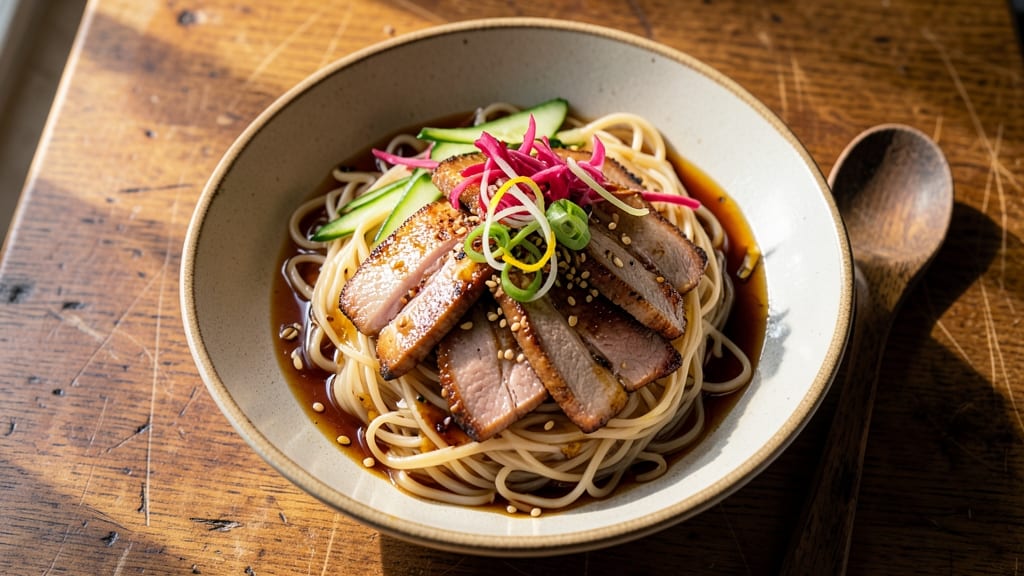
This Asian pork noodle bowl recipe transforms simple ingredients into a restaurant-quality meal with silky noodles and umami-rich pork that'll have you reaching for seconds. 🔥 I developed this after years of perfecting stir-fry techniques—balancing tender meat, chewy noodles, and a sauce that's both sweet and savory without being overpowering.
The secret lies in quick-cooking pork slices that stay juicy while absorbing the aromatic sauce.
What sets this dish apart is the three-stage cooking process: first marinating the pork in a simple soy-ginger mixture, then stir-frying until caramelized, and finally tossing with perfectly cooked noodles and a homemade peanut-hoisin sauce.
The result is a bowl where every bite delivers a perfect harmony of textures and flavors—crispy edges on the pork, tender noodles, and a sauce that's rich yet bright.
By the time you assemble everything in your bowl, you'll have a dish that's visually stunning with its golden pork, glossy noodles, and garnish of fried shallots.
The aroma alone will have everyone gathering around the table, and the first bite delivers that perfect balance of sweet, salty, and umami that defines great Asian cuisine.
This recipe scales beautifully for weeknight dinners or meal prep, and I've included tips for customizing the sauce to your preferred level of spice. Let's get cooking!
Ingredients for asian pork noodle bowl
Simple ingredients that pack a flavor punch—this bowl brings restaurant-quality Asian pork to your table.
| Ingredient | Amount | Notes |
|---|---|---|
| Pork Tenderloin 🥩 | 1 ½ lb | Thinly sliced, 1/4-inch thick |
| Rice Noodles 🍜 | 12 oz | Medium-width, uncooked |
| Low-Sodium Soy Sauce 🍶 | ½ cup | For marinade and sauce |
| Fresh Ginger 🌿 | 1 tbsp | Minced, for marinade |
| Garlic Cloves 🧄 | 6 cloves | Minced, for marinade |
| Sesame Oil 🫒 | 1 tbsp | Toasted, for aroma |
| Peanut Butter 🥜 | ¼ cup | Creamy, unsweetened |
| Hoisin Sauce 🍶 | ¼ cup | Store-bought or homemade |
| Lime Juice 🍋 | 2 tbsp | Freshly squeezed |
| Sesame Seeds 🌾 | 1 tbsp | Toasted, for garnish |
| Green Onions 🧅 | 3 whole | Thinly sliced, for garnish |
| Vegetable Oil 🫒 | 2 tbsp | For stir-frying |
| White Pepper 🌶️ | ½ tsp | Freshly ground |
| Brown Sugar 🍬 | 1 tbsp | Light, for sauce |
| Red Chili Flakes 🔥 | ½ tsp | Adjust to taste |
The pork is everything here. Look for tenderloin at your local butcher—it’s lean and cooks fast, so it stays juicy. If you can’t find it, pork loin works too, but slice it thinner. Fresh ginger and garlic are non-negotiable for that aromatic kick, but if you’re in a pinch, paste works in a bind. For the noodles, rice noodles from an Asian market are best—they’re chewier and hold up better than the instant kind. Pro tip: Soak them in warm water for 10 minutes before cooking.
No sesame oil? Toasted sesame seeds plus a splash of neutral oil will get you close. Swapping peanut butter for tahini? Add a teaspoon of sugar to balance the bitterness. The hoisin sauce can be store-bought (Lee Kum Kee is my go-to), but if you’re feeling fancy, blend soy sauce, garlic, vinegar, and sugar for a homemade version. The sauce is where the magic happens—adjust the lime juice and brown sugar to taste. Too salty? Add a splash of water. Too sweet? A pinch more chili flakes.
Pork marinates best in the fridge for at least 30 minutes, but overnight is ideal. Store leftover noodles in an airtight container with a damp paper towel to keep them soft. The sauce keeps for 5 days in the fridge, and you’ll want to make extra—it’s perfect on sandwiches or as a dip. Garnishes like sesame seeds and green onions stay fresh for a week in the fridge, so don’t hold back on those finishing touches.
Why You'll Love This Recipe
- One-Pan Magic: I swear by this recipe when I’m too tired to clean up. Sear the pork tenderloin in one pan, toss in the rice noodles, and boom—minimal dishes, maximum flavor. The ginger and garlic caramelize right into the soy sauce, turning that one pan into a flavor bomb.
- Umami Bomb: That low-sodium soy sauce? It’s the secret weapon. Thinly sliced pork tenderloin soaks it up, getting tender and packed with savory depth. The fresh ginger adds a zingy kick that cuts through the richness—like a perfect balance of comfort and brightness in every bite.
- Lunchbox Hero: Between us, this is my go-to for meal prep. Cook a big batch of noodles, slice the pork ahead, and store everything separately. Reheat with a splash of water, and—voilà—fresh, restaurant-quality bowls for days. My kids actually eat their veggies when I sneak them into the mix.
- Budget Win: Pork tenderloin is lean and affordable, and rice noodles stretch further than any other pasta. A single package of noodles and a small cut of pork feed my family for three lunches—no wasted leftovers, just happy stomachs. Plus, the ingredients are pantry staples, so you’re not scrambling for obscure stuff.
Step-by-step instructions for Asian pork noodle bowl
Here's how to make this umami-packed stir-fry with perfectly tender pork and silky noodles.
🍳 Step 1: Marinate and Slice the Pork Tenderloin
In a medium bowl, combine the 1.5 lb pork tenderloin, 0.5 cup low-sodium soy sauce, 1 tbsp minced fresh ginger, 6 cloves minced garlic, 0.5 tsp white pepper, and 1 tbsp brown sugar. Mix well with your hands until the meat is evenly coated. Cover and refrigerate for at least 30 minutes (or up to 2 hours).
While the pork marinates, use a sharp knife to slice it into ¼-inch thick pieces against the grain. This ensures each bite will be tender. I like to work in batches—slice a portion, then return the rest to the marinade. The acid in the soy sauce will help tenderize the meat further.
🥘 Step 2: Prepare the Peanut-Hoisin Sauce
In a small bowl, whisk together the 0.25 cup peanut butter, 0.25 cup hoisin sauce, 2 tbsp lime juice, and 1 tbsp toasted sesame oil. This sauce is the heart of the dish—it's creamy, slightly sweet, and packed with umami. If the peanut butter is too thick, add 1 teaspoon of hot water to loosen it. Taste and adjust seasoning with a pinch more soy sauce or lime juice if needed.
Set the sauce aside while you cook the pork. The peanut butter might seem unusual, but it adds a rich, nutty depth that balances the spice and acidity perfectly. I promise, it's worth it!
🔥 Step 3: Cook the Pork and Noodles
Heat 2 tbsp vegetable oil in a large skillet or wok over medium-high heat until shimmering. Add the marinated pork in a single layer and cook undisturbed for 2-3 minutes until the edges are golden brown. Stir and cook for another 1-2 minutes until the pork is cooked through and slightly caramelized.
While the pork cooks, bring a large pot of water to a boil and cook the 12 oz rice noodles according to package instructions (usually 3-5 minutes). Drain and rinse briefly under cold water to stop the cooking process, then toss with 1 tbsp toasted sesame oil to prevent sticking. Keep the noodles warm while you finish the sauce.
🍳 Step 4: Combine and Finish the Bowl
Return the cooked pork to the skillet and reduce heat to medium-low. Pour in the peanut-hoisin sauce and stir to combine, letting it simmer for 1-2 minutes until everything is well-coated. Add 0.5 tsp red chili flakes and toss gently to distribute evenly.
Divide the silky noodles among four bowls. Top each serving with the pork mixture, then garnish with 3 whole green onions (thinly sliced) and 1 tbsp sesame seeds. Serve immediately while the noodles are still warm and the sauce is glossy. The contrast of textures—silky noodles, tender pork, and creamy sauce—makes every bite irresistible.
Pro Tips For Making Asian Pork Noodle Bowl
- Slice Pork Thin: Thinly sliced pork cooks faster and absorbs flavors better—aim for ⅛-inch slices or paper-thin if you’re ambitious. I used to overlook this and ended up with chewy chunks, so grab a sharp knife and work parallel to the cutting board for clean, even slices.
- Blanch Noodles First: Soak rice noodles just until pliable (about 10 minutes), then rinse in cold water to stop cooking. Toss them with a drizzle of oil to prevent sticking—this keeps them from turning mushy when reheated later. Trust me, skipping this step means soggy noodles by dinner.
- Char the Ginger: Lightly toast thin ginger slices in a dry pan for 30 seconds until fragrant and slightly blistered. This deepens the flavor and cuts through the pork’s richness—no need to burn it, just get those edges golden. I was skeptical until I tried it; now it’s non-negotiable.
- Rest Pork After Cooking: Once your pork is done stir-frying, pile it onto a plate and tent loosely with foil for 5 minutes. This lets the juices redistribute instead of pooling in the pan. I learned this the hard way—overcooked pork turns dry, and resting saves it every time.
Perfect pairings for this recipe
Sauce Variations
This peanut-hoisin sauce is the star, but you can easily customize it. For a spicier kick, add 1 tsp gochujang or ½ tsp sriracha to the sauce—trust me, it’s a game-changer. If you prefer something sweeter, swap the brown sugar for 1 tbsp honey or maple syrup.
For a tangier profile, increase the lime juice to 3 tbsp and add 1 tsp fish sauce for depth. 🌶️
Drink Pairings
A crisp jasmine tea with a squeeze of lime cuts through the richness of the peanut sauce beautifully. I also love pairing this bowl with a light lager like Asahi Super Dry—its clean, refreshing notes balance the umami and spice.
For something bolder, try a dry Riesling from Germany; its acidity complements the lime and ginger in the marinade. 🍺
Side Dish Ideas
Pickled vegetables add a bright, tangy contrast to the rich pork and noodles. Quick-pickle ½ cup shredded carrots and daikon radish in ¼ cup rice vinegar, 1 tbsp sugar, and ½ tsp salt for 20 minutes.
Another great option is steamed bok choy with a sprinkle of toasted sesame seeds—it’s simple but adds freshness. 🥗
Garnish Upgrades
Don’t underestimate the power of garnishes! Crispy fried shallots add texture and aroma—toss ½ cup thinly sliced shallots in 2 tbsp oil and fry until golden.
For extra freshness, add cilantro leaves and a drizzle of chili oil for heat. A sprinkle of crushed peanuts also gives a delightful crunch. ✨
Dipping Sauce
Make a quick dipping sauce by mixing 2 tbsp hoisin sauce, 1 tbsp soy sauce, 1 tsp rice vinegar, and ½ tsp sesame oil**. Serve it on the side for extra flavor—it’s perfect for soaking up any leftover noodles or pork.
This sauce also works as a marinade for chicken or shrimp if you’re feeling adventurous. 🍜
Nutrition facts
Frequently asked questions
Can I use chicken instead of pork in this recipe?
Chicken breast or thigh works beautifully—just slice it 1/4-inch thick and marinate for 20-30 minutes (chicken doesn't need as long as pork). Use the same marinade but reduce the soy sauce to 1/3 cup since chicken absorbs flavors faster. For extra tenderness, add 1/2 tsp cornstarch to the marinade. The cooking time will be slightly shorter (2-3 minutes total).
How do I prevent the noodles from getting mushy?
Rinse the cooked noodles under cold water for 10 seconds immediately after draining to stop the cooking process. Toss them with 1 tbsp toasted sesame oil while still warm to create a protective barrier. For extra chewiness, undercook them by 30 seconds and finish with a quick stir-fry in the skillet with the pork. Never reheat mushy noodles—they'll turn to paste!
What's the best way to make this recipe spicier?
For heat lovers, add 1 tsp gochujang or 1/2 tsp sriracha to the peanut-hoisin sauce. For a smoky kick, toast 1/2 tsp crushed red pepper flakes in the pan with the pork before adding sauce. Want it fiery? Mix 1 tsp chili crisp (like Lao Gan Ma) into the sauce for that iconic Chinese restaurant heat. Always taste first—you can adjust, but you can't take it out!
Can I prepare this ahead of time for meal prep?
Yes! Cook the pork and sauce separately, then store them in airtight containers for up to 3 days. Keep the noodles uncooked (they'll last 1 week in the pantry) or cook them fresh when ready to eat. Reheat the pork and sauce together over medium heat for 2 minutes, then toss with freshly cooked noodles. Garnish with fried shallots and sesame seeds right before serving for maximum freshness.
Why did my pork turn out dry?
Overcooking is the #1 culprit—pork should be 165°F internal temp max, and it only needs 3-4 minutes total in the pan. Slice against the grain and use tenderloin (not shoulder). For extra juiciness, marinate overnight and pat dry before cooking. If using leftover pork, reheat gently with a splash of water or broth in a covered pan to restore moisture. Pro tip: Rest the pork for 2 minutes after cooking before tossing with sauce.