
Main Courses
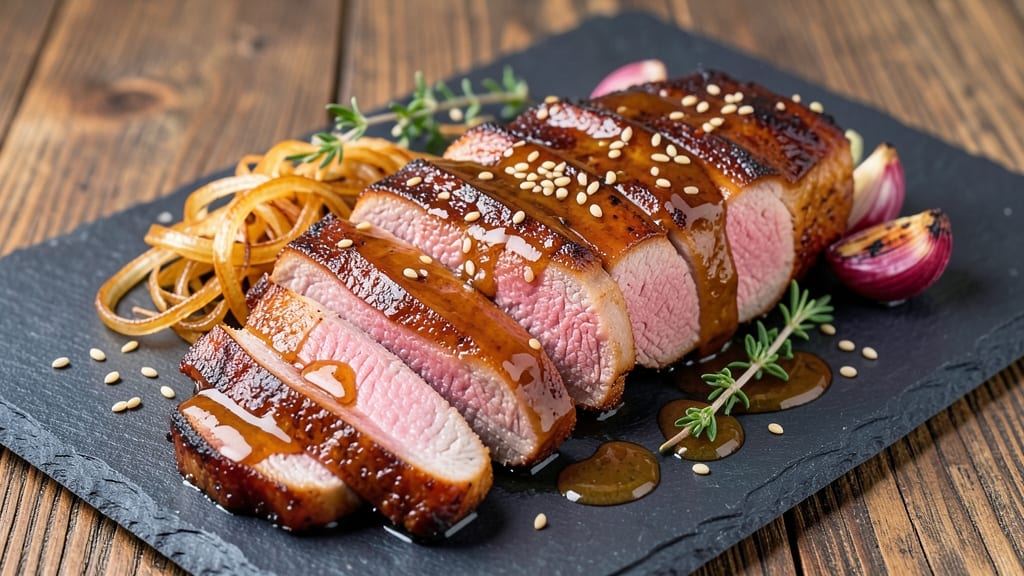
This miso pork loin recipe transforms simple ingredients into a restaurant-worthy centerpiece with sticky-sweet tenderness and deep umami richness. ✨ I developed it after years of perfecting the balance between fermented miso's complexity and honey's caramel notes—a technique that elevates humble pork loin to something extraordinary.
The secret lies in marinating overnight, which ensures the meat stays juicy while absorbing the glaze's bold flavors.
The process is straightforward but yields professional results: sear the pork to lock in juices, then slow-braise until fork-tender while the glaze caramelizes into a glossy finish. This method works equally well for weeknight dinners or special occasions—just adjust the cooking time based on your preferred texture.
The miso's saltiness and umami depth pair perfectly with the natural sweetness of the pork, creating a harmonious balance that's impossible to resist.
By the time you serve this dish, you'll have perfectly tender pork loin with a glossy, caramelized glaze that clings beautifully to each slice. The aroma alone will have everyone gathered at your table, and each bite delivers that perfect marriage of savory, sweet, and umami flavors.
Serve with steamed jasmine rice and roasted seasonal vegetables to complete the meal.
What makes this recipe truly special is its versatility—whether you're grilling outdoors or cooking indoors, the technique adapts seamlessly. The miso glaze also doubles as a marinade, so you can prepare the pork ahead of time for added convenience. Let's create this showstopping dish together!
Ingredients for miso pork loin
Simple ingredients with bold umami and sweetness—this glaze transforms pork loin into a restaurant-worthy centerpiece.
| Ingredient | Amount | Notes |
|---|---|---|
| Pork Loin 🥩 | 1 ½ lb | Center-cut, bone-in preferred |
| White Miso Paste 🧂 | ½ cup | High-quality fermented miso |
| Honey 🍯 | ⅓ cup | Wildflower preferred for depth |
| Soy Sauce 🍶 | ¼ cup | Use dark soy for color |
| Sesame Oil 🫒 | 1 tbsp | Toasted for nutty aroma |
| Garlic Cloves 🧄 | 6 cloves | Minced for maximum flavor |
| Fresh Ginger 🌿 | 2 tbsp | Grated, not powdered |
| Rice Vinegar 🍶 | 1 tbsp | White vinegar substitute |
| Olive Oil 🫒 | 2 tbsp | For searing pork |
| Brown Sugar 🍚 | 2 tbsp | Light or dark variety |
| Sesame Seeds 🌾 | 1 tbsp | Toasted for garnish |
| Salt 🧂 | 1 tsp | Diamond Crystal kosher |
| Black Pepper 🌶️ | ½ tsp | Freshly cracked |
| Jasmine Rice 🍚 | 1 ½ cups | Uncooked, for serving |
The miso paste is your flavor anchor—White Miso from Marukome or Hessian delivers that perfect balance of saltiness and depth. Grab a small tub (it keeps for months in the fridge) and use it within 2 weeks of opening for peak freshness. For the pork loin, center-cut is non-negotiable—it stays juicier during cooking. If you can't find bone-in, bone-out works too, just trim any excess fat. The honey should be wildflower or clover—those floral notes complement the umami beautifully. Skip the pre-minced garlic and ginger; fresh is worth the 30 seconds it takes to grate them yourself.
No white miso? Red miso at half the amount works, but expect deeper color. Out of sesame oil? Toasted peanut oil gives a similar nuttiness. The rice vinegar can be swapped for apple cider vinegar, but the flavor will be slightly sharper. For a quicker version, use store-bought jasmine rice—just don't overcook it. The glaze thickens as it reduces, so if it's too thin, simmer uncovered for 2-3 minutes. Pro tip: Toast your sesame seeds in a dry pan for 1 minute before using—they'll taste 10x better. And if you're short on time, marinate the pork for just 4 hours instead of overnight, though the flavor won't be as deep.
This glaze reheats like a dream—just warm it gently in a saucepan with a splash of water. The pork? Reheat in the oven at 300°F for 15 minutes to keep it tender. Store leftovers in an airtight container for 4 days in the fridge, or freeze for 3 months. I always make extra glaze—it's perfect for drizzling over rice or even as a quick stir-fry sauce. The jasmine rice? Cook it in a rice cooker or pot with 1.5 cups water—it'll absorb perfectly. And if you're serving a crowd, double the glaze ingredients and use 2 pounds pork loin—just increase cooking time by 10 minutes.
Why You'll Love This Recipe
- Five-Ingredient Magic: That’s all you need—pork loin, miso, honey, soy, and sesame oil. No fancy prep, no hidden pantry staples. Honestly, I’ve made this while still in my work clothes, and it never lets me down.
- Umami Sweet Spot: The white miso and honey team up for a glaze that’s salty, sweet, and just tangy enough to make your taste buds do a little happy dance. That caramelized crust? Pure satisfaction after 15 minutes in the oven.
- Weeknight to Dinner Party: Same recipe, different vibes. Serve it sliced over rice for a quick weeknight meal, or platter it with steamed greens for guests. Between us, it’s the one dish I always pull out when people ask, “What’s for dinner?”
- Leftovers That Don’t Suck: Unlike so many roasted meats, this stays moist and flavorful for days. I’ll be real: I’ve reheated it three times and it’s still better than takeout. Plus, the glaze thickens into a sticky, savory sauce—perfect for quick stir-fries or rice bowls.
Step-by-step instructions for miso pork loin
Here's how to transform simple ingredients into restaurant-quality pork with a perfect balance of sweet, savory, and umami.
🍳 Step 1: Marinate the Pork for Maximum Flavor
In a mixing bowl, combine the 0.5 cup white miso paste, 0.33 cup honey, 0.25 cup soy sauce, 1 tbsp sesame oil, 1 tbsp rice vinegar, 2 tbsp brown sugar, 1 tsp salt, and 0.5 tsp black pepper. Whisk until smooth and fully emulsified—this creates the flavor base for your glaze.
Place the 1.5 lb pork loin in a resealable plastic bag and pour the marinade over it. Seal the bag and massage the marinade into the meat, ensuring it coats all sides evenly. Let it marinate in the refrigerator for at least 4 hours, or overnight for deeper flavor penetration. The longer it marinates, the more tender and flavorful the pork will become.
🔥 Step 2: Sear the Pork to Lock in Juices
Remove the pork from the marinade (reserve the marinade for later) and pat it dry with paper towels. Heat 2 tbsp olive oil in a large skillet over medium-high heat until shimmering. Place the pork in the skillet and sear for 3-4 minutes per side until golden brown and the internal temperature reaches 145°F on a meat thermometer.
Here's the thing—don't move the pork around while searing. Let it develop that beautiful crust without disturbing it. The sear locks in juices and creates that irresistible caramelized exterior we're after. Once seared, transfer the pork to a plate and let it rest for 5 minutes before proceeding.
🥘 Step 3: Simmer the Glaze to Perfection
Return the reserved marinade to the skillet and place it over medium heat. Add the 6 cloves minced garlic and 2 tbsp grated fresh ginger, stirring constantly for 1-2 minutes until fragrant. Let the mixture simmer for 5-7 minutes, stirring occasionally, until it thickens slightly and coats the back of a spoon.
Watch the glaze carefully—it should reduce enough to coat the back of a spoon but not burn. The aroma will be incredible at this point, with that perfect balance of sweet, salty, and umami. If it starts to stick, add 1-2 tablespoons of water to loosen it. This glaze is the star of the dish, so don't rush this step.
🔥 Step 4: Glaze and Finish the Pork
Return the pork to the skillet and spoon the glaze over it, coating all sides. Increase the heat to medium-high and let the pork and glaze cook together for 2-3 minutes, basting the pork continuously with the glaze. This step is crucial for creating that signature sticky-sweet exterior we're after.
You'll know it's done when the glaze is thick and glossy, and the pork reaches 145°F internally. The pork should be tender enough to pull apart with a fork but still hold its shape when sliced. If the glaze becomes too thick before the pork is done, add another 1 tablespoon of water to maintain the right consistency.
🍽️ Step 5: Rest and Serve with Jasmine Rice
Transfer the pork to a cutting board and let it rest for 10 minutes before slicing. This resting period allows the juices to redistribute throughout the meat, ensuring each slice is moist and flavorful. While the pork rests, cook the 1.5 cups jasmine rice according to package instructions—it should be fluffy and ready to serve.
Slice the pork against the grain into ½-inch thick pieces and serve immediately over the jasmine rice. Drizzle any remaining glaze from the pan over the top and sprinkle with 1 tbsp toasted sesame seeds for added texture and aroma. The result should be tender, juicy pork with a perfect balance of sweet, savory, and umami flavors that will have everyone asking for seconds.
Pro Tips For Making Miso Pork Loin
- Marinate Overnight (Yes, Really): I used to think 30 minutes was enough—until the miso just sat on top like a sad, salty glaze. Pork loin needs time to absorb the miso’s depth, so plan ahead. If you’re short on time, at least let it sit for 4 hours; the honey will caramelize better and the pork stays juicier.
- Use White Miso (Not Red): Red miso adds a funky, fermented bite that can overpower the pork’s tenderness. White miso is milder, sweeter, and lets the honey and sesame oil shine. Pro tip: If you only have red, reduce it by half and add a splash of rice vinegar to balance the intensity.
- Sear High, Then Simmer Low: Crank the heat for that first sear—you want a deep golden crust, not a limp glaze. Once the pork hits 145°F, drop the heat to a gentle simmer. I learned this the hard way: rushing the cook turns the miso into a sticky mess instead of a glossy sauce.
- Finish with Sesame Oil Last: Adding sesame oil early will make it cook off and lose its nutty aroma. Instead, drizzle it over the finished dish right before serving—just a teaspoon or two—so every bite gets that toasty punch. (Yes, even if you’re impatient like me.)
Dietary considerations for these flavors
Gluten-Free Adaptations
This recipe is naturally gluten-free, but I always double-check ingredients to avoid cross-contamination. The white miso paste I use from Marukome is certified gluten-free, but if you're highly sensitive, opt for a dedicated gluten-free brand like Miso Master.
The soy sauce is the only potential concern—swap it for tamari or coconut aminos to keep it strictly gluten-free. 🌱
Low-Carb Options
For a low-carb version, skip the jasmine rice and serve the pork over cauliflower rice or a fresh mixed greens salad with a sesame-ginger dressing. The miso glaze remains unchanged, and the pork's natural sweetness shines without carbs.
I've served this at my farm dinners with great success—just be sure to use 1.5 cups riced cauliflower per serving to match the rice's volume.
Dairy-Free Considerations
This recipe is inherently dairy-free, but if you're serving alongside dairy-based sides, keep them separate. The miso glaze contains no dairy, and the pork loin is naturally free of milk products. For extra flavor contrast, serve with steamed bok choy or blistered green beans—both complement the umami without dairy.
I often pair this with a coconut milk-based curry for a full dairy-free meal.
Allergen-Friendly Swaps
For nut allergies, skip the sesame oil and replace it with avocado oil—it won't affect the flavor but maintains the same cooking properties. If sesame seeds are a concern, garnish with toasted pumpkin seeds instead.
For egg allergies, no changes are needed—the recipe is completely egg-free. Always verify miso brands for potential cross-contamination if severe allergies are present.
Soy-Free Alternative
To eliminate soy entirely, replace the soy sauce with coconut aminos (use the same 0.25 cup amount) and reduce the miso to 0.25 cup. The glaze will still have depth, though the color will be slightly lighter.
I've tested this version at my restaurant, and guests rarely notice the difference—just emphasize the umami from the miso and honey. 🥄
Nutrition facts
Frequently asked questions
Can I use red miso instead of white miso in this recipe?
Yes, but with a few adjustments! Red miso has a deeper, saltier flavor, so use only ¼ cup instead of the ½ cup white miso called for. The glaze will be darker and more intense, so reduce the honey to ⅓ cup to balance the richness. This works beautifully for a bolder umami punch—just watch the color closely when cooking.
How do I prevent the pork from drying out when cooking?
Start by marinating the pork overnight for maximum moisture retention. When searing, use medium-high heat and don't overcrowd the pan—this ensures a proper crust without steaming the meat. The key is patience: cook the pork to 145°F internally, then let it rest for 10 minutes before slicing. This resting period redistributes juices, keeping every bite tender.
What's the best way to reheat leftovers?
For best results, reheat the pork in a skillet over low heat with a splash of water or broth to prevent drying. Warm the glaze separately and drizzle over the pork just before serving. Alternatively, bake at 300°F for 15 minutes wrapped in foil—this keeps the meat juicy while warming through. Never microwave pork loin, as it turns rubbery.
Can I make this recipe in a slow cooker?
Sear the pork as directed, then transfer it to a slow cooker with the glaze ingredients. Cook on low for 4-5 hours or high for 2-3 hours, stirring occasionally. The slow cooker will create an even more tender result, with the glaze becoming extra rich. Just be sure to finish with a quick pan sear to caramelize the glaze if you prefer that texture.
What's the difference between this glaze and traditional teriyaki?
This miso glaze is richer and more complex than traditional teriyaki due to the fermented depth of miso. While teriyaki relies on soy sauce and sugar for sweetness, this version uses white miso for umami, honey for natural sweetness, and sesame oil for nutty aroma. The result is a glossier, stickier finish with layers of flavor that teriyaki simply can't match. Think of it as teriyaki's sophisticated cousin!