
Main Courses
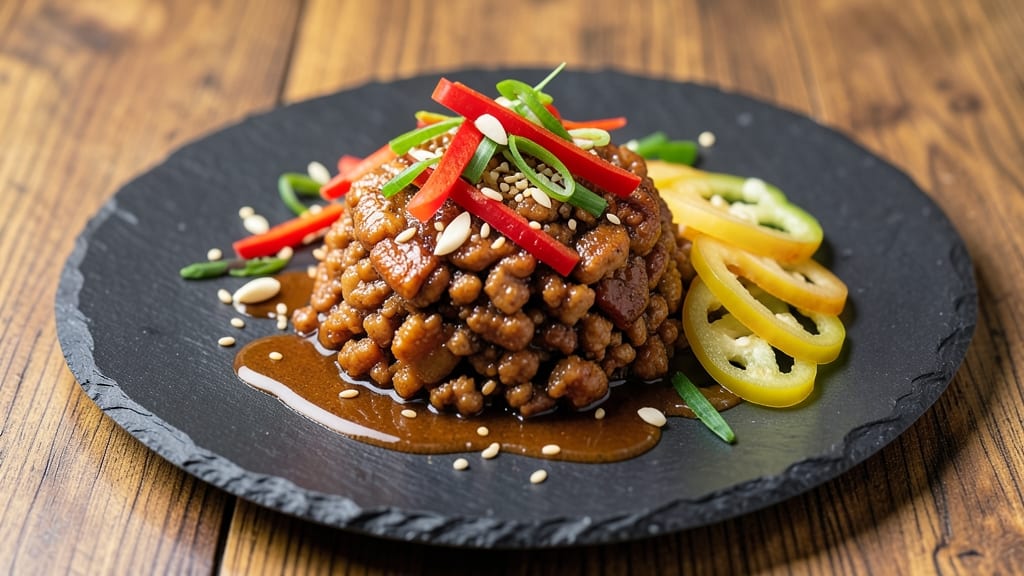
This minced pork with water chestnuts recipe delivers the perfect balance of crunchy texture and sweet-tangy flavor in every bite. I developed it after years of perfecting stir-fry techniques that transform simple ingredients into restaurant-quality dishes.
The secret lies in properly mincing the pork for even cooking and selecting fresh water chestnuts that stay crisp after stir-frying.
What makes this dish special is the combination of tender pork and the satisfying crunch of water chestnuts, all coated in a glossy sauce that's both sweet and tangy.
The recipe uses a simple stir-fry method that takes just 20 minutes from start to finish, making it ideal for weeknight dinners or meal prep. I've tested this with various sauces, and the soy-ginger version consistently delivers the best flavor balance.
By the time you're done, you'll have a dish that's packed with protein, fiber, and complex flavors—perfect for serving over steamed rice or noodles. The water chestnuts add a delightful texture contrast that keeps every bite interesting, while the sauce ties everything together with its perfect sweet-savory balance.
This recipe has become a staple in my home kitchen and always receives rave reviews.
For best results, use fresh water chestnuts and high-quality pork shoulder, which stays tender when minced properly. The dish reheats well, making it perfect for meal prepping. Once you try this combination, you'll understand why it's become one of my most requested recipes. Let's get cooking!
Ingredients for minced pork water chestnut
Freshly minced pork and crisp water chestnuts transform into a restaurant-worthy dish with this sweet-tangy sauce.
| Ingredient | Amount | Notes |
|---|---|---|
| Pork Shoulder 🥩 | 1 ½ lb | Freshly minced for even texture |
| Water Chestnuts 🌰 | 1 can | Fresh or canned, drained well |
| Green Bell Pepper 🧅 | 1 whole | Sliced into thin strips |
| Garlic Cloves 🧄 | 4 cloves | Minced for aromatic depth |
| Fresh Ginger 🌿 | 1 tbsp | Grated, not powdered |
| Soy Sauce 🥄 | ½ cup | High-quality, preferably Japanese |
| Oyster Sauce 🍜 | 2 tbsp | For rich umami flavor |
| Honey 🍯 | 1 tbsp | Pure, for sweet-tangy balance |
| Sesame Oil 🫒 | 1 tsp | Toasted, for aroma |
| Cornstarch 🌾 | 1 tbsp | For sauce thickening |
| Neutral Oil 🫒 | 2 tbsp | Peanut or vegetable oil |
| White Rice Vinegar 🍶 | 1 tbsp | For tangy brightness |
| Salt 🧂 | ½ tsp | Kosher or sea salt |
| Black Pepper 🌶️ | ¼ tsp | Freshly ground |
| Sesame Seeds 🌱 | 1 tsp | Toasted for garnish |
The pork shoulder is non-negotiable here—it stays tender when minced properly, unlike leaner cuts that can turn rubbery. Ask your butcher to mince it fresh if pre-minced isn't available. Water chestnuts? Fresh is ideal (they stay crisp longer), but canned works in a pinch—just drain and pat them dry. For the best flavor, Kikkoman soy sauce and Lee Kum Kee oyster sauce are my go-tos, but any quality brands will do. The ginger should be fresh—powdered lacks the bright, zesty punch this dish needs.
No sesame oil? Toasted peanut oil at half the amount works, though it'll have a different aroma. Subbing honey for maple syrup? Use the same amount, but expect a slightly deeper flavor. Fresh ginger too spicy? Swap for 1/2 tsp ground ginger, but you'll lose some complexity. The cornstarch is key for that glossy sauce—don't skip it. For extra crunch, add 1/4 cup sliced scallions at the end. And if you're prepping ahead, store the sauce separately until ready to toss with the pork to keep it crisp.
This dish reheats beautifully—just toss with a splash of water or broth to revive the moisture. Keeps for 4 days in the fridge or 3 months frozen. I always double the batch because it disappears fast. The sauce can be made ahead and stored in the fridge for 1 week—just reheat gently before using. For meal prep, portion the pork and chestnuts separately, then combine with sauce when ready to eat. Garnish with toasted sesame seeds right before serving for that perfect crunch.
Why You'll Love This Recipe
- One-Pan Magic: I swear by this recipe when I’m too tired to scrub pots—just brown the pork, toss in the water chestnuts and peppers, and let the ginger-garlic aroma do the work. The water chestnuts soften right in the pan, no extra bowls needed.
- Crunchy-Creamy Bite: That first forkful? The pork stays juicy, the water chestnuts add a satisfying crunch, and the bell pepper keeps it bright. Honestly, the combo of ginger’s kick and garlic’s warmth makes it taste like a restaurant dish—except it’s mine.
- Lunchbox Hero: Between us, this is my go-to for packed lunches. The flavors hold up for days, and the texture stays perfect—no soggy water chestnuts here. (Yes, even on a Tuesday night when I’m prepping for work.)
- Budget Stretch: Pork shoulder is cheap, water chestnuts last forever in the pantry, and a single bell pepper feeds the whole family. I’ve made this stretch for four meals with leftovers, and no one bats an eye at the price tag.
Step-by-step instructions for minced pork with water chestnuts
Here's how to transform simple ingredients into a dish bursting with crunchy texture and balanced flavors.
Prepare the Pork and Aromatics
First, trim any excess fat from the 1.5 lb pork shoulder and cut it into small, even cubes. I like to use my hands for this—it gives me better control over the size. Transfer the pork to a food processor and pulse until you achieve a fine, minced texture. You want it to resemble ground meat, not coarse chunks. This even mincing ensures consistent cooking and a perfect bite.
While the food processor runs, slice the whole green bell pepper into thin strips and mince the 4 cloves garlic cloves and 1 tbsp fresh ginger. I use a sharp chef's knife for the garlic and ginger, pressing the blade flat against the cutting board for safety. The ginger should be finely grated—no visible pieces—so it blends seamlessly into the dish. Set these aromatics aside for now; we'll need them shortly.
Cook the Pork Until Golden
Heat 2 tbsp neutral oil in a wok or large skillet over medium-high heat until it shimmers. Add the minced pork in batches—don't overcrowd the pan—to prevent steaming instead of browning. Cook for 4-5 minutes, stirring constantly, until the pork loses its raw color and turns a rich, golden brown. This is crucial for developing deep flavor through the Maillard reaction.
Once the pork is cooked through, remove it from the pan and set it aside. The goal here is to create a flavorful base that won't overpower the delicate water chestnuts later. If you notice any excess fat in the pan, drain it off—we want a clean slate for building our sauce.
Build the Sweet-Tangy Sauce
In the same pan, add the minced garlic cloves and fresh ginger and stir for 30 seconds until fragrant. This quick cooking prevents the garlic from burning while allowing the ginger to release its aromatic oils. Next, add the sliced green bell pepper and cook for an additional 2 minutes until slightly softened but still vibrant.
Pour in the 0.5 cup soy sauce, 2 tbsp oyster sauce, 1 tbsp honey, and 1 tbsp white rice vinegar. Stir well to combine, then bring the mixture to a gentle simmer. Let it cook for 3-4 minutes until the sauce thickens slightly and the flavors meld together. The honey will add a subtle sweetness that balances the tangy vinegar and umami-rich sauces.
Incorporate Water Chestnuts and Finish
Drain the 1 can water chestnuts thoroughly and add them to the pan along with the cooked pork. Stir gently to combine, ensuring the water chestnuts are evenly distributed. The chestnuts should retain their crunch, so avoid over-mixing. Cook for an additional 2 minutes to allow the flavors to meld.
In a small bowl, whisk together 1 tbsp cornstarch and 1 tsp sesame oil. Slowly pour this mixture into the pan while stirring constantly. The cornstarch will help thicken the sauce to a glossy consistency, coating the pork and water chestnuts perfectly. Cook for another 1-2 minutes until the sauce reaches your desired thickness—it should coat the back of a spoon but still be silky smooth.
Season and Serve
Remove the pan from heat and season with 0.5 tsp salt and 0.25 tsp black pepper. Give it a final stir to ensure everything is well-coated. Taste and adjust the seasoning if needed—you might want to add a touch more soy sauce for saltiness or honey for sweetness. The dish should have a perfect balance of sweet, tangy, and umami flavors.
Transfer the minced pork with water chestnuts to a serving platter and garnish with 1 tsp toasted sesame seeds. Serve immediately while the pork is still warm and the water chestnuts retain their satisfying crunch. This dish pairs beautifully with steamed jasmine rice or warm egg rolls, making it a versatile addition to any meal.
Pro Tips For Making Minced Pork Water Chestnut
- Blend Pork Coarse: Skip the ultra-fine grind—minced pork should look like coarse crumbles, not paste. I used to over-blend mine, and the texture turned mushy when stir-fried. Aim for pea-sized chunks so each bite has proper chew and flavor pockets.
- Parboil Water Chestnuts: Toss the whole canned water chestnuts in boiling water for 2 minutes first. This removes the metallic aftertaste that can ruin the dish. (Yes, even if the label says "ready to eat"—trust me on this.)
- Sear Pork in Batches: Crowd the pan, and you’ll steam the pork instead of sear it. Work in 2-inch-thick layers, spread them out, and let them develop a crust before stirring. No one wants gray pork in a water chestnut stir-fry.
- Toast Ginger Last: Add the fresh ginger slices after the pork and peppers are halfway cooked. This keeps its bright, peppery kick instead of turning it into a sad, mushy afterthought. (Pro move: julienne it thin so it cooks fast.)
Pro cooking tips for this recipe
Pork Mincing Perfection
Using a food processor for mincing pork is a game-changer—it ensures even texture and prevents rubbery bits. I always pulse the 1.5 lb pork shoulder until it resembles ground meat, not coarse chunks.
For extra tenderness, chill the pork for 15 minutes before mincing. This trick works wonders for maintaining moisture during cooking. 🥩
Water Chestnut Crunch
Fresh water chestnuts stay crisp longer than canned, but if using canned, drain and pat them dry thoroughly. I like to slice them into ¼-inch rounds for even cooking and maximum crunch.
For extra texture, add 1 tbsp toasted cashews at the end—just 30 seconds before serving. This adds a delightful nutty contrast to the dish.
Sauce Thickening Secrets
The cornstarch slurry is your best friend for that glossy finish. Whisk 1 tbsp cornstarch with 1 tsp cold water first to prevent clumping, then slowly pour it into the pan while stirring constantly.
For a smoother sauce, reduce the heat to medium-low during the final 1-2 minutes of cooking. This prevents the sauce from breaking or becoming grainy.
Wok Hei Technique
To capture that signature wok hei flavor, use a well-seasoned wok or cast iron skillet. Heat it until it's smoking hot before adding oil—this creates a smoky aroma that elevates the dish. If you don't have a wok, a heavy-bottomed stainless steel pan works just as well.
The key is high heat for quick cooking—this keeps the pork tender and the water chestnuts crisp. ⚡
Flavor Layering
Build flavors in stages: first sear the pork, then cook the aromatics, and finally incorporate the sauces. This layered approach ensures each component shines. For extra depth, add ½ tsp fish sauce when building the sauce—it adds umami without overpowering.
Taste as you go, adjusting seasonings gradually rather than all at once.
Garnish Like a Pro
Toast your sesame seeds in a dry pan over medium heat for 30 seconds—this intensifies their aroma. Sprinkle them over the dish right before serving to maintain their crunch.
For a pop of color, add 1 tbsp chopped cilantro or thinly sliced scallions. These finishing touches elevate the dish from homemade to restaurant-quality in seconds.
Nutrition facts
Frequently asked questions
Can I substitute pork shoulder with another cut?
Pork shoulder is ideal because its fat content keeps the minced pork tender, but you can use pork loin or ground pork in a pinch. Just avoid lean cuts like tenderloin—they can turn dry. For extra moisture, add 1/2 tsp soy sauce to the minced pork before cooking.
What if I can't find fresh water chestnuts?
Canned water chestnuts work perfectly! Just drain them well and pat dry with a paper towel to remove excess moisture. For extra crunch, slice them into 1/4-inch rounds before adding to the pan. Fresh chestnuts stay crisp longer, but canned ones add a convenient shortcut.
How do I prevent the water chestnuts from getting mushy?
Cook them for only 2 minutes after adding to the pan—any longer and they'll lose their crunch. Also, make sure they're completely drained and dry before cooking. For extra insurance, add them to the pan just 30 seconds before removing from heat.
Can I make this dish ahead of time?
Yes! Store the cooked pork and water chestnuts separately in the fridge for up to 4 days. Reheat the pork in a pan with a splash of water, then toss with the sauce (reheated separately) just before serving. For freezing, package the sauce and pork separately—it keeps for 3 months.
What's the best way to adjust the sweet-tangy balance?
Start with the recipe as written, then taste and adjust gradually. Need more sweetness? Add 1/2 tsp honey. Want tangier? Add 1/2 tsp rice vinegar. For umami depth, a pinch of fish sauce works wonders. Always adjust one ingredient at a time to avoid overpowering flavors.