
Sauces & Condiments
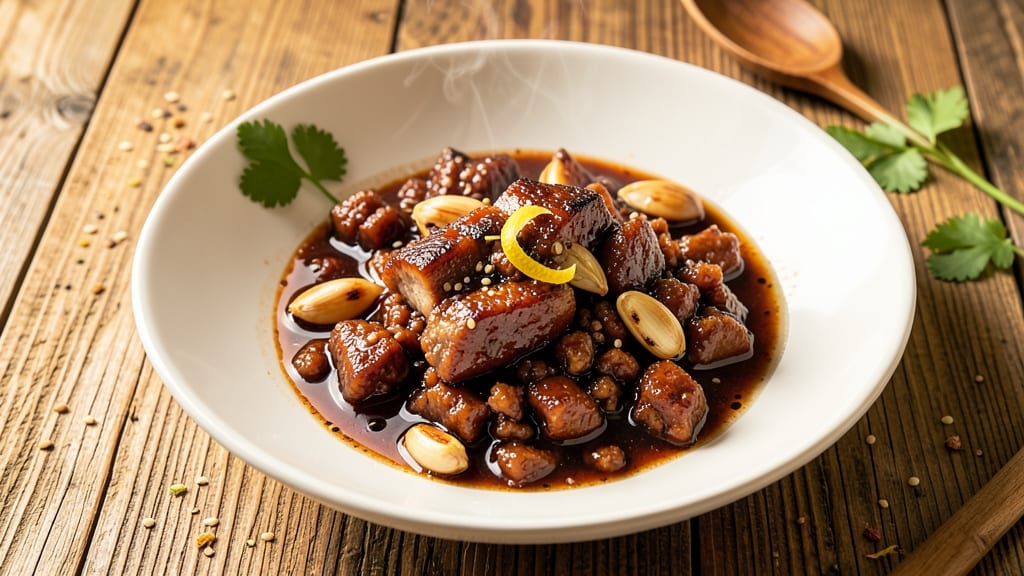
This minced pork soy sauce recipe delivers restaurant-quality stir-fry in 30 minutes with deep umami flavors that linger long after the last bite.
The secret lies in proper marinating—soy sauce, garlic, and ginger meld into the pork while you prep the rest, creating a sauce that clings perfectly to each tender piece.
I developed this technique after years of testing how to balance sweet, salty, and savory notes without overpowering the natural pork flavor.
The one-pan method ensures minimal cleanup while maximizing flavor development. You'll start with a quick sear to build caramelized edges, then let the pork simmer in its own juices with a splash of mirin and sesame oil, transforming simple ingredients into something truly special.
The result is fork-tender pork with a glossy, aromatic sauce that's rich but never heavy.
Serve this over steamed jasmine rice for the full experience, or pair with quick-pickled cucumbers to cut through the richness. The dish keeps well for up to 3 days in the fridge, making it perfect for meal prep—just reheat gently to preserve that perfect texture.
What makes this recipe stand out is how it captures the essence of traditional stir-fry while adapting to home kitchens.
For extra depth, finish with toasted sesame seeds and sliced green onions. The contrast of textures and temperatures elevates every bite, proving that authentic restaurant flavors are well within reach. Let's create this dish together—it's simpler than you think, but the results will impress even the most discerning eaters.
Ingredients for minced pork soy sauce
Pantry staples meet Asian market finds for this umami-packed stir-fry.
| Ingredient | Amount | Notes |
|---|---|---|
| Ground Pork 🐖 | 1 lb | Freshly ground preferred |
| Light Soy Sauce 🍶 | ½ cup | Kikkoman preferred for balance |
| Dark Soy Sauce 🍶 | 1 tbsp | For depth and color |
| Sesame Oil 🫒 | 1 tbsp | Toasted for aroma |
| Mirin 🍶 | 1 tbsp | Sweetens without overpowering |
| Garlic Cloves 🧄 | 6 cloves | Minced finely for even distribution |
| Fresh Ginger 🌿 | 1 tbsp | Grated, not powdered |
| Neutral Oil 🫒 | 2 tbsp | Vegetable or canola |
| Cornstarch 🌾 | 1 tsp | For tenderizing pork |
| Green Onions 🧅 | 3 whole | Sliced, for garnish |
| Toasted Sesame Seeds 🌱 | 1 tsp | For crunchy finish |
| Jasmine Rice 🍚 | 1 ½ cups | Uncooked, for serving |
| Salt 🧂 | ½ tsp | Kosher or sea salt |
| Black Pepper 🌶️ | ¼ tsp | Freshly ground |
The pork quality makes all the difference here—freshly ground pork from the butcher's counter stays juicier than pre-packaged. Kikkoman soy sauce is the gold standard for balance, but any good light soy works. For ginger, freshly grated beats powdered every time—it adds brightness the dried version can't match. If you're short on time, Trader Joe's carries pre-minced garlic and ginger in the Asian foods aisle, though fresh is always better. The cornstarch is non-negotiable—it tenderizes the pork while helping the sauce cling.
No mirin? Substitute 1 tsp sugar plus 1 tsp rice vinegar—it won't be identical, but it works. Running low on sesame oil? Swap for 1/2 tsp toasted sesame seeds mixed into the sauce, though the aroma won't be as rich. The green onions can be subbed with regular onions if needed, but the mild flavor keeps the dish balanced. For extra umami depth, add 1/2 tsp fish sauce (if not vegetarian), or 1/4 tsp MSG for a similar boost. The jasmine rice should be steamed to perfect fluffiness—1:1.5 rice-to-water ratio works every time.
This stir-fry reheats beautifully—just add a splash of water or soy sauce to deglaze the pan. Keeps 3 days in the fridge, though the flavors actually deepen overnight. For meal prep, portion into containers with a layer of rice on top to keep it from drying out. The sesame seeds and green onions can be added fresh when serving for that restaurant-quality finish. Freezes for 2 months if you want to make a big batch ahead of time—just thaw in the fridge overnight before reheating.
Why You'll Love This Recipe
- Pantry Powerhouse: I swear by this recipe because it uses stuff I already have—no fancy shopping lists. That dark soy sauce? It’s the secret that gives it that deep, caramelized richness without extra effort.
- Umami Bomb: The combo of light and dark soy sauce with mirin creates this addictive savory-sweet balance. Honestly, the first time I tasted it, I wondered why I hadn’t made it sooner.
- Leftover Hero: This stuff tastes even better the next day—perfect for meal prep. Toss it into rice bowls, noodles, or even a quick fried rice when you’re running low on time.
- Budget Magic: Ground pork stretches far, and a little sesame oil goes a long way. I’ve fed four people for under $10, and they never complain about the flavor. (Yes, even on a Tuesday night.)
Step-by-step instructions for minced pork soy sauce stir-fry
This one-pan method delivers restaurant-quality umami flavor with minimal effort.
Prepare the Pork Mixture
In a medium bowl, combine the 1 lb ground pork, 1 tsp cornstarch, 0.5 tsp salt, and 0.25 tsp black pepper. Using your hands, gently mix until the cornstarch coats the pork evenly. This creates a tenderizing effect and prevents the meat from becoming tough during cooking.
Next, add the 0.5 cup light soy sauce, 1 tbsp dark soy sauce, 1 tbsp mirin, and 1 tbsp sesame oil to the bowl. Mix thoroughly until the pork is fully coated in the marinade. Let this mixture sit for 10 minutes at room temperature while you prepare the remaining ingredients. This resting period allows the flavors to meld and the cornstarch to begin working its magic.
Cook the Aromatics and Pork
Heat a large skillet or wok over medium-high heat until hot. Add the 2 tbsp neutral oil and swirl to coat the pan evenly. Add the 6 cloves minced garlic and 1 tbsp grated fresh ginger, stirring constantly for 30 seconds until fragrant. Be careful not to let the garlic burn—it should sizzle but not darken.
Add the pork mixture to the pan, spreading it out evenly. Cook undisturbed for 2-3 minutes until the pork begins to brown and pull away from the edges. This initial searing locks in juices and builds flavor. Once you see the bottom of the pan developing a light crust, use a spatula to break the pork into smaller pieces and continue cooking for another 3-4 minutes until fully cooked through.
Finish and Serve
Reduce the heat to medium-low and let the pork cook for an additional 1-2 minutes to allow any remaining moisture to evaporate. This step ensures your stir-fry has a proper texture—tender yet slightly crispy around the edges.
Remove the skillet from heat and stir in the 3 whole sliced green onions. Sprinkle with 1 tsp toasted sesame seeds and give one final toss to distribute everything evenly. The green onions add freshness while the sesame seeds provide a delightful crunch. Serve immediately over 1.5 cups cooked jasmine rice for the perfect balance of savory and aromatic flavors.
Pro Tips For Making Minced Pork Soy Sauce
- STIR IN STAGES: Don’t dump all your soy sauces at once—add light soy first, then dark, then mirin. The dark soy needs time to bloom and deepen the color without overpowering the delicate pork flavor, and the mirin will sing if it’s not drowned out by salt.
- CHILL THE PORK: Pull the ground pork straight from the fridge and let it sit for 15 minutes before cooking. Cold meat releases less grease at first, so you’ll get better browning without a greasy mess, and the texture stays tighter.
- DON’T SKIP THE SESAME OIL LAST: Toss in the sesame oil after the pork is fully cooked and off the heat—just before serving. If you add it early, the aroma burns off, and you’re left with just the oily aftertaste instead of that nutty, toasty punch.
- USE A SPLASH OF WATER: When the pork starts sticking, add 1-2 tablespoons of water instead of more oil. It steams the meat gently, keeping it juicy while loosening the bits from the pan—no need to scrub, and the sauce stays rich, not diluted.
Common mistakes when making perfect results
Overcrowding the Pan
One of the biggest mistakes is adding too much pork to the pan at once. When you overcrowd, the pork steams instead of searing, leading to a soggy texture and diluted flavors. I've learned the hard way—always spread the pork in a single even layer.
If you need more space, cook in batches over medium-high heat, reserving the finished pork in a bowl while you sear the second batch. This ensures proper browning and caramelization for that authentic stir-fry texture. 🔥
Skipping the Rest
Many recipes call for resting the pork mixture before cooking, but I see people skip this step all the time. Letting the pork marinate for 10 minutes allows the cornstarch to work its magic, tenderizing the meat and helping the sauce cling better.
Without this step, the pork can turn out tough and the sauce may not coat properly. Trust me, those 10 minutes make a world of difference in the final result.
Burning the Garlic
Garlic is the foundation of flavor in this dish, but it's easy to burn it if you're not careful. I've ruined more stir-fries than I can count by letting the garlic turn dark and bitter. Keep the heat at medium-high and stir constantly for just 30 seconds until fragrant.
If you see any dark spots, remove the pan from heat immediately. The goal is to awaken the garlic's flavor, not char it completely.
Using Low-Quality Soy Sauce
Not all soy sauces are created equal, and using a cheap or off-brand version can make a noticeable difference. I always recommend Kikkoman light soy sauce for its balanced saltiness and clean flavor. Cheaper brands can taste overly salty or metallic, which throws off the entire dish.
If you're on a budget, look for Trader Joe's or Annie Chun's soy sauces—they're affordable and still deliver good quality. The difference is worth the extra few cents per bottle.
Ignoring the Cornstarch
The cornstarch isn't just there to thicken the sauce—it's a game-changer for the pork's texture. Without it, the pork can turn out dry and tough. I've made this mistake when I forget to include it, and the results are noticeably less tender.
Rushing the Cooking Process
Stir-fries are all about speed, but that doesn't mean you should rush the cooking. I've seen people try to cook everything at once, leading to uneven doneness and a messy pan. Take your time with each step—sauté the aromatics until fragrant, sear the pork until browned, and let it simmer just long enough to develop those deep umami flavors. Patience is key to achieving that perfect balance of textures and flavors. ⏰
Nutrition facts
Frequently asked questions
Can I substitute ground beef for the minced pork?
Yes, but expect a slightly different texture and flavor. Ground beef (especially lean varieties) can dry out faster during cooking. For best results, use a 50/50 pork-beef mix and reduce cooking time by 1 minute. Add 1 tsp extra mirin to compensate for the beef's stronger flavor. Avoid extra-lean ground beef—it lacks the fat needed for juicy results.
How can I make this recipe vegetarian?
Swap the pork for 1 lb extra-firm tofu or mushroom blend (shiitake + oyster mushrooms). Press tofu for 15 minutes, then crumble into small pieces. Use 2 tbsp vegetarian oyster sauce plus 1 tbsp maple syrup to replace the pork's umami depth. The cornstarch step remains essential for texture—don't skip it!
Why does my stir-fry turn out watery?
Watery stir-fries usually result from overcrowding the pan or using too much liquid in the marinade. The pork should release its own juices—never add extra water or broth. For extra insurance, pat the pork dry before marinating. Also, ensure your pan is properly heated before adding oil (it should shimmer when oil is added).
Can I make this ahead of time?
This dish actually tastes better the next day as flavors meld. Store in an airtight container in the fridge for up to 3 days. Reheat gently in a skillet with 1 tsp neutral oil over medium-low heat for 3-4 minutes, stirring occasionally. For the best texture, add fresh green onions and sesame seeds after reheating.
What's the best way to serve leftovers?
Transform leftovers into delicious new meals! Use as filling for steamed buns or rice paper rolls. Mix with cooked noodles for a quick stir-fry. For a hearty breakfast, serve over scrambled eggs with extra green onions. The sauce also works as a dipping sauce—simmer with 1 tsp honey and 1 tsp rice vinegar for extra brightness.