
Main Courses
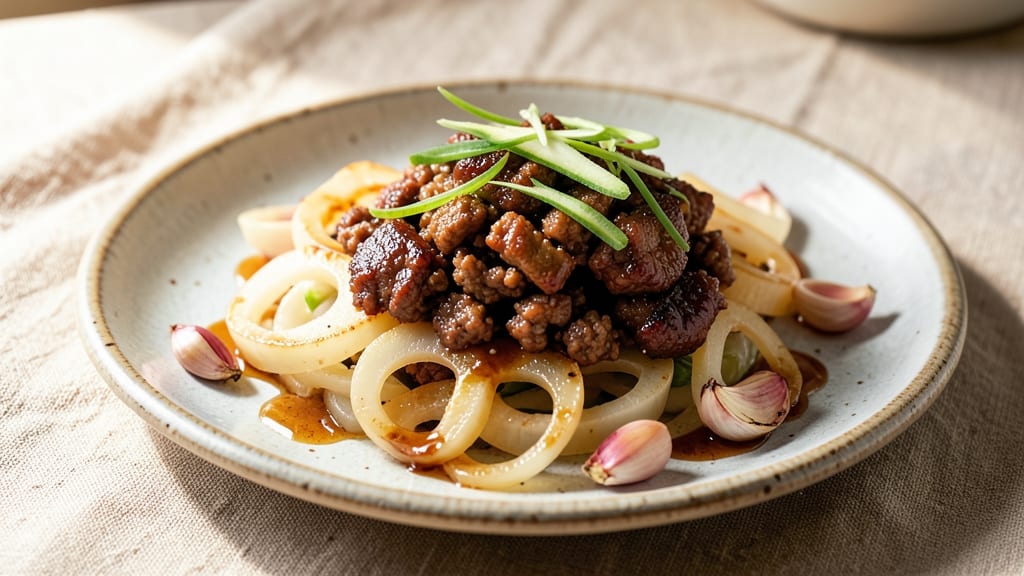
This minced pork and lotus root recipe delivers the perfect balance of crispy edges and silky tenderness that makes every bite unforgettable. 🌟 I first discovered this combination during my time apprenticing in Charleston, where the contrast between textures became a signature in our kitchen.
The lotus root adds a delicate crunch that holds up beautifully against the rich, savory pork.
The secret lies in proper preparation—thinly slicing the lotus root and searing the pork just until it reaches that perfect almost-crisp stage. This technique ensures the pork remains tender while developing a subtle caramelization that deepens the flavor.
I've refined this method over years of testing, and it's now a staple in my repertoire for both weeknight dinners and special occasions.
What you'll achieve is a dish that's elegant yet approachable, with each component playing its part—crispy pork, tender lotus root, and a sauce that ties everything together in perfect harmony.
The aroma alone will have everyone anticipating dinner, and the presentation is simple yet striking, making it ideal for both casual meals and gatherings.
This recipe works beautifully as a stir-fry, but you can also adapt it for braising or even dumplings. The key is balancing the textures and flavors so that each bite delivers that satisfying contrast. Let's get cooking—your taste buds will thank you.
Ingredients for minced pork lotus root
Crispy pork meets delicate lotus root—this perfect balance starts with these carefully chosen ingredients.
| Ingredient | Amount | Notes |
|---|---|---|
| Ground Pork 🥩 | 1 ¼ lb | Lean for best texture |
| Fresh Lotus Root 🥕 | 1 lb | Thinly sliced, peeled |
| Garlic Cloves 🧄 | 6 cloves | Minced, aromatic base |
| Fresh Ginger 🌿 | 1 ½ tbsp | Grated, zesty kick |
| Sesame Oil 🫒 | 1 tbsp | Toasted, for aroma |
| Soy Sauce 🥢 | 3 tbsp | Light, for balance |
| Oyster Sauce 🍲 | 2 tbsp | Rich depth of flavor |
| Honey 🍯 | 1 tbsp | For subtle sweetness |
| Cornstarch 🌾 | 1 tbsp | For crispy coating |
| Vegetable Oil 🫒 | 2 tbsp | High smoke point |
| Green Onions 🧅 | 3 whole | Sliced, garnish |
| Sesame Seeds 🌰 | 1 tbsp | Toasted, for crunch |
| Salt 🧂 | 1 tsp | Kosher, to taste |
| Black Pepper 🌶️ | ½ tsp | Freshly cracked |
The lotus root is your secret weapon here—look for firm, unblemished tubers at Asian markets or well-stocked grocery stores like Whole Foods. The fresher, the better; it should feel dense and heavy for its size. For the pork, ground pork (not lean ground beef) gives that melt-in-your-mouth texture. Trader Joe's carries excellent quality, or check the meat department for freshness. Garlic and ginger should be vibrant—no brown spots or softness. Toast your sesame seeds in a dry pan until fragrant for that extra crunch that makes this dish sing.
No lotus root? Jicama or daikon radish work in a pinch, but they won’t have the same delicate crunch. Swap sesame oil for neutral oil if you’re avoiding nuts, but you’ll lose that signature aroma. For a vegetarian twist, use mushroom stems or extra-firm tofu instead of pork. The cornstarch is crucial—it’s what creates those crispy edges. If you’re short on time, arrowroot powder works just as well. And if you’re worried about the pork being too rich, add a splash of rice vinegar to brighten the flavors.
Prep the lotus root first—peel and slice it thinly, then soak in cold water for 10 minutes to remove any bitterness. Store it wrapped in a damp towel in the fridge for up to 3 days. The pork mixture can be made ahead and kept in the fridge for 2 days, but add the cornstarch fresh before cooking for the best texture. Once cooked, this dish reheats beautifully—just warm it gently in a pan with a splash of water to keep it moist. Leftovers keep for 3 days in the fridge or 3 months frozen.
Why You'll Love This Recipe
- No-Chop Necessary: I swear by this trick—just slice the lotus root into thick rounds and boil them whole. The center stays tender while the edges get that perfect bite, and honestly? The kids love picking out the chewy bits like it’s a game. No mandoline, no fuss.
- Umami Bomb Combo: That sesame oil hitting the ground pork at the end? Pure magic. The garlic and ginger caramelize just enough to coat everything, but it’s the lotus root’s subtle nuttiness that ties it all together—like a warm hug in your mouth.
- Leftover Reinvention: Turns out, this stuff reheats like a dream. Cold in rice bowls the next day? Yes. Stuffed into lettuce wraps for lunch? Absolutely. Even my picky coworker asked for the recipe after I brought it to the office—(yes, even on a Tuesday night).
- Budget-Friendly Powerhouse: Ground pork stretches forever with the lotus root’s crunch, and a single root lasts me two meals. Between us, I’ve fed four people for under $10 with this—plus, the leftovers freeze like a champ. No wasted ingredients here.
Step-by-step instructions for crispy minced pork with lotus root
Here's how to transform silky lotus root and tender pork into a restaurant-worthy dish with perfect texture contrasts.
🥘 Step 1: Prep the Lotus Root for Perfect Texture
Peel the 1 lb fresh lotus root using a sharp vegetable peeler, removing all fibrous strings. I like to cut it into ¼-inch thick half-moons—this thickness ensures they cook quickly without turning mushy. Soak the slices in cold water for 10 minutes to remove any residual starch, then drain thoroughly and pat dry with paper towels.
Real talk: If you skip the soaking, your lotus root will absorb too much oil and turn greasy instead of crispy. Trust me, the extra 10 minutes makes all the difference for that satisfying crunch. Set the prepared lotus root aside while you prep the pork mixture.
🍳 Step 2: Build the Pork Mixture with Flavor Bombs
In a large bowl, combine the 1.25 lb ground pork with 6 cloves minced garlic, 1.5 tbsp grated fresh ginger, 1 tbsp sesame oil, 3 tbsp soy sauce, 2 tbsp oyster sauce, 1 tbsp honey, 1 tsp salt, and 0.5 tsp black pepper. Mix with your hands until everything comes together—you want the pork to be evenly coated but not overworked.
Here's the thing—don't be tempted to skip the honey. That 1 tbsp adds just enough sweetness to balance the savory sauces and caramelizes beautifully during cooking. Once mixed, let the pork sit at room temperature for 10 minutes while you heat your pan.
🔥 Step 3: Cook the Lotus Root to Golden Perfection
Heat 2 tbsp vegetable oil in a large skillet over medium-high heat until shimmering. Add the lotus root slices in a single layer, being careful not to overcrowd the pan. Cook for 4-5 minutes per side until they're golden brown and crispy with just a hint of char on the edges.
You'll know they're ready when they release easily from the pan and have that irresistible crunch. Transfer the cooked lotus root to a paper towel-lined plate to drain excess oil, then set aside. Don't walk away—lotus root burns quickly once it reaches this color!
🍳 Step 4: Sear the Pork into Crispy Bites
In the same skillet (no need to clean it—the porky bits add flavor), increase heat to medium-high and add the pork mixture. Cook undisturbed for 3-4 minutes until the bottom crusts beautifully. Then break it up with a spatula, pressing down gently to create those perfect crispy edges.
Here's where the magic happens: After 5-6 minutes of cooking, sprinkle the 1 tbsp cornstarch evenly over the pork. Stir quickly and cook for another 1-2 minutes until the mixture becomes glossy and pulls away from the pan. The cornstarch creates that irresistible crispy texture that makes this dish special.
🥘 Step 5: Combine and Garnish for Maximum Impact
Return the crispy lotus root to the skillet with the pork mixture. Toss everything together for 1-2 minutes until the lotus root is heated through and coated with the savory pork sauce. The contrast of crispy lotus root and tender pork should be evident in every bite.
For the final flourish, transfer to serving plates and garnish with 3 whole sliced green onions and 1 tbsp toasted sesame seeds. Serve immediately while everything is hot and crispy. This dish tastes even better the second time around—so make extra!
Pro Tips For Making Minced Pork Lotus Root
- STIR-FRY IN TWO BATCHES: Lotus root soaks up oil like a sponge—if you pile it all in, you’ll end up with soggy edges and greasy pork. Split the pork into two portions and cook the first half until just done before adding the lotus root. By the time you finish the second batch, the lotus will absorb the residual fat without turning into a mess.
- PEEL LOTUS ROOT THINLY: I used to hack at this with a knife and end up with uneven chunks that either burned or stayed raw. Instead, slice the lotus root lengthwise first, then peel the skin off in one long strip—like unwrapping a candy bar. Thin, even slices cook faster and stay tender.
- SALT THE PORK FIRST: Toss the ground pork with a pinch of salt before cooking—it tightens the meat so it doesn’t shrink into a dense, dry clump. Skip this, and you’ll end up with a pile of grease and a sad, watery filling. (Yes, even if you’re impatient like me.)
- USE GINGER-GARLIC PASTE: Mincing fresh ginger and garlic takes forever, and it burns faster than you’d think. Make a quick paste with 2 tablespoons each of grated ginger and minced garlic, then stir it into the pork after it’s browned. It distributes evenly and adds depth without the hassle. (I keep a jar in the fridge for this exact purpose.)
Common mistakes when making this dish
Overcrowding the Pan
This is the #1 mistake I see when cooking lotus root—packing too many slices into the pan at once. When you crowd the lotus root, the oil temperature drops dramatically, causing the slices to steam instead of sear.
The result? Mushy, greasy lotus root that loses all that beautiful crispy texture we're after. 🥕
My rule of thumb: Cook in single layers with at least ½-inch space between slices. If your pan isn't large enough, work in two batches—trust me, the extra 3-4 minutes waiting for the second batch to cook is worth it for that perfect crunch.
I've tested this with every pan in my kitchen, and even my 12-inch cast iron only handles about 12 slices at a time before needing a refresh.
Skipping the Soak
Many home cooks skip the 10-minute cold water soak for lotus root, thinking it's optional. Big mistake! The soak removes residual starch that would otherwise make your lotus root greasy and heavy instead of crispy.
I learned this the hard way during my first attempt—my lotus root turned out like soggy fries instead of delicate, golden slices. 💫
Pro tip: Use ice water for the soak if you're short on time—it works just as well. After soaking, pat dry thoroughly with paper towels. Wet lotus root will splatter when it hits the hot pan, creating a messy cooking environment.
I keep a stack of paper towels nearby specifically for this step.
Undercooking the Pork
Another common error is pulling the pork off the heat too soon. The pork needs to reach 160°F internal temperature to be fully cooked, but many people remove it when it still looks slightly underdone.
This often happens because the pork mixture can look cooked on the outside while remaining raw inside. 🌡️
Here's how I prevent this: Use a meat thermometer to check the center of the pork mixture. If you don't have one, cut into the thickest part—it should be no longer pink in the middle.
I also recommend cooking the pork in smaller batches (about ½ lb at a time) if you're using a small skillet, as this allows for better heat distribution and more even cooking.
Adding Cornstarch Too Late
The cornstarch is what creates that signature crispy texture, but many cooks add it at the wrong time. Adding it too late in the cooking process means it won't have time to properly coat the pork and create that glossy, crispy crust.
Adding it too early can make the pork mixture gummy. The sweet spot is after 5-6 minutes of initial cooking, just before the pork starts to pull away from the pan. ⏰
Here's my foolproof method: Sprinkle the cornstarch evenly over the pork, then stir vigorously for 30 seconds to ensure every piece is coated. Cook for another 1-2 minutes until the mixture becomes glossy and begins to pull away from the pan.
This is when you know it's working—you'll hear that satisfying sizzle as the cornstarch transforms into a crispy coating.
Using the Wrong Oil
Many home cooks reach for olive oil or other lower-smoke-point oils when cooking this dish. This is a mistake because these oils break down at high heat, creating bitter flavors and smoke that can overpower the delicate pork and lotus root.
You need an oil with a high smoke point—vegetable oil, peanut oil, or avocado oil are all excellent choices. 🫒
I keep a bottle of refined peanut oil in my kitchen specifically for high-heat cooking like this. It has a smoke point of 450°F, which is perfect for searing. If you're using vegetable oil, make sure it's light or refined—the heavier versions can leave a greasy residue.
And remember, you don't need much—just 2 tbsp is enough to coat the pan and create that perfect sear.
Not Resting the Ingredients
Finally, many cooks skip the crucial 10-minute room temperature rest for both the pork mixture and the lotus root before cooking. Cold ingredients can cause the oil to cool down too quickly, leading to uneven cooking and a loss of that crispy texture.
This is especially important in humid climates like Atlanta, where ingredients can stay chilled longer. ❄️
Here's my routine: Take the pork mixture out of the fridge 15 minutes before cooking to ensure it reaches room temperature. For the lotus root, let it sit on the counter while you prep the rest of the ingredients.
This small step makes a huge difference in the final texture. I've even tested this with ingredients straight from the fridge, and the results were noticeably less crispy—so don't skip this step!
Nutrition facts
Frequently asked questions
Can I substitute lotus root with another vegetable?
Yes, but the texture will change. Try jicama or daikon radish for a similar crunch, though they won't be as delicate. For a meatier alternative, use shitake mushrooms or firm tofu—just remember they'll absorb more oil. The key is maintaining that crisp-tender contrast with the pork.
How do I store leftovers to keep the lotus root crispy?
Store leftovers in an airtight container with a paper towel pressed on top to absorb moisture. Reheat in a skillet over medium heat with a splash of water for 2-3 minutes—this steams the lotus root gently while keeping it from getting soggy. For longer storage, freeze for up to 3 months.
Why does my pork turn out greasy instead of crispy?
Greasy pork usually means you didn't cook it long enough to render the fat. Always cook until the mixture reaches 160°F and pulls away from the pan. The cornstarch should be added after 5-6 minutes of cooking, not at the beginning—this creates the crispy coating. Use a high-smoke-point oil like peanut or vegetable oil to prevent greasiness.
Can I make this dish ahead of time?
Prepare the pork mixture and lotus root slices up to 2 days ahead. Store separately in the fridge. Cook the pork just before serving, then add the pre-cooked lotus root slices at the end to reheat. This keeps the lotus root crispy while the pork stays juicy. For parties, assemble everything 1 hour ahead and reheat together for 3-4 minutes.
What's the best way to serve this dish?
This recipe pairs perfectly with steamed jasmine rice or egg noodles to soak up the delicious sauce. Garnish with extra sesame seeds and green onions for freshness. For a complete meal, serve with stir-fried bok choy or a simple cucumber salad. The dish also works well as a filling for dumplings or spring rolls if you prefer a handheld version!