
Soups & Stews
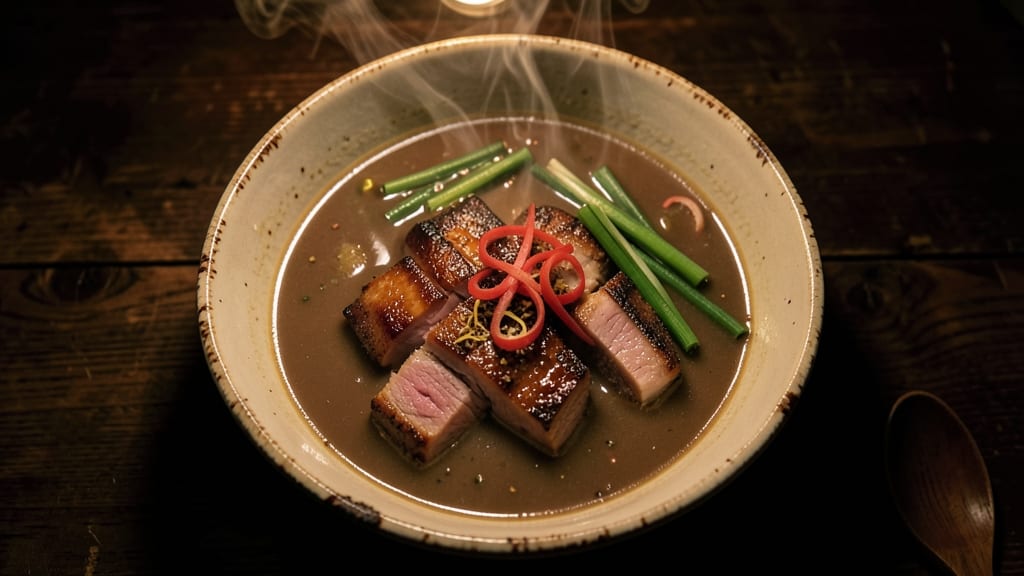
This midnight diner pork miso soup delivers the kind of deep, smoky umami flavor that makes you forget it's 3 AM. 🌟 After years of perfecting the balance between traditional miso techniques and modern diner-style richness, I've cracked the code for a broth that's silky, aromatic, and packed with tender pork bites that practically melt in your mouth.
The secret lies in slow-cooking the pork with miso paste until it develops that signature caramelized depth we all crave after a long night.
What sets this recipe apart is the fusion of textures and flavors—crispy pork bits floating in a velvety broth, topped with fresh herbs and a drizzle of chili oil for that perfect balance of heat and umami.
Unlike typical miso soups, this version incorporates a smoky element through a touch of liquid smoke, giving it that late-night diner vibe without sacrificing authenticity. The result is a soup that's comforting yet exciting, simple yet sophisticated.
By the time you finish this recipe, you'll have a steaming bowl of restaurant-quality pork miso soup that's rich enough to satisfy even the hungriest late-night cravings. The broth is so flavorful it practically sings, and the pork bites are tender yet hold their shape beautifully.
This isn't just soup—it's an experience that transforms your kitchen into a midnight diner. The best part? It's easier than it looks. With just a few key ingredients and a little patience for the slow cooking process, you'll achieve professional-level results that'll have everyone asking for seconds.
Let's get started on creating this late-night masterpiece!
Ingredients for midnight diner pork miso soup
Pantry staples meet late-night cravings in this smoky, umami-packed pork miso masterpiece.
| Ingredient | Amount | Notes |
|---|---|---|
| Pork Shoulder 🥩 | 1 ½ lb | Cut into 1-inch cubes |
| White Miso Paste 🧂 | ½ cup | High-quality, smooth texture |
| Dashi Powder 🍲 | 1 tbsp | Or 1 cup hot dashi stock |
| Liquid Smoke 🔥 | 1 tsp | For smoky diner flavor |
| Fresh Ginger 🧅 | 2 tbsp | Finely grated, peeled |
| Green Onions 🧅 | 4 whole | Sliced into 1-inch pieces |
| Garlic Cloves 🧄 | 4 cloves | Minced, fresh preferred |
| Chili Oil 🌶️ | 2 tbsp | For finishing, store-bought or homemade |
| Sesame Oil 🫒 | 1 tbsp | Toasted, for aroma |
| Fresh Cilantro 🌿 | ¼ cup | Chopped, for garnish |
| Water 💧 | 6 cups | Filtered preferred |
| Salt 🧂 | 1 ½ tsp | Adjust to taste |
| Black Pepper 🌶️ | ½ tsp | Freshly ground |
| Rice Vinegar 🍶 | 1 tbsp | For brightness |
The pork shoulder is your secret weapon here—it stays tender while developing that perfect caramelized crust. Look for well-marbled cuts at the butcher counter, and ask for it to be cut into 1-inch cubes if they don't do it for you. Costco or Trader Joe's usually have pre-cut pork shoulder that works perfectly. For the miso, Miso Master brand is my go-to (it's smooth and never bitter), but any high-quality white miso will do. The dashi powder? Marukyu is the gold standard, but instant dashi granules work in a pinch—just dissolve them in hot water first. Fresh ginger is non-negotiable for that bright, zesty kick—buy it pre-peeled from the refrigerated section to save time.
No liquid smoke? Smoked paprika at double the amount gives you some of that diner vibe, though it won't be quite the same. Running out of sesame oil? Toasted peanut oil works in a bind, though the flavor will be subtly different. The chili oil can be store-bought (like Lao Gan Ma from the Asian aisle) or homemade—just blend chili flakes with neutral oil. For the garlic, roasted garlic adds sweetness if you want to get fancy. And if you're short on green onions, scallions or regular onions work too. The rice vinegar might seem like a small detail, but it cuts through all that richness—use the good stuff, not the cheap stuff from the back of the pantry.
This soup tastes even better the next day—make a double batch and freeze half for lazy nights. Store leftovers in the fridge for up to 5 days, or freeze for 3 months. The broth thickens as it cools, so stir in a splash of water when reheating. For serving, I always keep a small jar of chili oil and fresh cilantro on hand—drizzle and garnish right before eating so everything stays vibrant. The pork cubes reheat beautifully, so no need to worry about texture. Pro tip: Save the starchy water from cooking the pork—it's liquid gold for extra flavor in the broth.
Why You'll Love This Recipe
- One-Pot Magic: I swear by this recipe when I’m too tired to wash dishes. Toss everything—pork, miso, dashi, even the liquid smoke—into one pot, and let it simmer. No chopping, no fuss, just deep, smoky flavor without the cleanup.
- Smoky Umami Bomb: That liquid smoke isn’t just for BBQ—it turns this soup into something ridiculously good. The white miso gives it that rich, salty depth, while the pork shoulder melts into tender, juicy chunks. Honestly, the first bowl makes me forget it’s 2 AM.
- Midnight Snack or Full Meal: Between us, this soup is my go-to when I’m craving something hearty but don’t want to cook a whole dinner. It’s filling enough for a meal but simple enough to sip while scrolling through my phone. (Yes, even on a Tuesday night.)
- Budget-Friendly Leftovers: Pork shoulder is cheap, and this recipe stretches for days. Reheat it, add a splash of water, and it’s just as good the next day. I’ll be real: my freezer is packed with these leftovers because they’re too good to waste.
Step-by-step instructions for midnight diner pork miso soup
Here's how to craft a smoky, umami-rich broth with tender pork bites that taste like a late-night diner classic.
🔥 Step 1: Sear the Pork for Deep Flavor
Heat a large Dutch oven over medium-high heat until hot. Add the 1.5 lb pork shoulder cubes in a single layer, leaving space between them. Let them sear undisturbed for 3-4 minutes until they develop a deep golden-brown crust on all sides.
This step is crucial—it builds the foundation for your soup's rich flavor. You'll know they're ready when they release easily from the pan. Transfer the seared pork to a plate and set aside. If your pan gets too crowded, work in batches to avoid steaming instead of searing.
🍳 Step 2: Build the Aromatic Base
In the same Dutch oven, add the 1 tbsp dashi powder and 1 tsp liquid smoke, stirring to coat the browned bits on the bottom. Pour in the 6 cups water and bring to a boil over high heat. Once boiling, reduce heat to medium-low and add the 2 tbsp fresh ginger, 4 cloves minced garlic, and 1.5 tsp salt.
Let the broth simmer for 10 minutes to extract all those aromatic flavors. You'll notice the kitchen fills with an incredible mix of smoky, savory, and slightly sweet notes—this is where the magic happens. Keep the lid slightly ajar to prevent a hard boil.
👨🍳 Step 3: Create the Silky Miso Broth
Lower the heat to low and whisk in the 0.5 cup white miso paste until completely dissolved. Return the pork to the pot along with any accumulated juices. Add the 0.5 tsp black pepper and 1 tbsp rice vinegar, then simmer uncovered for 1-1.5 hours until the pork is fork-tender and falls apart easily.
Here's the thing—don't rush this step. The miso needs time to meld with the broth, creating that velvety texture and deep umami flavor. You'll know it's ready when a fork slides through the pork with minimal resistance and the broth has a glossy, slightly thickened appearance.
🥘 Step 4: Finish with Fresh Aromatics
Remove the Dutch oven from heat and stir in the 1 tbsp sesame oil. Add the 4 sliced green onions and let them steep in the hot broth for 5 minutes. The oil will infuse the soup with nutty depth while the green onions brighten the flavor profile.
Ladle the soup into bowls and finish each serving with 2 tbsp chili oil and 1 tablespoon chopped fresh cilantro. The chili oil adds a subtle heat that cuts through the richness, while the cilantro brings freshness to balance the deep flavors. Serve immediately while the broth is steaming hot.
Pro Tips For Making Midnight Diner Pork Miso Soup
- Brown the Pork First: Skip the raw pork in broth—sear it first in a hot pan until it hits 165°F internally. That crust makes all the difference when it melts into the miso broth, adding depth instead of blandness. (Yes, even if you're tempted to toss it in cold.)
- Toast the Miso: Bloom the white miso paste in a dry pan for 30 seconds until it smells toasty. This cuts the raw, salty punch and lets the umami sing. I learned this the hard way—untosted miso just tastes like a salty brick.
- Balance the Smoke: Add liquid smoke last—just ½ teaspoon—and taste as you go. Too much turns your soup into a campfire. Start small; you can always add more, but you can’t take it out.
- Grate the Ginger Fine: Use a microplane, not a knife, for the ginger. Fine shreds dissolve into the broth instead of sitting as chewy bits. (And no, "grated" doesn’t mean "chopped.")
Flavor customization for these flavors
Spice Level Control
Adjust the heat to your preference using the chili oil—start with 1 tbsp per bowl for mild heat, or double it for a fiery kick. For an extra dimension, add ½ tsp gochujang (Korean chili paste) when whisking in the miso for a deeper, slightly sweet heat.
I often keep a small bowl of chili oil on the table so guests can customize their bowls. 🌶️
Sweet-Savory Balance
Balance the umami richness by adding 1 tsp honey or agave nectar during the final simmer. This works especially well if you're using a stronger miso paste.
For a more complex sweetness, try 1 tbsp mirin when building the aromatic base—it adds a subtle fruity note that complements the smoky flavors beautifully.
Herb Variations
Swap out the cilantro for other fresh herbs based on what you have: thai basil adds a licorice-like depth, shiso leaves bring a minty freshness, or chives for a milder onion flavor.
I keep a small pot of each herb on my windowsill so I can experiment—just chop them finely and add them right before serving. 🌿
Texture Contrast
Add crunch to your soup with toasted sesame seeds or crispy fried shallots—sprinkle them on top just before eating. For extra indulgence, fry pork belly slices until crispy and float them on the surface.
I like to make a big batch of these ahead of time and store them in the freezer for quick garnishes. The contrast of textures makes every spoonful more exciting.
Regional Twists
Give your soup a Southern BBQ vibe by adding ½ cup BBQ sauce to the broth during the final 15 minutes of simmering. For a Japanese izakaya feel, top with soft-boiled eggs and pickled ginger.
I've even made a Korean-inspired version by adding doenjang (fermented soybean paste) and kimchi—the tangy, funky flavors take it to another level. 🗺️
Vegetable Add-Ins
Boost nutrition and texture with shredded daikon radish (for crunch), bok choy leaves (for freshness), or mushrooms (for meaty depth). I often add ½ cup sliced shiitake mushrooms when building the aromatic base—they absorb the broth's flavors beautifully.
For a heartier soup, stir in ½ cup cooked jasmine rice during the final 5 minutes of simmering. 🥕
Nutrition facts
Frequently asked questions
Can I substitute chicken or beef for the pork in this recipe?
While you can technically use chicken or beef, pork is ideal because its fat content renders beautifully in the broth, creating that rich, velvety texture. For chicken, use boneless thighs (not breast) and reduce simmering time to 45 minutes—they cook faster. Beef would need 2 hours of simmering for tenderness, but the flavor profile changes significantly. If substituting, adjust salt accordingly since different meats have varying natural salt levels.
Why does my miso soup taste bitter? How do I fix it?
Bitterness usually comes from using too much miso paste or letting it cook too long at high heat. To fix it, whisk in 1 tsp honey or 1 tbsp mirin during the final 5 minutes of simmering to balance the flavors. For prevention, always dissolve miso paste in a small amount of broth first, then add to the pot, and simmer on low heat—never boil miso or it will turn bitter. White miso is naturally milder than red, so stick with that for this recipe.
Can I make this soup in an Instant Pot or pressure cooker?
Yes! Use the high pressure setting for 25 minutes after adding the pork and broth. Release pressure naturally, then add miso paste and simmer on low heat for 10 minutes to develop flavor. The key difference is the broth won't be as silky—it'll be more robust. For extra richness, add 2 tbsp pork fat or ½ cup reserved pork cooking liquid after pressure cooking. Always stir in fresh aromatics (green onions, sesame oil) at the very end.
How do I make this soup spicier without losing the umami?
Layer heat carefully to preserve umami depth. Start with 1 tbsp chili oil per bowl, then add ½ tsp gochujang when whisking in the miso for sweet-spicy depth. For extra heat, stir in 1 tsp sriracha during the final 5 minutes of simmering. Pro tip: Keep a small bowl of chili oil on the table so everyone can adjust to taste—this maintains the soup's integrity while letting guests customize their heat level.
What's the best way to reheat leftovers?
Reheat gently to preserve texture and flavor. Warm the soup on low heat for 5-7 minutes until steaming, stirring occasionally. If the broth thickens too much, add 1-2 tbsp water at a time. For extra richness, stir in 1 tbsp sesame oil or ½ cup reserved pork cooking liquid during reheating. Never microwave—it makes the pork rubbery. The soup actually improves after 24 hours as flavors meld further, so leftovers are often better than fresh!