
Main Courses
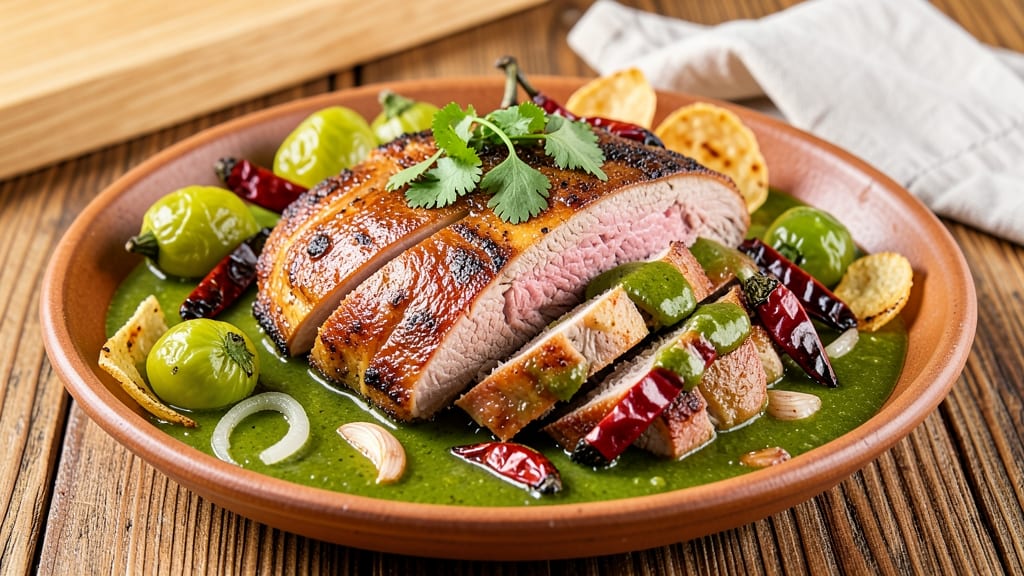
This Mexican pork verde recipe delivers restaurant-quality results with tender pork simmered in a vibrant, smoky tomato-chile sauce. After years of perfecting braising techniques in my Atlanta kitchen, I've developed a method that transforms tough pork shoulder into melt-in-your-mouth perfection while preserving the authentic flavors of Mexico's heartland.
The secret lies in slow-cooking the meat until it's fork-tender while building layers of flavor through charred tomatillos and fresh herbs.
The dish begins with a classic salsa verde base—tomatillos roasted until blistered, blended with garlic, onion, and chiles to create a bright, tangy sauce that's both complex and approachable.
What sets this recipe apart is the balance between traditional techniques and modern convenience; you can achieve the same results whether you use a Dutch oven on the stove or an Instant Pot for hands-off cooking.
The pork absorbs the sauce beautifully, resulting in meat that's juicy and infused with smoky, slightly sweet notes.
By the time you serve this dish, you'll have a complete meal that's ready to impress: tender pork that falls apart at the touch of a fork, paired with its rich green sauce. The aroma alone—smoky, earthy, with bright herbal notes—will bring your kitchen to life.
This recipe serves four generously, making it perfect for family dinners or gathering friends when you want to showcase authentic Mexican flavors without the fuss.
Serve with warm corn tortillas, steamed white rice, and refried beans for a complete meal that's both comforting and sophisticated. The leftovers actually taste better the next day as the flavors continue to meld, making this a perfect recipe for meal prep. Let's get cooking—your taste buds will thank you.
Ingredients for mexican pork verde
Pork shoulder, charred tomatillos, and fresh herbs—just 14 ingredients for restaurant-style pork verde.
| Ingredient | Amount | Notes |
|---|---|---|
| Pork Shoulder 🥩 | 3 lb | Bone-in, cut into 2-inch chunks |
| Tomatillos 🍅 | 1 ½ lb | Husk removed, rinsed |
| Serrano Peppers 🌶️ | 4 whole | Stems removed, halved |
| White Onion 🧅 | 1 whole | Quartered, skin on |
| Garlic Cloves 🧄 | 6 cloves | Peeled, smashed |
| Fresh Cilantro 🌿 | ½ cup | Stems removed, loosely packed |
| Fresh Epazote 🌿 | ¼ cup | Chopped, if available |
| Beef Broth 💧 | 2 cups | Low-sodium preferred |
| Extra-Virgin Olive Oil 🫒 | ¼ cup | For roasting |
| Lime 🍋 | 1 whole | Juiced, seeds removed |
| Salt 🧂 | 2 tsp | Kosher or sea salt |
| Ground Black Pepper 🌶️ | ½ tsp | Freshly ground |
| Cumin 🌿 | 1 tsp | Ground, toasted |
| Oregano 🍃 | 1 tsp | Dried, Mexican preferred |
The pork shoulder is non-negotiable here—bone-in, cut into 2-inch chunks—for maximum flavor and tenderness. Look for well-marbled cuts at Whole Foods or your local butcher shop; the marbling ensures juicy meat. Tomatillos are the heart of the sauce, so grab a pound at H-E-B or Mexican markets—they should feel firm and heavy for their size. Serrano peppers add heat, but if you prefer milder flavor, swap in jalapeños. Toasting the cumin and oregano in a dry pan before adding to the sauce? Worth the extra minute—it deepens the earthy notes that define this dish.
No serrano peppers? Jalapeños or poblano peppers work in a pinch, but adjust the heat level—poblano means less fire. Fresh epazote is ideal, but dried oregano at half the amount gets you close. The beef broth should be low-sodium; if you can't find it, water plus 1 tsp bouillon works. For the tomatillos, if they're tough to find, green tomatoes work in a bind, but they'll change the sauce's tang. The lime juice is crucial—freshly squeezed makes all the difference, so don't skip the zest either.
This dish tastes even better the next day, so double the batch if you're feeding a crowd. Store in airtight containers for 4-5 days in the fridge, or freeze for up to 3 months. The sauce thickens as it cools, so a splash of water or broth thins it out when reheating. I always make extra sauce—it's perfect for tacos, tostadas, or even scrambled eggs the next morning.
Why You'll Love This Recipe
- One-Pot Magic: I swear by this—just toss everything in one pot, let the pork shoulder slow-cook, and the tomatillos and serranos turn into that tangy, herb-packed sauce without any extra cleanup. The onions caramelize right in the pot, so you’re not stuck with a sink full of pans.
- Tangy-Garlicky Bliss: That bright, citrusy tomatillo base with serrano heat and garlic? It’s ridiculously good—especially when the pork gets fork-tender and soaks up all that flavor. Honestly, the first time I tasted it, I immediately made a double batch.
- Weeknight or Party Star: Make it for Tuesday dinners or Sunday fundays—it’s that adaptable. Serve it with rice and tortillas for a casual meal, or pile it high on a platter with lime wedges for guests. My husband even sneaks leftovers for lunch the next day.
- Budget-Friendly Feast: Pork shoulder is cheap, and a few tomatillos go a long way when blended into sauce. Stretch it further by freezing leftovers—this recipe feeds four but easily turns into six portions. (Yes, even on a tight grocery budget.)
Step-by-step instructions for Mexican pork verde
Here's how to transform tough pork shoulder into fork-tender meat with a vibrant, smoky verde sauce.
Roast the Pork Shoulder for Maximum Flavor
Preheat your oven to 325°F. Pat the 3 lb pork shoulder dry with paper towels and rub it generously with 2 tsp salt, 0.5 tsp ground black pepper, 1 tsp cumin, and 1 tsp oregano. Place the meat in a roasting pan and cover tightly with aluminum foil.
Roast for 3 hours until the internal temperature reaches 195°F and the meat is fork-tender. This low-and-slow method breaks down the collagen for melt-in-your-mouth texture. Remove from oven and let it rest for 30 minutes before shredding - this resting period is crucial for juicy meat.
Char the Tomatillos and Aromatics for Deep Flavor
While the pork rests, heat 0.25 cup extra-virgin olive oil in a large skillet over medium-high heat. Add the 1 whole white onion (quartered) and 4 whole serrano peppers (halved), cooking for 8-10 minutes until the onion is deeply caramelized and the peppers are charred in spots. Remove and set aside.
In the same skillet, add the 6 cloves garlic cloves (smashed) and cook for 30 seconds until fragrant but not browned. This quick cooking preserves their sweetness while building flavor. Transfer the garlic to a blender along with the charred vegetables.
Blend the Verde Sauce to Perfection
Add the 1.5 lb tomatillos (husks removed and rinsed), 0.5 cup fresh cilantro (stems removed), and 0.25 cup fresh epazote (if available) to the blender with the charred vegetables. Pulse until combined, then add 2 cups beef broth, juice of 1 whole lime (seeds removed), and blend until completely smooth.
Taste the sauce and adjust seasoning with additional salt if needed. The sauce should be bright green with a tangy, slightly spicy flavor. Strain through a fine-mesh sieve if you prefer a smoother texture, but I like the rustic texture from the blended vegetables.
Simmer the Pork in Verde Sauce
Shred the rested pork shoulder using two forks, discarding any large fat pieces. In a large Dutch oven, combine the shredded pork with the verde sauce. Bring to a simmer over medium heat and cook for 15-20 minutes until the pork is fully coated and the sauce has thickened slightly.
Here's the thing - don't rush this step. The pork needs time to absorb all that beautiful verde flavor. The sauce should coat the back of a spoon with a velvety texture, and the pork should be completely tender with no resistance when pierced with a fork.
Pro Tips For Making Mexican Pork Verde
- CHAR THE TOMATILLOS FIRST: Roast them whole in a 400°F (200°C) oven for 15-20 minutes until blistered and blackened—this deepens their tang and makes peeling easier. I used to blanch them, but roasting adds a smoky depth that cuts through the pork’s richness.
- SWEAT THE ONIONS LOW: Cook the white onion in batches over medium-low heat until translucent but not browned—about 8-10 minutes. Rushing this step turns the salsa bitter, and no one wants that funk in their verde.
- REST THE PORK BEFORE SLICING: Let the cooked pork shoulder sit under foil for 10-15 minutes after removing from the heat. This keeps it from falling apart when you slice it—trust me, you’ll regret cutting into it hot and eager.
- BLITZ THE SERRANOS: Remove seeds and veins from the serranos, then pulse them in a blender with the tomatillos and garlic—just until combined, not pureed. This keeps texture while controlling heat; skipping this step means a muddy, overly spicy salsa.
Storing and reheating your mexican pork verde
Refrigerator Storage
Let your pork verde cool completely before transferring to airtight glass containers—I swear by Pyrex with tight-sealing lids. Store in the fridge for up to 4-5 days, but the flavors actually deepen overnight as the sauce melds with the pork.
The sauce will thicken slightly, so add a splash of beef broth when reheating if it's too dense. 💛
Freezer-Friendly Tips
Freeze in quart-sized freezer bags with all air removed—this prevents freezer burn and keeps the sauce vibrant. Label with the date and freeze for up to 3 months.
When ready to eat, thaw overnight in the fridge, then reheat gently on the stovetop. The texture stays intact if you avoid microwaving.
Stovetop Reheating
My preferred method: transfer to a heavy-bottomed pot and warm over medium-low heat for 10-15 minutes, stirring occasionally. Add 2-3 tablespoons of water or broth if the sauce is too thick.
Taste and adjust seasoning—it often needs a pinch of salt or a squeeze of lime after reheating. The pork should be piping hot and the sauce glossy. ✨
Microwave Shortcut
For quick meals, cover with a damp paper towel and microwave on 50% power in 1-minute intervals, stirring between each. Total time should be 3-4 minutes—just until the pork reaches 165°F. The sauce may separate slightly, so stir vigorously to recombine. This works best for single servings.
Leftovers Reinvention
Transform extra pork verde into tacos, quesadillas, or breakfast hash. The next day, I often mix it with scrambled eggs and top with avocado for a smoky brunch. Or use the leftover sauce as a marinade for grilled shrimp—it's that versatile. 🌶️
Nutrition facts
Frequently asked questions
Can I use chicken instead of pork for this recipe?
Swap the pork shoulder for bone-in chicken thighs (about 3 lbs) and reduce the cooking time to 2-2.5 hours until the meat reaches 165°F. The thighs stay juicy while absorbing the verde sauce beautifully. For breasts, use 2 lbs and cook for 1.5 hours—just don't overcook them.
What if I can't find tomatillos at my grocery store?
No problem! Use green tomatoes (about 1.5 lbs) or a mix of green bell pepper and lime juice (1 tbsp lime per cup of bell pepper) to mimic the tang. For extra authenticity, add 1 tbsp apple cider vinegar to the sauce. The texture will differ slightly, but the flavor will still shine.
How do I adjust the heat level in this recipe?
Remove the serrano pepper seeds and membranes for milder heat, or use jalapeños instead. For more spice, add 1-2 dried arbol chiles (soaked first) to the sauce. Always taste before serving—you can balance heat with extra lime juice or sour cream on the side.
Can I make this recipe in an Instant Pot?
Yes! Brown the pork in the Instant Pot first, then add all ingredients except the lime juice. Cook on high pressure for 45 minutes, followed by a 10-minute natural release. Shred the pork, stir in lime juice, and simmer on sauté mode for 5 minutes to thicken the sauce. The Instant Pot cuts cooking time by 2 hours while keeping flavors intact.
Why does my verde sauce look watery after cooking?
This happens when the sauce hasn't reduced enough. Simmer uncovered for 5-10 extra minutes to thicken it naturally. If it's still too thin, mix 1 tbsp cornstarch with 2 tbsp water, stir into the sauce, and cook for 2 more minutes. The sauce should coat the back of a spoon when cool.