
Main Courses
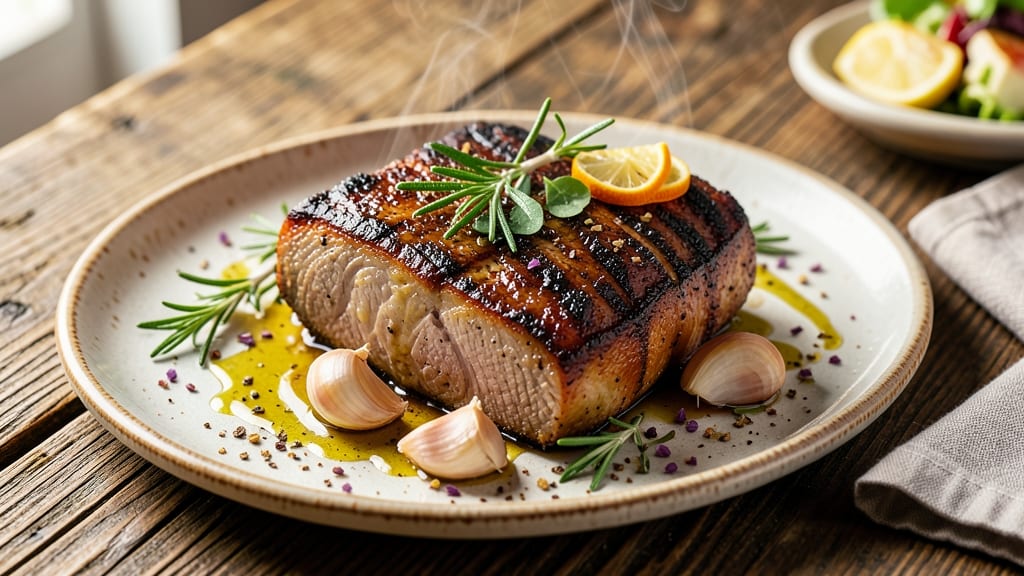
This Mediterranean pork loin recipe transforms a simple roast into a fragrant, herb-infused centerpiece that brings the flavors of the Mediterranean to your dinner table. 🌿 The secret lies in a marinade of rosemary, garlic, and lemon that tenderizes the meat while infusing it with bright, aromatic notes.
I've perfected this technique over years of working with pork—balancing bold flavors with just the right amount of acidity to keep the dish vibrant.
The recipe delivers restaurant-quality results with minimal effort: a 30-minute marinade, followed by a one-hour roast at 375°F, yielding perfectly tender pork with crisp edges.
The citrus zest and olive oil in the marinade create a golden crust that locks in juices, while the herbs add layers of earthy depth. This isn't just a pork roast—it's a dish that pairs beautifully with roasted vegetables or a fresh Greek salad.
What sets this apart is the harmony of flavors—savory rosemary, sharp garlic, and bright lemon—all working together to elevate simple ingredients into something extraordinary. The pork comes out juicy and infused with Mediterranean character, ready to be sliced and served with confidence.
Whether you're hosting a dinner party or cooking for your family, this recipe delivers a main course that feels both elegant and approachable.
For extra flair, finish with a drizzle of olive oil and a sprinkle of fresh herbs before serving. The leftovers reheat beautifully, making this the perfect meal for busy weeks. Let's get started on creating a dish that tastes like a Mediterranean vacation in every bite.
Ingredients for mediterranean pork loin
Herb-infused pork loin with Mediterranean flair—just 13 ingredients for restaurant-quality results.
| Ingredient | Amount | Notes |
|---|---|---|
| Pork Loin 🥩 | 1 ½ lb | Center-cut, bone-in preferred |
| Fresh Rosemary 🌿 | ¼ cup | Finely chopped, stems removed |
| Garlic Cloves 🧄 | 6 cloves | Minced for marinade |
| Lemon Zest 🍋 | 1 tbsp | From 1 organic lemon |
| Extra-Virgin Olive Oil 🫒 | ½ cup | High quality, fruity |
| Dried Oregano 🍃 | 1 tsp | Mediterranean blend preferred |
| Kosher Salt 🧂 | 1 ½ tsp | Diamond Crystal preferred |
| Ground Black Pepper 🌶️ | ½ tsp | Freshly ground |
| Fresh Lemon Juice 🍋 | 2 tbsp | From 1 organic lemon |
| Fresh Thyme Leaves 🌿 | ¼ cup | Chopped, stems removed |
| Honey 🍯 | 1 tbsp | Wildflower preferred |
| All-Purpose Flour 🌾 | 1 tbsp | For dusting |
| Fresh Parsley 🌿 | ⅛ cup | Chopped, for garnish |
The pork loin is the star, so pick a center-cut piece with good marbling—it stays juicier during roasting. I always grab mine from Whole Foods or a trusted butcher, where they can source high-quality cuts. Look for a piece with even thickness (about 1.5 inches) so it cooks uniformly. If you can't find bone-in, boneless works fine, but leave the fat cap on for extra flavor. For the rosemary, fresh is non-negotiable—dried lacks that piney aroma. The same goes for thyme and parsley: fresh herbs make the difference between good and extraordinary. If you're short on time, Trader Joe's carries pre-chopped herb bundles that work in a pinch.
No fresh rosemary? Dried at half the amount gets you close, but the flavor won't be as vibrant. Short on lemon? Orange zest and juice work beautifully—just double the amount. The honey adds depth, but if you're avoiding it, maple syrup at the same quantity is a great swap. For the olive oil, avoid the cheap stuff—look for extra-virgin with a harvest date within the last year. The oregano should be Mediterranean blend if you can find it; regular dried oregano works but lacks that earthy complexity. And if you're worried about the pork being dry, brine it for 30 minutes before marinating—game changer for juiciness.
Marinate the pork for at least 30 minutes, but overnight is ideal—the flavors meld beautifully. Store leftovers in an airtight container for 3-4 days in the fridge, or freeze for up to 3 months. To reheat, cover with foil and warm in a 300°F oven for 10-15 minutes. The crust will soften slightly, but the meat stays tender. For extra flair, drizzle with a little more olive oil and fresh herbs before serving. This dish reheats even better the next day—make extra for lunches—the flavors deepen as it sits.
Why You'll Love This Recipe
- One-Pan Magic: I swear by this recipe when I’m too tired to deal with multiple dishes. Just sear the pork, toss in the garlic and rosemary, and let the oven do the work—no chopping boards or extra pans in sight.
- Herb-Packed Punch: That bright lemon zest and fresh rosemary? It’s like a Mediterranean vacation in every bite. The garlic caramelizes into something sweet and savory, while the olive oil keeps it juicy—no dry pork here.
- Weeknight to Weekend: Serve it sliced over crusty bread for a quick lunch, or double the batch for dinner guests. Honestly, I’ve even packed leftovers for work—it reheats beautifully and still tastes like a restaurant meal.
- Budget-Friendly Feast: Pork loin stretches farther than you’d think, and the ingredients cost next to nothing. Between us, I’ve fed six people for under $20 with this—plus, the leftovers make the next day’s lunch feel fancy without effort.
Step-by-step instructions for herb-infused Mediterranean pork roast
Transform simple ingredients into a restaurant-worthy roast with this foolproof technique.
👨🍳 Step 1: Create the Herb-Citrus Marinade
In a medium bowl, combine the 0.5 cup extra-virgin olive oil, 0.25 cup finely chopped fresh rosemary, 0.25 cup chopped fresh thyme leaves, 1 tbsp lemon zest, 2 tbsp fresh lemon juice, 1 tbsp honey, 1.5 tsp kosher salt, 0.5 tsp ground black pepper, and 1 tsp dried oregano. Mix thoroughly until the herbs are fully coated and the oil takes on a vibrant green hue.
Here's the thing—this marinade needs time to work its magic. Let it sit at room temperature for 30 minutes before using. The citrus and honey will begin breaking down the pork's proteins, while the Mediterranean herbs infuse deep flavor. I like to press the herbs against the side of the bowl with a spoon to release their essential oils.
🍳 Step 2: Coat and Rest the Pork Loin
Remove the 1.5 lb pork loin from its packaging and pat it completely dry with paper towels. This step is crucial—moisture prevents proper browning. Place the pork in a shallow dish and pour the marinade over it, turning to coat all sides. Let it marinate in the refrigerator for at least 4 hours, or preferably overnight for maximum flavor penetration.
While it marinates, the pork will absorb the aromatic blend. If you're short on time, you can skip the overnight soak but increase the marinating time to 6 hours at room temperature (covered) for comparable results. Just don't let it sit too long—beyond 8 hours, the acidity can start to break down the meat fibers.
🔥 Step 3: Sear for Color and Crispy Texture
Preheat your oven to 400°F. Remove the pork from the marinade (reserve the marinade for basting) and dust it lightly with 1 tbsp all-purpose flour. Heat 1 tablespoon olive oil in a heavy oven-safe skillet over medium-high heat until shimmering. Place the pork in the skillet and sear for 3-4 minutes per side until golden brown.
Don't rush this step—the crust forms quickly. You'll know it's ready when you see deep golden-brown patches and the pork releases easily from the pan. If it sticks, add a splash of water and scrape up those flavorful browned bits—they'll become part of your sauce. Transfer the skillet to the preheated oven.
⏰ Step 4: Roast to Perfect Medium-Rare
Pour the reserved marinade over the pork in the skillet. Roast for 20-25 minutes for medium-rare (internal temperature 145°F), or until the pork reaches your desired doneness. The honey in the marinade will caramelize slightly, creating a glossy sheen on the meat.
Here's where precision matters: Use a meat thermometer inserted into the thickest part of the pork (not touching bone). The pork will continue cooking slightly after removal, so pull it out when it hits 140°F for medium-rare. If you prefer medium, aim for 150°F. The resting period will bring it to the perfect temperature.
🍽️ Step 5: Rest and Garnish Beautifully
Transfer the pork to a cutting board and tent loosely with aluminum foil. Let it rest for 10-15 minutes—this allows the juices to redistribute throughout the meat. The temperature will rise 5-10°F during this time, so don't cut into it too soon or you'll lose precious juices.
Slice the pork loin into ½-inch thick medallions against the grain. Garnish each serving with 0.125 cup chopped fresh parsley and a sprinkle of freshly cracked black pepper. The bright green parsley provides a striking contrast to the golden-brown roast, while the pepper adds a final pop of flavor. Serve immediately with roasted Mediterranean vegetables or a simple arugula salad.
Pro Tips For Making Mediterranean Pork Loin
- CRANK THE HEAT FIRST: Mediterranean pork loin needs that golden crust, so start your pan screaming hot—no, seriously, get it there before adding oil. I used to warm pans slowly and ended up with sad, pale pork; high heat seals the juices fast and locks in flavor.
- SMASH THOSE GARLIC CLOVES: Peel your garlic, then whack each clove with the flat side of your knife before mincing—this breaks down the fibers and releases more aroma. (Yes, it looks brutal, but your pork will taste like it was kissed by a Greek god.)
- DON’T SKIP THE REST: After cooking, tent that pork with foil and let it sit for 5-10 minutes. I know, you’re hungry, but cutting into it early turns your juicy loin into a dry, sad slab. Trust the wait.
- USE THE LEFTOVER ZEST: Save the scraped lemon zest from your recipe—it’s packed with flavor. Toss it into your pan drippings after cooking, then drizzle that citrusy oil over the pork. (Your guests will ask what you did differently.)
Wine and beer pairings for mediterranean pork loin
Crisp White Wines
For this herb-infused pork, I always reach for a dry Greek Assyrtiko—its bright acidity and citrus notes mirror the lemon and rosemary in the marinade. A bottle like Santorini Assyrtiko from Gaia Wines cuts through the richness beautifully.
The mineral finish cleanses your palate between bites, letting the Mediterranean flavors shine. 🍷
If Assyrtiko isn't available, a Vermentino from Sardinia works wonderfully. Look for Cantina Mesu—its floral aromas and crisp finish complement the honey and thyme in the dish. Both wines are versatile enough to pair with roasted vegetables or a fresh salad on the side.
Medium-Bodied Reds
For those who prefer red wine, a Greek Agiorgitiko offers the perfect balance—light enough to avoid overpowering the pork but with enough structure to stand up to its savory notes.
Try Domaine Skouras from Nemea. The red fruit and earthy undertones harmonize with the rosemary and garlic in the marinade. 🍇
Another excellent choice is a Spanish Garnacha from Priorat, like Alvaro Palacios—its smoky, spicy character adds depth without overwhelming the dish. Both wines bridge the gap between Mediterranean flavors and bold red wine profiles beautifully.
Light Beer Pairings
A crisp Greek lager like Fix or Mythos provides a refreshing contrast to the rich pork. The light body and subtle hop bitterness cleanse the palate without competing with the dish's herbal notes. I like to serve it ice-cold to highlight the citrus and rosemary flavors. 🍺
For craft beer lovers, a Belgian Witbier such as Hoegaarden or Stella Artois works surprisingly well. The coriander and citrus notes in the beer echo the lemon zest and thyme in the pork, creating a delightful flavor interplay that feels intentional.
Sparkling Options
Don't overlook Prosecco or Cava as unexpected pairings. The effervescence cuts through the richness of the pork, while the apple and pear notes in La Marca Prosecco complement the honey and herbaceous marinade. It's a crowd-pleaser for special occasions. ✨
A dry sparkling rosé like Freixenet Rosado adds a touch of elegance. The berry and citrus flavors harmonize with the dish's Mediterranean profile, making it feel like a vacation in every sip. Perfect for summer gatherings or festive dinners.
Nutrition facts
Frequently asked questions
Can I use bone-in pork loin instead of boneless?
Bone-in pork loin adds wonderful flavor and stays juicier during roasting. The bone acts as a natural insulator, helping the meat cook more evenly. Just increase the roasting time by 5-10 minutes to account for the extra thickness. If using bone-in, trim any excess fat to prevent flare-ups during searing.
How do I adjust the recipe for a larger group?
For every additional 1 lb of pork loin, double all marinade ingredients proportionally. Use two oven-safe skillets if needed to prevent overcrowding during searing. Increase roasting time by 10-15 minutes for larger pieces, checking with a meat thermometer. The key is maintaining the same thickness (1.5-inch) for even cooking.
What's the best way to reheat leftovers?
Slice the leftovers into medallions and reheat in a 300°F oven for 10-15 minutes covered with foil. For quick reheating, use a skillet over medium-low heat with a splash of water to maintain moisture. Avoid microwaving—it makes the pork dry. The flavors actually improve overnight, making this perfect for meal prep!
Can I substitute chicken breast for pork loin?
While possible, pork loin's rich texture and fat content make it ideal for this recipe. If substituting chicken, reduce marinating time to 1-2 hours (acidity tenderizes chicken faster) and cook to 165°F internal temperature. The herb blend still works, but the dish will be lighter. For best results, stick with pork for that authentic Mediterranean roast experience.
Why did my pork turn out dry?
Most likely, you skipped the resting period or overcooked it. Always let pork rest 10-15 minutes after roasting—this redistributes juices. Use a meat thermometer (pull at 140°F for medium-rare) and avoid cutting into it too soon. For extra juiciness, try brining the pork for 30 minutes before marinating—this simple step makes all the difference!