
Side Dishes
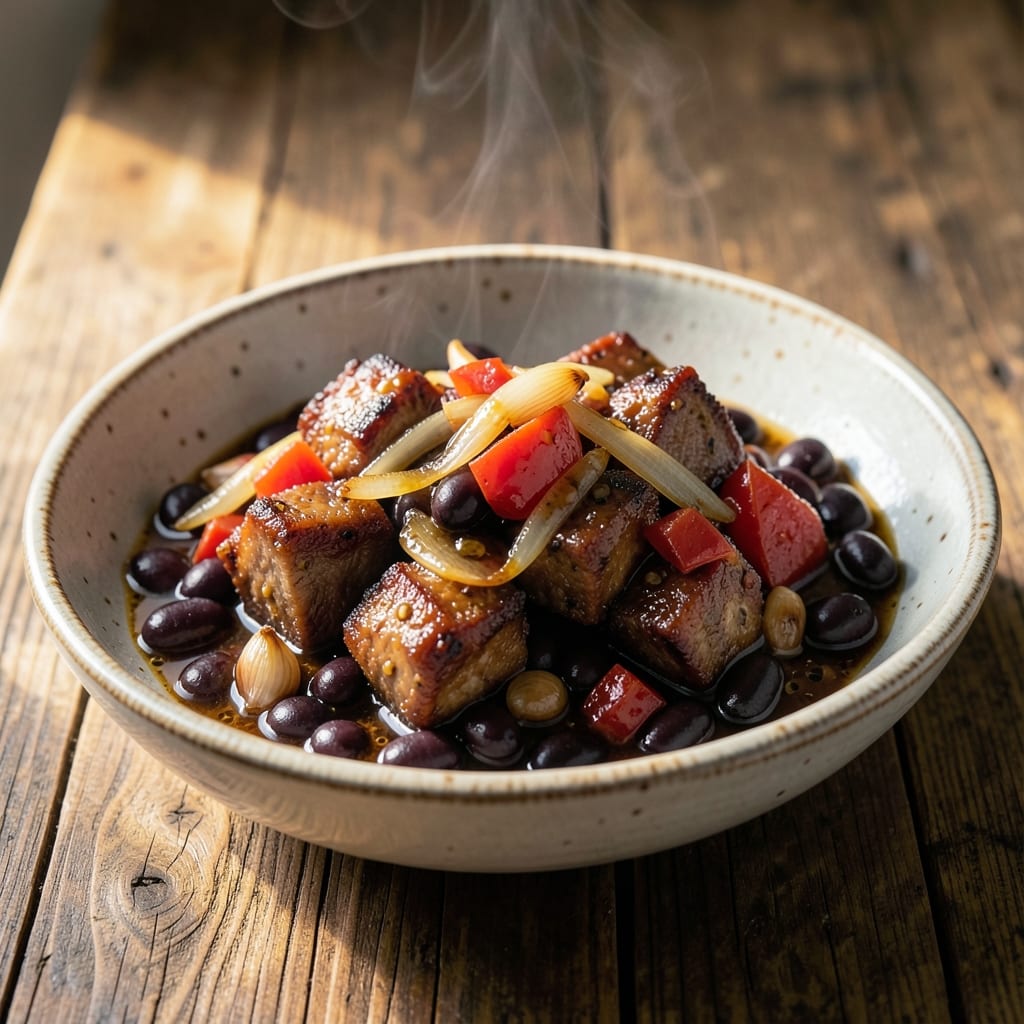
This Black Beans with Pork Ilocano recipe brings the bold, tangy flavors of the Philippines straight to your kitchen table. The secret lies in a slow-simmered vinegar base that tenderizes the pork while infusing the beans with a bright, complex taste. I first discovered this dish during a trip to the Ilocos region, where it's a staple alongside steamed rice—now it's my go-to for hearty, satisfying meals that feel like a home-cooked hug.
The magic happens through a combination of pressure cooking and simmering, which transforms tough pork cuts into melt-in-your-mouth pieces while keeping the beans creamy and flavorful. Traditional ingredients like fermented shrimp paste (bagoong) add depth, but I've included accessible substitutes for home cooks. This dish is all about balance—sweet, sour, salty, and umami working together in perfect harmony.
What you'll end up with is a rich, aromatic stew where the pork falls apart at the touch of a fork, and the beans are infused with that signature Ilocano tang. The sauce is thick enough to coat every bite but still bright enough to cut through the richness of the pork. Serve it over steamed rice with a side of siling labuyo (bird's eye chili) for those who love a little heat.
This recipe delivers restaurant-quality results with minimal fuss—just a pressure cooker (or slow cooker) and about an hour of hands-off time. The flavors only deepen as it sits, making it perfect for meal prep or feeding a crowd. Let's get cooking!
Ingredients for black beans with pork ilocano
Six ingredients bring Ilocano comfort to your pot—no fancy shopping needed.
| Ingredient | Amount | Notes |
|---|---|---|
| Black Beans (Dried) 🌱 | 1 ½ cups | Unsoaked, rinse before cooking |
| Pork Shoulder 🐖 | 2 lb | Cut into 1.5-inch cubes |
| Cane Vinegar 🍶 | ½ cup | White vinegar substitute |
| Garlic Cloves 🧄 | 8 cloves | Minced for aromatic base |
| Onion (Yellow) 🧅 | 1 whole | Chopped, medium size |
| Tomatoes (Canned) 🍅 | 2 cans | Crushed, 14.5 oz each |
| Bay Leaves 🌿 | 2 whole | Fresh preferred, dried works |
| Black Peppercorns 🌶️ | 1 tsp | Freshly ground, coarse |
| Salt 🧂 | 1 ½ tbsp | Kosher or sea salt |
| Sugar 🍚 | 2 tbsp | White or brown sugar |
| Siling Labuyo (Bird's Eye Chili) 🔥 | 2 pieces | Optional, sliced thin |
| Soy Sauce 🍶 | 2 tbsp | Regular or light soy |
| Bagoong (Fermented Shrimp Paste) 🦐 | 1 tbsp | Substitute with anchovy paste |
| Olive Oil 🫒 | 2 tbsp | For pressure cooker sear |
The pork shoulder is your secret weapon here. Look for well-marbled cuts at the butcher counter—they stay juicier during the long cook. I always grab mine from Whole Foods or my local Filipino market, where they often carry pre-cut pork shoulder. If you're using a pressure cooker, that 2-pound cut feeds six with leftovers. The black beans? Dried is non-negotiable—canned lacks the texture and depth. Rinse them well before adding to the pot to remove any dirt, but don't soak. The vinegar does the tenderizing work for you.
No cane vinegar? White vinegar or apple cider vinegar works in a pinch—just double the amount. Bagoong is the flavor bomb, but anchovy paste or even a dash of fish sauce gets you close. The tomatoes can be fresh if you're feeling fancy, but canned crushed tomatoes save time and work perfectly. Want more heat? Add those siling labuyo peppers at the end—they pack serious punch. The soy sauce adds that umami kick, so don't skip it. Pro tip: Toast your garlic and onion in the olive oil until fragrant—this builds the flavor foundation.
This dish tastes even better the next day, so make extra—it keeps for 5 days in the fridge or 3 months frozen. Portion into containers with rice for easy lunches. The beans and pork separate when cooled, so just stir it all together when reheating. For serving, I like to garnish with extra sliced chili and a drizzle of soy sauce. The rice soaks up all that tangy goodness—double the batch if you're feeding a crowd.
Why You'll Love This Recipe
- One-Pot Magic: I swear by this recipe when I’m too tired to wash another pan. The beans soak overnight (or even just a few hours if you’re in a rush), then everything—pork, garlic, onions—simmers together until it’s done. No chopping boards to scrub, no extra bowls to clean.
- Tangy-Pork Perfection: That cane vinegar? It’s the secret weapon. The pork shoulder stays tender while the beans absorb just enough acidity to cut through the richness—like a bright, garlicky hug in every bite. Honestly, my kids ask for this over steak now.
- Meal Prep MVP: Make a big batch on Sunday, and you’ve got lunch for the week. The flavors deepen overnight, and reheating it is chef’s kiss—just add a splash of water if it’s too dry. Pack it in bento boxes or serve it over rice; it’s always a hit.
- Budget Stretch: Pork shoulder is cheap, beans last forever, and you’re not using fancy ingredients. A single batch feeds four for two meals, and the leftovers? Even better the next day. Between us, this is how I feed my family well without breaking the bank.
Step-by-step instructions for black beans with pork Ilocano
Here's how to build rich, tangy flavors that define this Ilocano classic.
Prepare the Pork and Aromatics
Cut the 2 lb pork shoulder into 1.5-inch cubes—this size ensures even cooking and maximum flavor penetration. In a large pot or Dutch oven, heat 2 tablespoons olive oil over medium-high heat until shimmering. Add the pork cubes in a single layer and sear for 4-5 minutes per side until deeply browned. This step develops the meat's foundation flavor through the Maillard reaction.
While the pork browns, finely mince the 8 cloves garlic and chop the 1 whole yellow onion into small dice. Add them to the pot along with the 1 tablespoon bagoong (fermented shrimp paste), stirring constantly for 1 minute until the shrimp paste dissolves and the aromatics become fragrant. The bagoong adds that unmistakable umami depth characteristic of Ilocano dishes.
Build the Flavor Base
Add the 2 pieces siling labuyo (sliced thin), 2 tablespoons soy sauce, 2 tablespoons sugar, 1.5 tablespoons salt, and 1 teaspoon black peppercorns to the pot. Stir well to coat the pork and aromatics in these seasonings. Pour in the 0.5 cup cane vinegar and the 2 cans crushed tomatoes, scraping up any browned bits from the bottom of the pot with a wooden spoon. These bits contain concentrated flavor that will infuse into your dish.
Bring the mixture to a gentle boil, then reduce heat to low and let it simmer uncovered for 10 minutes. This initial simmer helps break down the pork's connective tissue and meld all the flavors together. You'll notice the mixture thickens slightly and the pork begins to soften—this is when the magic starts happening.
Add the Black Beans and Simmer
Rinse the 1.5 cups dried black beans thoroughly under cold water to remove any debris. Add them to the pot along with the 2 whole bay leaves. Stir gently to distribute the beans evenly throughout the liquid. The beans should be completely submerged—if not, add ½ cup water to ensure proper cooking. Bring the mixture back to a gentle simmer.
Cover the pot and let it cook at a low, steady simmer for 1 hour to 1 hour 15 minutes. The beans need time to soften and absorb all those rich flavors. Here's the thing—this dish improves as it sits, so resist the temptation to rush it. After about 45 minutes, check the beans by pressing one between your fingers; they should be tender but still hold their shape. If they're not quite there, continue cooking for another 15 minutes.
Finish and Adjust Seasoning
Once the beans are tender, remove the 2 bay leaves and discard them. Taste the mixture and adjust the seasoning if needed. You might want to add a bit more salt or sugar to balance the flavors—this dish should have a perfect harmony of sweet, sour, salty, and umami notes. The cane vinegar should be noticeable but not overpowering, and the bagoong should add that distinctive savory depth.
Let the black beans with pork simmer uncovered for another 10 minutes to allow any excess liquid to evaporate and the flavors to concentrate. The final texture should be thick and saucy, with beans that are tender but not mushy. Serve immediately over steamed rice to soak up all that delicious sauce. This dish tastes even better the next day as the flavors continue to meld!
Pro Tips For Making Black Beans With Pork Ilocano
- Soak Beans Overnight: I used to skip this and wonder why my beans stayed tough. Dried black beans need at least 8 hours in water—change it once if you’re short on time—to soften properly. Trust me, the texture difference is night and day, especially when simmering with pork. ---
- Sear Pork Before Simmering: Skip the slow start, and brown that pork shoulder first. A 5-minute sear in a hot pan with oil locks in flavor and tightens the meat—no more dry, stringy pork later. Just don’t walk away; keep an eye on it. ---
- Balance Vinegar Early: Adding cane vinegar at the end? You’ll regret it. Stir in half the amount mid-cooking, then adjust at the finish. Too much too late makes the dish taste harsh, and no one wants that sour punch ruining the pork’s richness. ---
- Crush Garlic, Don’t Mince: I was skeptical until I tried it—lightly crushing whole cloves with the flat of a knife releases more flavor without turning bitter. No need to chop; just let them infuse with the onions and pork. Your future self will notice the difference.
Make-ahead tips for this recipe
Pressure Cooker Prep
Use your pressure cooker to save 30-40 minutes of active cooking time. After browning the pork and aromatics, add all ingredients except beans and bay leaves. Seal and cook on high pressure for 20 minutes, then quick-release. Add beans, seal again, and cook for 10 more minutes on high pressure. The quick release prevents beans from overcooking while keeping pork tender. 💫
Freezer-Friendly Packaging
Portion into quart-sized freezer bags with 1 cup rice per serving—this keeps everything together when reheating. Squeeze out excess air, label with date, and freeze flat. Thaw overnight in the fridge before reheating. I keep a backup bag in my freezer for those nights I'm too tired to cook. ❄️
Double Batch Strategy
This recipe makes 8-10 servings when doubled—perfect for meal prep. Cook the extra batch and freeze half immediately. Store the other half in the fridge for 4-5 days. I always make double portions because the flavors deepen overnight, making leftovers taste even better. 🍲
Reheating Perfection
For stovetop reheating, add ¼ cup water or broth to prevent drying. Simmer on low heat for 10 minutes, stirring occasionally. For microwave reheating, cover with a damp paper towel and heat in 1-minute intervals on 70% power until reaching 165°F. The beans absorb moisture quickly, so don't overheat. 🔥
Flavor Boost Hack
Add 1 extra tablespoon soy sauce and ½ teaspoon sugar when reheating to revive the tangy depth. If the sauce seems thin after freezing, simmer uncovered for 5 minutes to reduce. I keep a small jar of extra bagoong nearby to sprinkle on reheated portions for that authentic umami punch. 💡
Serving Suggestions
Serve with steamed jasmine rice and a side of siling labuyo for heat lovers. For extra protein, add scrambled eggs on top. I also like pairing it with garlic fried rice for a heartier meal. The leftovers make amazing burrito fillings or rice bowl toppings. 🌶️
Nutrition facts
Frequently asked questions
Can I substitute pork shoulder with another cut?
For this Ilocano-style dish, pork belly or pork butt work beautifully—they're more flavorful and stay tender during the long simmer. If using pork belly, cut it into ½-inch thick slices and reduce the cooking time by 15 minutes since it's more tender. Avoid lean cuts like tenderloin—they dry out.
What if I don't have cane vinegar?
No problem! Use white vinegar or apple cider vinegar instead, but double the amount (1 cup total). For extra depth, add 1 teaspoon fish sauce to mimic the umami complexity of cane vinegar. The acidity is what tenderizes the pork and brightens the beans—just don't skip it!
Why do the beans need to be dried instead of canned?
Dried black beans absorb flavors better and maintain their texture during the long simmer. Canned beans release too much starch and turn mushy. If you're short on time, use 1 (15 oz) can of black beans (drained and rinsed) and reduce the cooking time by 30 minutes, but the dish won't be as authentic.
Can I make this in a slow cooker?
Yes! Follow the same steps for browning the pork, then transfer everything to your slow cooker. Cook on low for 6-7 hours or high for 3-4 hours. The slow cooker's gentle heat enhances the flavors without overcooking the beans. Just stir occasionally and add ½ cup water if the mixture gets too thick.
How do I fix if the dish tastes too sour?
Balance the acidity by adding 1-2 teaspoons sugar or ½ teaspoon fish sauce to deepen the umami. If it's still too sharp, stir in 1 tablespoon soy sauce and let it simmer for 5 minutes to meld the flavors. The goal is harmony—sweet, sour, salty, and savory should all shine equally.