
Main Courses
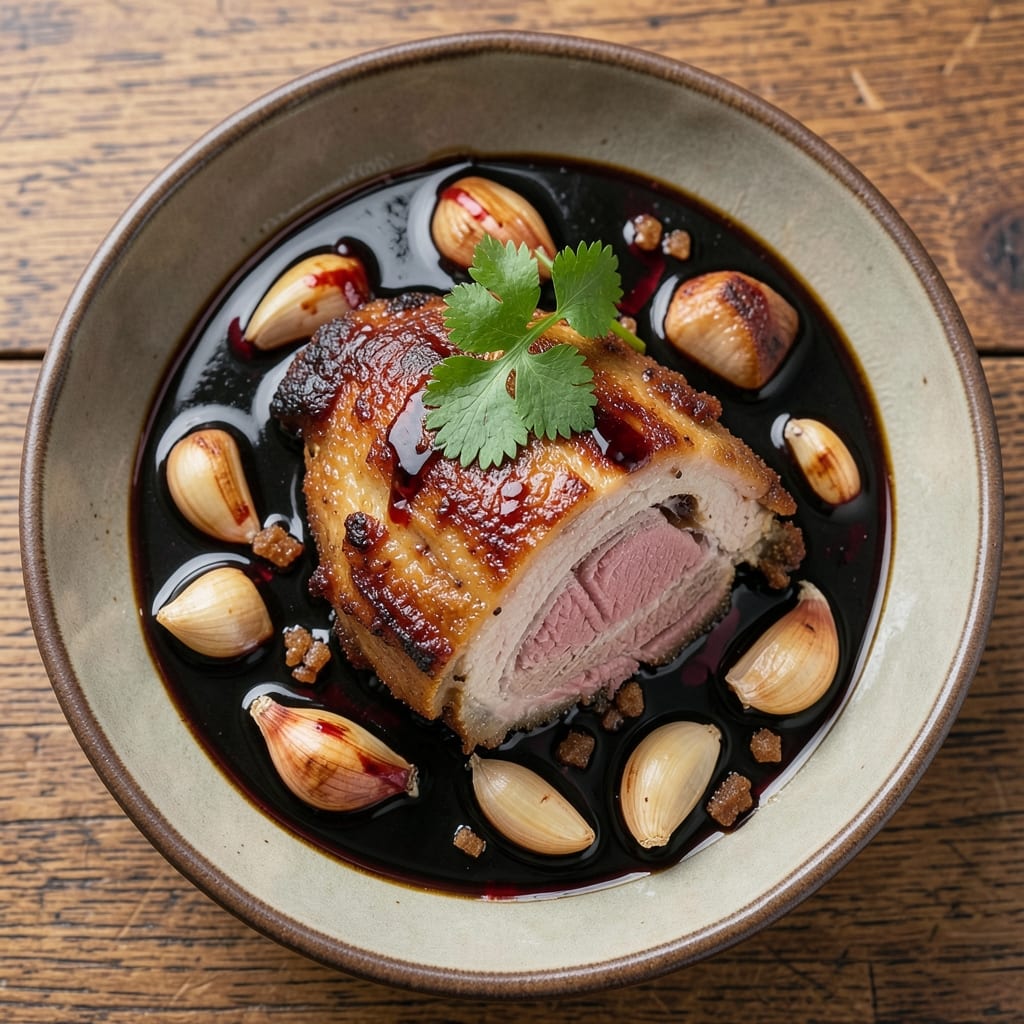
This Bisaya pork adobo recipe brings the bold flavors of Cebu straight to your kitchen, where soy sauce and vinegar create a perfect balance of tangy, salty, and rich. Growing up in small-town Georgia, I've always loved how pork transforms into something deeply satisfying when slow-cooked with the right marinade. The key here is patience—letting the pork absorb the marinade overnight before braising it low and slow until tender and caramelized.
What sets this Bisaya-style adobo apart is the careful ratio of soy sauce to vinegar, which gives it that signature depth without overpowering the natural sweetness of the pork. I use a mix of dark soy sauce for color and regular soy for flavor, then balance it with cane vinegar for the right level of tang. This recipe delivers restaurant-quality results with just a few simple ingredients and a 3-hour cooking time, making it perfect for weeknight dinners or special gatherings.
The result is fall-apart tender pork with a glossy, caramelized sauce that clings to every bite. The aroma alone will have everyone gathered around your table, and the flavors—salty, tangy, and slightly sweet—are impossible to resist. Serve it over steamed rice to soak up every last drop of that rich, savory sauce. This is comfort food at its finest, with a taste of the Philippines right in your own kitchen.
Whether you're cooking for family or friends, this Bisaya pork adobo is sure to impress. The marinade can be prepped ahead of time, and the cooking process is hands-off, so you can focus on enjoying the meal. Trust me, once you try this version, you'll never go back to the standard adobo recipe again.
Ingredients for bisaya pork adobo
Pork shoulder, soy sauces, and vinegar create Cebu's signature tangy-sweet flavor profile.
| Ingredient | Amount | Notes |
|---|---|---|
| Pork Shoulder (Bone-In) 🐷 | 2 lb | Cut into 2-inch chunks |
| Dark Soy Sauce 🍶 | ½ cup | For rich color |
| Regular Soy Sauce 🍶 | ½ cup | For flavor balance |
| Cane Vinegar 🍶 | ½ cup | White vinegar substitute |
| Brown Sugar 🍚 | ¼ cup | Packed, light brown |
| Garlic Cloves 🧄 | 6 cloves | Minced, fresh preferred |
| Fresh Ginger 🌿 | 2 tbsp | Finely grated, fresh |
| Bay Leaves 🌿 | 2 whole | Dried or fresh |
| Black Peppercorns 🌶️ | 1 tsp | Crushed lightly |
| Olive Oil 🫒 | 2 tbsp | For searing pork |
| Water 💧 | 1 cup | For deglazing |
| Green Onions 🧅 | 3 whole | Sliced, for garnish |
| Salt 🧂 | 1 tsp | Kosher or sea salt |
The pork shoulder is the star here—bone-in stays juicier. Look for well-marbled cuts at the butcher counter or Costco's pre-cut pork shoulder if you're short on time. I always ask for the meat to be cut into 2-inch chunks for even cooking. The dark soy sauce gives that signature glossy color, while regular soy adds depth. Kikkoman or Pearl River Bridge brands work perfectly. For vinegar, cane vinegar is traditional, but white vinegar in a pinch works too—just add a pinch of sugar to balance the sharpness.
No dark soy sauce? Substitute with 1 tbsp molasses mixed into regular soy sauce. Fresh ginger is ideal, but ground ginger at half the amount works if you're in a hurry. The bay leaves add subtle earthiness—skip them if you're sensitive to their flavor. For extra richness, add 1 tbsp of coconut milk at the end of cooking. The green onions are just for garnish, so use whatever's on hand—scallions or chives work too. If you're making this ahead, the flavors actually improve overnight.
This sauce reheats beautifully—just warm it gently on the stove. Keeps for 5 days in the fridge or 3 months frozen. I always double the recipe and freeze half because it's that good. The pork gets even more tender the longer it sits, so if you're short on time, braise for 2.5 hours instead of 3—it'll still be delicious. Store in airtight containers with a splash of water to keep the sauce from drying out.
Why You'll Love This Recipe
- One-Pot Magic: The bone-in pork shoulder practically cooks itself while you mix the soy sauces and vinegar in the same pot—no extra dishes, no fuss. Honestly, I’ve made adobo where I had to scrub three pans afterward. This? Just wipe down one.
- Sweet-Savory Balance: That dark soy sauce gives it this deep, almost caramelized richness, while the cane vinegar cuts through the fat just enough to keep it bright. The brown sugar? It caramelizes into the edges, making every bite crispy and sticky—like a hug in sauce form.
- Leftover Goldmine: The flavors deepens the longer it sits, so I always make extra. Reheat it for breakfast with rice, toss it into fried rice, or serve it cold in sandwiches. My kids even ask for it for lunch—yes, even on a Tuesday.
- Budget-Friendly Feast: Bone-in pork shoulder is cheaper than cuts like tenderloin, and the soy-vinegar-sugar combo stretches to feed four for under $15. Between us, this is how I stretch my grocery budget without sacrificing taste. (And the leftovers? Even better.)
Step-by-step instructions for Bisaya pork adobo
This Cebu-style adobo delivers deep umami flavors with a perfect balance of tangy, sweet, and savory notes.
Prepare the Pork and Marinade Base
Cut the 2 lb pork shoulder (bone-in) into 2-inch chunks and set aside. In a large bowl, combine the 0.5 cup dark soy sauce, 0.5 cup regular soy sauce, 0.5 cup cane vinegar, and 0.25 cup brown sugar. Stir until the sugar dissolves completely—this creates the flavor foundation for your adobo.
Add the 6 minced garlic cloves, 2 tbsp finely grated fresh ginger, 2 whole bay leaves, 1 tsp crushed black peppercorns, and 1 tsp salt to the marinade. Mix well to distribute all the aromatics. The combination of dark and regular soy sauce gives this Bisaya version its signature rich color and complex flavor profile.
Marinate the Pork Overnight
Add the pork chunks to the marinade bowl and turn to coat evenly. Cover and refrigerate for at least 8 hours (overnight is best). This long marinating time ensures the pork absorbs all the flavors deeply, resulting in tender meat with a perfect balance of sweet, salty, and tangy notes.
I know it's tempting to skip the overnight marinade, but trust me—this step makes all the difference. The acid in the vinegar and soy sauce will break down the tough pork fibers, giving you melt-in-your-mouth texture. If you're short on time, marinate for at least 4 hours for decent results.
Sear the Pork for Maximum Flavor
Remove the pork from the marinade (reserve the liquid) and pat dry with paper towels. Heat 2 tbsp olive oil in a large Dutch oven or heavy pot over medium-high heat. Working in batches if needed, add the pork and sear for 3-4 minutes per side until deep golden brown and caramelized.
Don't overcrowd the pan—this prevents proper browning. You want that beautiful Maillard reaction happening to develop deep, rich flavors. As the pork browns, it releases its natural juices, which will later form the base of your sauce. Transfer the seared pork to a plate as you work.
Simmer Until Fork-Tender
Return the reserved marinade to the pot, scraping up any browned bits from the bottom with a wooden spoon. Add 1 cup water and bring to a gentle simmer over medium heat. Return the pork to the pot, cover, and reduce heat to low. Let it cook undisturbed for 2 hours, stirring occasionally.
Here's where patience pays off. The pork should become fork-tender and the sauce should reduce to a thick, glossy consistency. If the sauce reduces too quickly, add 2-3 tablespoons of water at a time to maintain the right balance. You'll know it's ready when the pork easily separates with two forks and the sauce coats the back of a spoon.
Finish and Serve
Once the pork is tender, remove it from the pot and set aside. Place the pot back on medium heat and simmer the sauce uncovered for 5-7 minutes to thicken further. The sauce should coat the back of a spoon and have a syrupy consistency.
Return the pork to the pot and toss to coat in the sauce. Garnish with 3 sliced green onions and serve immediately with steamed rice. The Bisaya pork adobo should have a beautiful dark color from the soy sauce, with tender pork pieces swimming in a glossy, flavorful sauce that's perfectly balanced between sweet, salty, and tangy.
Pro Tips For Making Bisaya Pork Adobo
- Sear the Meat First: Hit that pork shoulder with high heat until it’s deeply browned—think 5-7 minutes per side. I learned this the hard way: skipping the sear means the sauce clings like glue instead of caramelizing into a glossy layer. The bones should crackle when you press them; that’s your cue to deglaze with vinegar right away. ---
- Use Equal Parts Vinegar: Bisaya adobo isn’t shy with vinegar—aim for a 1:1 ratio with soy sauces (e.g., ½ cup vinegar per ½ cup soy). Cane vinegar’s tang cuts through the sweetness, but too little leaves it flat. I was skeptical until I tried it: the acidity brightens the pork’s richness without overpowering it. ---
- Simmer Slow and Low: After the initial boil, drop the heat to a bare simmer—just tiny bubbles breaking the surface. I used to rush it, and the pork turned rubbery. Cover loosely and let it cook for 2+ hours until the meat falls apart. The sauce thickens naturally; no need to stir constantly. ---
- Balance the Sweetness: Brown sugar adds depth, but don’t drown it—start with 2 tablespoons and adjust. Too much makes the adobo cloying; too little leaves it one-note. Taste the sauce early (yes, even if it’s raw-tasting) and add vinegar or soy to rebalance before the pork finishes. Trust your palate.
Essential equipment for bisaya pork adobo
Dutch Oven Essentials
This recipe absolutely demands a heavy-duty Dutch oven—I swear by my Le Creuset 5.5-quart for its even heat distribution and durability. The deep sides prevent spills while braising, and the tight lid traps steam to tenderize the pork perfectly. If you don't own one, a Lodge cast iron Dutch oven works just as well (I have three—don't ask!). Avoid thin stainless steel pots, as they can't maintain consistent low heat for the long simmer. 🔥
Marinating Containers
Use a glass or ceramic bowl for marinating to avoid absorbing flavors from plastic. I prefer quart-sized Pyrex bowls because they're non-reactive and stack neatly in the fridge. For large batches, a stainless steel mixing bowl (like OXO Good Grips) works too—just make sure it has a tight-fitting lid to prevent odors. Pro tip: Line the bowl with parchment paper if you're marinating overnight to make cleanup easier.
Measuring Tools
Precision matters with adobo's flavor balance, so invest in quality measuring tools. I use Weigh Scale Kitchen's digital scale for soy sauce and vinegar (liquid measurements are more accurate by weight). For dry ingredients, a stainless steel measuring set (like Farberware) with clear markings prevents spills. Never eyeball the brown sugar—pack it firmly into the measuring cup for consistency. A fine-mesh strainer also helps remove bay leaves and peppercorns before serving.
Heat Control
Low-and-slow cooking requires temperature control, which is why I recommend a thermometer like Thermoworks Smoke. Place it in the pot during simmering to monitor 180-190°F—this ensures the pork cooks evenly without boiling off the sauce. If your stove lacks precise low heat, use the back burner and adjust to maintain gentle bubbles. For gas stoves, I often place a diffuser under the pot to spread heat evenly. Electric stoves usually don't need this trick.
Garnish Essentials
Fresh green onions elevate the dish visually and add a bright contrast to the rich sauce. Keep them in a glass jar with water in the fridge to maintain crispness. A sharp chef's knife (I love Wüsthof's 8-inch) is essential for clean slices. For extra flair, add toasted sesame seeds or crushed red pepper flakes—just sprinkle them directly from the jar onto each serving. A tongs set (like OXO Good Grips) makes plating effortless for serving.
Storage Solutions
Leftovers deserve proper storage. Use glass airtight containers (I prefer Cambro) for fridge storage—they keep flavors fresh for up to 5 days. For freezing, quart-sized freezer bags (like Ziploc) work best—squeeze out excess air to prevent freezer burn. Label with the date and reheat portions in the Dutch oven over low heat with a splash of water to restore moisture. A fine-mesh colander helps strain excess liquid if the sauce becomes too thin after reheating. ✨
Nutrition facts
Frequently asked questions
Why does Bisaya pork adobo use both dark and regular soy sauce?
Dark soy sauce adds that signature glossy color and deeper umami flavor, while regular soy sauce balances it with cleaner taste. The Bisaya style relies on this combination to create a rich, complex sauce that's both visually appealing and packed with flavor. Think of it like the difference between a dark beer and a pale ale—both contribute to the final harmony.
Can I substitute cane vinegar with white vinegar?
Yes, but add 1 teaspoon of sugar per ½ cup of white vinegar to balance its sharper acidity. Cane vinegar has a milder, slightly sweeter profile that's traditional in Bisaya cooking. If you're using apple cider vinegar, reduce the sugar to ½ teaspoon since it's naturally sweeter.
How do I know when the pork is fully tender?
Use the two-fork test: Insert forks into the thickest piece of pork—if they slide in easily with minimal resistance, it's done. The meat should also separate cleanly when pulled apart. For bone-in cuts, check near the bone where it's thickest. If you're unsure, let it cook 15 more minutes covered on low heat.
What's the best way to reheat leftover Bisaya pork adobo?
Gently reheat in the same Dutch oven over low heat with 2-3 tablespoons of water to restore moisture. Cover and heat until simmering, then uncover to reduce the sauce slightly. Never microwave—it makes the sauce watery and the pork rubbery. For extra richness, add 1 teaspoon of soy sauce while reheating.
Can I make this with chicken or shrimp instead of pork?
For chicken, use 2 boneless thighs (skin-on for crispiness) and reduce cooking time to 1.5 hours. For shrimp, use 1 lb large shrimp (peeled but with tails on), marinate for 2 hours max, and cook uncovered for 8-10 minutes until pink. Adjust vinegar to ¼ cup for shrimp to prevent over-acidification.