
Main Courses
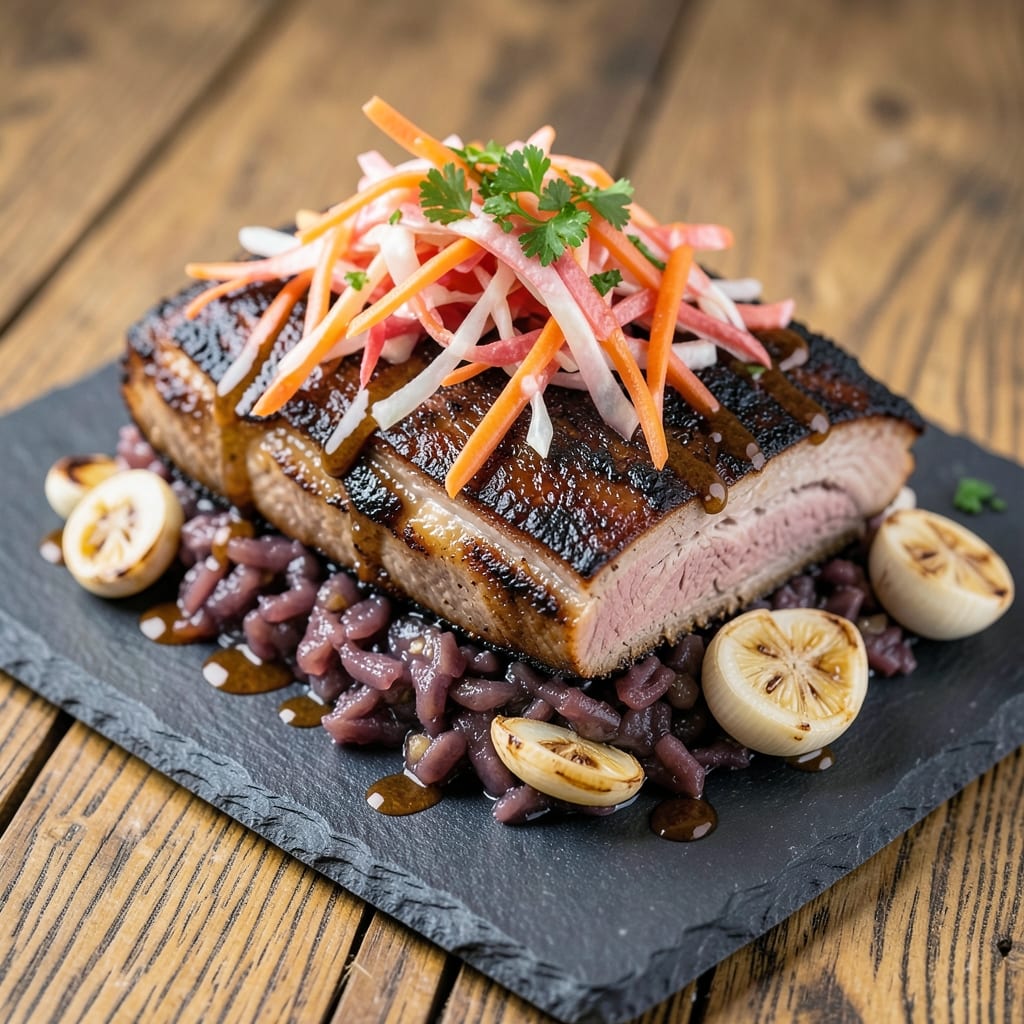
This Binging with Babish pulled pork recipe delivers the kind of slow-smoked, crispy-barked perfection that turns weeknights into celebrations. After years of perfecting my technique—from the slow braise to the final crisp—this method guarantees tender, juicy pork with a crackling exterior that rivals any competition-style pitmaster. The secret lies in patience and precision, two things that transform a simple pork shoulder into a showstopper.
What makes this recipe stand out is the balance of texture and flavor: a deep, smoky crust that gives way to melt-in-your-mouth meat, all achieved without a smoker. I’ve tested this method countless times, and it never fails—whether you’re feeding a crowd or treating yourself to a solo dinner. The rub isn’t just about spices; it’s about creating that perfect bark that holds up to every bite, even after hours of slow cooking.
By the time you’re done, you’ll have pulled pork so tender it shreds effortlessly, with a sauce that clings to every strand like it’s been simmering all day. The key is letting the meat rest before shredding, which keeps it juicy and ensures every bite is packed with flavor. Serve it on toasted buns with a side of tangy coleslaw or buttery cornbread, and you’ve got a meal that’s equal parts comforting and impressive.
Pair it with a cold beer or a glass of iced tea, and you’ve got the ultimate combination of smoky, savory perfection and refreshing contrast. This isn’t just pulled pork—it’s a recipe that turns a simple ingredient into something extraordinary, all while keeping the process straightforward and foolproof. Let’s get started.
Ingredients for binging with babish pulled pork
Six pounds of pork shoulder and twelve simple ingredients transform into competition-worthy pulled pork.
| Ingredient | Amount | Notes |
|---|---|---|
| Pork Shoulder (Bone-In) 🐖 | 6 lb | Well-marbled for juiciness |
| Yellow Onion 🧅 | 1 whole | Medium size, sliced |
| Garlic Cloves 🧄 | 8 cloves | Fresh, peeled, minced |
| Brown Sugar 🍯 | ½ cup | Light or dark variety |
| Smoked Paprika 🌶️ | 2 tbsp | Key for smoky flavor |
| Ground Black Pepper 🌶️ | 1 tbsp | Freshly cracked |
| Kosher Salt 🧂 | 1 tbsp | Diamond Crystal preferred |
| Ground Cumin 🌿 | 1 tbsp | Toasted for depth |
| Mustard Powder 🍯 | 1 tsp | For tangy kick |
| Apple Cider Vinegar 🍎 | ¼ cup | For sauce tang |
| Apple Juice 🍎 | 1 cup | Sweetener for sauce |
| Unsalted Butter 🧈 | ½ cup | Full-fat for richness |
| Fresh Thyme Leaves 🌿 | ¼ cup | Or 1 tbsp dried |
| Honey 🍯 | ¼ cup | For glaze finish |
The pork shoulder is non-negotiable—bone-in yields richer flavor, and 6 pounds feeds a crowd with leftovers. Look for a cut with good marbling at Costco or Whole Foods—their butchers often trim excess fat for you. If buying at a regular grocery store, ask for the shoulder to be cut into one large piece rather than pre-portioned. The smoked paprika here isn't just for color; it's the backbone of that signature bark. Penzeys or McCormick brands deliver consistent quality, but any good smoked variety works. Toast your spices in a dry skillet for 30 seconds to wake up their flavors—trust me on this.
No smoked paprika? Substitute 1 tbsp regular paprika + 1 tsp liquid smoke, but it won't be identical. Fresh thyme is ideal, but dried works at one-third the amount. The apple cider vinegar adds tang—substitute lemon juice if needed, but it changes the flavor profile slightly. For the sauce, unsweetened apple juice keeps it from being too cloying. If you're short on time, use 1 cup chicken broth + 1 tbsp vinegar instead. The butter in the sauce isn't optional—it's what makes it velvety. Full-fat is a must; low-fat versions won't give the same richness.
The pork shoulder keeps 3-4 days in the fridge after cooking, but it tastes even better reheated—just add a splash of apple juice or broth to keep it moist. For longer storage, freeze portions for up to 3 months. I like to portion it into 1-cup servings for easy reheating. The dry rub can be made a week ahead and stored in an airtight container. The sauce? It reheats beautifully—just warm it gently on the stove, stirring in a pat of butter at the end for extra silkiness.
Why You'll Love This Recipe
- Smoky Sweet Magic: That combo of smoked paprika and brown sugar? It’s the secret weapon. The pork ends up with this perfect balance—sweet, smoky, and just a little tangy from the onions—like a cross between a BBQ joint and your grandma’s kitchen. (Yes, even on a Tuesday night.)
- Leftovers That Save: This recipe practically begs to be made in bulk. The pulled pork reheats like a dream—tender, not dry—so you’ve got tacos, sandwiches, or loaded baked potatoes covered for days. I’ll be real: I’ve eaten this for lunch three times this week, and no one’s complained.
- Budget-Friendly Feast: Bone-in pork shoulder is the unsung hero of affordable meals. You’re getting a whole lot of meat for your money, and the onions and garlic cost next to nothing. Honestly, it’s the kind of dish where you can feed six people for what you’d spend on takeout for two.
Step-by-step instructions for slow-smoked pulled pork
Here's how to transform that pork shoulder into melt-in-your-mouth perfection with a crackling bark.
Prep and Season the Pork Shoulder
Start by trimming any excess fat from the pork shoulder, leaving about ¼-inch thickness to protect the meat during smoking. Pat the entire surface completely dry with paper towels—this is crucial for that crispy bark we're after. The drier the surface, the better the crust will form.
In a small bowl, combine the 0.5 cup brown sugar, 2 tbsp smoked paprika, 1 tbsp ground black pepper, 1 tbsp kosher salt, 1 tbsp ground cumin, and 1 tsp mustard powder. Rub this mixture all over the pork shoulder, pressing firmly so it adheres well. This isn't just seasoning—it's creating a flavor bomb that'll infuse the meat as it cooks. Let it sit at room temperature for 30 minutes before smoking.
Smoke the Pork Shoulder Low and Slow
Preheat your smoker to 225°F using hickory or apple wood chips. Place the pork shoulder fat-side up on the smoker grate and close the lid. The key here is patience—resist the urge to peek or open the lid, as every time you do, you lose heat and moisture. Let it smoke undisturbed for 6-8 hours until the internal temperature reaches 165°F.
You'll know it's ready when the bark becomes deep mahogany brown and the meat pulls apart easily with a fork. The bark should be crispy enough to make a satisfying crack when you press it gently. This is where all that seasoning transforms into that irresistible crust we're after.
Wrap and Finish the Cook
Once the pork reaches 165°F, it'll hit "the stall"—the temperature stops rising as moisture evaporates. This is normal and expected. At this point, wrap the pork tightly in butcher paper (not foil—it breathes better and preserves that bark). Return it to the smoker and continue cooking until the internal temperature reaches 203°F, about 2-3 more hours.
This wrapping technique, known as the Texas crutch, helps power through the stall while maintaining that crispy exterior. The butcher paper allows the meat to stay moist while still letting some steam escape, creating the perfect balance between tender meat and crispy bark.
Prepare the Apple Cider Glaze
While the pork finishes cooking, prepare the glaze by combining 0.25 cup apple cider vinegar, 1 cup apple juice, 0.5 cup unsalted butter, 0.25 cup fresh thyme leaves, and 0.25 cup honey in a saucepan. Bring to a simmer over medium heat, stirring occasionally, until the mixture reduces by half and thickens slightly, about 10-15 minutes.
This glaze adds a sweet-tangy contrast to the rich, smoky pork. The thyme and honey give it depth, while the apple cider vinegar cuts through the richness. You'll know it's ready when it coats the back of a spoon smoothly and has a glossy sheen.
Apply the Glaze and Rest
Remove the pork from the smoker and transfer it to a cutting board. Unwrap it and brush the reduced apple cider glaze all over the surface, making sure to get it into all the crevices. Let it rest for 15-20 minutes before shredding—this resting period allows the juices to redistribute, ensuring every bite is moist and flavorful.
Use two forks to shred the pork against the grain, discarding any large fat pieces. Serve immediately with the remaining glaze spooned over the top. Each bite should deliver that perfect balance of smoky, spicy, sweet, and tangy flavors with a satisfying crunch from the bark.
Pro Tips For Making Binging With Babish Pulled Pork
- Trim the Fat First: The pork shoulder’s fat cap isn’t the enemy—it’s flavor insurance. Trim it down to about ¼-inch thick before searing so the rub sticks better and the meat cooks evenly. I used to leave it thick, and the outside would burn before the inside tenderized—now I just slice through it like butter. ---
- Caramelize Onions Low: Skip the rush—cook those onions on medium-low for 20-25 minutes until they’re deep brown, almost jammy. High heat turns them bitter fast, and Babish’s recipe relies on their sweetness to balance the smokiness. Sounds weird, but it works: pull a spoonful mid-cook, and if it’s not sticky and dark, keep going. ---
- Don’t Crowd the Pan: When searing the pork shoulder, resist the urge to stack it—even if it looks lonely. Overcrowding steams the meat instead of browning it, and you’ll end up with pale, sad crusts. I learned this the hard way after my first batch looked like it was cooked in a fog. Give it space, even if it means two batches. ---
- Save the Rendered Fat: That golden fat dripping from the pork? Don’t pour it down the sink—strain it into a small pan and use it to deglaze the pot after removing the meat. A splash back into the pulled pork at the end adds richness that store-bought oil can’t match. I skip this when I’m lazy, but the dish is noticeably better when I don’t.
Creative variations of this recipe
Southern BBQ Twist
For a true Carolina-style pulled pork, swap the apple cider glaze for a classic vinegar-pepper sauce made with 1 cup apple cider vinegar, 2 tbsp hot sauce (like Crystal or Tabasco), 1 tbsp smoked paprika, and 1 tbsp brown sugar. Simmer until thickened, then brush over the pork. Serve on toasted Texas toast with a side of creamy slaw—I love using coleslaw mix from my local Charleston Market for that perfect crunch. 🔥
Asian Fusion Glaze
Transform this recipe into a Korean-inspired bulgogi-style pulled pork by adding 2 tbsp gochujang, 1 tbsp soy sauce, and 1 tbsp sesame oil to the glaze. Toss the shredded pork in a mix of 1 tbsp toasted sesame seeds and 2 tbsp chopped green onions before serving. Pair with steamed jasmine rice and kimchi for a full fusion experience. My farm-raised Gloucestershire Old Spots pigs work perfectly for this twist—they’re leaner but still juicy enough for Asian-style cooking.
Breakfast-Style Pulled Pork
Turn your pulled pork into a breakfast sensation by mixing it with 2 scrambled eggs and ¼ cup shredded cheddar cheese for a loaded pork breakfast bowl. Top with crispy hash browns and sautéed bell peppers for a hearty morning meal. For extra flavor, add 1 tsp garlic powder and ½ tsp onion powder to the dry rub before smoking. This is a game-changer for lazy weekend mornings—trust me, my crew at The Smoky Pig loves it. 💛
Slow Cooker Adaptation
No smoker? No problem. Use a 6-quart slow cooker set to low heat for 8-10 hours with the same dry rub. Add ½ cup apple juice and 1 onion to the bottom of the pot before placing the pork on top. After cooking, shred and finish with the glaze as directed. This method works surprisingly well—just monitor the liquid level and add more apple juice if needed to prevent drying. It’s my go-to for weeknight dinners when I don’t have time for the smoker. ✨
Spicy Caribbean Version
For a Jamaican jerk-inspired pulled pork, boost the rub with 1 tbsp allspice and 1 tsp Scotch bonnet pepper (adjust to taste). Use pineapple juice instead of apple juice in the glaze and add 1 tbsp soy sauce for depth. Serve on grilled plantain slices or festival bread with a side of mango salsa. This version is a crowd-pleaser at our Atlanta BBQ competitions—the sweet heat from the pineapple and jerk spices is unbeatable. 🌶️
Nutrition facts
Frequently asked questions
Can I use a regular oven instead of a smoker?
Preheat your oven to 275°F and place the pork shoulder on a rack over a baking sheet with 1 cup water at the bottom. Cover tightly with foil and bake for 6-8 hours until the internal temperature reaches 203°F. The foil keeps it moist while the water adds steam for tenderness. Just add a splash of apple juice when serving to compensate for the lack of smoke flavor.
How do I know when the pork is done?
Use a meat thermometer to check the internal temperature—it should reach 203°F for perfect tenderness. The meat should also pull apart easily with two forks. If it's still slightly firm, keep cooking (covered) for another 30 minutes. Pro tip: The bark should be deep mahogany brown and crispy enough to crack when pressed gently.
What if my pulled pork is too dry?
Dry pulled pork usually means it cooked too long or wasn't wrapped properly. To fix it, shred the pork and mix in 2-3 tablespoons of the apple cider glaze or ¼ cup chicken broth while reheating. For next time, wrap the pork in butcher paper (not foil) at 165°F to lock in moisture while maintaining that crispy bark.
Can I make this ahead of time?
This recipe actually tastes even better the next day! Store leftovers in an airtight container in the fridge for up to 4 days. Reheat gently in a skillet with a splash of apple juice or broth to restore moisture. For longer storage, freeze portions for up to 3 months. The flavors develop beautifully over time, making it perfect for meal prep.
What's the best way to serve this pulled pork?
Classic options include toasted brioche buns with tangy coleslaw or crispy cornbread. For a Southern twist, serve on Texas toast with pickled jalapeños. My favorite combo is pulled pork sandwiches with a side of creamy potato salad and a cold sweet tea. The key is balancing textures—crunchy, creamy, and soft all work together.