Main Courses
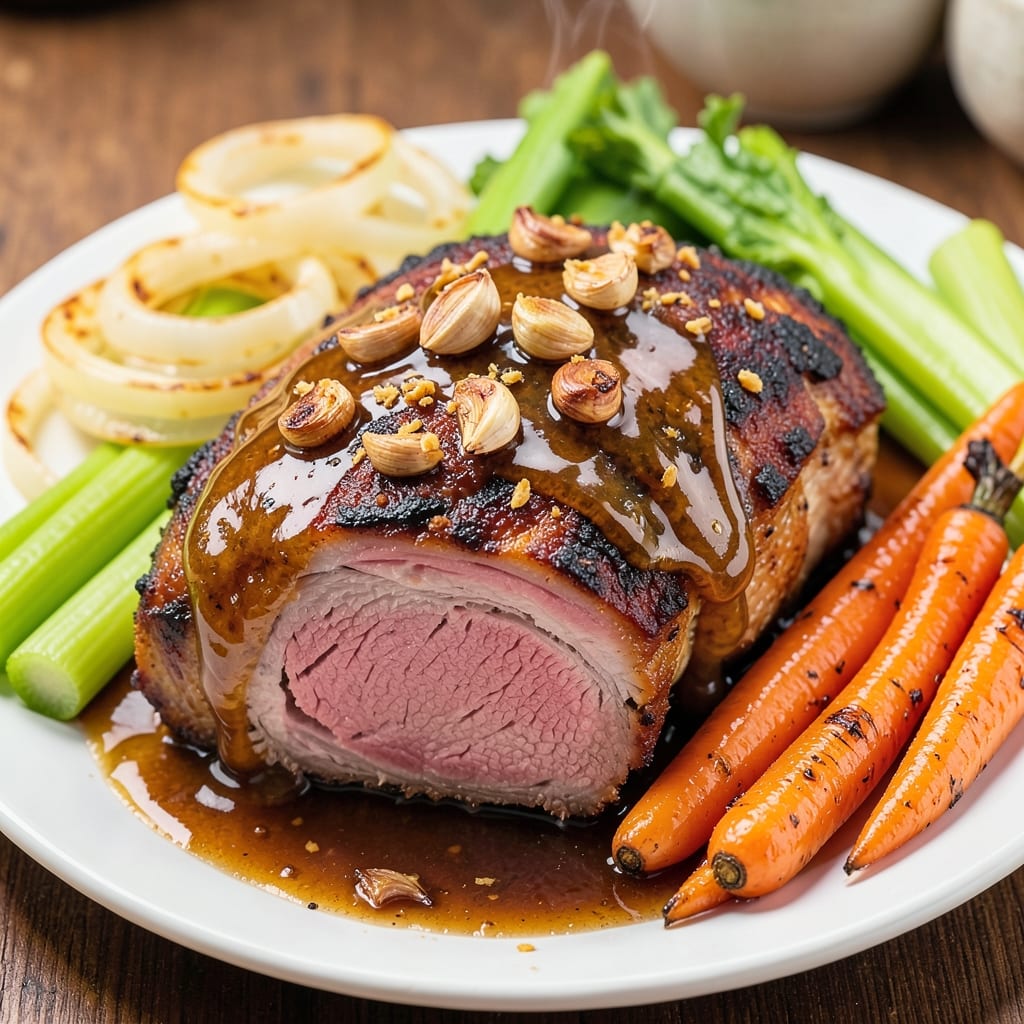
This beer-braised pork roast delivers fall-off-the-bone tenderness with a caramelized malty crust that'll have your guests begging for seconds. 🔥 I perfected this technique after years of experimenting with different cuts and beer styles—now it's my go-to for Sunday dinners when I want to impress without spending hours in the kitchen. The secret lies in a slow, moist cook that transforms tough pork shoulder into melt-in-your-mouth perfection while developing deep, complex flavors from the beer reduction.
The process starts with a simple dry rub of salt, pepper, and a touch of smoked paprika to create that signature crust, then braising in beer until the meat is so tender it practically disintegrates. I use a 3-4 pound pork shoulder because it's the ideal balance of flavor and tenderness, and the beer (I recommend a malty amber ale) becomes the star of the show as it reduces into a rich, glossy sauce. This isn't just a recipe—it's a flavor experience that turns an ordinary weeknight into something special.
By the time you're done, you'll have a restaurant-quality roast that's juicy, flavorful, and ready to slice against the grain for perfect presentation. The beer braising method ensures every bite is moist and packed with that deep, malty richness that pairs beautifully with classic sides like creamy mashed potatoes or roasted root vegetables. The best part? Leftovers reheat wonderfully, making this the ultimate make-ahead meal for busy families.
Whether you're hosting a dinner party or just treating yourself to a comforting meal, this beer-braised pork roast delivers foolproof results that'll have everyone asking for the recipe. The technique is simple but the flavors are anything but—rich, complex, and deeply satisfying. Let's get cooking!"
Ingredients for beer pork roast
Sixteen ingredients transform into a restaurant-worthy roast with caramelized crust and malty depth.
| Ingredient | Amount | Notes |
|---|---|---|
| Pork Shoulder (Bone-In) 🐖 | 3 ½ lb | Well-marbled for tenderness |
| Amber Ale Beer 🍺 | 2 cups | Malty, non-hoppy variety |
| Yellow Onion 🧅 | 1 whole | Large, roughly chopped |
| Garlic Cloves 🧄 | 6 cloves | Smashed for intense flavor |
| Carrots 🥕 | 3 whole | Whole, peeled, for braising |
| Celery Stalks 🥬 | 3 whole | Cut into 2-inch pieces |
| Smoked Paprika 🌶️ | 1 tbsp | For that signature crust |
| Kosher Salt 🧂 | 2 tbsp | Diamond Crystal preferred |
| Freshly Ground Black Pepper 🌶️ | 1 tbsp | Cracked, not powdered |
| Thyme Sprigs 🌿 | 4 whole | Fresh, tied with twine |
| Bay Leaves 🍃 | 2 whole | Dried, for depth |
| Olive Oil 🫒 | 2 tbsp | Extra-virgin, for searing |
| All-Purpose Flour 🌾 | 2 tbsp | For dusting pork |
The pork shoulder is non-negotiable—bone-in, well-marbled cuts from Whole Foods or local butchers give that fall-apart texture. Look for thick slabs with visible fat between the muscles. Sam Malone's or Allagash amber ales are my go-tos for the beer, but any malty, non-hoppy variety works. The beer isn't just liquid—it's the flavor backbone that reduces into a glossy sauce. For the dry rub, Diamond Crystal kosher salt dissolves better than table salt, and Penzeys smoked paprika delivers that authentic smoky punch without overpowering.
No amber ale? Brown ale or even a dark lager works in a pinch—just avoid hoppy IPAs. Fresh thyme is ideal, but dried at one-third the amount gets you close. The flour isn't for thickening—it's to coat the pork before searing, creating that crisp crust. Trader Joe's sells pre-cut mirepoix (onion, carrot, celery) that saves chopping time. The garlic should be smashed with the side of your knife—not minced—to release maximum flavor. For extra richness, add 1 tbsp of brown sugar to the dry rub, but don't skip the beer reduction—it's what makes this dish special.
This roast gets better the next day—3-4 days in the fridge, sealed in its juices. Freezes beautifully for up to 3 months—portion into individual servings before freezing. The beer sauce thickens as it cools, so add 1-2 tbsp of water when reheating if it's too stiff. I always make double batches because the leftovers reheat into something even more magical. Store the meat and sauce separately to prevent sogginess—just reheat the sauce separately and pour over the warmed pork.
Why You'll Love This Recipe
- One-Pan Magic: I swear by this—just dump everything in a roasting pan, let the oven do the work, and walk away. Minimal chopping, no flipping, no stress. Even the carrots caramelize beautifully without extra effort.
- Beer-Braised Bliss: That amber ale isn’t just for drinking—it transforms tough pork into melt-in-your-mouth perfection. The garlic and onions mellow into a deep, savory glaze, while the beer’s subtle sweetness balances the richness. Honestly, the smell alone makes my kitchen feel like a pub.
- Budget-Friendly Crowd-Pleaser: Pork shoulder is cheap, and this recipe stretches it across multiple meals without sacrificing flavor. Between us, it’s my go-to for game days, family dinners, or when I’m too tired to cook. Plus, the carrots add a sneaky veggie boost that even picky eaters won’t notice.
Step-by-step instructions for beer braised pork roast
Transform tough pork shoulder into melt-in-your-mouth perfection with this foolproof braising method.
🔥 Step 1: Sear the Pork Shoulder for Deep Flavor
Pat the 3.5 lb pork shoulder (bone-in) completely dry with paper towels—this is non-negotiable for crispy skin. Heat 2 tbsp olive oil in a Dutch oven over medium-high heat until shimmering. Add the pork and sear on all sides for 8-10 minutes total, turning occasionally, until it develops a deep golden-brown crust.
Here's the thing—don't rush this step. You want that Maillard reaction happening, which builds the foundation for all that malty beer flavor. If your pan isn't hot enough, the pork will steam instead of sear. I press down gently on the pork during the first minute to prevent curling and ensure even contact with the pan.
👨🍳 Step 2: Build the Braising Liquids and Aromatics
Remove the seared pork and set it aside. In the same Dutch oven, add 1 whole yellow onion (roughly chopped), 6 smashed garlic cloves, 3 whole carrots (peeled), and 3 whole celery stalks (cut into 2-inch pieces). Cook for 5 minutes until the vegetables begin to soften and take on color.
Sprinkle in 1 tbsp smoked paprika, 2 tbsp kosher salt, and 1 tbsp freshly ground black pepper. Stir everything together for 30 seconds to toast the spices—this deepens their flavor. Pour in the 2 cups amber ale beer and scrape up all those delicious browned bits from the bottom of the pan with a wooden spoon. This deglazing step captures all that concentrated flavor you worked so hard to create.
🥘 Step 3: Create the Perfect Braising Environment
Return the pork shoulder to the Dutch oven, fat-side up. Tie the 4 whole thyme sprigs together with kitchen twine and add them along with the 2 whole bay leaves to the pot. The pork should be mostly submerged in the liquid—if not, add a splash of water. Bring everything to a gentle simmer over medium heat.
Once simmering, reduce heat to low and cover tightly with a lid. This is where the magic happens—braising at 300°F in the oven (or 180°F on the stovetop) for 3-3.5 hours until the pork is fork-tender. The key is patience; the pork needs time to break down and absorb all those malty, aromatic flavors. I check the internal temperature with a meat thermometer—it should read 205°F when done.
⏰ Step 4: Rest and Develop the Crust
Remove the pork from the braising liquid and transfer it to a cutting board. Let it rest for 15-20 minutes before slicing. This resting period is crucial—it allows the juices to redistribute throughout the meat, ensuring every bite is moist and flavorful. While it rests, skim off any excess fat from the braising liquid and keep it warm for serving.
Here's a pro tip: after resting, transfer the pork to a baking sheet and broil for 2-3 minutes for a crispy, caramelized crust. Watch it closely—you want that golden-brown color, not burnt edges. The contrast between the tender meat and crispy exterior is what makes this dish truly special.
🍽️ Step 5: Serve with All the Braising Goodness
Slice the pork against the grain into ¼-inch thick slices for maximum tenderness. Spoon the braising liquid (now reduced and flavorful) over the top and serve immediately. The pork should be so tender it practically falls apart with a gentle tug, and each bite should be infused with that malty beer flavor and smoky paprika notes.
This dish pairs beautifully with crusty bread to soak up all that delicious braising liquid. Serve it with roasted vegetables or a simple green salad to balance the richness. Leftovers? They're even better the next day—if there are any left!
Pro Tips For Making Beer Pork Roast
- Sear the Shoulder Hard: That bone-in pork shoulder needs a deep, caramelized crust—don’t skimp on the sear. After patting it dry, hit every side with a hot pan (or grill) until it’s the color of dark amber, about 3-4 minutes per side. I used to rush this, and the meat never held up as well during the long cook.
- Use Cold Beer: Chill your amber ale before adding it to the pot—this keeps the liquid from evaporating too fast in the early stages. Pour it in cold, then bring to a simmer, and you’ll get a richer, less watery sauce by the end. (Yes, even if you’re impatient like me.)
- Don’t Crowd the Carrots: If you’re roasting carrots alongside the pork, spread them out in a single layer on a sheet pan—no overlapping. I learned this the hard way when my carrots came out soggy instead of caramelized. A light spray of oil and a 400°F oven for 25-30 minutes does the trick.
- Check Internal Temp Twice: Pork shoulder is forgiving, but pull it at 195-203°F—probe the thickest part, away from bone, and wait 5 minutes after it hits your target. I’ve pulled it "done" at 190°F only to have it fall apart when sliced. The second check guarantees tender perfection.
Make-ahead tips for leftovers
Prep Ahead for Stress-Free Cooking
I always prep the pork and aromatics the night before—pat the 3.5 lb pork shoulder dry and refrigerate uncovered for 24 hours to dry-brine naturally. Chop the onion, carrots, and celery (about 1 pound total) and store in a sealed container. This saves 20 minutes of prep time on cooking day and ensures better browning. The beer can go straight from fridge to pot—no need to thaw or warm it first. 💡
Braising Timeline Mastery
For a Sunday dinner, I start braising at 9 AM—the pork reaches 205°F by 1:30 PM with minimal attention. The key is maintaining a steady 300°F oven temp—I use an oven thermometer to verify accuracy. If using stovetop, simmer at 180°F and check liquid levels every 30 minutes, adding water if needed to keep the pork submerged.
Make-Ahead Magic
This roast actually tastes better the next day! After resting, transfer the sliced pork and braising liquid to separate airtight containers—the meat stays moist for 4-5 days in the fridge. For freezing, portion into quart-sized bags with 1 inch headspace and freeze for up to 3 months. Thaw overnight in the fridge before reheating. The beer sauce thickens when cold, so add 1-2 tbsp water when reheating for optimal texture. ❄️
Weeknight Shortcut
On busy nights, I use my Instant Pot for a 2-hour cook instead of oven braising. Sear the pork first, then add all ingredients (except flour) and cook on high pressure for 60 minutes. The results are just as tender—perfect for when I need dinner on the table fast. Just
Gravy Prep for Leftovers
Save the braising liquid from your roast—it's liquid gold! Strain it into a container and refrigerate. When reheating leftovers, pour ½ cup of the reserved liquid into a saucepan with 1 tbsp cornstarch and 1 tbsp butter. Simmer until thickened for an instant gravy. This trick turns dry reheated pork into a flavorful meal. I keep a jar of this gravy base in my freezer for quick weeknight dinners. 🍲
Nutrition facts
Frequently asked questions
Can I use any beer for this recipe?
A malty amber ale works best, but you can substitute with brown ale or dark lager. Avoid hoppy IPAs—they'll make the pork taste bitter. For extra richness, try a stout or porter, but reduce the amount to 1.5 cups since they're stronger.
How do I know when the pork is done?
Use a meat thermometer—it's the only reliable way! The internal temperature should reach 205°F in the thickest part. If you don't have one, check for tenderness by inserting a fork: it should slide in easily with no resistance. The pork will continue cooking slightly after removal.
Can I make this in a slow cooker?
Sear the pork first, then add all ingredients (except flour) to your slow cooker. Cook on low for 8 hours or high for 5-6 hours until fork-tender. The texture will be slightly different but still delicious. Just add ½ cup water if the liquid gets too low during cooking.
Why did my pork turn out dry?
Overcooking is the most common cause. Always check the internal temperature—205°F is perfect. Another reason could be not resting the meat long enough. Let it rest for 15-20 minutes before slicing to lock in juices. Also, avoid cutting into the pork until it's fully rested.
What's the best way to reheat leftovers?
Reheat the pork and braising liquid separately. Warm the meat in a skillet over medium-low heat with 1 tbsp of the reserved sauce for 3-4 minutes. For the sauce, simmer it with 1 tbsp cornstarch mixed with 1 tbsp cold water until thickened. Never microwave—it makes the pork tough.