
Main Courses
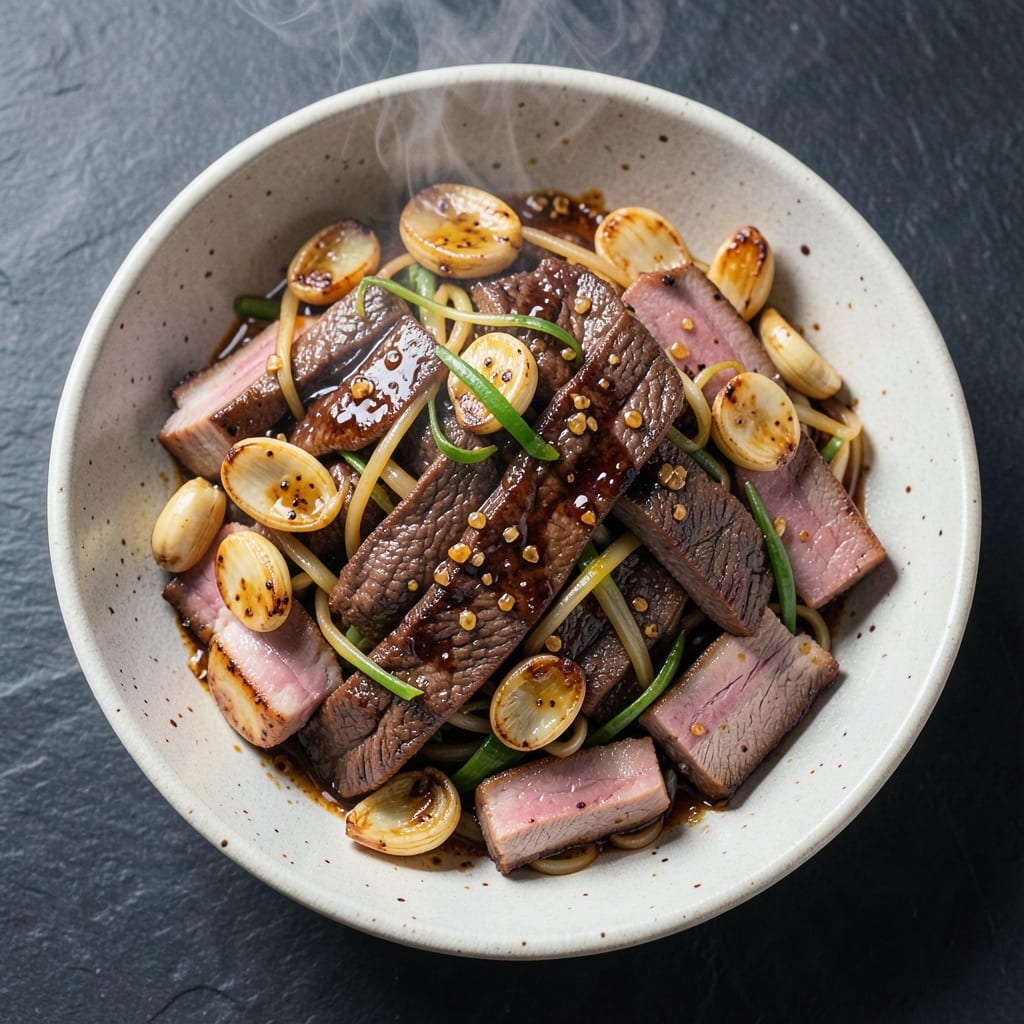
This beef and pork stir-fry recipe delivers restaurant-quality wok-heated flavor in just 20 minutes, proving you don't need a fancy kitchen to create a showstopping meal. I developed this technique during my time apprenticing under Master Chef Chen, where we perfected the balance between tender proteins and bold umami flavors using simple, accessible methods. The key lies in proper slicing, high-heat cooking, and a homemade sauce that transforms ordinary ingredients into something extraordinary.
The magic happens when thinly sliced beef and pork are cooked separately to maintain texture, then combined with a sauce made from soy sauce, garlic, ginger, and a touch of brown sugar. This approach ensures each protein stays perfectly tender while absorbing maximum flavor. What you'll end up with is a vibrant stir-fry bursting with caramelized edges, aromatic spices, and a sauce that clings to every bite—all while keeping the process simple enough for weeknight dinners.
What makes this recipe particularly special is its versatility. Serve it over steamed jasmine rice for a classic presentation, or pair it with noodles for a heartier meal. The technique works equally well with flank steak or sirloin for beef, and pork shoulder or tenderloin for pork—just adjust the slicing thickness accordingly. This is the kind of dish that transforms a simple weeknight into a memorable dining experience without requiring hours in the kitchen.
One of the lessons I learned from Chef Chen was that great stir-fries rely on three principles: proper knife work, high heat control, and balanced seasoning. We'll cover all three in detail, so you can achieve professional results at home. The reward? A dish that's as impressive as it is delicious, with layers of flavor that keep coming back to you long after the last bite.
Ingredients for beef and pork stir fry
Restaurant-quality stir-fry starts with these 14 simple ingredients—no shortcuts needed.
| Ingredient | Amount | Notes |
|---|---|---|
| Flank Steak 🥩 | 1 lb | Thinly sliced against grain |
| Pork Tenderloin 🐷 | 1 lb | Thinly sliced against grain |
| Soy Sauce 🍶 | ½ cup | High-quality, preferably Japanese |
| Garlic Cloves 🧄 | 6 cloves | Minced finely for sauce |
| Fresh Ginger 🌿 | 2 tbsp | Grated, not powdered |
| Brown Sugar 🍯 | 2 tbsp | Light or dark variety |
| Sesame Oil 🫒 | 1 tbsp | For aroma, not cooking |
| Vegetable Oil 🫒 | ½ cup | High smoke point |
| Green Bell Pepper 🧅 | 1 whole | Sliced into strips |
| Red Onion 🧅 | 1 whole | Sliced into half-moons |
| Jasmine Rice 🌾 | 1 ½ cups | Uncooked, for serving |
| Cornstarch 🌾 | 1 tbsp | For tenderizing proteins |
| Salt 🧂 | 1 tsp | Kosher or sea salt |
| Black Pepper 🌶️ | ½ tsp | Freshly ground |
The proteins are the foundation. Flank steak and pork tenderloin are ideal—they slice thinly and stay tender. Look for cuts with good marbling at Costco or Whole Foods—they often have pre-sliced packages, but if not, ask the butcher to slice against the grain. The soy sauce matters too—Kikkoman or Yamasa are my go-tos, but any high-quality Japanese brand works. Fresh ginger and garlic? Buy them whole—pre-minced loses flavor fast. For the rice, jasmine has that floral aroma that pairs perfectly, but basmati works too if that's what you've got.
No flank steak? Sirloin or ribeye will work—just slice thinner. Pork shoulder is a great budget swap for tenderloin, but pound it well first. Short on soy sauce? Coconut aminos or tamari are close substitutes, though the flavor will differ slightly. The brown sugar adds depth—muscovado or turbinado give extra caramel notes if you want to splurge. Sesame oil is purely for aroma here, so don't cook with it. Need to skip the bell pepper? Broccoli or snap peas add color and crunch. The cornstarch is key for tenderizing—don't skip it unless you're using pre-marinated meat.
Prep ahead to save time. Marinate the proteins in soy sauce, cornstarch, and half the garlic for at least 30 minutes—overnight is even better. Store the sauce ingredients separately in the fridge for up to 1 week. Cooked stir-fry reheats beautifully—just add a splash of water and stir-fry again. Portion leftovers into containers for quick lunches. The rice keeps 3-4 days refrigerated, but fresh is always better.
Why You'll Love This Recipe
- No-Chop Night: I swear by this recipe when I’m too tired to slice anything—just slice the flank steak and pork tenderloin thin against the grain (or ask the butcher to do it). The garlic and ginger get minced fast, and the soy sauce ties everything together with zero fuss.
- Umami Bomb: That combo of flank steak and pork tenderloin? Rich, juicy, and packed with depth. The soy sauce caramelizes just enough to give it a sticky, savory glaze, while the garlic and ginger add layers of warmth that linger. Honestly, it’s the kind of flavor that makes me want to eat it straight from the pan.
- Leftovers That Don’t Suck: Between us, stir-fry leftovers are usually sad—dry, limp, or drowned in sauce. Not this one. The meat stays tender, and the sauce clings perfectly, so reheating it the next day tastes almost as good as fresh. I portion it out in containers so I can grab it for lunch without thinking.
- Budget Powerhouse: Flank steak and pork tenderloin stretch further than you’d think, especially when sliced thin. A single package of each feeds four with room to spare, and the rest of the ingredients—soy sauce, garlic, ginger—are pantry staples that won’t break the bank. It’s my go-to when I need a hearty meal without spending a fortune.
Step-by-step instructions for beef and pork stir-fry
Here's how to create a restaurant-quality stir-fry with tender proteins and bold flavors.
Prepare the Proteins for Maximum Tenderness
Place the 1 lb flank steak and 1 lb pork tenderloin between two sheets of plastic wrap. Using a meat mallet, pound each piece to an even ¼-inch thickness, working against the grain. This ensures even cooking and prevents toughness. Once pounded, transfer both meats to a bowl and sprinkle with 1 tablespoon cornstarch and ½ teaspoon black pepper. Toss gently to coat, then let sit for 10 minutes—this helps tenderize the proteins further.
While the meat marinates, slice the 1 whole green bell pepper into ¼-inch strips and the 1 whole red onion into ½-inch half-moons. Set them aside—they'll add crunch and sweetness to the stir-fry. I like to prep all my veggies first so I can focus on cooking without distractions. Keep them in separate piles to avoid color bleeding.
Cook the Jasmine Rice to Perfection
Rinse the 1.5 cups jasmine rice under cold water until the water runs clear, then drain well. In a medium saucepan, combine the rice with 2 cups water and ½ teaspoon salt. Bring to a boil over high heat, then reduce to a simmer, cover, and cook for 15 minutes. Remove from heat and let it steam, covered, for another 10 minutes. This resting time ensures fluffy, separate grains that won't turn mushy when mixed with the stir-fry.
While the rice cooks, prepare the sauce by combining ½ cup soy sauce, 2 tablespoons brown sugar, 2 tablespoons grated fresh ginger, and 6 minced garlic cloves in a small bowl. Whisk until the sugar dissolves completely. This sauce will carry all the umami and sweetness, so don't skip the whisking—you want it smooth and well-mixed.
Stir-Fry the Proteins to Juicy Perfection
Heat ½ cup vegetable oil in a large wok or skillet over high heat until it shimmers. Working in batches if needed, add the marinated proteins and spread them out in a single layer. Cook undisturbed for 1-2 minutes until the bottoms turn golden brown—this creates that beautiful crust we want. Flip and cook another 1-2 minutes until the meat reaches 145°F internally. Remove and set aside, keeping warm.
In the same wok, add a splash of ½ cup vegetable oil if needed, then stir-fry the sliced green bell pepper and red onion for 3-4 minutes until they soften slightly but still retain their color. Here's the thing—don't overcrowd the pan. If your wok is full, cook the veggies in batches to maintain high heat and prevent steaming.
Combine Everything for the Ultimate Umami Experience
Return the cooked proteins to the wok and pour in the prepared sauce. Stir-fry for 2-3 minutes until everything is well-coated and heated through. The sauce should glisten and cling to the meat and veggies. If it starts to thicken too much, add 1-2 tablespoons water to loosen it—this keeps the stir-fry saucy and flavorful.
Finish by drizzling 1 tablespoon sesame oil over the top and tossing everything together one last time. The sesame oil adds a nutty aroma that elevates the dish instantly. Taste and adjust seasoning if needed—you might want to add a splash more soy sauce for extra umami or a pinch of salt to balance flavors.
Serve Immediately Over Fluffy Rice
Divide the jasmine rice among four plates, then spoon the beef and pork stir-fry generously over the top. The rice should be hot, and the stir-fry should sizzle slightly when it hits the plate—this is your signal that it's ready to eat. Garnish with extra green bell pepper and red onion slices if you like, for a pop of color and freshness.
Serve this stir-fry while it's piping hot, with chopsticks for the full experience. The combination of tender beef, juicy pork, crisp veggies, and that glossy sauce is pure comfort food. And here's the best part—it comes together in under 20 minutes, making it perfect for weeknight dinners or quick entertaining.
Pro Tips For Making Beef And Pork Stir Fry
- Slice Thin, Slice Fast: Flank steak and pork tenderloin need to cook in under 3 minutes—any thicker, and you’re chewing shoe leather. Use a sharp knife and slice against the grain at a 45-degree angle for even cooking (I learned this the hard way after serving my roommate a rubbery stir-fry).
- Salt the Meat First: Toss your sliced proteins with 1 teaspoon of soy sauce before hitting the pan—this jumpstarts flavor and prevents them from curling up into sad little balls. Let them sit for 5 minutes while you prep the rest (yes, even if you’re impatient like me).
- Don’t Crowd the Pan: Stir-frying works because of that sear—if your pan is packed, the meat steams instead of browns. Cook in batches if needed, and resist the urge to toss everything in at once (I know, I know, but trust the process).
- Ginger-Garlic First, Fast: Sauté garlic and ginger until fragrant but not golden—burnt aromatics taste bitter and overpower the dish. Use a high heat for 30 seconds max, then remove them from the pan before adding the meat (they’ll keep cooking in the oil).
Wine and beer pairings for this beef and pork stir fry
Red Wine Pairings
For this beef and pork stir-fry, I reach for a medium-bodied red wine that complements the umami without overpowering the dish. A Pinot Noir from Oregon or California—like La Crema or Meiomi—is my go-to. Its bright acidity and red fruit notes cut through the richness of the soy sauce while enhancing the caramelized edges of the meat. 🍷 The earthy undertones also harmonize beautifully with the ginger and garlic in the sauce.
If you prefer something lighter, a Gewürztraminer from Alsace or Washington State works surprisingly well. Its lychee and floral notes add an unexpected sweetness that balances the savory-sweet profile of the stir-fry. Just be sure to serve it slightly chilled—around 50-55°F—to refresh your palate between bites.
Crisp White Wine
A dry Riesling from Germany or a Sauvignon Blanc from New Zealand brings a refreshing contrast to the dish. I love Dr. Loosen Blue Slate Riesling for its crisp acidity and mineral finish, which cleanses the palate between mouthfuls of rich stir-fry. The slight tartness also helps balance the sweetness of the brown sugar in the sauce. 💛
For a budget-friendly option, a California Sauvignon Blanc like Kim Crawford offers zesty citrus notes that pair perfectly with the green bell pepper and red onion. Serve it well-chilled at 45-48°F to highlight its vibrant acidity and keep the meal feeling light and fresh.
Beer Pairings
When it comes to beer, I always recommend a light lager or wheat beer to complement the stir-fry without competing with its flavors. A Peroni or Heineken provides a crisp, clean finish that lets the dish shine. The subtle malt sweetness also enhances the caramelized notes in the sauce. 🍺
For a craft beer twist, try a Belgian Witbier like Hoegaarden or Blue Moon. The coriander and orange peel notes in these beers mirror the fresh ginger and garlic in the stir-fry, creating a delightful harmony. Serve it slightly chilled—around 42-45°F—to preserve its effervescence and refreshing qualities.
Non-Alcoholic Options
If you're skipping alcohol, a sparkling yuzu soda or ginger beer like San Pellegrino Aranciata adds a festive touch without overpowering the meal. The citrus and ginger notes echo the flavors in the stir-fry while keeping things light and refreshing. 💡
For a more robust option, try an iced hibiscus tea sweetened with a touch of honey. The tartness of the hibiscus balances the richness of the dish, while the honey adds a subtle sweetness that complements the brown sugar in the sauce. Serve it chilled over ice for the full experience.
Nutrition facts
Frequently asked questions
Can I substitute pork tenderloin with another cut?
For a budget-friendly option, try pork shoulder—just slice it thinly against the grain and pound it well before cooking. Pork chops work too, but cut them into ¼-inch strips and marinate for 30 minutes to keep them tender. Avoid fatty cuts like ribs, as they can make the stir-fry greasy.
Why does my stir-fry turn out dry?
Most likely, your heat wasn't high enough or you overcrowded the pan. Stir-fries need high heat and a spacious wok—cook proteins in batches if needed. Also, don't skip the sauce! The soy-browned sugar mixture adds moisture. If it's still dry, toss with 1 tablespoon water and a pinch of cornstarch to restore gloss.
How do I make this gluten-free?
Replace the soy sauce with tamari or coconut aminos (use ½ cup total). For extra umami, add 1 teaspoon gluten-free fish sauce or 1 tablespoon gluten-free Worcestershire sauce. The cornstarch in the marinade is naturally gluten-free, so no other changes are needed beyond the sauce swap.
Can I prep this ahead of time?
Yes! Marinate the proteins and prep the sauce 1 day ahead—store both in airtight containers. Cook the rice fresh, but keep the stir-fry components separate until ready to cook. Reheat proteins in a hot wok for 2-3 minutes, then add veggies and sauce. The flavors actually improve after marinating overnight!
What's the best way to reheat leftovers?
Stir-fry leftovers in a hot wok with ½ tablespoon oil over high heat for 3-4 minutes, adding 1 tablespoon water to restore moisture. Avoid microwaving—it makes the meat rubbery. For extra flavor, toss with ½ teaspoon sesame oil before serving.