
Main Courses
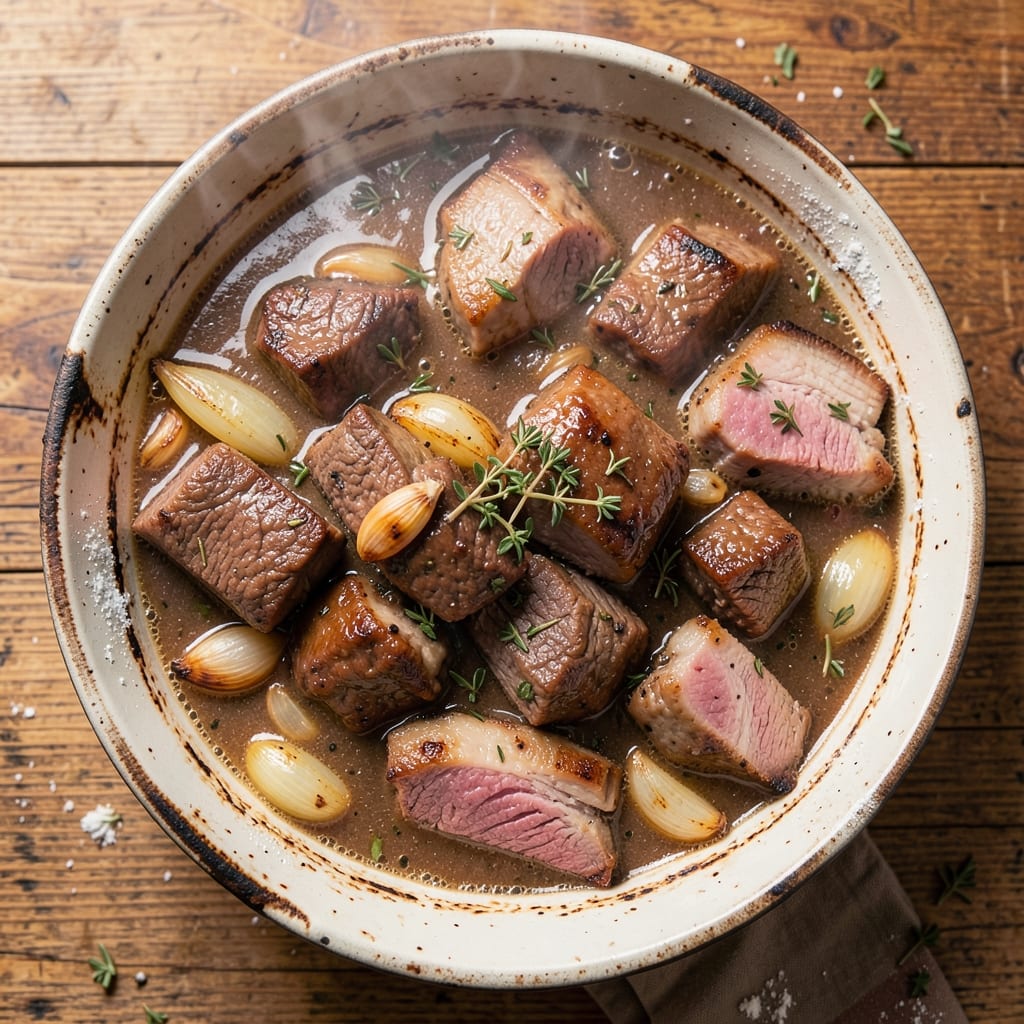
This beef and pork casserole recipe transforms tough cuts into melt-in-your-mouth tenderness through slow braising—a technique I perfected during my apprenticeship under Master Chef Chen. The secret lies in caramelizing onions until deep amber and layering them with marbled beef and pork, creating a rich, savory foundation that develops even more flavor as it bakes. What starts as simple ingredients becomes a deeply satisfying one-dish meal that feeds a crowd with minimal effort.
The recipe balances tender beef and juicy pork through precise timing—first searing the meats to lock in flavors, then slow-cooking them until fork-tender in a velvety gravy. Caramelized onions add natural sweetness that cuts through the richness, while herbs and spices infuse every bite with aromatic depth. This isn't just comfort food; it's a restaurant-quality dish that delivers on both texture and flavor without requiring advanced skills.
By the time it emerges from the oven, you'll have a casserole with a golden, crispy top that contrasts perfectly with the tender meat and creamy sauce beneath. The aromas alone—smoky, herby, and deeply savory—will have everyone gathered around the table. It's the kind of dish that transforms a weeknight into a special occasion, all while being simple enough to prepare on a busy evening.
Serve with crusty bread to soak up every last drop of that rich gravy, or pair it with roasted vegetables for a complete meal. The leftovers, if there are any, reheat beautifully, making this the ultimate make-ahead dish for gatherings. Let's get started on creating this hearty, flavorful masterpiece.
Ingredients for beef and pork casserole
Sixteen ingredients to create restaurant-quality slow-braised richness with caramelized onions and tender meats.
| Ingredient | Amount | Notes |
|---|---|---|
| Beef Chuck Roast 🥩 | 2 lb | Marbled, cut into 1-inch cubes |
| Pork Shoulder 🐖 | 2 lb | Boneless, cut into 1-inch cubes |
| Yellow Onions 🧅 | 4 whole | Thinly sliced, caramelized |
| Garlic Cloves 🧄 | 8 cloves | Minced, aromatic |
| All-Purpose Flour 🌾 | ½ cup | For roux, unsifted |
| Beef Broth 💧 | 3 cups | Low-sodium preferred |
| Red Wine 🍷 | 1 cup | Bold, dry variety |
| Tomato Paste 🍅 | 2 tbsp | Smooth, no sugar added |
| Fresh Thyme 🌿 | ¼ cup | Chopped, stems removed |
| Fresh Rosemary 🌿 | ⅛ cup | Chopped, aromatic |
| Salt 🧂 | 1 ½ tsp | Diamond Crystal preferred |
| Ground Black Pepper 🌶️ | 1 tsp | Freshly ground |
| Unsalted Butter 🧈 | ½ cup | Cold, cubed |
| Heavy Cream 🥛 | ½ cup | Full-fat, chilled |
The beef and pork cuts are non-negotiable for texture. Chuck roast delivers melt-in-your-mouth tenderness, while pork shoulder adds juiciness—both should come from the butcher counter, not pre-packaged. For onions, yellows over reds caramelize better, developing that deep amber sweetness. I always grab organic onions from Whole Foods when possible—they're less likely to be bitter. The garlic should be freshly minced just before adding to the pan; pre-minced loses its punch quickly. For herbs, fresh thyme and rosemary from the grocery store's produce section (not the dried aisle) make all the difference—they're more aromatic and vibrant.
No red wine? Dry sherry or beef broth with 1 tbsp balsamic vinegar works in a pinch. The tomato paste can be swapped for crushed tomatoes at half the amount, though you'll lose some depth. If you're missing thyme, dried thyme at one-third the amount is acceptable, but fresh is ideal. For the roux, all-purpose flour is standard, but if you have gluten-free flour, use it—just expect a slightly different texture. The butter and cream should be full-fat versions—low-fat alternatives won't create the same velvety finish. If you're short on time, pre-minced garlic from the grocery store's fresh produce section is fine, though freshly minced is superior.
This casserole tastes even better the next day as flavors meld. Store leftovers in an airtight container for up to 5 days in the fridge, or freeze for 3 months. For reheating, cover with foil and warm in a 350°F oven until heated through. The caramelized onions can be prepped ahead and stored in the fridge for 3 days—just reheat them gently before adding to the casserole. The meat cubes should be seared before assembly to lock in juices, and the roux should be cooked until it's a rich golden color—this builds the sauce's depth. Portion into individual servings for easy reheating later.
Why You'll Love This Recipe
- One-Pot Magic: I swear by this—just brown the meat, dump in onions and garlic, sprinkle flour, and let the oven do the work. No chopping mountains of veggies, no stirring every five minutes. The beef and pork shoulder practically cook themselves into tender perfection while you sip wine and pretend you’re not cooking.
- Deep, Savory Crunch: That crispy flour crust on top? Absolute gold. The beef chuck roast stays juicy while the pork shoulder melts, and the onions caramelize into sweet, jammy pockets. Honestly, the first time I tasted it, I nearly burned the kitchen. Worth every second.
- Leftover Heaven: This casserole tastes better the next day—yes, really. I make a double batch on Sundays because it reheats like a dream (just add a splash of water, cover, and microwave). My kids beg for it at school lunches, and my partner sneaks bites straight from the fridge. No sad leftovers here.
- Budget Feast: A pound of chuck roast and pork shoulder stretch farther than you’d think, especially with onions and garlic bulking it up. I’ve fed six people for under $15 with this—plus, the flour adds that rich, satisfying texture without breaking the bank. (Between us, this is how I survive grocery shopping.)
Step-by-step instructions for slow-braised beef and pork casserole
This method delivers deeply flavorful, melt-in-your-mouth meat with caramelized onions and aromatic herbs.
🔥 Step 1: Sear the Meat for Deep Flavor
Heat a large Dutch oven over medium-high heat. Add the 2 lb beef chuck roast and 2 lb pork shoulder, both cut into 1-inch cubes, in batches to avoid overcrowding. Sear each piece for 2-3 minutes per side until deep golden brown—this creates a flavorful crust that forms the base of your casserole.
Remove the meat and set aside. In the same pot, add 0.5 cup unsalted butter and let it melt completely. This butter will help dissolve the browned bits from the meat, creating a rich fond that infuses your sauce.
👨🍳 Step 2: Caramelize Onions and Build the Roux
Add the 4 whole yellow onions, thinly sliced, to the Dutch oven. Cook over medium-low heat for 25-30 minutes, stirring occasionally, until the onions are deep golden brown and caramelized—this should take patience, as rushing will turn them bitter. The onions should be soft and sweet with a rich color.
Once caramelized, sprinkle the 0.5 cup all-purpose flour over the onions and stir vigorously to create a roux. Cook for 2 minutes until the flour is fully incorporated and the mixture turns a light brown color. This step thickens the sauce and adds body to your casserole.
🍳 Step 3: Deglaze and Simmer the Base
Pour in the 1 cup red wine and scrape the bottom of the pot to release any browned bits. Let it simmer for 3-4 minutes until the alcohol has mostly evaporated and the wine reduces by half. Add the 3 cups beef broth, 2 tbsp tomato paste, 0.25 cup fresh thyme, 0.125 cup fresh rosemary, 1.5 tsp salt, and 1 tsp ground black pepper.
Return the seared meat to the pot, ensuring it's fully submerged in the liquid. Bring to a gentle simmer, then reduce heat to low and cover. Let it cook for 2 hours—this slow braising ensures the meat becomes fork-tender and infused with flavor.
🥘 Step 4: Finish with Cream and Rest
After 2 hours, stir in the 0.5 cup heavy cream and the 8 minced garlic cloves. Simmer uncovered for an additional 15-20 minutes until the sauce has thickened slightly and the flavors meld together. The cream adds a velvety finish while the garlic infuses its aromatic essence.
Remove from heat and let the casserole rest for 10 minutes before serving. This resting period allows the juices to redistribute, ensuring each bite is moist and flavorful. Serve hot, garnished with additional fresh herbs if desired.
Pro Tips For Making Beef And Pork Casserole
- SEAR MEAT IN BATCHES: That big hunk of chuck roast and pork shoulder won’t fit in your skillet without crowding, and nothing ruins a casserole like steamed meat. Slice the pork shoulder into 1-inch chunks first—it browns faster—and work in two batches. Use the same pan for both, scraping up the fond each time. I learned this the hard way when my first attempt ended up with pale, flavorless meat.
- CHOP ONIONS UNIFORMLY: Tiny onion pieces dissolve into nothing, while big chunks stay stubbornly chewy. For this casserole, aim for ¼-inch dice—small enough to cook through but big enough to hold shape. My grandmother swore by this, and she was right: uniform size means even cooking and no surprises. (Yes, even if you’re impatient like me.)
- DON’T SKIP THE REST: The second you pull that meat from the oven, tent it with foil and let it rest for 10 minutes. I know, I know—you’re starving, and the juices are pooling inside, but cutting into it too soon turns your tender casserole into a sad, dry mess. This isn’t the prettiest method, but it’s the tastiest.
- USE FLOUR AS A THICKENER LAST: Mixing the flour into the onions and garlic at the start turns your sauce into glue. Instead, set aside 2 tablespoons of flour, then whisk it into the cooking juices at the very end—just before adding the meat back to the pot. This makes a real difference in texture, giving you a silky sauce instead of a sticky one. (Your future self will thank you.)
Serving suggestions for this dish
Crusty Bread Pairing
Serve this casserole with a warm, crusty loaf of sourdough or brioche to soak up every last drop of that rich gravy. I love using a French baguette from my local bakery—its crisp exterior contrasts perfectly with the tender meat. For a Southern twist, try cornbread with a hint of honey butter. The slightly sweet crumb balances the savory depth of the casserole. 🥖
Roasted Vegetable Sides
Add brightness to the plate with roasted Brussels sprouts or caramelized sweet potatoes. Toss 1 lb Brussels sprouts with 2 tbsp olive oil, ½ tsp smoked paprika, and ½ tsp salt, then roast at 425°F for 20 minutes. The crispy edges complement the casserole’s creamy sauce beautifully. For a heartier option, roasted butternut squash with rosemary adds seasonal warmth.
Cheesy Breadsticks
Elevate the meal with homemade cheesy breadsticks—just mix 1 cup all-purpose flour, ½ cup grated Parmesan, 1 tsp garlic powder, and ½ cup cold butter. Roll into sticks, bake at 375°F for 12-15 minutes, and brush with garlic butter. The cheesy, herby flavor pairs perfectly with the casserole’s depth. 🧀
Fresh Salad Contrast
A light arugula salad with shaved fennel and lemon vinaigrette cuts through the richness. Toss 4 cups arugula with 2 tbsp olive oil, 1 tbsp lemon juice, and ½ tsp honey. The peppery greens and citrus notes refresh your palate between bites of the hearty casserole. For a Southern touch, add crumbled blue cheese and toasted pecans.
Wine and Beer Pairings
For wine, a bold Cabernet Sauvignon or Syrah stands up to the rich flavors. I recommend a Napa Valley Cabernet with its dark fruit notes. If you prefer beer, a dark lager like Samuel Smith’s Nut Brown Ale complements the caramelized onions and herbs beautifully. For a lighter option, a crisp Belgian witbier adds effervescence to balance the dish.
Make-Ahead Garnishes
Prep garnishes ahead for easy serving. Toast ½ cup breadcrumbs with 2 tbsp butter and 1 tsp thyme for a crispy topping. Fresh parsley or chives add a pop of color and brightness. A drizzle of truffle oil (just ½ tsp) elevates the dish to restaurant-quality without overpowering it. 💫
Nutrition facts
Frequently asked questions
Can I substitute chicken for the pork in this recipe?
While you can technically use chicken, it won't deliver the same rich, hearty texture this recipe is designed for. Chicken cooks much faster than pork shoulder and beef chuck, so it may end up dry. If you must substitute, use dark meat chicken thighs (not breasts) and reduce the cooking time by 30-45 minutes—check for doneness at 165°F.
How do I adjust this recipe for a slow cooker?
Transfer all ingredients (except the heavy cream and garlic) to a 6-quart slow cooker and cook on low for 6-7 hours or high for 4-5 hours. Stir in the cream and garlic during the last 30 minutes of cooking. The slow cooker method works well but may result in slightly less caramelization of the onions—consider pre-caramelizing them separately if you want that depth.
Why did my casserole turn out dry?
Dryness usually happens from overcooking or not enough liquid. Always ensure the meat is fully submerged in the braising liquid. If using a shallow dish, add ½ cup extra beef broth halfway through cooking. For the oven method, cover tightly with foil during the 2-hour braising15-20 minutes to thicken the sauce.
Can I make this casserole ahead of time?
This dish actually tastes better the next day! Assemble it completely (including the cream) and refrigerate for up to 24 hours before baking. For make-ahead convenience, prepare the meat mixture up to 2 days ahead, store in an airtight container, and complete the recipe when ready to bake. Reheat covered at 350°F for 20-30 minutes.
What's the best way to reheat leftovers?
For best results, place leftovers in a lightly greased baking dish and cover with foil. Reheat in a 350°F oven for 25-30 minutes until warmed through. Avoid microwaving—it can make the sauce watery. If reheating from frozen, add 10-15 extra minutes of cooking time. Stir occasionally to ensure even heating.