Main Courses
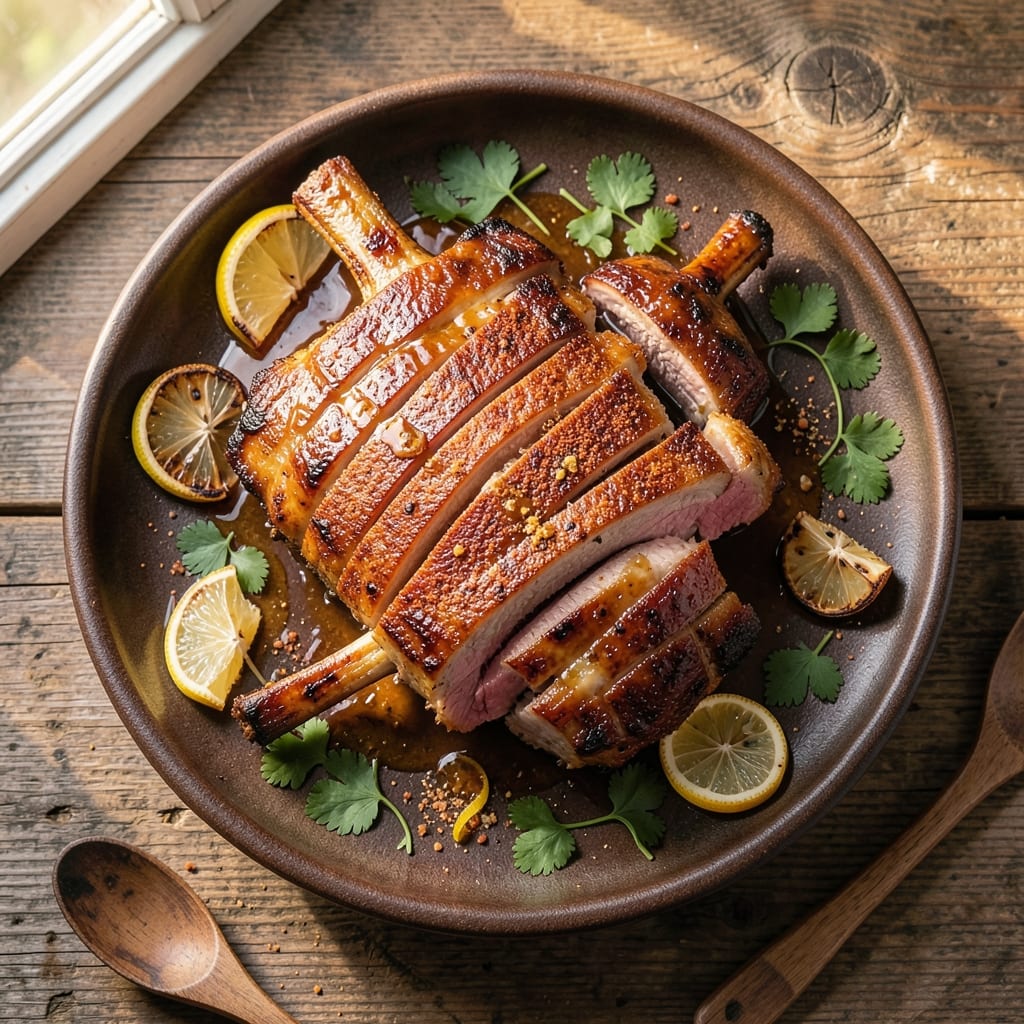
This BBQ rack of pork recipe delivers restaurant-quality results with smoky bark and a juicy pink heart—all in one pan. After years of perfecting my technique, I've cracked the code for tender, flavorful pork that falls apart with just a gentle pull. The secret lies in a dry rub that forms a flavorful crust while keeping the interior moist, and a two-zone grill method that controls both char and doneness.
What sets this recipe apart is the balance between traditional BBQ methods and modern efficiency. You'll start with a simple dry rub of brown sugar, smoked paprika, and garlic powder, then grill the pork using the indirect heat technique to ensure even cooking. The result? A perfectly tender rack with a caramelized exterior that's packed with smoky flavor—no need for hours of slow smoking or complicated prep.
By the time you're done, you'll have pork that's juicy enough to pull apart with a fork, yet firm enough to hold its shape on the bone. The crispy bark adds texture and depth, while the pink center delivers that satisfying contrast. This is the kind of meal that transforms a simple weeknight into a memorable feast—without requiring a full day of prep or expensive equipment.
Serve with classic BBQ sides like grilled corn on the cob, creamy coleslaw, or buttery cornbread to complete the experience. The pork's rich, smoky flavor pairs beautifully with tangy sauces or a simple sprinkle of fresh herbs. Let's get started on creating your perfect rack of pork.
Ingredients for bbq rack of pork
Restaurant-quality pork starts with this precise dry rub and two-zone grill technique.
| Ingredient | Amount | Notes |
|---|---|---|
| Pork Loin Rack 🐖 | 2 lb | Bone-in, frenched preferred |
| Brown Sugar 🍚 | ½ cup | Light or dark variety |
| Smoked Paprika 🌶️ | 2 tbsp | High-quality for smoky depth |
| Garlic Powder 🧄 | 1 tbsp | Freshly ground preferred |
| Kosher Salt 🧂 | 1 tbsp | Diamond Crystal preferred |
| Ground Black Pepper 🌶️ | 1 tbsp | Freshly cracked for intensity |
| Onion Powder 🧅 | 1 tsp | For depth of flavor |
| Mustard Powder 🍯 | 1 tsp | For subtle tang |
| Olive Oil 🫒 | 2 tbsp | Extra-virgin for high smoke point |
| Fresh Rosemary 🌿 | ¼ cup | Finely chopped, fresh preferred |
| Yellow Onion 🧅 | 1 whole | Thinly sliced for garnish |
| Apple Cider Vinegar 🍎 | 1 tbsp | For finishing glaze |
| Fresh Thyme Leaves 🌿 | ¼ cup | For aromatic finish |
The pork loin rack is your foundation—bone-in cuts stay juicier, and frenched ends (where the bones are exposed) create stunning presentation. Costco or local butchers often carry premium racks; look for good marbling and even bone spacing. If using a frozen rack, thaw it in the fridge overnight for even cooking. The smoked paprika should be high-quality—Penzeys or McCormick Gourmet deliver consistent smoky depth. Freshly ground spices like garlic and black pepper make a noticeable difference, so invest in a small coffee grinder if you're serious about flavor. The brown sugar should be light for a balanced sweetness; dark varieties add molasses notes that can overpower the smoky profile.
No smoked paprika? Substitute with 1 tbsp regular paprika plus 1/2 tsp liquid smoke—though the flavor won't be identical. Running short on fresh rosemary? Dried rosemary at half the amount works, but the aroma won't be as vibrant. For the finishing glaze, apple cider vinegar adds brightness—balsamic vinegar works too, though it leans sweeter. The olive oil should be extra-virgin with a high smoke point; California Avocado Ranch or Colavita are excellent choices. If you're grilling in cold weather, preheat your grill for 15-20 minutes to maintain consistent temperatures. The two-zone heat method is critical—place the pork over indirect heat once the rub forms a crust to prevent overcooking.
Store leftover pork in an airtight container for up to 4 days—it reheats beautifully with a splash of water or broth. For longer storage, vacuum-seal portions and freeze for up to 3 months. The dry rub keeps well in a sealed jar for 3 months; make extra to use on chicken or ribs. When serving, garnish with thinly sliced onions and fresh thyme just before eating to preserve the aromatic oils. The pink center should be firm but yield slightly to pressure—overcooking turns it rubbery. This recipe scales perfectly for crowds; simply double the rub and adjust grill time accordingly.
Why You'll Love This Recipe
- Minimal Ingredient List: I swear by this recipe because it’s that simple. Just five ingredients—pork rack, brown sugar, smoked paprika, garlic powder, and salt—and you’re golden. No fancy marinades or last-minute grocery runs. Honestly, I keep these staples stocked just for this.
- Smoky-Sweet Magic: That caramelized brown sugar crust? It’s the star. The smoked paprika adds this deep, earthy warmth while the garlic powder ties it all together—like a hug for your taste buds. (Yes, even on a Tuesday night.)
- Leftovers for Days: This recipe makes enough for two dinners. I’ll be real: the second night is often better because the flavors meld even more. Slice it thin, toss in a salad, or serve it cold in sandwiches—it’s a crowd-pleaser every time.
- Budget-Friendly Feast: Pork loin racks stretch further than you’d think, and these ingredients won’t break the bank. Between us, this is my go-to when I want to impress without overspending. Plus, the leftovers feed me for half the week. Win-win.
Step-by-step instructions for smoky pork loin rack with perfect juicy heart
This method delivers crispy bark and tender pink center through precise seasoning and controlled cooking.
Prepare the Dry Rub and Season the Pork
In a medium bowl, combine the 0.5 cup brown sugar, 2 tbsp smoked paprika, 1 tbsp garlic powder, 1 tbsp kosher salt, 1 tbsp ground black pepper, 1 tsp onion powder, and 1 tsp mustard powder. Mix thoroughly until evenly distributed—this blend creates the perfect balance of sweet, smoky, and savory flavors.
Pat the 2 lb pork loin rack completely dry with paper towels, then generously coat all sides with the dry rub mixture. Press the rub firmly into the meat so it adheres well, especially in the crevices between the chops. Let the seasoned pork sit at room temperature for 30 minutes before cooking—this ensures even cooking and maximum flavor penetration.
Sear the Pork for Maximum Flavor
Heat a heavy oven-safe skillet (like cast iron) over medium-high heat until very hot. Add the 2 tbsp olive oil and swirl to coat the bottom evenly. Place the pork rack in the skillet, fat-side down, and sear for 4-5 minutes until the fat begins to render and the meat develops a deep golden-brown crust.
Flip the pork and continue searing for another 3-4 minutes until all sides are deeply browned. The key here is patience—don't rush the searing process. You'll know it's ready when the pork releases easily from the skillet and the crust has developed a rich, caramelized color. This step locks in juices and builds the foundation for that coveted bark.
Roast Until Internal Temperature Reaches 140°F
Preheat your oven to 325°F. Transfer the seared pork rack to the preheated oven and roast for 30-35 minutes, or until the internal temperature reaches 140°F when measured with a meat thermometer in the thickest part of the meat. The pork should still have a slight resistance when pierced with a fork—this indicates the perfect balance between doneness and juiciness.
During this time, finely chop the 0.25 cup fresh rosemary and 0.25 cup fresh thyme leaves, then thinly slice the 1 whole yellow onion. These aromatics will be used later to enhance the final presentation and add layers of flavor.
Create the Glaze and Finish Cooking
While the pork rests, prepare the finishing glaze by combining the 1 tbsp apple cider vinegar with 1 tablespoon of the rendered pork fat from the skillet in a small saucepan. Bring to a gentle simmer over medium-low heat and reduce by half, about 3-4 minutes, until it thickens slightly into a glossy syrup.
Return the pork to the skillet and spoon the glaze evenly over the top. Broil on high heat for 2-3 minutes, watching closely to prevent burning, until the glaze caramelizes and forms a sticky, glossy crust. The pork should reach an internal temperature of 145°F at this point—just warm enough to serve while maintaining that juicy pink center.
Rest and Garnish for Presentation
Transfer the pork to a cutting board and tent loosely with aluminum foil. Let it rest for 10-15 minutes—this crucial step allows the juices to redistribute throughout the meat, ensuring each slice remains succulent. Use this time to arrange the chopped rosemary, thyme, and sliced yellow onion on a serving platter for an elegant presentation.
Slice the pork between the chops into individual portions and arrange on the platter with the garnish. The result should be a beautifully browned exterior with a tender, juicy pink center that practically melts in your mouth. Serve immediately with your choice of sides to complement the rich, smoky flavors.
Pro Tips For Making Bbq Rack Of Pork
- SEAR THE RACK FIRST: High heat. Seriously, crank it up to 450°F for 5 minutes before adding your brown sugar mix—this locks in juices and builds a crust that won’t dissolve when you glaze. I learned this the hard way after serving a rack that tasted like soggy pork belly.
- BRUSH, DON’T DROWN: That brown sugar glaze? Use it like paint—thin layers, not a river. A heavy hand makes the pork sticky and burns before the meat’s done. Two light coats (5 minutes apart) give you caramelization without turning your rack into a syrup-soaked brick.
- CHECK TEMP AT THE THICK END: Pork loin racks lie to you—the thinner ends hit 145°F first while the thick middle drags behind. Stick your probe in the fattest part of the chop (not the bone) to avoid overcooking. I used to pull mine at 140°F, then realized I was serving rubber.
- SALT THE NIGHT BEFORE: Dry-brine the rack overnight with at least 1 tsp kosher salt per pound—it penetrates deeper than a last-minute sprinkle. Sounds weird, but it works: the meat stays moist, and the crust forms faster. (Yes, even if you’re impatient like me.)
Regional styles of bbq rack of pork
Carolina Style
In the Carolinas, BBQ pork racks get a sweet-and-smoky treatment with a vinegar-based sauce that's tangy enough to cut through the richness. Start with your dry rub, then brush on a sauce made from ½ cup apple cider vinegar, ¼ cup brown sugar, 2 tbsp hot sauce (like Crystal), and 1 tbsp smoked paprika. Cook the rack over hickory wood for 2-3 hours at 250°F, basting every 30 minutes with the sauce. The result? A sticky, glossy bark with a perfect balance of heat and sweetness. I love adding pickled jalapeños on top for extra zing. 🌶️
Kansas City Style
Kansas City BBQ is all about rich, thick sauces and bold flavors. After searing your pork rack, coat it in a tomato-based sauce made from 1 cup ketchup, ¼ cup molasses, 2 tbsp Worcestershire sauce, 1 tbsp garlic powder, and 1 tsp black pepper. Slow-cook the pork in a smoker at 225°F for 4-5 hours, brushing with sauce every hour. The sauce caramelizes beautifully, creating a deep, glossy finish. Serve with buttery cornbread and creamy baked beans for the full KC experience. 🍖
Texas-Style Smoked
Texas pitmasters swear by low-and-slow smoking with post oak wood for that signature bark. After applying your dry rub, smoke the pork rack at 225°F for 5-6 hours until it reaches 195°F internal temperature. The key here is patience—let the bark develop naturally without rushing. For extra flavor, inject the pork with a mix of apple juice and garlic halfway through cooking. Finish with a sprinkle of coarse salt and serve with white bread to soak up the smoky juices. This method creates a deep, meaty flavor that's hard to beat. 🔥
Hawaiian Luau Twist
For a tropical twist, marinate your pork rack overnight in a blend of ½ cup soy sauce, ¼ cup pineapple juice, 2 tbsp brown sugar, 1 tbsp grated ginger, and 1 minced garlic clove. Grill over mesquite wood for 3-4 hours at 250°F, basting with the marinade. The result is a sweet-savory glaze with a hint of pineapple brightness. Garnish with fresh cilantro and sliced pineapple for a true luau vibe. This version pairs perfectly with grilled teriyaki chicken and coconut rice. 🌺
French Bistro Approach
Channeling my French training, I love elevating pork rack with a herb crust and red wine reduction. After searing, coat the pork in a mix of 2 tbsp Dijon mustard, 1 tbsp chopped parsley, and 1 tsp thyme. Roast at 325°F for 30 minutes, then deglaze the pan with ½ cup red wine and reduce to a glossy sauce. Finish with a sprinkle of fresh tarragon and serve with roasted baby potatoes and asparagus. This method keeps the pork juicy and elegant while adding a touch of sophistication. 🍷
Nutrition facts
Frequently asked questions
Can I use a pork tenderloin instead of a rack?
The recipe is designed for pork loin rack to showcase the beautiful bone structure and chops, but you can adapt it for tenderloin! Use a 1.5 lb tenderloin and reduce the rub by half. Sear it first, then roast at 325°F for 20-25 minutes until it reaches 145°F internally. The texture will be more uniform without bones, but the smoky flavor will still shine.
Why does my pork rack turn out dry?
Overcooking is the #1 culprit! Pork should rest at 145°F (not fully cooked through) to stay juicy. Use a meat thermometer and avoid cutting into it too soon after cooking. For extra moisture, try brining the pork for 1 hour in a mix of 1 cup water + 1 tbsp salt before seasoning.
Can I grill this on a gas grill instead of charcoal?
Gas grills work perfectly—just set up a two-zone heat by turning one side to high and the other to medium. Sear the pork over direct heat, then move it to the indirect zone to finish cooking. For extra smokiness, add wood chips to the smoker box or wrap them in foil with holes poked through.
How do I store leftovers?
Store cooked pork in an airtight container in the fridge for 4 days or freeze for 3 months. To reheat, warm in the microwave with a splash of water or pan-sear slices in a little oil until heated through. The texture stays best when reheated gently—avoid boiling or steaming.
What sides pair best with BBQ pork rack?
Classic BBQ sides like creamy coleslaw, grilled corn on the cob, and buttery cornbread are perfect! For a lighter option, try roasted seasonal vegetables or a fresh cucumber salad. The smoky pork also pairs beautifully with tangy sauces like apple cider vinegar glaze or spicy mustard.