Main Courses
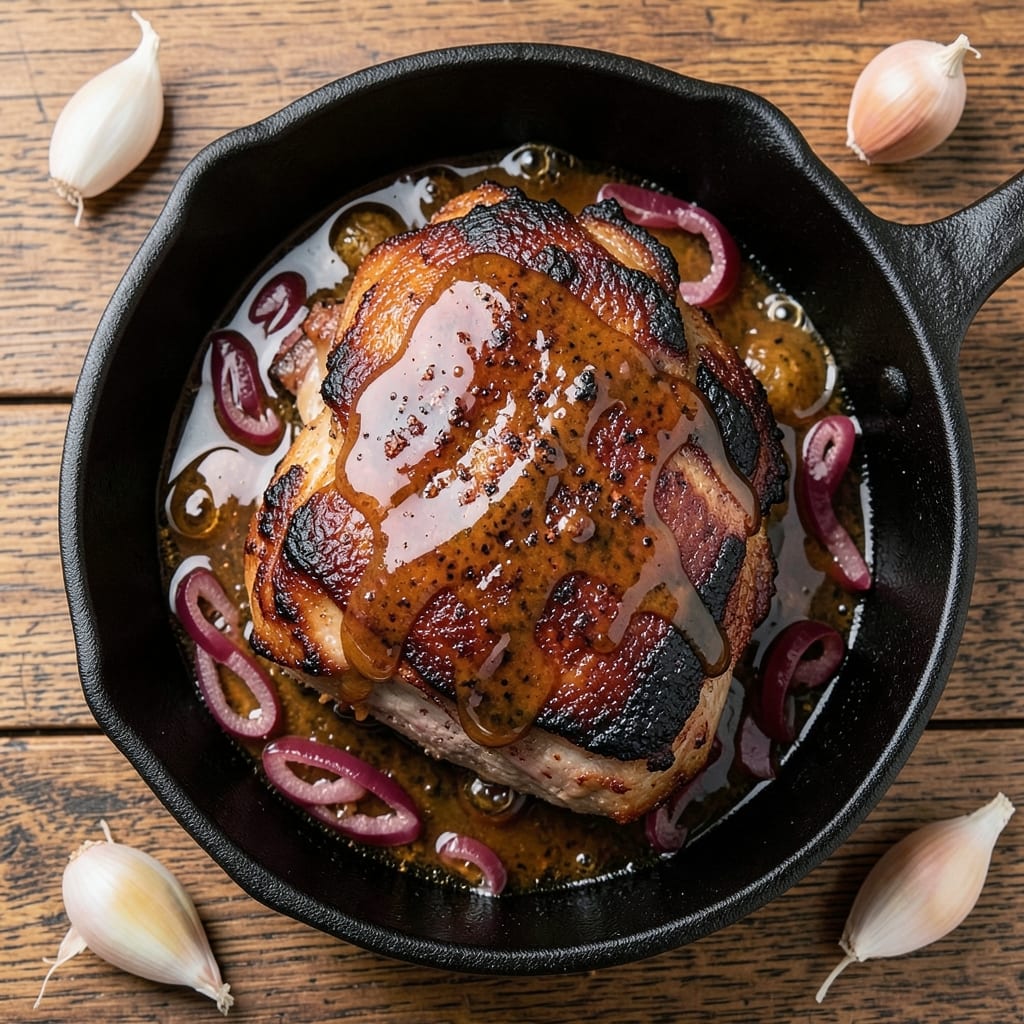
This BBQ pork shoulder injection recipe transforms tough cuts into melt-in-your-mouth perfection using a technique I perfected after years of pitmaster trials. The secret? A flavor-packed injection marinade that penetrates deep, creating juicy meat with a bark so crisp it shatters at every bite. I still remember the first time I tasted pork this tender—it changed how I approach slow-cooked meats forever.
The injection method is where the magic happens: we'll create a balanced marinade of brown sugar, apple cider vinegar, and aromatic spices, then inject it directly into the meat. This ensures every bite stays moist while developing that coveted dark bark that smokers and grillers chase. The key is patience—let it cook low and slow until it reaches 203°F internal, where the collagen breaks down into rich, buttery shreds.
What you'll end up with is pork so tender it falls apart at the touch, with layers of smoky flavor and just enough sweetness to balance the savory depth. The bark forms a perfect crust that holds up to serving, while the meat inside remains juicy and rich. This is the kind of pork that makes people ask for seconds—then thirds—and leaves them dreaming about their next cook.
Serve it piled high on buns with tangy coleslaw and buttery cornbread for the full experience. The injection technique works equally well for brisket, ribs, or even chicken thighs, making it a game-changer for any pitmaster's toolkit. Let's get started on creating your most tender pork yet.
Ingredients for bbq pork shoulder injection
Six ingredients transform tough pork into melt-in-your-mouth perfection with crisp bark and juicy magic.
| Ingredient | Amount | Notes |
|---|---|---|
| Pork Shoulder (Boston Butt) 🐖 | 4 lb | Bone-in, skin-on preferred |
| Brown Sugar 🍯 | ½ cup | Light or dark, packed |
| Apple Cider Vinegar 🍎 | ¼ cup | Unfiltered preferred |
| Worcestershire Sauce 🍶 | 2 tbsp | A1 Steak Sauce for extra depth |
| Garlic Cloves 🧄 | 6 cloves | Fresh, minced for marinade |
| Onion Powder 🧅 | 1 tbsp | Freshly ground preferred |
| Smoked Paprika 🌶️ | 1 tbsp | For authentic BBQ flavor |
| Ground Black Pepper 🌶️ | 1 tsp | Freshly cracked |
| Kosher Salt 🧂 | 1 tsp | Diamond Crystal preferred |
| Olive Oil 🫒 | ¼ cup | For injection needle lubrication |
| Yellow Mustard 🥬 | 1 tbsp | Dijon works too |
| Butter 🧈 | 2 tbsp | Unsalted, softened for bark |
The pork shoulder is your canvas—bone-in, skin-on delivers maximum flavor and moisture. Costco or local butchers usually have the best cuts, but grocery store pork works too if it's well-marbled. Look for a shoulder with good fat cap—this is what renders down for juicy results. I always trim excess fat later, but leave at least 1/4-inch for flavor. The injection technique requires a meat injection needle (available at Amazon or Williams Sonoma), but if you're in a pinch, a syringe with the tip cut off works too—just sterilize it first. The key is patience: let the pork sit at room temp for 1 hour before injecting for even penetration.
No apple cider vinegar? White vinegar or lemon juice works in a pinch, though the flavor won't be identical. Skip the Worcestershire? Extra soy sauce plus a dash of liquid smoke gets you close. The garlic and onion powder are non-negotiable for depth—no powdered garlic here! For the paprika, smoked is essential for that authentic BBQ flavor, but if you only have sweet, add a pinch of cayenne for heat. The butter at the end is crucial for that crisp bark—don't skip it. Pro tip: Mix your marinade in a small jar so it's easy to inject. And trust me, measure that brown sugar carefully—too much and you'll get a sticky mess, too little and the bark won't form properly.
This marinade keeps for 5 days in the fridge, but the pork? Use it within 2 days of injection for best results. The injection itself takes about 30 minutes for a 4-lb shoulder—work in a cool room to prevent the meat from warming too fast. After injecting, wrap tightly in butcher paper and refrigerate until ready to cook. The magic happens during the 6-hour smoke at 225°F, but the prep is what makes it special. Leftovers? Shred and freeze for up to 3 months—perfect for tacos or sandwiches later.
Why You'll Love This Recipe
- No-Fuss Injection Magic: I swear by this method—just stab the pork with a syringe, no basting, no fuss. The brown sugar and vinegar melt right into the meat while you’re making dinner, so it’s hands-off and foolproof.
- Sweet-Savory Bomb: That combo of apple cider vinegar and Worcestershire? It’s like a flavor grenade. The garlic cloves add a punch, but the brown sugar keeps it from being too sharp—just rich, sticky, and impossible to resist.
- Budget-Buster with Big Payoff: A whole pork shoulder costs less than takeout for four, and the injection makes it taste like you slaved over it. Honestly, it’s my go-to when I need to feed a crowd without breaking the bank.
Step-by-step instructions for juicy BBQ pork shoulder
Here's how to transform tough pork into melt-in-your-mouth perfection using the injection method.
Prepare the Flavor Injection
In a medium bowl, whisk together the 0.5 cup brown sugar, 0.25 cup apple cider vinegar, 2 tbsp Worcestershire sauce, 1 tbsp onion powder, 1 tbsp smoked paprika, 1 tsp ground black pepper, and 1 tsp kosher salt until the sugar dissolves completely. The mixture should be smooth and syrupy—this ensures even distribution when injected.
Next, add the 6 cloves minced garlic cloves and 1 tbsp yellow mustard. Stir well to combine. This injection blend creates a flavor bomb that penetrates deep into the meat, delivering moisture and seasoning throughout. The mustard helps emulsify the mixture, while the vinegar adds tangy depth that balances the sweetness.
Inject the Pork Shoulder
Place the 4 lb pork shoulder on a sturdy cutting board. Using a meat injection needle, insert it into the thickest part of the meat and slowly inject about 1 tablespoon of the prepared mixture. Work your way through the meat in a grid pattern, injecting every 1 to 1.5 inches apart. This ensures complete flavor penetration.
After injecting, place the pork in a gallon-sized zip-top bag and refrigerate for at least 4 hours (overnight is ideal). The cold helps the flavors meld while preventing bacterial growth. I like to press the bag flat to maximize surface contact with the meat.
Smoke the Pork Shoulder
Preheat your smoker to 225°F using hickory or apple wood chips. Place the injected pork shoulder fat-side up on the smoker grate. Smoke for 4 hours, then add 2 tbsp softened butter to the surface for bark development. Continue smoking until the internal temperature reaches 195-203°F (about 5-6 hours total).
Here's the key: the butter creates a flavorful crust while the injection ensures moisture. Don't rush this step—low and slow is what makes the meat tender. The pork is done when it's fork-tender and the bark is dark mahogany brown.
Rest and Shred
Transfer the pork to a cutting board and tent loosely with foil. Let it rest for 30-60 minutes before shredding. This resting period allows the juices to redistribute, preventing dryness when you slice. The pork should pull apart easily with two forks—no need for brute force.
For serving, shred the pork and mix it with any accumulated juices from the pan. The result is incredibly tender, juicy meat with deep, complex flavors from the injection. Serve with your favorite BBQ sauce or as-is—it's that good.
Pro Tips For Making Bbq Pork Shoulder Injection
- USE A MEAT NEEDLE: Inject the marinade deep—aim for the thickest part of the meat, not just the surface. I learned this the hard way by watching my first batch turn into soggy pork instead of tender, flavor-packed perfection.
- MINCE THAT GARLIC: No, "chopped" isn’t good enough—grate or finely mince the garlic cloves so they dissolve into the injection mix. After burning three batches with visible garlic chunks, I finally got it right.
- DON’T OVER-INJECT: Two passes max—any more and you’ll turn the meat into a mushy mess. The injection should penetrate but not flood; think of it like giving the pork a drink, not drowning it.
- WARM THE MARINADE: Cold injection = shock to the meat. Microwave the mixture for 20 seconds or warm it on the stove first—it distributes better and keeps the pork from tightening up like a fist. Yes, even if you’re impatient like me.
Pro cooking tips for great bbq pork shoulder injection
Injection Technique
I’ve found that a meat injection needle (or sterilized syringe) is your best friend for this recipe. The key is to inject the marinade in a grid pattern, about 1 to 1.5 inches apart, to ensure even flavor distribution. Start at the thickest part of the pork shoulder and work your way outward. I like to use a 10ml syringe for precision—it’s easier to control the flow and avoid overfilling. The marinade should be room temperature before injecting to prevent the meat from warming too quickly. 💡
Temperature Control
Maintaining a steady 225°F in your smoker is non-negotiable for tender pork. I use a dual-probe thermometer (like the ThermoWorks Smoke) to monitor both the smoker’s temperature and the pork’s internal temp. The moment it hits 195°F, add the 2 tbsp softened butter to the surface—this creates that crisp, flavorful bark while keeping the meat juicy inside. Don’t rush it; patience here makes all the difference. ⏰
Butter Bark Hack
This is where the magic happens. After 4 hours of smoking, spread the butter evenly over the pork’s surface. The butter melts into the bark, adding richness and helping it crisp up beautifully. I like to use unsalted butter so I can control the seasoning, but if you’re using salted, reduce the salt in the marinade slightly. The butter also helps prevent the bark from becoming too dry or brittle. Trust me, this step is worth the extra effort. 🧈
Resting Like a Pro
Skipping the rest is the fastest way to dry, stringy pork. After pulling the shoulder from the smoker, tent it loosely with foil and let it rest for at least 30 minutes—I often rest mine for up to 2 hours if I’m prepping ahead. This allows the juices to redistribute, ensuring every bite is moist and flavorful. Pro tip: Place the pork on a wire rack over a tray to catch any drippings, which you can then use for extra sauce. 💪
Smoke Wood Choices
Hickory and apple wood are my go-tos for pork shoulder, but don’t be afraid to experiment. Cherry wood adds a subtle sweetness, while pecan wood brings a nutty depth. If you’re using a charcoal smoker, soak your wood chips in water for 30 minutes before adding them to the coals for a cleaner, longer-lasting smoke. And remember, less is more—a handful of chips is all you need to maintain that 225°F temp. 🌳
Leftovers Strategy
Shredded pork shoulder freezes beautifully for up to 3 months in airtight containers. I like to portion it into quart-sized bags and flatten them before freezing to save space. To reheat, thaw overnight in the fridge, then warm in a 350°F oven for 15-20 minutes with a splash of broth or apple cider vinegar to keep it moist. Perfect for tacos, sandwiches, or even loaded baked potatoes later in the week! ❄️
Nutrition facts
Frequently asked questions
Can I use this injection method for other cuts of meat?
This technique works beautifully for brisket, ribs, and even chicken thighs. The key is choosing cuts with good fat content—like pork ribs or beef brisket—that benefit from the moisture infusion. For chicken, reduce the cooking time to 2-3 hours at 275°F to avoid drying out.
What if I don't have a meat injection needle? No problem! A sterilized 10ml syringe with the tip cut off works perfectly. Just
How do I know when the pork shoulder is done?
Use a meat thermometer to check the internal temperature—it's done when it reaches 195-203°F. The probe should slide in easily, and the meat should be fork-tender. If you're unsure, look for a dark mahogany bark and check that the fat is melting away from the meat.
Can I make the injection marinade ahead of time?
Yes! Store the marinade in an airtight container in the fridge for up to 5 days. Just let it come to room temperature before injecting. The flavors actually improve with time, making it perfect for meal prep. Keep the pork refrigerated until ready to cook.
Why did my pork shoulder turn out dry?
Dry pork usually happens from overcooking or skipping the rest.