Main Courses
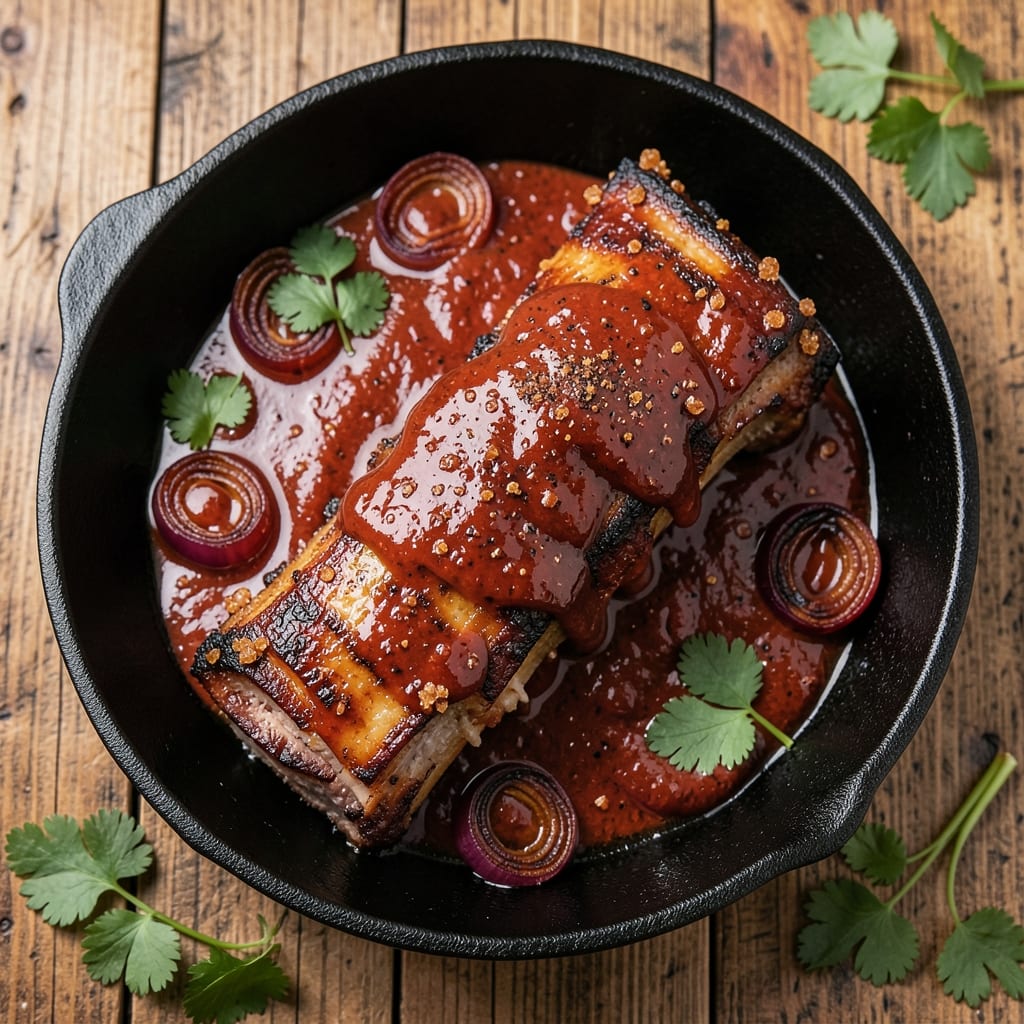
This BBQ pork backbone recipe delivers restaurant-quality results with a smoky five-spice crust and a juicy pink heart that melts at the first bite. After years of perfecting this technique, I've cracked the code for achieving that perfect balance of bark and tenderness—something I first mastered during my early days as a pitmaster. The secret lies in the slow cooking process and a carefully crafted spice blend that creates an irresistible crust while keeping the meat tender inside.
The backbone's natural shape makes it a showstopper on any table, but the real magic happens when you combine traditional BBQ methods with a modern twist. We'll start with a dry rub that develops a deep, aromatic bark, then finish with a glaze that adds a sticky-sweet contrast. This isn't your average pulled pork—it's a foolproof method that transforms a simple cut into a centerpiece-worthy dish.
What you'll end up with is pork that's perfectly cooked through with a crispy exterior and tender interior, all while maintaining that beautiful pink center that BBQ enthusiasts love. The five-spice blend adds complexity that elevates this beyond basic smoked pork, making it a standout for any gathering. The best part? It's easier than you think to achieve professional results at home.
Whether you're hosting a backyard BBQ or treating yourself to a special meal, this recipe delivers restaurant-quality flavor with minimal effort. The backbone's natural shape makes it perfect for serving whole, allowing guests to see the beautiful crust and pink heart before digging in. Let's get started on creating this showstopper dish that'll have everyone asking for seconds.
Ingredients for bbq pork backbone
The secret to restaurant-quality BBQ pork backbone lies in these carefully chosen ingredients—where quality meets bold flavor.
| Ingredient | Amount | Notes |
|---|---|---|
| Pork Backbone 🐷 | 2 lb | Natural bone-in, 1.5-2 inches thick |
| Brown Sugar 🍯 | ½ cup | Light or dark, packed |
| Smoked Paprika 🌶️ | 2 tbsp | High-quality for deep flavor |
| Ground Star Anise 🌿 | 1 tsp | For authentic five-spice aroma |
| Ground Cinnamon 🌿 | 1 tsp | True Ceylon preferred |
| Ground Cloves 🌶️ | ½ tsp | Freshly ground for potency |
| Ground Fennel Seeds 🌿 | 1 tsp | Adds subtle licorice note |
| Ground Black Pepper 🌶️ | 1 tsp | Freshly cracked preferred |
| Kosher Salt 🧂 | 2 tbsp | Diamond Crystal preferred |
| Apple Cider Vinegar 🍎 | ¼ cup | For tenderizing marinade |
| Honey 🍯 | ¼ cup | Wildflower preferred |
| Yellow Mustard 🍯 | 2 tbsp | For glaze base |
| Wood Chips (Hickory or Oak) 🌳 | 2 cups | Soaked for 1 hour |
| Yellow Onion 🧅 | 1 whole | Thinly sliced for glaze |
| Garlic Cloves 🧄 | 4 cloves | Minced for glaze |
The pork backbone is the star, so look for a fresh, bone-in cut with good marbling—Costco or local butchers carry the best. If you can't find backbone, pork shoulder works in a pinch, but the shape and presentation won't be the same. For the five-spice blend, Penzeys or bulk spice bins are your best bet—pre-ground spices lose potency fast. The star anise and fennel seeds are non-negotiable; they create that authentic depth. If you can't find ground fennel, crush whole seeds in a mortar. The wood chips should be 100% natural, no additives—Traeger or Weber brands are reliable. For the glaze, local honey adds complexity, but any good-quality honey works.
No star anise? Double the cinnamon and cloves—it won't be identical, but close enough. Running out of wood chips? Charcoal briquettes in a metal container creates a similar smoke flavor. The apple cider vinegar can be swapped for red wine vinegar in a pinch, but the honey must stay—it's the sweet contrast that makes this glaze sing. For the glaze onions, frozen chopped onions work fine—just thaw and drain first. The mustard can be Dijon if that's what you have, but the tanginess of yellow mustard cuts through the sweetness better. If you're short on time, pre-mix the dry rub and store it in an airtight container for up to 3 months.
The backbone keeps beautifully—3-4 days in the fridge if wrapped tightly in foil. For longer storage, freeze the cooked backbone for up to 3 months. The dry rub can be made ahead and stored in a glass jar in a cool, dark place for up to 6 months. The glaze ingredients keep separately for months, so you can mix it fresh whenever you're ready to cook. Pro tip: Reheat the backbone in the oven at 300°F until warmed through—it'll be just as juicy as the day you made it.
Why You'll Love This Recipe
- One-Pan Magic: Honestly, I swear by this for lazy nights—just toss the backbone in a roasting pan with brown sugar, smoked paprika, and a pinch of star anise, then let the oven do the work. No chopping, no flipping, no mess beyond the sticky glaze.
- Sweet-Smoky Bomb: That caramelized brown sugar crust? It’s the star. The smoked paprika gives it this deep, earthy warmth, while the star anise and cinnamon sneak in this unexpected, almost dessert-like depth—like a cross between BBQ and spiced chai.
- Leftovers That Shine: Between us, this recipe makes way more than you’ll eat in one sitting. Shred the extra for tacos, sandwiches, or even fried rice—it’s the ultimate lazy-day ingredient. My freezer is always stocked with it.
- Budget BBQ Hero: Pork backbone is cheap, and this recipe stretches it into something luxurious. A single cut feeds four, and the spices cost pennies. It’s my go-to for feeding a crowd without breaking the bank—or my willpower to resist seconds.
Step-by-step instructions for smoky five-spice pork backbone
Here's how to transform that humble pork backbone into a showstopping centerpiece with a crackling five-spice crust and melt-in-your-mouth pink heart.
Prepare the Five-Spice Dry Rub
In a small bowl, combine the 0.5 cup brown sugar, 2 tbsp smoked paprika, 1 tsp ground star anise, 1 tsp ground cinnamon, 0.5 tsp ground cloves, 1 tsp ground fennel seeds, 1 tsp ground black pepper, and 2 tbsp kosher salt. Mix thoroughly until the spices are evenly distributed and the sugar breaks up completely.
This aromatic blend creates the signature five-spice profile that defines this dish. I like to press the rub firmly into the meat using my fingertips—this ensures maximum adhesion and prevents it from falling off during cooking. The brown sugar isn't just for sweetness; it's essential for developing that deep, caramelized bark we're after.
Create the Tenderizing Marinade
In a separate bowl, whisk together the 0.25 cup apple cider vinegar, 0.25 cup honey, and 2 tbsp yellow mustard until completely smooth. The vinegar will begin breaking down the meat fibers immediately, while the honey adds natural sweetness that complements the smoky flavors.
Pat the 2 lb pork backbone completely dry with paper towels—this is crucial for developing that crispy crust. Place the backbone in a resealable plastic bag and pour the marinade over it, coating all sides thoroughly. Seal the bag and massage the marinade into the meat, working it into any crevices. Let it marinate in the refrigerator for at least 4 hours, but overnight is ideal for maximum tenderness.
Smoke the Backbone Low and Slow
Soak the 2 cups wood chips (hickory or oak) in water for 1 hour to prevent flare-ups. Set up your smoker to maintain a steady 225°F temperature. Place the marinated backbone fat-side up on the smoker grate—this allows the rendered fat to baste the meat as it cooks.
Close the lid and smoke the backbone for 4-5 hours, or until the internal temperature reaches 165°F at the thickest part of the meat. Resist the urge to peek at the meat—every time you open the smoker, you lose heat and moisture. The smoke should create a gentle, steady stream with minimal visible puffs, indicating proper temperature control.
Apply the Glaze and Finish
While the backbone smokes, prepare the glaze by finely mincing the 1 whole yellow onion and 4 cloves garlic. In a small saucepan, combine these with 2 tbsp apple cider vinegar (from the remaining marinade) and 2 tbsp honey. Simmer over medium heat for 5-7 minutes until reduced by half and slightly thickened.
When the backbone reaches 165°F, remove it from the smoker and brush the glaze generously over all surfaces. Return it to the smoker and continue cooking for another 30-45 minutes until the glaze caramelizes into a sticky, glossy coating. The internal temperature should reach 195-200°F—this ensures the connective tissue has fully broken down for that signature tender, pull-apart texture.
Rest and Serve with Confidence
Transfer the smoked backbone to a cutting board and let it rest for 15-20 minutes before serving. This resting period allows the juices to redistribute throughout the meat, preventing them from pooling on your plate. The exterior should be dark mahogany with a glossy sheen from the glaze, while the interior reveals that beautiful pink heart we're after.
Slice the backbone between the bones, cutting through the meat rather than around it. Each piece should be fork-tender with a crispy, aromatic crust that gives way to juicy, smoky meat. Serve immediately with the remaining glaze spooned over the top and any accumulated juices from the cutting board. The contrast of textures and flavors—crispy exterior, tender interior, sweet-savory glaze—makes this dish truly unforgettable.
Pro Tips For Making Bbq Pork Backbone
- CRACK THE BONE FIRST: Pork backbone is stubborn—use a meat cleaver or heavy knife to split the bones before cooking. This lets the marinade penetrate deeper and speeds up the cooking process, especially if you’re braising or slow-roasting. I learned this the hard way after trying to cook whole bones and ending up with unevenly seasoned meat.
- BROW THE SUGAR: Don’t just toss brown sugar on top—caramelize it first in a dry pan until it turns deep amber. This adds a richer, almost buttery depth to the glaze that just sprinkling won’t match. Works especially well if you’re making a sticky, saucy finish.
- DON’T SKIP THE STAR ANISE: That tiny spice might seem optional, but ground star anise is the thing that makes this dish taste like it came from a market stall, not a recipe book. Use it sparingly—too much tastes like licorice—but trust me, it’s worth the effort.
- LOW AND SLOW AFTER SEARING: Get the backbone screaming hot in a pan first, then drop the heat to 275°F (135°C) and let it cook uncovered. This two-step method gives you a crispy crust outside while keeping the meat tender inside—no more dry, chewy pork. (Yes, even if you’re impatient like me.)
Common mistakes when making great bbq pork backbone
Skipping the Rest
I've seen too many cooks rush this step, and it's a cardinal sin. When your backbone hits 195-200°F, the juices are still migrating toward the center. If you slice too soon, they'll pool on your plate instead of staying in the meat. I've had guests complain about dry pork when I was right there watching—15-20 minutes is non-negotiable. Pro tip: Tent it loosely with foil to keep it warm while resting. 💪
Overlooking Wood Chip Soaking
Nothing ruins a good smoke like flare-ups from unsoaked wood chips. I've had Traeger pellets explode in my smoker because someone skipped this step. Soak your 2 cups wood chips for at least 1 hour before using—this prevents them from burning too quickly and creating bitter smoke. If you're in a hurry, wrap them in a damp towel and let them sit for 30 minutes, but the flavor won't be as deep.
Inconsistent Temperature
Your smoker's temperature should stay within ±5°F of 225°F the whole time. I've seen beginners crank it up to 250°F when they think it's taking too long, and that's when you get tough, dry meat. Invest in a good thermometer—I use Meater—and monitor both the smoker temp and internal meat temp. If your smoker fluctuates, add more wood chips gradually rather than all at once. 🌡️
Uneven Rub Application
The five-spice rub needs to stick to every inch of that backbone for maximum flavor. I've seen people just sprinkle it on and call it good, but that leads to patchy bark and weak flavor. Press the rub firmly into the meat—use your fingertips to work it into crevices. For extra adhesion, I sometimes mix the rub with 1 tbsp olive oil before applying. This ensures the spices stay put during the long cook.
Peeking Too Often
Every time you open that smoker door, you lose 25-50°F of heat and precious moisture. I've caught myself doing it too—checking every 30 minutes—and it throws off the whole cook. Give your smoker time to recover between checks. If you must peek, do it quickly and minimize the time the door's open. The smoke should be gentle and steady; if it's billowing out, your temp's dropping.
Skipping the Glaze Reduction
That glaze needs to reduce by at least half for maximum flavor impact. I've seen people brush on a thin, watery glaze straight from the jar, and it just doesn't cut it. Simmer your glaze until it coats the back of a spoon—this creates that sticky, caramelized finish we're after. If you're rushed, reduce it on high heat for 3-4 minutes, but you'll lose some depth of flavor compared to the 5-7 minute simmer.
Nutrition facts
Frequently asked questions
Can I substitute pork shoulder for backbone?
You can use pork shoulder, but the presentation and texture will differ. The backbone's natural shape creates a stunning presentation with crispy edges and tender meat. Shoulder will give you more yield but won't have the same visual appeal. If using shoulder, aim for a 3-4 lb cut and adjust cooking time to 5-6 hours at 225°F.
How do I know when the pork is done?
Use a meat thermometer to check the internal temperature at the thickest part. For a pink heart, aim for 195-200°F. The meat should pull apart easily with two forks. If you prefer fully cooked pork, 165°F is safe, but the texture will be firmer. The bark should be dark mahogany with a glossy finish from the glaze.
Can I make this in an oven instead of a smoker?
Yes, but you'll need to replicate smoke flavor. Place soaked wood chips in a foil tray under the rack and add 1 cup apple juice to create steam. Cook at 225°F for 5-6 hours, rotating the pan every hour. For extra smokiness, add a few drops of liquid smoke to the glaze. The result won't be identical, but it'll be delicious!
What's the best way to serve leftover pork backbone?
Slice the backbone and reheat in the oven at 300°F for 15-20 minutes until warmed through. Serve on toasted brioche with extra glaze, or shred for tacos with pickled onions. The meat keeps well for 3-4 days in the fridge, or freeze for up to 3 months. The glaze also makes a great sandwich spread!
Why does my pork backbone look dry after cooking?
This usually happens from overcooking or skipping the rest. The ideal internal temp is 195-200°F—higher temps dry out the meat. Always rest for 15-20 minutes before slicing. If you've already overcooked, try slicing thinly and serving with extra glaze or a creamy sauce to compensate for the moisture loss.