
Main Courses
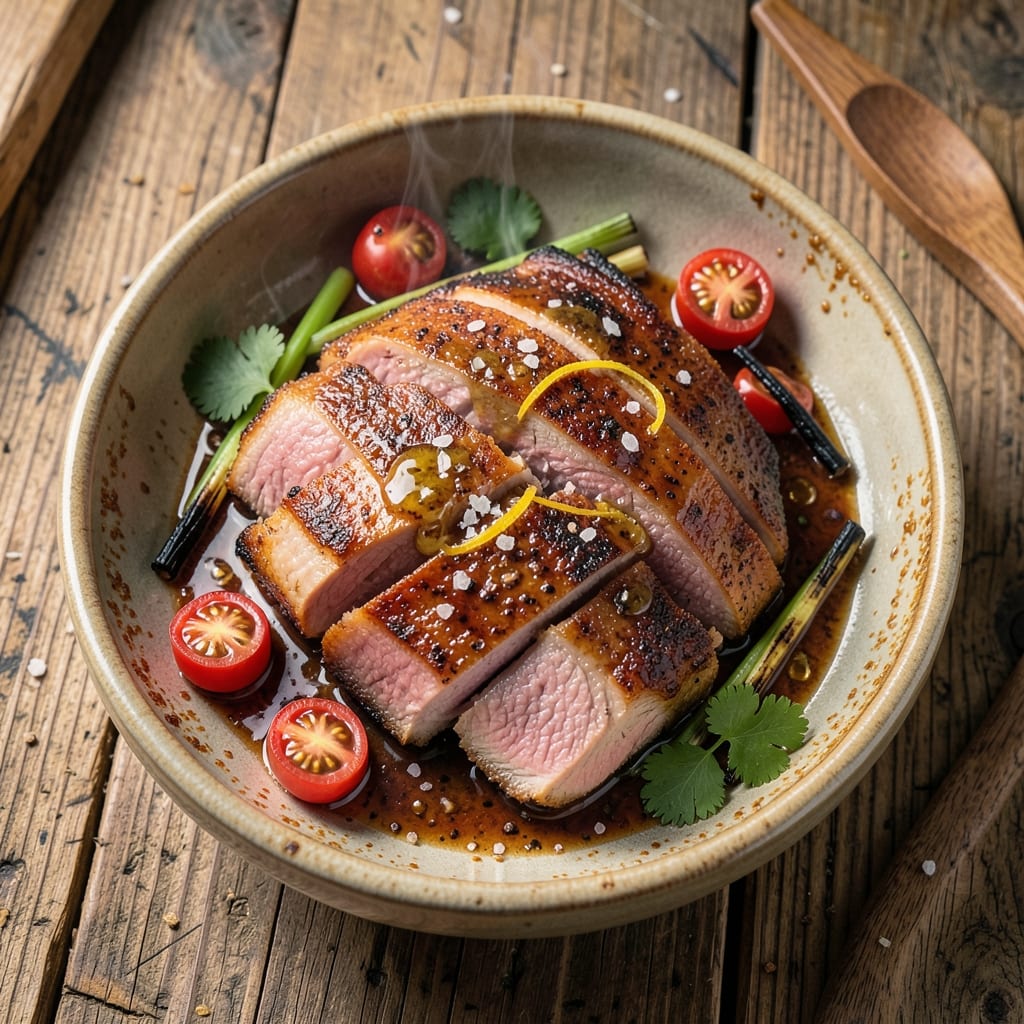
This BBQ jerk pork recipe delivers restaurant-quality char and Caribbean heat without the risk of scorched skin. I've spent years perfecting the balance between smoky BBQ and fiery jerk spices, and this method ensures tender meat with a perfect bark every time. The secret lies in a two-stage marinade and precise heat control—no guesswork, just foolproof results.
What makes this recipe special is the harmony of flavors: sweet allspice, smoky paprika, and tangy jerk marinade come together with the deep char of BBQ. We'll use a combination of dry rub and wet marinade to penetrate the meat deeply while creating that coveted crust. The key technique involves indirect heat for the majority of cooking, with just enough direct exposure to develop flavorful char without burning.
By the time you're done, you'll have perfectly tender pork shoulder with a dark, flavorful bark that's crispy on the outside and juicy within. The marinade infuses every bite with a complex blend of sweet, spicy, and smoky notes that will have everyone asking for seconds. This dish pairs beautifully with grilled pineapple, coconut rice, or even a simple coleslaw to cut through the richness.
The best part? This recipe scales effortlessly, whether you're feeding a crowd or meal prepping for the week. Let's get started on creating a dish that's bold enough to impress yet simple enough for any cook to master.
Ingredients for bbq jerk pork
Restaurant-quality jerk pork starts with these carefully balanced ingredients for perfect char and bold Caribbean heat.
| Ingredient | Amount | Notes |
|---|---|---|
| Pork Shoulder 🐷 | 3 lb | Bone-in, cut into 2-inch chunks |
| Brown Sugar 🍯 | ½ cup | Packed, for marinade sweetness |
| Apple Cider Vinegar 🍎 | ¼ cup | For tangy depth |
| Soy Sauce 🥢 | ¼ cup | Low-sodium preferred |
| Allspice Ground 🌶️ | 2 tbsp | Key for Caribbean warmth |
| Smoked Paprika 🌶️ | 2 tbsp | For smoky BBQ character |
| Scotch Bonnet Peppers 🌶️ | 2 whole | Seeds removed, minced |
| Garlic Cloves 🧄 | 6 cloves | Peeled, minced |
| Fresh Ginger 🌿 | ½ cup | Finely grated |
| Thyme Dried 🌿 | 1 tbsp | Or 1 tbsp fresh thyme |
| Cayenne Pepper 🔥 | 1 tsp | Adjust for heat preference |
| Black Pepper 🌶️ | 1 tsp | Freshly ground |
| Kosher Salt 🧂 | 1 ½ tbsp | For seasoning and marinade |
| Olive Oil 🫒 | ¼ cup | For dry rub adhesion |
| Yellow Onion 🧅 | 1 whole | Diced, for marinade |
The pork shoulder is non-negotiable—bone-in stays juicier during long cooking. Costco or Trader Joe's sell great cuts, but any butcher will trim it for you. Look for good marbling and avoid pre-cut pieces with exposed surfaces. For the jerk marinade, Scotch bonnet peppers are essential for authentic heat, but habanero or red pepper flakes work in a pinch. Fresh ginger and garlic should smell vibrant—no musty aromas. The allspice is the soul of jerk; Penzeys or bulk bins carry the best quality. If using dried thyme, crush the leaves slightly to release flavor.
No Scotch bonnet? Habanero with seeds removed or 2 tbsp red pepper flakes add heat without overpowering. For the vinegar, apple cider is ideal, but white vinegar or lime juice work too. The brown sugar can be swapped for maple syrup for a deeper flavor. If you're short on time, pre-minced garlic and ginger from the freezer section save prep work. The dry rub needs olive oil to cling—skip the spray bottles. For storage, keep the marinade in an airtight container for up to 5 days, or freeze portions for 3 months.
This dish reheats beautifully—slow cooker or oven at 300°F for 1-2 hours keeps it moist. The pork shoulder keeps 4-5 days in the fridge, but the flavors deepen overnight. Portion into containers for easy lunches; the bark stays crispy when reheated gently. For leftovers, freeze individual servings wrapped in foil for up to 3 months. The marinade itself can be made 3 days ahead, so prep early if hosting. Always bring meat to room temperature before cooking for even char.
Why You'll Love This Recipe
- One-Bowl Magic: Honestly, the marinade comes together in a single bowl while you’re still debating what to eat for dinner. Just toss the pork shoulder with brown sugar, apple cider vinegar, soy sauce, and allspice—no measuring cups, no stress.
- Sweet-Spicy Bliss: That caramelized brown sugar and tangy vinegar combo? It’s ridiculously good—smoky, slightly sweet, with a kick from the allspice that lingers just right. (Yes, even on a Tuesday night.)
- Meal Prep MVP: Between us, this is my go-to for leftovers. Shred it once, and you’ve got tacos, sandwiches, or a hearty bowl for days. The flavors actually get better after reheating—no sad, dry meat here.
- Budget-Friendly Feast: Pork shoulder stretches forever, and the ingredients? Basic pantry staples. You’re feeding a crowd for less than takeout, and honestly, it’s the kind of dish that makes people ask, “What’s in this?”
Step-by-step instructions for jerk pork with perfect char and flavor
Mastering jerk pork means balancing heat, sweetness, and smoky depth—here's how to nail it every time.
Prepare the Jerk Marinade and Dry Rub
In a medium bowl, combine the 0.5 cup brown sugar, 0.25 cup apple cider vinegar, 0.25 cup soy sauce, 2 tbsp allspice, 2 tbsp smoked paprika, 1 tsp cayenne pepper, 1 tsp black pepper, and 1 tbsp dried thyme. Mix until the brown sugar dissolves completely—this creates the marinade base. In a separate small bowl, whisk together the 0.25 cup olive oil with 1.5 tbsp kosher salt to form the dry rub.
Finely mince the 2 whole Scotch bonnet peppers (remove seeds first), 6 cloves garlic, and 0.5 cup fresh ginger, then add them to the marinade. Dice the 1 whole yellow onion and reserve half for the marinade, keeping the rest for later. Stir everything together until fully combined. The marinade should be thick but pourable, with a deep red hue from the Scotch bonnet and paprika.
Coat the Pork Shoulder and Marinate Overnight
Cut the 3 lb pork shoulder into 2-inch chunks, removing any excess fat. Place the pork in a large resealable bag or shallow dish and pour the marinade over it, ensuring every piece is fully coated. Add the reserved diced onion to the bag for extra flavor infusion. Seal the bag and refrigerate for at least 12 hours—overnight is ideal. This long marinating time ensures deep penetration of flavors and tenderizes the meat.
Real talk: Don't skip this step. The acidity from the vinegar and the spices need time to work their magic. If you're short on time, marinate for at least 6 hours, but you'll sacrifice some depth of flavor. After marinating, pat the pork dry with paper towels—this helps the rub adhere better and promotes a better sear.
Apply the Dry Rub and Rest Before Cooking
Generously coat the marinated pork with the dry rub mixture, pressing it into the meat to ensure it sticks. Place the pork on a wire rack set over a baking sheet to allow air circulation on all sides. Cover loosely with plastic wrap and refrigerate for an additional 1 hour. This resting period allows the rub to develop a crust and the meat to come to room temperature, which is crucial for even cooking.
Here's the thing—if you skip the resting step, the pork will release too much moisture when it hits the heat, leading to steamed rather than charred results. The dry rub should now look like it's clinging to the meat in a thick, even layer. This is your signal that it's ready for the grill or smoker.
Cook Low and Slow for Tender Perfection
Preheat your grill or smoker to 250°F. Place the pork on the grill grates or in the smoker, ensuring there's space between pieces for even cooking. Cook for 3 to 4 hours, maintaining the temperature. You're aiming for low and slow—this breaks down the connective tissue for tender, pull-apart meat. Every 30 minutes, brush the pork with additional marinade to keep it moist and enhance the char.
Watch for the internal temperature to reach 195°F using a meat thermometer. This is the "probe-tender" stage where the pork will be fork-tender and ready to pull apart. If you don't have a thermometer, check for doneness by inserting a knife into the thickest piece—it should slide in easily, and the juices should run clear. The exterior should have a deep, dark char with a crispy texture.
Rest and Serve with Confidence
Once the pork reaches 195°F, transfer it to a cutting board and tent loosely with foil. Let it rest for 30 minutes before serving. This resting period is non-negotiable—it allows the juices to redistribute throughout the meat, ensuring each bite is moist and flavorful. If you skip this, you'll end up with dry, stringy pork.
After resting, shred the pork using two forks or a meat claw, discarding any large fat chunks. Serve immediately with your favorite sides—think grilled pineapple, coconut rice, or a fresh mango salsa to complement the bold jerk flavors. The pork should be tender enough to pull apart with ease, with a perfect balance of smoky, spicy, and slightly sweet notes.
Pro Tips For Making Bbq Jerk Pork
- Trim the Fat First: Cut off that thick layer of silver skin and external fat from the pork shoulder before rubbing in the jerk marinade. I learned this the hard way—thick fat burns into a bitter mess while the meat stays tough, and you’ll end up scraping off charred bits instead of crispy edges. ---
- Brown Sugar First: Whisk the brown sugar into the vinegar and soy sauce before adding the allspice—this keeps the spices suspended and prevents clumping. I used to add it dry, and half the allspice just sank to the bottom like a sad, flavorless sediment. ---
- Don’t Skip the Vinegar Rest: Let the pork sit in the jerk marinade for at least 2 hours (overnight if possible), especially if using a leaner cut. The apple cider vinegar needs time to tenderize the meat, not just flavor it—rushing this step means tough, stringy pork, no matter how good the rub. ---
- Low-and-Slow After the Crust: Sear the pork shoulder in a screaming-hot pan until the edges blacken, then transfer to a 275°F oven—this locks in moisture while the crust stays crisp. I used to bake it straight through, and the outside turned into a sad, chewy leather instead of a caramelized bark.
Perfect pairings for this recipe
Tropical Fruit Sides
Grilled pineapple slices are my go-to pairing—their natural sweetness balances the heat perfectly. I like to marinate thick pineapple rings in 2 tbsp lime juice, 1 tbsp brown sugar, and ½ tsp ground ginger for 30 minutes before grilling over medium-high heat for 2-3 minutes per side. The caramelized edges add a delightful contrast to the smoky pork. 🍍
Creamy Coconut Rice
Coconut rice transforms this dish into a full Caribbean feast. Cook 1 cup jasmine rice in 2 cups coconut milk with 1 tsp salt and ½ cup water, simmering for 15 minutes until tender. Stir in 1 tbsp lime zest and 2 tbsp chopped cilantro at the end. The creamy texture soaks up the jerk juices beautifully, while the lime brightens the plate.
Cool Coleslaw
A crisp apple-cabbage slaw cuts through the richness. Toss 4 cups shredded green cabbage and 2 cups shredded red cabbage with ½ cup mayonnaise, 2 tbsp apple cider vinegar, 1 tbsp Dijon mustard, 1 tbsp honey, and 1 tsp celery seeds. Add 1 grated apple and 2 tbsp chopped parsley for freshness. Chill for at least 1 hour before serving—it’s the perfect temperature contrast.
Spicy Mango Salsa
This vibrant salsa adds a refreshing kick. Dice 2 ripe mangoes, 1 red bell pepper, and ½ red onion, then mix with ¼ cup chopped cilantro, 2 tbsp lime juice, 1 tsp honey, and ½ tsp cayenne. Let it sit for 15 minutes to let flavors meld. The sweetness of the mango and the heat of the cayenne mirror the jerk pork’s profile beautifully. 🌶️
Warm Flatbreads
For a heartier bite, serve with warm naan or flatbread. Brush 4 naan breads with 2 tbsp melted ghee and grill them over medium heat for 1-2 minutes per side until golden. Top with 1 tbsp plain yogurt and a sprinkle of chaat masala for a tangy finish. The soft texture soaks up the jerk pork juices effortlessly.
Beverage Pairings
Cool down with a light lager like Peroni or Corona, their crispness balancing the dish’s heat. For something tropical, try a rum punch with 2 oz white rum, 1 oz lime juice, ½ oz grenadine, and soda water. The sweet-tart combo complements the smoky-spicy flavors perfectly. 🍹
Nutrition facts
Frequently asked questions
Can I use pork chops instead of pork shoulder?
Pork chops won't work for this recipe—they're too lean and cook too quickly for the low-and-slow method. Stick with pork shoulder (or pork butt) for the best results. If you're determined to use chops, try a quick sear with jerk seasoning over high heat for 3-4 minutes per side, but you'll miss the deep, tender texture this recipe delivers.
How do I adjust the heat level?
Scotch bonnet peppers pack serious heat! For milder flavor, reduce the cayenne to ½ tsp or swap in 1 tbsp sweet paprika instead. For extra kick, add 1 extra Scotch bonnet pepper (seeds in) or increase cayenne to 1.5 tsp. Always taste your marinade first—you can't remove heat once it's in the meat!
What's the best way to reheat leftovers?
Slow reheating is key! Place pork in a 300°F oven for 1-2 hours with a splash of marinade or water to keep it moist. For quick meals, use a microwave-safe dish on 50% power in 1-minute intervals, stirring between each. Never reheat above 165°F—this keeps the texture tender and prevents drying.
Can I make this in an oven instead of a grill/smoker?
Preheat your oven to 275°F and place the pork on a wire rack over a baking sheet. Cook for 4-5 hours, turning occasionally and basting with marinade. For extra smokiness, add 1-2 soaked wood chips (like hickory) to the oven rack. The indirect heat mimics smoking perfectly.
Why does my jerk pork turn out dry?
Most likely, you skipped the resting step or overcooked it. The 195°F internal temp is crucial—any higher and it dries out. Always let the pork rest 30 minutes before serving, and avoid cutting into it too soon. For extra moisture, add 2 tbsp apple juice to the marinade or wrap the pork in foil during the last 30 minutes of cooking.