
Main Courses
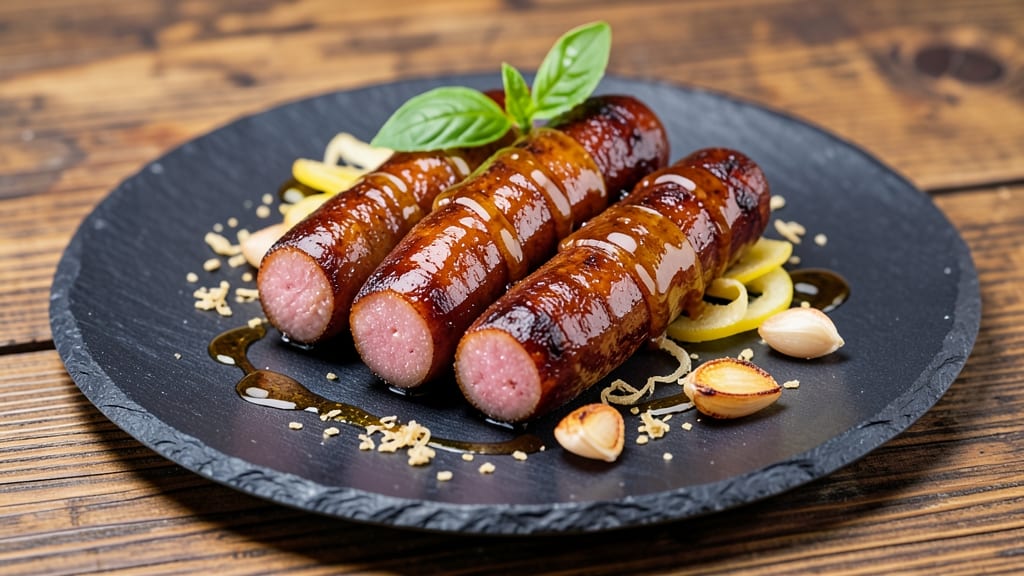
This Asian pork sausage recipe delivers bold, fragrant flavors that transform simple ingredients into a restaurant-worthy meal. 🔥 The magic lies in balancing sweet, spicy, and umami notes through a marinade of garlic, ginger, and soy that penetrates every bite.
As someone who's spent years perfecting pork techniques—from BBQ competitions to farm-to-table cooking—I can tell you this stir-fry method delivers crispy edges and tender centers every time.
The process is straightforward but packed with flavor development: marinate the sausage for at least 30 minutes (overnight for deeper flavor), then stir-fry until caramelized. We'll use traditional Asian aromatics—fresh ginger, garlic, and chili—alongside a touch of honey to balance the heat.
The result is a dish that's quick enough for weeknights but impressive enough for company, with that perfect harmony of textures and flavors.
What you'll end up with is golden-brown sausage pieces that stay juicy inside, coated in a glossy sauce with just the right amount of heat. The aroma alone will have everyone gathering around your table, and the first bite delivers that perfect combination of smoky, spicy, and sweet.
This recipe builds on classic Asian techniques while keeping the preparation simple—no advanced skills required, just attention to timing and heat control.
Serve over steamed jasmine rice to soak up every bit of that fragrant sauce, or pair with quick-pickled vegetables for brightness. The leftovers reheat beautifully too, making this an ideal meal for busy families or anyone craving authentic Asian flavors without the fuss.
Let's get cooking—your taste buds will thank you.
Ingredients for asian pork sausage
Simple ingredients that pack a flavor punch—garlic, ginger, and soy do the heavy lifting here.
| Ingredient | Amount | Notes |
|---|---|---|
| Asian Pork Sausage 🥓 | 1 ½ lb | Fresh or frozen, sliced into 1-inch pieces |
| Fresh Ginger 🌿 | 2 tbsp | Finely grated, aromatic variety preferred |
| Garlic Cloves 🧄 | 6 cloves | Minced, fresh for best flavor |
| Soy Sauce 🍶 | ½ cup | Light or dark, preferably Japanese |
| Honey 🍯 | 2 tbsp | Wildflower or clover preferred |
| Sesame Oil 🫒 | 1 tbsp | Toasted, for aroma |
| Red Chili Flakes 🌶️ | 1 tbsp | Adjust for heat preference |
| Neutral Oil 🫒 | 3 tbsp | Avocado or vegetable oil |
| Green Onions 🧅 | 4 whole | Thinly sliced, white and green parts |
| Jasmine Rice 🍚 | 1 ½ cups | Uncooked, for serving |
| Salt 🧂 | 1 tsp | Kosher or sea salt |
| Black Pepper 🌶️ | ½ tsp | Freshly ground |
| Rice Vinegar 🍶 | 1 tbsp | For finishing sauce |
| Sesame Seeds 🌾 | 1 tbsp | Toasted, for garnish |
The pork sausage is the star, so grab the freshest you can find. Trader Joe's or Costco carry great options—look for ones with visible fat marbling for juiciness. If using frozen, thaw overnight in the fridge. Ginger and garlic are non-negotiable for that authentic aroma; farmers markets often have fresher, more vibrant roots. For the soy sauce, Kikkoman or Lee Kum Kee are solid choices—avoid the low-sodium versions here. Toast your sesame oil in the pan for 30 seconds before adding the sausage to wake up those nutty flavors.
No fresh ginger? Powdered works at half the amount, but it lacks that bright zing. Substitute honey with maple syrup if needed, though the flavor will shift slightly. Running low on sesame oil? Toasted peanut oil gives a similar nutty depth. Want more heat? Add a dash of sriracha to the sauce at the end. The green onions can be swapped for regular onions if you're out, but the white parts add that essential sweetness. For a vegetarian version, use shitake mushrooms or tofu instead of pork—just marinate them in the same sauce for 20 minutes first.
Marinate the sausage for at least 30 minutes—overnight is ideal—so the flavors really sink in. The leftovers reheat beautifully in a skillet with a splash of water for 3-4 days. Store the cooked sausage in an airtight container with a paper towel to absorb any moisture. For extra crispy edges next time, freeze the sausage pieces first—they'll brown faster. This dish freezes well too; just reheat gently on low heat to keep the sauce glossy.
Why You'll Love This Recipe
- Five-Ingredient Magic: Honestly, I swear by this combo—just slice those sausages, mince the ginger and garlic, toss in soy and honey, and you’re done. No fancy techniques, no last-minute grocery runs.
- Sweet-Savory Balance: That honey cutting through the umami of the soy and the heat of fresh ginger? It’s like a flavor hug. My kids fight over the last bite, and I don’t even have to pretend it’s healthy.
- Weeknight to Party: Serve it cold in rice paper rolls for a quick lunch, or sear it crispy for a charcuterie board. Same ingredients, totally different vibes—no extra effort, just different outcomes.
- Leftovers That Don’t Suck: Double the batch, and you’ve got a free lunch for days. Toss the cooked sausages into fried rice, noodles, or even a sandwich. Zero waste, zero regret.
Step-by-step instructions for Asian pork sausage stir-fry
Here's how to create a perfectly balanced stir-fry with aromatic ginger, garlic, and sweet-spicy sauce.
🍳 Step 1: Cook the Jasmine Rice to Perfection
Rinse the 1.5 cups jasmine rice under cold water until the water runs clear—this removes excess starch and prevents gummy rice. Drain well and transfer to a pot with 2 cups water, 1 tsp salt, and ½ tsp black pepper. Bring to a boil over high heat, then reduce to low heat, cover, and simmer for 15 minutes. Turn off the heat and let it steam for another 10 minutes. The rice should be tender with no liquid remaining—this is your flavor base for the stir-fry.
While the rice cooks, slice the 4 whole green onions into ½-inch pieces, separating the white and green parts. Set aside—the whites will cook in the stir-fry while the greens will garnish at the end. I like to keep them separate so they stay vibrant and fresh.
🔥 Step 2: Stir-Fry the Pork Sausage Until Caramelized
Heat 2 tablespoons neutral oil in a large wok or skillet over medium-high heat until shimmering. Add the 1.5 lb Asian pork sausage, sliced into 1-inch pieces, and cook undisturbed for 3-4 minutes until the edges start to brown. Here's the thing—don't stir too soon. You want that beautiful caramelization on the outside while keeping the inside juicy.
Once the sausage is golden brown on all sides (about 5-6 minutes total), remove it from the wok and set aside. The residual fat will help build flavor in the sauce, so don't wipe out the pan. This step is where the deep, savory notes develop—don't skip it!
🍳 Step 3: Build the Aromatic Garlic-Ginger Base
In the same wok, add 1 tablespoon neutral oil and swirl to coat the bottom. Add the 2 tablespoons finely grated fresh ginger and 6 cloves minced garlic, stirring constantly over medium heat for 30 seconds until fragrant. You'll smell that fresh, zesty aroma—this is your signal to add the 1 tablespoon red chili flakes and stir for another 10 seconds. The chili will bloom slightly, adding a subtle heat that balances the sweetness later.
Pour in the ½ cup soy sauce and 2 tablespoons honey, scraping up any browned bits from the bottom. Let it simmer for 2 minutes until slightly thickened. This is the flavor bridge—where the salty, sweet, and spicy elements come together. If you taste it now, you'll notice the sauce is already complex and delicious.
🥘 Step 4: Combine and Finish the Stir-Fry
Return the caramelized pork sausage to the wok and toss everything together for 1-2 minutes until evenly coated. Add 1 tablespoon toasted sesame oil and 1 tablespoon rice vinegar, stirring quickly to combine. The vinegar brightens the flavors and cuts through the richness of the pork and honey. Taste and adjust seasoning—you might need a splash more soy sauce if it's too sweet.
Divide the cooked jasmine rice among serving plates, then spoon the stir-fry over the top. Garnish with the reserved green onion whites and sprinkle with 1 tablespoon toasted sesame seeds. The contrast of textures—crispy pork, tender rice, and fresh garnishes—makes this dish irresistible. Serve immediately while everything is hot and fragrant!
Pro Tips For Making Asian Pork Sausage
- Slice Thin, Sear Fast: Asian pork sausage is tough when overcooked—cut it into ½-inch thick slices and sear them 2 minutes per side in a screaming-hot pan. I learned this the hard way after serving rubbery strips to guests. High heat and quick cooking keep the texture juicy and tender.
- Mince Ginger Like You Mean It: Skip the microplane for this recipe—use a sharp knife and chop fresh ginger into a fine paste. The texture blends better with the sauce and adds real depth. (Yes, it takes 30 seconds longer, but your sauce won’t taste like it’s missing something.)
- Balance Soy and Honey Early: Taste the sauce before adding honey—soy sauce can overpower if you dump everything in at once. Start with 1 tablespoon soy per ½ cup liquid, then adjust honey to taste. My first batch was cloyingly sweet because I forgot this step.
- Deglaze with Garlic First: After searing the sausage, toss in minced garlic and let it sizzle for 10 seconds before adding liquid. This builds flavor faster than waiting. (Sounds weird, but it works—your garlic won’t just sit there like a forgotten garnish.)
Perfect pairings for this asian pork sausage
Classic Jasmine Rice
Jasmine rice is the perfect canvas for this dish—its delicate floral aroma complements the bold flavors without overpowering them. I always use 1.5 cups uncooked jasmine rice per serving, rinsed thoroughly to remove excess starch.
For extra fluffiness, add ½ tsp black pepper to the cooking water, which enhances the rice's natural fragrance while adding subtle depth. Serve it hot straight from the pot, and watch how the sausage sauce soaks into every grain. 🍚
Quick-Pickled Vegetables
To cut through the richness of the pork and honey, serve this stir-fry with quick-pickled vegetables like cucumbers or carrots. Thinly slice 1 English cucumber and 1 carrot, then toss with ¼ cup rice vinegar, 1 tbsp honey, and ½ tsp salt.
Let sit for 15 minutes before serving. The tangy crunch balances the dish beautifully and adds vibrant color to the plate.
Miso-Glazed Eggplant
For a heartier side, try miso-glazed eggplant. Slice 1 medium eggplant into ½-inch rounds, brush with 1 tbsp neutral oil, and roast at 400°F for 20 minutes. Toss with 1 tbsp white miso paste, 1 tsp honey, and 1 tsp sesame oil.
The umami-rich glaze pairs perfectly with the sweet-spicy sausage, adding another layer of texture and flavor.
Steamed Bok Choy
Light and fresh, steamed bok choy is a simple yet elegant pairing. Blanch 2 whole bok choy in boiling water for 2 minutes, then shock in ice water to preserve color.
Toss with 1 tsp toasted sesame oil and a pinch of salt. The crisp-tender greens contrast the caramelized sausage and soak up any leftover sauce on the plate.
Cucumber Salad
For a refreshing, no-cook option, make a cucumber salad with 2 cups thinly sliced cucumber, 2 tbsp rice vinegar, 1 tbsp soy sauce, and 1 tsp honey. Add 1 tbsp chopped green onions and ½ tsp red pepper flakes for a little kick.
This salad adds a cool, crisp contrast to the warm, spicy sausage and keeps the meal light and balanced.
Drink Pairings
For beverages, a light lager like Asahi Super Dry or a crisp green tea cuts through the richness beautifully. If you prefer something stronger, a dry Riesling from Germany adds acidity that complements the honey and soy.
Avoid heavy, oaky wines—they’ll overpower the delicate flavors. A cold iced jasmine tea** with lemon is also a refreshing choice. 🍶
Nutrition facts
Frequently asked questions
What's the best way to store leftover Asian pork sausage?
Store cooked sausage in an airtight container with a paper towel to absorb moisture. It keeps well in the fridge for 3-4 days or frozen for up to 3 months. Reheat gently in a skillet with a splash of water to maintain that glossy sauce.
Can I substitute regular pork sausage for Asian pork sausage?
Yes, but the flavor will differ. Regular pork sausage lacks the aromatic spices found in Asian versions. For best results, marinate it in the same soy-ginger-garlic mixture for at least 30 minutes to mimic the flavor profile. The texture will be similar but less complex.
How do I adjust the heat level in this recipe?
Reduce heat by cutting the red chili flakes in half or omit them entirely. For more spice, add ½ teaspoon sriracha to the sauce or serve with sliced jalapeños on the side. Taste as you go—adjustments are easy at any stage.
What's the secret to getting crispy edges on the sausage?
Cook the sausage undisturbed over medium-high heat for 3-4 minutes per side until golden brown. Don't overcrowd the pan—work in batches if needed. The residual fat in the pan helps create that perfect caramelization.
Can I make this recipe without sesame oil?
Use toasted peanut oil or avocado oil instead. Toast 1 teaspoon peanut oil in the pan for 30 seconds before adding the sausage to capture that nutty aroma. The flavor will be slightly different but still delicious.