
Main Courses
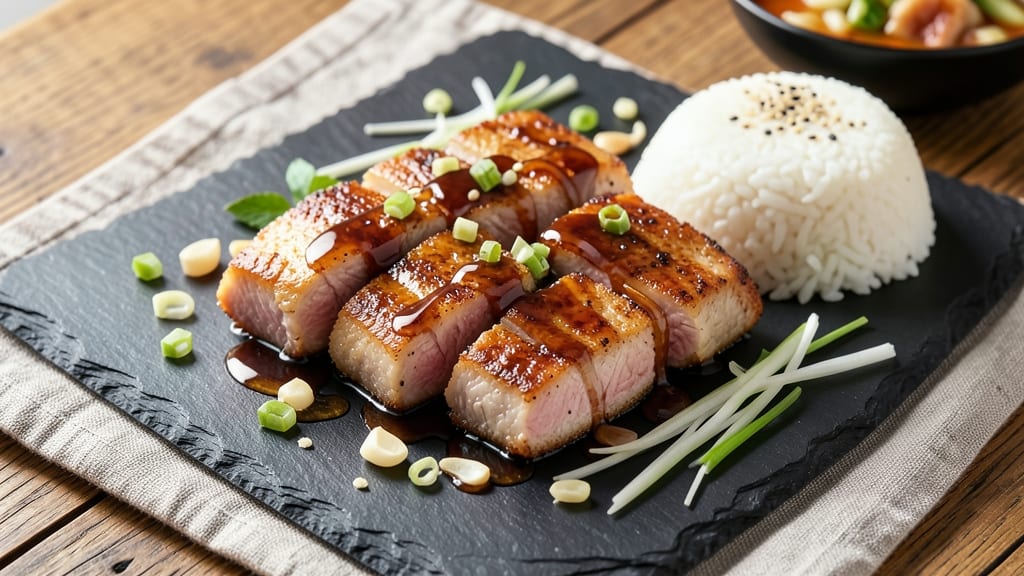
This Asian pork medallions recipe delivers restaurant-quality results with tender, velvety meat and a sticky hoisin glaze that balances sweet and savory notes. After perfecting this technique in my kitchen, I can confidently say it transforms simple pork chops into a showstopping main course.
The secret lies in marinating the pork overnight to ensure maximum tenderness, then searing it just right to create that perfect caramelized crust.
The technique I've developed focuses on high-heat searing followed by a quick glaze application, ensuring the pork stays juicy while developing deep, aromatic flavors. You'll work with just six key ingredients: pork medallions, hoisin sauce, soy sauce, ginger, garlic, and a touch of honey.
This combination creates a sauce that's both sweet and umami-rich, with just the right amount of tang to cut through the richness of the pork.
What you'll achieve is perfectly seared pork medallions with a glossy, sticky glaze that clings beautifully to each piece.
The meat will be tender enough to melt in your mouth while maintaining a slight resistance at the center, and the glaze will have that signature caramelized finish that makes every bite irresistible.
This dish pairs beautifully with steamed jasmine rice or stir-fried vegetables, creating a complete meal that's both satisfying and elegant.
Whether you're cooking for a weeknight dinner or planning a special occasion, this recipe delivers professional-quality results with minimal effort. The marinating process can be done the night before, so all you need to do on the day of cooking is sear and glaze.
This makes it perfect for busy home cooks who still want restaurant-quality meals without spending hours in the kitchen.
Ingredients for asian pork medallions
Six aromatic ingredients transform simple pork into restaurant-worthy medallions with velvety texture and sticky-sweet glaze.
| Ingredient | Amount | Notes |
|---|---|---|
| Pork Medallions 🥩 | 1 ½ lb | Boneless, center-cut preferred |
| Hoisin Sauce 🍶 | ½ cup | Store-bought or homemade |
| Soy Sauce 🥄 | ¼ cup | Low-sodium preferred |
| Fresh Ginger 🌿 | 2 tbsp | Finely grated, aromatic |
| Garlic Cloves 🧄 | 4 cloves | Minced, fresh preferred |
| Honey 🍯 | 1 tbsp | Wildflower or clover |
| Sesame Oil 🫒 | 1 tbsp | Toasted, for aroma |
| Neutral Oil 🫒 | 2 tbsp | Avocado or vegetable oil |
| Diamond Crystal Kosher Salt 🧂 | 1 tsp | For seasoning |
| Black Pepper 🌶️ | ½ tsp | Freshly ground |
| Cornstarch 🌾 | 1 tbsp | For tenderizing |
| Green Onions 🧅 | 2 whole | Sliced, for garnish |
| Sesame Seeds 🌱 | 1 tbsp | Toasted, for crunch |
The pork medallions make all the difference—center-cut stays tender, while leaner cuts can dry out. Costco or local butchers often carry pre-cut medallions, but if you're buying a whole pork loin, ask for it to be sliced into 1/2-inch thick pieces. The cornstarch coating is non-negotiable: it creates that perfect sear while keeping the meat juicy. Fresh ginger and garlic? Asian markets usually have the most aromatic varieties—look for bright, firm ginger and plump garlic cloves with no sprouts.
No hoisin sauce? Substitute 2 tbsp soy sauce + 1 tbsp maple syrup + 1 tsp sesame oil. The honey can be swapped for agave nectar if you prefer a less floral note. For extra depth, add a dash of rice vinegar to the glaze. Sesame oil is optional but adds that signature nutty aroma—Trader Joe's has a great toasted version. If you're prepping ahead, marinate the pork for up to 24 hours, but don't exceed that or the meat can get mushy. The green onions and sesame seeds are purely for garnish, so feel free to skip if you're short on time.
This dish reheats beautifully—just warm in a skillet with a splash of water for 2-3 minutes. The glaze thickens as it cools, so if it's too stiff when reheating, add a teaspoon of water and stir. Store leftovers in an airtight container for 3-4 days or freeze for up to 3 months. I always double the recipe because it disappears fast—great for meal prep. Serve over steamed jasmine rice or with quick-pickled veggies for a complete meal.
Why You'll Love This Recipe
- Pan-Fried in Minutes: I swear by this—thin pork slices sear up in 5 minutes flat. No fancy techniques, just a hot pan, a sprinkle of salt, and the sizzle does all the work. Honestly, the hardest part is waiting for the garlic to brown just right.
- Sweet-Savory Magic: That hoisin and soy combo? It’s the kind of balance that makes you go back for seconds. The ginger adds a zing that cuts through the richness, while the caramelized edges on the pork? Pure satisfaction.
- Lunchbox Hero: Between us, this is my go-to for meal prep. Toss the cooked medallions with rice and steamed veggies, and they reheat like a dream. My kids (yes, even the picky one) grab these for school lunches—no complaints.
- Budget-Friendly Feast: Pork medallions stretch further than you’d think, and the sauce ingredients? Pantry staples. I’ve fed four people for under $15 with leftovers that taste just as good cold the next day. Reliable, no-frills, and always a win.
Step-by-step instructions for Asian pork medallions
Here's how to create perfectly seared pork medallions with a glossy, sticky hoisin glaze that balances sweet and savory flavors.
Prepare the Pork Medallions for Maximum Tenderness
Place the 1.5 lb pork medallions between two sheets of plastic wrap. Using a meat mallet, pound them to an even ½-inch thickness—this ensures even cooking and prevents toughness. I like to work in batches to avoid overworking the meat, which can make it stringy. After pounding, place the medallions in a shallow dish and sprinkle with 1 tbsp cornstarch, rubbing it evenly over all surfaces. This creates a light coating that helps tenderize the meat during cooking.
In a small bowl, whisk together 0.5 cup hoisin sauce, 0.25 cup soy sauce, 1 tbsp honey, 1 tbsp sesame oil, 1 tsp diamond crystal kosher salt, and 0.5 tsp black pepper. Set this marinade aside—it'll develop deeper flavor as the pork cooks. Let the pork sit at room temperature for 15-20 minutes while you prep the aromatics. This step guarantees juicier meat since cold pork can release juices unevenly when seared.
Build the Ginger-Garlic Glaze Base
Heat 2 tbsp neutral oil in a large skillet over medium-high heat until shimmering. Add 2 tbsp finely grated fresh ginger and 4 minced garlic cloves, cooking for 1-2 minutes until the ginger softens and becomes fragrant. Here's the thing—don't let the garlic burn, or it'll turn bitter. Watch closely and stir frequently. Remove the skillet from heat and set aside temporarily—this aromatic base will infuse the pork with bright, zesty flavor.
Return the skillet to medium-high heat and add the pork medallions in a single layer, leaving space between each piece. Let them sear undisturbed for 2-3 minutes until they develop a deep golden-brown crust. This crust is non-negotiable—it traps juices and creates that restaurant-quality texture. Flip the medallions and cook for another 2-3 minutes until they reach 145°F internally. Remove the pork and set aside on a plate, tented loosely with foil to keep warm.
Create the Sticky Hoisin Glaze
Pour the ginger-garlic mixture back into the skillet and scrape up any browned bits from the bottom—these contain concentrated flavor. Return the skillet to medium heat and add the reserved hoisin-soy marinade. Stir constantly for 2-3 minutes until the sauce thickens slightly and coats the back of a spoon. The sauce should reduce enough to cling to the pork but remain glossy, not dry.
Return the pork medallions to the skillet, spooning the sauce evenly over each piece. Let them simmer for 1-2 minutes until fully coated and heated through. Here's where the magic happens—the sauce caramelizes slightly, creating that perfect balance of sticky and glossy. If the sauce seems too thick, add 1-2 tablespoons of water to loosen it to your desired consistency. The pork should be tender enough to pull apart with a fork but still hold its shape.
Finish and Garnish for Presentation
Transfer the pork medallions to a serving platter and drizzle any remaining sauce from the skillet over the top. Garnish with 2 sliced green onions and 1 tbsp toasted sesame seeds for a pop of color and crunch. The sesame seeds add a nutty contrast to the sweet-savory sauce, while the green onions brighten the dish with a fresh finish. Serve immediately while the pork is still sizzling and the sauce is warm and glossy.
Each bite should deliver a perfect harmony of textures—tender, juicy pork with a crispy crust, smothered in a sticky, aromatic hoisin glaze. Pair with steamed jasmine rice or noodles to soak up every last bit of that delicious sauce. The medallions should be perfectly cooked through, with no hint of pink in the center, and the glaze should cling beautifully to each piece.
Pro Tips For Making Asian Pork Medallions
- CRANK THE HEAT HIGH: Those pork medallions need a screaming-hot pan—think 350°F (175°C) or higher—right from the first second. I used to start medium, and the pork would just steam instead of sear, leaving me with sad, gray edges. Two minutes per side max, then pull them out while they’re still bright pink inside.
- GRATE GINGER FINE: Skip the microplane for this—use a box grater. You want the ginger to dissolve into the sauce, not sit as chunks. I learned this after serving a guest a medallion with a surprise ginger bite, and they looked at me like I’d committed a crime. A teaspoon of grated ginger (packed) is enough—don’t overdo it.
- SALT THE PORK FIRST: Season the medallions with soy sauce and a pinch of salt before they hit the pan. This guarantees flavor penetration, not just a surface glaze. I used to add salt after cooking, and the pork always tasted bland—turns out, salt needs time to work its magic.
- DEGLAZE WITH HOISIN: After searing the pork, splash in 1 tablespoon of hoisin sauce immediately—it’ll lift all those browned bits off the pan like a dream. Then add the rest of the sauce and garlic. I used to just dump everything in cold, and half the flavor stuck to the pan. This trick adds depth without extra effort.
Perfect pairings for asian pork medallions
Rice Pairings
Steamed jasmine rice is my go-to pairing—its delicate floral notes complement the hoisin glaze without overpowering it. For extra flair, use a rice cooker with a steamer basket to keep the grains separate.
I also love short-grain sushi rice lightly seasoned with a pinch of salt, which adds a subtle chewiness that balances the tender pork.
For a heartier option, try forbidden black rice—its deep purple hue and nutty flavor create a stunning visual contrast. Cook it with ½ cup coconut milk in the water for extra richness. The dark grains soak up the sticky glaze beautifully, making each bite even more satisfying. 💛
Vegetable Sides
Quick-pickled cucumber and carrot sticks cut through the richness perfectly. Toss 1 cup thinly sliced cucumbers and ½ cup julienned carrots with 2 tbsp rice vinegar, 1 tsp sugar, and ½ tsp salt.
Let them sit for 30 minutes before serving—the tangy crunch contrasts the sweet-savory pork beautifully.
Stir-fried bok choy with garlic and chili flakes adds a peppery bite. Blanch 2 heads bok choy in boiling water for 1 minute, then stir-fry in 1 tbsp sesame oil with 2 minced garlic cloves and ½ tsp chili flakes until wilted.
The bright green color makes the dish pop on the plate. 🥗
Sauce Pairings
A side of sriracha mayo elevates the dish to new heights. Mix ½ cup mayonnaise with 1 tbsp sriracha and 1 tsp lime juice—this spicy, creamy contrast is pure magic.
I also keep chili crisp on hand for dipping, especially if you're serving this to a crowd with varying heat preferences.
For a traditional touch, serve with duck sauce—its sweet, tangy balance mirrors the hoisin glaze. Store-bought versions work fine, but I prefer making my own by simmering ½ cup hoisin sauce with 1 tbsp ketchup and 1 tsp vinegar. The extra depth makes all the difference. 🍶
Drink Pairings
A crisp green tea like japanese sencha cleanses the palate between bites. Its vegetal notes complement the ginger and garlic in the pork without competing. For something more substantial, try a light lager like Asahi Super Dry—the carbonation helps cut through the richness of the glaze.
If you're feeling indulgent, a dry sake like dassai pairs beautifully with the umami depth. Chill it slightly before serving to enhance its crispness. Avoid heavy red wines—they'll overpower the delicate flavors. A sparkling lychee juice** also works wonderfully for a refreshing twist. 🍺
Nutrition facts
Frequently asked questions
Can I use pork chops instead of medallions?
Yes, but with adjustments! Pork chops should be ½-inch thick and pounded thin to ¼-inch for even cooking. Use 1 lb pork chops instead of 1.5 lb medallions—they cook faster. The marinade and glaze quantities remain the same, but reduce cooking time to 1-2 minutes per side for perfect doneness.
How do I prevent the pork from drying out?
Three key tricks: 1) Don't overcook—remove pork at 145°F internal temp. 2) Use cornstarch (it tenderizes). 3) Rest 5 minutes before slicing. Also, keep heat at medium-high—too high burns the outside before the inside cooks. The hoisin glaze helps lock in moisture too!
What's the best way to reheat leftovers?
Use a skillet! Heat 1 tbsp neutral oil over medium heat, add pork medallions, and cook for 2-3 minutes per side until warmed through. Add 1 tbsp water to the pan to prevent drying. Microwaving works in a pinch (30-second bursts), but the texture suffers. Store leftovers in an airtight container for 3-4 days.
Can I make this recipe ahead of time?
Marinate the pork up to 24 hours ahead. For the full meal, prep the glaze ingredients the night before, then sear and glaze just before serving. The sauce thickens as it cools, so reheat with 1 tsp water if needed. I often pre-cut garnishes (green onions, sesame seeds) and store them separately to keep everything fresh.
What's the secret to the perfect glaze?
The glaze needs three things: reduction (simmer until thick), aromatic base (ginger-garlic), and proper ratio (equal parts hoisin and soy). For extra shine, add ½ tsp cornstarch mixed with 1 tsp water at the end. The sauce should coat the back of a spoon but remain glossy—not dry or watery.