
Soups & Stews
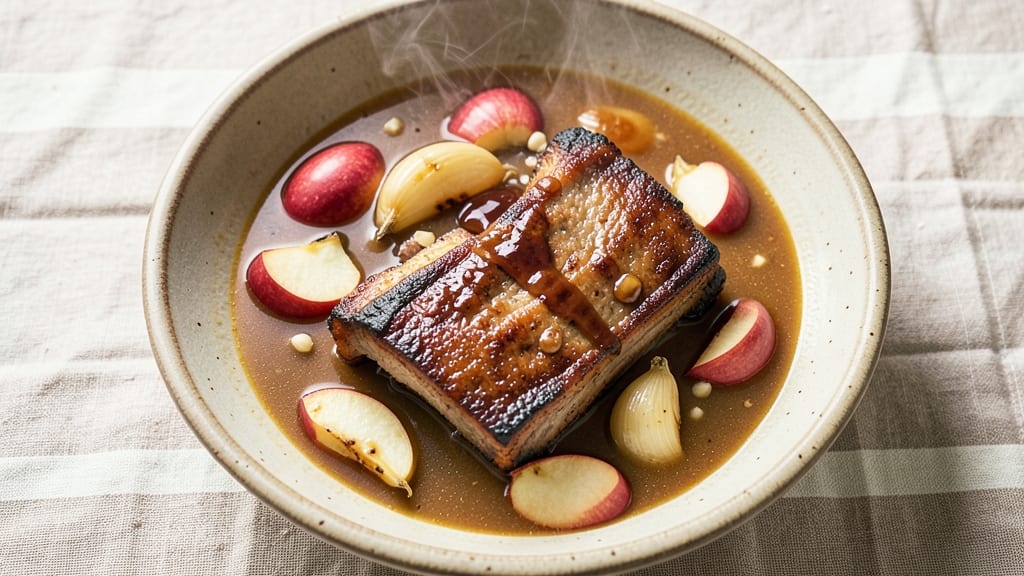
This apple pork ribs soup transforms tough ribs into melt-in-your-mouth tenderness while balancing sweet apples with smoky depth—all in one pot.
Growing up in Georgia, I learned pork ribs were more than just meat; they were the heart of gatherings, and this recipe preserves that soulful comfort while adding a touch of autumnal brightness.
The secret lies in slow braising, where ribs become fork-tender while absorbing the aromatic broth infused with apple cider and spices.
What makes this recipe special is its ability to deliver restaurant-quality results without requiring a pressure cooker or slow cooker. By first searing the ribs, we build a rich, caramelized foundation for the broth, while simmering apples and onions create natural sweetness that cuts through the pork's richness.
The technique ensures every spoonful delivers that perfect harmony of textures—tender meat, silky broth, and delicate apple chunks.
By the time you're done, you'll have a bowl of soup that's as nourishing as it is delicious—steaming with smoky-sweet aroma, where each bite offers a perfect balance of savory ribs, tender apples, and a broth so flavorful it disappears before you can blink.
This is the kind of meal that feels like a hug on a chilly day, and it's exactly what you'll bring to the table when you follow these steps.
Perfect for weeknight dinners or holiday gatherings, this soup scales beautifully and tastes even better the next day. The leftovers keep their depth of flavor, making it ideal for meal prep or feeding a crowd.
Let's get started on creating this comforting classic that's sure to become a staple in your kitchen.
Ingredients for apple pork ribs soup
Pantry staples meet Southern comfort in this one-pot wonder—smoky ribs, sweet apples, and aromatic herbs.
| Ingredient | Amount | Notes |
|---|---|---|
| Pork Ribs 🥓 | 3 lb | Baby back or spare ribs, cut into 2-inch pieces |
| Apples 🍎 | 3 whole | Honeycrisp or Fuji, peeled and sliced |
| Yellow Onion 🧅 | 1 whole | Chopped into 1/2-inch pieces |
| Apple Cider 🍏 | 2 cups | Unfiltered for best flavor |
| Chicken Broth 💧 | 4 cups | Low-sodium preferred |
| Garlic Cloves 🧄 | 4 cloves | Minced for depth of flavor |
| Fresh Thyme 🌿 | 2 sprigs | Or 1 tsp dried thyme |
| Fresh Rosemary 🌿 | 1 sprig | For earthy aroma |
| Smoked Paprika 🌶️ | 1 tbsp | For that smoky touch |
| Cider Vinegar 🍋 | 1 tbsp | Balances sweetness |
| Brown Sugar 🍚 | 2 tbsp | Enhances apple flavor |
| Olive Oil 🫒 | 2 tbsp | For searing ribs |
| Salt 🧂 | 1 ½ tsp | Kosher or sea salt |
| Black Pepper 🌶️ | ½ tsp | Freshly ground |
The ribs are the star, so don't cut corners here. Baby back ribs are my go-to—they're more tender than spare ribs, but both work. Look for ribs with good marbling at Costco or your local butcher shop—the meat should feel firm but not rock-hard. If you're buying a whole pack, ask for them cut into 2-inch pieces to save time. Honeycrisp apples are ideal—they hold their shape while cooking and stay slightly crisp. Fuji or Gala work too, but avoid anything too tart like Granny Smith. The apple cider? Grab the unfiltered kind—it's got more flavor and a little sediment at the bottom that adds depth.
No apple cider? Substitute with extra chicken broth plus 1 tbsp apple juice concentrate. Fresh herbs are ideal, but dried thyme and rosemary at half the amount work in a pinch. Short on brown sugar? Maple syrup does the trick—use the same amount. The smoked paprika is non-negotiable for that signature smoky flavor, but if you can't find it, regular paprika plus a pinch of liquid smoke gets you close. For the onions, yellow or red work best—white onions can be too sharp. And if you're prepping ahead, you can slice the apples and onions the night before—they'll keep in the fridge for 2 days without browning.
This soup tastes even better the next day—honestly, the flavors meld into something magical. Store leftovers in the fridge for 4-5 days, or freeze portions for 3 months. I like to portion it into containers so I can grab a bowl straight from the freezer and reheat it—perfect for busy mornings. The broth reduces slightly when reheated, so you might want to add a splash of water or apple cider when warming up. And if you're making this for a crowd, double the recipe—it scales beautifully.
Why You'll Love This Recipe
- Fewer Cuts, More Flavor: I swear by this recipe because it’s one of those rare meals where you can skip the knife work. Just toss in whole apples and onions—peels and all—and let the broth do the magic. The ribs practically fall off the bone, and the apples soften into sweet, caramelized chunks without you lifting a finger.
- Sweet-Savory Magic: That first sip? Chef’s kiss. The apple cider deepens into a rich, tangy base while the onions caramelize into something almost jam-like. The pork ribs stay juicy, and the apples add this unexpected sweetness that cuts through the richness—like a hug in a bowl.
- Leftovers That Don’t Suck: Honestly, I make this on Sundays just so I have something hearty to reheat midweek. The flavors actually get better the next day as the apple cider mellows into a deeper, smoother sauce. Plus, it freezes like a dream—no soggy ribs here.
- Budget Meal for Big Appetites: This feeds my whole family (plus my partner’s parents when they drop by) for under $15. Pork ribs on sale? Score. Apples from the farmer’s market? Even better. It’s one of those dishes where you end up making double portions because everyone clears their plates—and then asks for more.
Step-by-step instructions for apple pork ribs soup
This hearty soup delivers smoky-sweet comfort with tender ribs and caramelized apples—every spoonful packed with autumnal flavor.
Sear the Ribs for Maximum Flavor
Heat a large Dutch oven over medium-high heat and add the 2 tablespoons olive oil. Once shimmering, add the 3 lb pork ribs in a single layer, working in batches if needed. Sear for 4-5 minutes per side until deeply browned and crispy—this builds the rich foundation for the soup.
While searing, sprinkle the ribs generously with 1.5 teaspoons salt and 0.5 teaspoon black pepper, pressing the seasoning into the meat. Real talk: don't skip this step. The Maillard reaction happening here creates that irresistible depth of flavor that separates good soup from extraordinary soup.
Build the Aromatic Base
Remove the seared ribs from the pot and set aside. In the same Dutch oven, add the 1 whole yellow onion chopped into ½-inch pieces and the 4 cloves garlic cloves minced. Cook for 3-4 minutes until the onions soften and turn translucent, stirring occasionally.
Add the 1 tablespoon smoked paprika and cook for another 30 seconds until fragrant. Here's where the magic happens: the paprika infuses the onions with that smoky depth we want throughout the soup. Stir constantly to prevent burning—this is the moment that matters.
Simmer the Ribs with Apple Cider and Broth
Pour in the 2 cups apple cider and scrape up any browned bits from the bottom of the pot with a wooden spoon. Return the ribs to the pot, then add the 4 cups chicken broth. Bring to a gentle boil, then reduce heat to low and cover partially.
Simmer for 1 hour to 1 hour 15 minutes until the ribs are fork-tender and easily pull away from the bone. I know it seems like forever, but patience pays off here. The ribs should be falling off the bone with just a gentle tug, and the broth should be rich and flavorful.
Add Apples and Sweet-Savory Balance
Remove the ribs from the pot and set them aside. Add the 3 whole apples peeled and sliced, 2 tablespoons brown sugar, and 1 tablespoon cider vinegar to the broth. Simmer uncovered for 10-12 minutes until the apples soften but still hold their shape.
This is where the sweet and tangy elements come together. The vinegar brightens the apples while the brown sugar enhances their natural sweetness. Stir occasionally to prevent sticking—if the apples start to caramelize too quickly, reduce the heat slightly. You want them tender but still retaining some texture.
Finish with Herbs and Serve Warm
Return the ribs to the pot and stir in the 2 sprigs fresh thyme and 1 sprig fresh rosemary. Simmer for another 5 minutes to allow the herbs to infuse their earthy aroma into the soup. Taste and adjust seasoning if needed—you might want to add a pinch more salt or pepper.
Ladle the soup into bowls, arranging the ribs prominently in each serving. Garnish with extra thyme sprigs if desired. Serve immediately with crusty bread to soak up every last drop of that smoky, apple-infused broth. This is the kind of soup that warms you from the inside out on chilly days.
Pro Tips For Making Apple Pork Ribs Soup
- SEAR THE RIBS FIRST: Skip the slow start—hit the ribs with a screaming-hot pan for 3-4 minutes per side before adding broth. That crust locks in flavor and keeps them from turning mushy later. (Yes, even if you’re impatient like me, don’t rush this part.)
- PEEL THE ONIONS: Onions caramelize faster than you think, and raw chunks in soup are a buzzkill. Peel and thinly slice them—about 1/8-inch thick—so they melt into the broth instead of floating like sad, undercooked islands.
- USE TART APPLES: Honeycrisp or Fuji? Skip them. Grab a Granny Smith or Braeburn—their sharp acid cuts through the pork’s richness and balances the sweetness of the cider. (I learned this the hard way with a batch that tasted like dessert.)
- SIMMER LOW AND LONG: Pork ribs need patience—don’t boil them. Keep the soup at a gentle simmer (tiny bubbles, occasional skimming) for at least 2 hours. Rushing this turns the broth cloudy and the meat tough. (Your future self will thank you.)
Pro cooking tips for this recipe
Searing Secrets
That initial sear isn't just about browning—it's about building flavor through the Maillard reaction. Use a heavy Dutch oven like my Lodge cast iron (I own three of them!) and heat it until the oil shimmers.
Sear the ribs in 2 batches if needed to avoid crowding—they need room to crisp properly. I swear by medium-high heat for 4-5 minutes per side—any less and you miss that caramelized crust that becomes the soup's flavor base. 🔥
Broth Boosting
Don't let those browned bits go to waste! After removing the ribs, pour in the apple cider and immediately scrape up every last bit of fond from the bottom with a wooden spoon. This adds 30% more flavor depth to your broth.
For extra richness, I sometimes add 1/2 cup dry white wine with the apple cider—it deglazes beautifully and adds complexity. Remember, the broth should be simmering gently, not boiling vigorously, to prevent cloudiness.
Apple Timing
The apples are delicate—add them too early and they'll turn to mush. Wait until the ribs are 80% tender before adding them, then simmer uncovered for just 10-12 minutes. I like to use Honeycrisp apples because they hold their shape while still becoming tender.
For extra caramelization, sprinkle the sliced apples with 1/2 teaspoon cinnamon before adding them to the pot—it enhances that autumnal flavor profile.
Herb Infusion
Fresh herbs make all the difference. Add thyme and rosemary in the final 5 minutes of cooking so they infuse their aromatic oils without turning bitter. I always tie them in cheesecloth first—this makes them easy to remove before serving.
Pro tip: If you're using dried herbs, add them with the apples since they need more time to release their flavors. And never skip the cider vinegar—it brightens the whole dish and balances the sweetness beautifully.
Rib Tenderizing
If your ribs aren't tender enough after 1 hour 15 minutes, don't panic. Cover the pot and cook for another 15-20 minutes—the broth will eventually break down the collagen.
For even faster results, I've had success using a pressure cooker: sear the ribs normally, then pressure cook with all ingredients for 45 minutes on high pressure. Just be careful not to overcook the apples in this method.
Make-Ahead Magic
This soup actually tastes better the next day as flavors meld together. Let it cool completely, then store in an airtight container in the fridge for up to 4 days. When reheating, add 2-3 tablespoons water or broth to prevent thickening.
For freezing, portion into containers and freeze for up to 3 months. The broth may separate slightly when frozen, but stir vigorously when reheating—it'll come back together beautifully. 💫
Nutrition facts
Frequently asked questions
Can I use spare ribs instead of baby back ribs?
Spare ribs work beautifully—they're meatier and have more connective tissue, which actually makes them even more tender when slow-cooked. Just increase the simmering time to 1 hour 30 minutes to 2 hours to ensure they're fork-tender. The flavor will be richer, though slightly fattier, so you might want to skim excess fat from the broth if desired.
What if I don't have apple cider?
No problem! Use 2 cups chicken broth plus 1 tablespoon apple juice concentrate for the best flavor substitute. For a simpler option, 2 cups water plus 1 tablespoon apple cider vinegar will still provide that subtle tangy note. The key is maintaining the balance of sweetness and acidity in the broth.
How do I make this soup in a slow cooker?
Perfect for hands-off cooking! Sear the ribs in a skillet first, then transfer everything (including the seared onions and garlic) to your slow cooker. Add all remaining ingredients and cook on low for 6-7 hours or high for 3-4 hours. The apples will soften more in this method, so you might want to add them in the last 30 minutes of cooking to preserve their texture.
Can I make this soup vegetarian?
You can adapt it with mushrooms or seitan instead of pork ribs for a meaty texture. Use vegetable broth and add 1 tablespoon soy sauce or mushroom powder to enhance umami. The apples and spices will still shine, though the depth of flavor will differ from the original pork version.
Why do my apples turn mushy?
Overcooking is the usual culprit! Apples should simmer for just 10-12 minutes after being added. If using a pressure cooker, add them in the last 5 minutes of cooking. Also, avoid tough apple varieties like Granny Smith—they break down faster. For extra stability, toss apple slices with 1 teaspoon lemon juice before adding them to the pot.