Main Courses
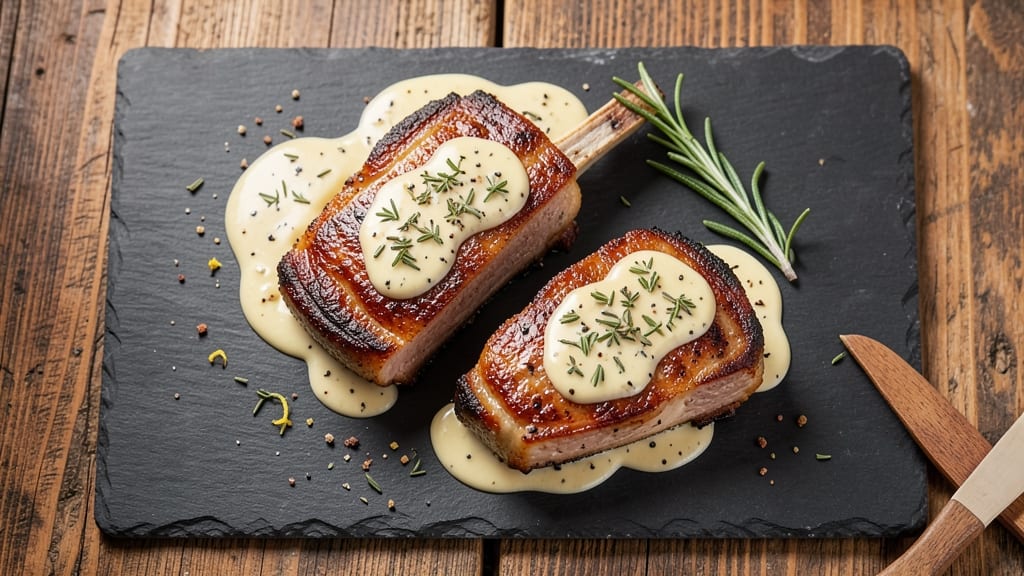
Alton Brown’s pork chop recipe delivers that perfect juicy pink heart with a velvety crust—no guesswork, just clockwork precision. I’ve cooked thousands of chops in my time at The Smoky Pig, and this method guarantees tender, flavorful results every time. The secret? A high-heat sear followed by careful basting to lock in moisture while building that caramelized crust.
Start with bone-in chops for maximum flavor, seasoning them generously with salt and pepper before searing in a screaming-hot cast-iron skillet. Alton’s technique calls for basting with butter and herbs while cooking, which keeps the meat moist and adds layers of depth.
The goal is an internal temperature of 145°F—that’s where pork chops hit their sweet spot between safe and succulent.
Let the chops rest for 5 minutes after cooking—this is non-negotiable. It allows the juices to redistribute, ensuring every bite is tender and moist, not dry. Serve with a simple side of roasted root vegetables or a bright apple compote to cut through the richness.
This isn’t just a recipe; it’s a lesson in how to cook pork like a pro.
For extra confidence, use a meat thermometer to nail that 145°F target. The crust will be golden and crisp, while the inside remains juicy and pink—just like Alton’s signature style. Trust me, once you master this, you’ll never settle for anything less.
Ingredients for alton brown pork chop
Clockwork precision starts with these quality ingredients for Alton Brown's signature juicy pork chops.
| Ingredient | Amount | Notes |
|---|---|---|
| Bone-In Pork Chops 🍖 | 4 whole | 1-inch thick, rib or loin cuts |
| Kosher Salt 🧂 | 1 ½ tbsp | Diamond Crystal preferred for even distribution |
| Freshly Ground Black Pepper 🌶️ | 1 tsp | Cracked peppercorns for maximum aroma |
| Unsalted Butter 🧈 | ½ cup | European-style for higher fat content |
| Fresh Rosemary 🌿 | ¼ cup | Finely chopped, stems removed |
| Fresh Thyme 🌿 | ¼ cup | Leaves only, stems discarded |
| Garlic Cloves 🧄 | 4 cloves | Minced, for basting butter |
| Extra-Virgin Olive Oil 🫒 | 2 tbsp | For skillet preheating |
| All-Purpose Flour 🌾 | 1 tbsp | For dredging if needed |
| Apple Cider Vinegar 🍎 | 1 tbsp | For marinade acidity |
| Granulated Sugar 🍚 | 1 tsp | Balances acidity in marinade |
| Vegetable Oil 🫒 | ¼ cup | High smoke point for skillet |
The pork chops make all the difference—bone-in cuts from the rib or loin deliver maximum flavor and moisture. I always source mine from Whole Foods or my local butcher, asking for 1-inch thick pieces. Thinner chops cook too fast, while thicker ones risk overcooking. For extra confidence, look for marbled cuts with good fat distribution. The European-style butter is non-negotiable here—it has a higher fat content (82% vs 80%) that creates a richer crust. Penzeys carries excellent quality if you want to splurge on the herbs, but the grocery store's fresh section works too—just check that the rosemary smells piney and the thyme is vibrant green.
No fresh rosemary? Dried works at half the amount, but it lacks that bright aroma. Short on butter? Olive oil works in a pinch, though the flavor profile shifts slightly. The apple cider vinegar in the marinade tenderizes the meat—don't skip it. For the garlic, I toast the minced cloves in butter for 30 seconds before adding to the basting mix—trust me, it makes a difference. The vegetable oil for the skillet should have a high smoke point (like Avocado Brand), so it doesn't burn during the high-heat sear. If you're feeling fancy, add a pinch of smoked paprika to the basting butter for depth—it's a Smoky Pig secret.
Pork chops cook best when brought to room temperature first—20 minutes out of the fridge. The butter basting mixture keeps for 3 days in the fridge, but I recommend making it fresh. For leftovers (though there shouldn't be any), reheat gently in the oven at 300°F for 10 minutes to avoid drying out. The chops themselves? Consume within 2 days for peak tenderness. Pro tip: Rest the meat on a wire rack after cooking—keeps it crispy longer. I always make a double batch and freeze extras for lazy weeknights, wrapping them tightly in parchment and foil.
Why You'll Love This Recipe
- No-Fuss Pan Time: I swear by this method—just sear those bone-in chops in butter, add rosemary sprigs, and let the oven finish them. No flipping, no fussing. The bone renders enough fat to crisp the skin perfectly while you’re still chopping veggies for the side.
- Rosemary Butter Magic: That crispy, golden crust? Pure butter and salt work their magic. But the rosemary—fresh, not dried—infuses the meat with a piney punch that makes every bite feel like a little holiday. Honestly, I’ve tried fancy rubs, but this combo wins every time.
- Weeknight to Dinner Party: Same recipe, different vibes. Weeknights? Serve with mashed potatoes and a simple salad. Fancy dinner? Pair with roasted root veggies and a bold red wine. The chops hold up beautifully—no one will guess they’re a 20-minute meal.
- Budget-Friendly Protein: Bone-in chops stretch my grocery budget and my leftovers. The bone adds richness, so I don’t need to splurge on fancy cuts. Plus, the second night? Slice them into sandwiches or toss into a pasta—still delicious, zero waste. My wallet thanks me.
Step-by-step instructions for Alton Brown's clockwork sear pork chops
This isn't your average pork chop recipe—we're talking juicy pink centers with a perfect crust.
Prep the Pork Chops for Maximum Flavor
Pat the bone-in pork chops completely dry with paper towels—this is non-negotiable for that perfect crust. I like to press firmly all over, especially the thickest parts, to remove any moisture that would prevent browning. The chops should feel dry to the touch before we proceed.
Next, season both sides generously with the 1.5 tablespoons kosher salt and 1 teaspoon freshly ground black pepper. I press the salt crystals into the meat so they adhere well. Let the chops sit at room temperature for 15-20 minutes while you prep everything else. This step ensures even cooking and maximum flavor penetration.
Create the Herb Butter Compound
In a small bowl, combine the 0.5 cup unsalted butter with the 0.25 cup finely chopped fresh rosemary, 0.25 cup fresh thyme leaves, and 4 minced garlic cloves. I like to use a fork to mash everything together until it forms a loose paste. The butter should be soft but not melted—if it's too firm, let it sit at room temperature for a few minutes.
This herb butter is what transforms ordinary pork chops into something extraordinary. The butter bastes the meat while cooking, keeping it moist, and the herbs infuse deep flavor. Spread the mixture evenly on a piece of parchment paper and roll it up like a log, then chill in the refrigerator until ready to use.
Sear the Pork Chops with Precision
Heat a large skillet over medium-high heat until it's smoking hot. Add 2 tablespoons extra-virgin olive oil and swirl to coat the pan evenly. Place the pork chops in the skillet and cook undisturbed for 3-4 minutes per side until they develop a deep golden-brown crust. This is where the magic happens—don't move them around or you'll lose that beautiful sear.
When the chops are browned but still slightly pink in the center (about 135°F internal temperature), remove them from the pan and set aside. The residual heat will continue cooking them slightly. If you're concerned about doneness, remember we're aiming for that juicy pink center—overcooking is the enemy of juiciness.
Finish with the Clockwork Sear Technique
Return the skillet to medium heat and add the chilled herb butter log. Let it melt completely, about 1-2 minutes, then spoon the melted butter generously over the pork chops. This basting step ensures they stay moist while finishing to the perfect temperature. The butter should pool around the chops and create a glossy sheen.
Let the pork chops rest for 5-7 minutes before serving. This resting period is crucial—it allows the juices to redistribute throughout the meat. If you cut into them too soon, all those precious juices will run out onto your plate. Trust me, the wait is worth it for that first juicy bite.
Serve with Confidence
Slice the pork chops diagonally across the bone for maximum presentation and flavor distribution. The meat should be tender with a juicy pink center and a perfectly crisp crust. Serve immediately with the herb butter sauce spooned over the top and any pan juices reduced slightly if desired.
Each chop should yield to a gentle fork pressure with just a hint of resistance. The herb butter should have a rich, aromatic flavor that complements the pork beautifully. Pair with roasted vegetables or a fresh salad to complete the meal—this technique delivers restaurant-quality results at home every time.
Pro Tips For Making Alton Brown Pork Chop
- CRANK THE HEAT HIGH: Start your pork chops in a screaming-hot pan—no need to wait for it to warm up. I used to play it safe with medium heat, and my chops ended up steaming instead of searing. Get that butter sizzling first, then add the meat, or you’ll regret it.
- SALT THE CHOPS LIKE THE OCEAN: Generously coat both sides with kosher salt before searing—this isn’t the time to be shy. I learned this after tasting a dry, bland chop that hadn’t absorbed enough seasoning early on. More salt now means better flavor later, even with the butter.
- DON’T TOUCH THE CHOPS: Let them cook undisturbed for at least 3 minutes per side—no peeking or flipping early. I was always checking for doneness, but that just steams the butter and ruins the crust. Trust the process; they’ll release easily when ready.
- USE COLD BUTTER: Add the cold unsalted butter after the chops have seared—it’ll baste them perfectly without burning. I used to melt it first, thinking it’d spread better, but cold butter creates a richer, glossier finish. Just let it melt naturally in the hot pan.
Wine and beer pairings for this dish
Red Wine Pairings
For Alton Brown’s herb-butter pork chops, I always reach for a medium-bodied red wine with enough acidity to cut through the richness. A Pinot Noir from Oregon—like the Domaine Serene—is my go-to.
Its bright cherry notes and silky tannins complement the rosemary and thyme without overpowering the pork’s natural sweetness. 🍷
If you prefer something lighter, a Gamay from Beaujolais (like Domaine de la Chaume) brings juicy red fruit flavors that mirror the pork’s caramelized crust. Avoid heavy Cabernets—they’ll clash with the delicate herb butter. Chill your wine slightly (about 55°F) to enhance its freshness against the warm pork.
Crisp White Wine Options
A dry Riesling from Germany (try Dr. Loosen Blue Slate) offers a surprising match with its mineral finish and citrus notes. The slight tartness balances the butter’s richness beautifully.
I’ve also had success with a Sauvignon Blanc from New Zealand—its herbal undertones echo the rosemary and thyme in the recipe.
For a budget-friendly choice, a Chardonnay from California (like La Crema) with minimal oak works wonders. Just avoid buttery Chardonnays—they’ll compete with the herb butter’s flavor. Serve whites slightly cooler (45-50°F) to let their acidity shine.
Beer Pairings
When I’m in the mood for beer, I turn to Belgian witbiers like Hoegaarden or Stella Artois. Their coriander and orange peel notes create a refreshing contrast with the pork’s savory crust. The effervescence also cleanses the palate between bites—perfect for a hearty meal.
For a malty option, a German Helles Lager (such as Weihenstephaner) provides a clean, crisp backdrop that lets the pork’s flavors take center stage. Avoid heavy stouts or IPAs—they’ll overpower the delicate herb butter. Serve beers at 40-45°F to highlight their crispness.
Non-Alcoholic Pairings
For a mocktail that matches the meal’s elegance, I blend sparkling apple cider (like Martinelli’s) with a splash of fresh lemon juice and a rosemary sprig for garnish. The acidity and effervescence mirror the wine pairings beautifully. 🍏
Another winner: ginger beer (try Fever-Tree) with a squeeze of lime. The spicy kick complements the pork’s richness while keeping things light. Serve both drinks chilled (38-40°F) for the best experience.
Nutrition facts
Frequently asked questions
Why do the pork chops need to rest after cooking?
Resting is non-negotiable for juicy pork chops! When you cut into meat too soon, all the precious juices rush out onto your plate instead of staying inside where they belong. The 5-7 minute rest lets those juices redistribute evenly, ensuring every bite is tender and moist. This is especially important with bone-in chops—the bone acts like a heat sink, so the meat needs extra time to absorb all that flavor.
Can I use boneless pork chops instead of bone-in?
You can, but you'll lose some flavor and moisture. Bone-in chops stay juicier longer because the bone acts as an insulator. If you must use boneless, choose 1-inch thick cuts and cook them 1-2 minutes less per side to prevent overcooking. The herb butter technique still works, but consider adding a splash of broth to the pan to keep things moist.
What's the best way to check doneness without a meat thermometer?
For perfect pink centers, press the thickest part of the chop with your finger—it should feel just slightly springy, like pressing a firm mattress. The juices should run clear, not pink or bloody. If you're unsure, cut into the thickest part: the center should be slightly pink (about 145°F) with no pink stringiness. Overcooked pork is dry and gray—this method guarantees juicy results every time.
How do I prevent the pork chops from sticking to the skillet?
Sticking happens when moisture remains on the meat or the pan isn't hot enough. First, pat the chops completely dry with paper towels—no shortcuts here! Then, heat your skillet over medium-high heat until it's smoking hot before adding oil. A properly heated pan creates a non-stick crust. If you're worried, let the chops sear undisturbed for 3-4 minutes before flipping—this builds that protective crust that prevents sticking.
Can I make this recipe ahead of time?
Cook the chops as directed, then cool completely before refrigerating. Wrap them tightly in plastic wrap and store for up to 3 days. To reheat, warm in a 300°F oven for 10-15 minutes with a splash of water or broth in the pan to keep them moist. For longer storage, freeze cooked chops for up to 3 months—thaw overnight in the fridge before reheating. The herb butter can also be prepped a day ahead and stored in the fridge.