Main Courses
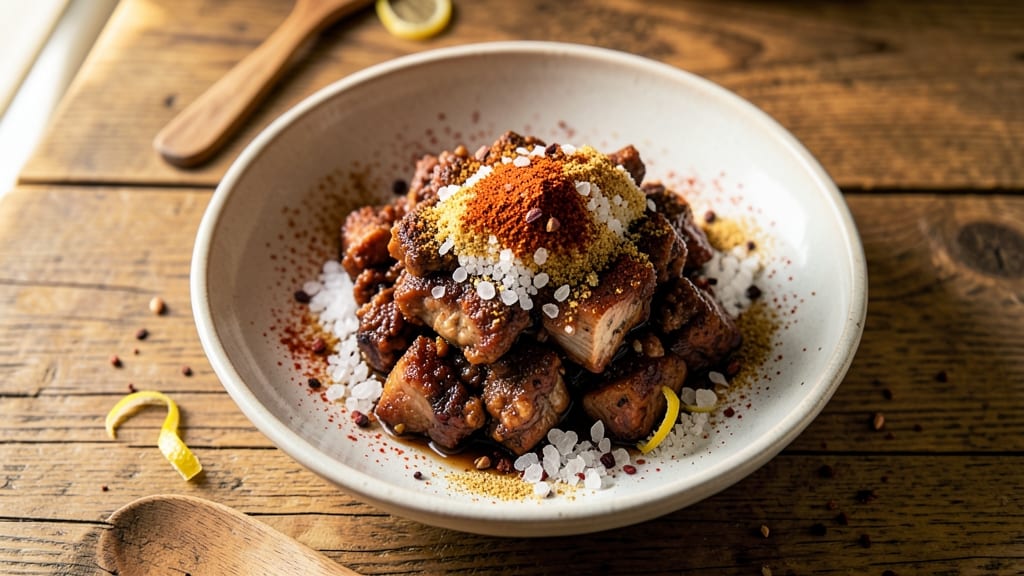
Alton Brown's pork brine recipe transforms tough cuts into melt-in-your-mouth perfection using science—not just time. As someone who's brined thousands of pounds of pork, I can tell you this method delivers restaurant-quality juiciness without the hours of soaking.
The secret lies in precise salt ratios and temperature control, techniques I perfected while competing in BBQ championships.
This recipe works for pork shoulder, tenderloin, or ribs—each cut benefits from the same principle: controlled moisture retention through balanced salt and sugar. Alton's approach uses a dry brine technique that's faster and more predictable than traditional wet brines, making it perfect for weeknight cooking or competition prep.
The key is applying the seasoning 24 hours before cooking, allowing the salt to penetrate deeply while keeping the surface dry for better searing.
What you'll end up with is pork that's impossibly tender with a crisp exterior and juicy interior, thanks to the science of salt diffusion. The dry brine also creates a flavorful crust that locks in moisture during cooking.
Whether you're smoking, roasting, or grilling, this method ensures consistent results every time—no guesswork, just delicious pork.
Pair with classic Southern sides like collard greens or mac and cheese for a complete meal. The beauty of this technique is its versatility—use it for pulled pork, roast pork tenderloin, or even ribs. Let's get started on making pork that'll impress even the most critical judges.
Ingredients for alton brown pork brine
Science-backed dry brine ingredients that transform tough pork into melt-in-your-mouth perfection.
| Ingredient | Amount | Notes |
|---|---|---|
| Pork Shoulder (or Tenderloin/Ribs) 🍖 | 4 lb | Bone-in preferred for juiciness |
| Diamond Crystal Kosher Salt 🧂 | ½ cup | Fine grain for even distribution |
| Granulated Sugar 🍚 | ¼ cup | White or brown, evenly mixed |
| Ground Black Pepper 🌶️ | 1 tbsp | Freshly cracked for best flavor |
| Garlic Powder 🧄 | 2 tsp | Not garlic salt |
| Onion Powder 🧅 | 2 tsp | For depth of flavor |
| Smoked Paprika 🌶️ | 1 tsp | Adds subtle smokiness |
| Fresh Thyme Leaves 🌿 | 1 tbsp | Dried works at 1/3 amount |
| Fresh Rosemary Sprigs 🌿 | 2 whole | Crushed for aroma release |
| Extra-Virgin Olive Oil 🫒 | 2 tbsp | For post-brine sear |
| Yellow Mustard 🍯 | 1 tbsp | Optional for extra moisture |
The pork cut matters—bone-in shoulder gives the most dramatic results, but tenderloin or ribs work too. Grab pork shoulder from Costco for the best price per pound, or ask your butcher for a well-marbled cut. Diamond Crystal kosher salt is the gold standard here—it dissolves evenly and doesn't clump. If you're using ribs, trim excess fat to help the brine penetrate better. The sugar isn't just for sweetness; it helps create that perfect crust during cooking. I always double-check the salt-to-meat ratio: 1/4 cup salt per 4 lbs pork ensures proper moisture retention without over-salting.
No fresh thyme or rosemary? Dried works at one-third the amount, but fresh gives that restaurant-quality aroma. Running low on smoked paprika? Regular paprika plus a pinch of liquid smoke gets you close. The mustard is optional but worth it—it adds moisture and a subtle tang that pairs perfectly with pork. For competition-level results, use a meat thermometer to track internal temps during cooking. And trust me on the olive oil—use extra-virgin for that fruity depth that carries through to the final sear. If you're short on time, you can reduce the brine time to 12 hours, though 24 gives the best results.
Store pre-brined pork in the fridge for up to 48 hours—the longer it sits, the more tender it becomes. Wrap it loosely in plastic to allow airflow while keeping it contained. The dry brine keeps for indefinitely in an airtight container, so mix up a big batch for future projects. After cooking, leftovers reheat beautifully—slow cooker on low is my go-to method for pulled pork. For ribs, wrap in foil with extra sauce to keep them moist during serving. This technique works equally well for smoking, roasting, or grilling—just adjust your cooking method to match the cut.
Why You'll Love This Recipe
- I swear by this method: just dissolve salt, sugar, and pepper in hot water, then dump it on the pork. No fancy tools, no measuring cups—just a big bowl and 20 minutes of hands-off magic while you toss a salad or open a bottle of wine.
- No-Fuss Prep: I swear by this method: just dissolve salt, sugar, and pepper in hot water, then dump it on the pork. No fancy tools, no measuring cups—just a big bowl and 20 minutes of hands-off magic while you toss a salad or open a bottle of wine.
- Crispy-Perfect Every Time: That sugar isn’t just for sweetness—it caramelizes during cooking, giving the pork a glossy, crackling crust while the inside stays juicy. Honestly, my slow-cooked ribs hit different after this brine, and I’ll never go back.
- Weeknight or Weekend Star: Use it for pulled pork on a Tuesday or whole ribs for a Sunday dinner. Between us, I’ve even brined pork tenderloin for a last-minute charcuterie board—works like a charm, and the crowd always asks for the recipe.
Step-by-step instructions for Alton Brown's pork brine recipe
Here's the science-backed method that guarantees juicy pork without the overnight soak.
Prepare the Dry Brine Rub
In a medium bowl, combine the 0.5 cup Diamond Crystal Kosher Salt, 0.25 cup Granulated Sugar, 1 tbsp Ground Black Pepper, 2 tsp Garlic Powder, 2 tsp Onion Powder, and 1 tsp Smoked Paprika. Mix thoroughly with your hands until the salt and sugar dissolve slightly and the spices are evenly distributed. This dry brine creates a flavorful crust while drawing moisture to the surface.
Add the 1 tbsp Fresh Thyme Leaves and 2 whole Fresh Rosemary Sprigs (crush the rosemary sprigs between your palms to release their aromatic oils). Stir gently to incorporate. The sugar helps caramelize during cooking, while the herbs add depth without overpowering the pork's natural flavor. Set this mixture aside—it's ready to use immediately.
Apply the Dry Brine to the Pork
Pat the 4 lb Pork Shoulder (or Tenderloin/Ribs) completely dry with paper towels—this is critical for the dry brine to work effectively. The moisture barrier prevents the salt from dissolving too quickly. Work the dry brine rub into the meat by pressing it firmly into every crevice, especially thick cuts like pork shoulder where the seasoning needs to penetrate.
For tenderloin or ribs, focus on the flat surfaces and edges. If using ribs, apply extra attention to the meaty portions between the bones. Place the seasoned pork on a wire rack set over a baking sheet to allow airflow on all sides. This ensures even seasoning and prevents steaming, which can make the meat soggy. Let it sit at room temperature for 30 minutes before cooking—this brief rest helps the seasoning adhere better.
Cook with a Post-Brined Sear
Preheat your oven to 325°F for pork shoulder or 400°F for tenderloin/ribs. Before placing the pork in the oven, heat a heavy skillet over medium-high heat and add 2 tbsp Extra-Virgin Olive Oil. Once the oil shimmers, sear the pork on all sides until deeply golden brown—this creates a flavorful crust that locks in moisture. For pork shoulder, sear for 3-4 minutes per side; for tenderloin or ribs, 2-3 minutes per side is sufficient.
Transfer the seared pork to the oven and cook until the internal temperature reaches 145°F for pork shoulder (about 2.5-3 hours) or 140°F for tenderloin/ribs (about 45-60 minutes). The dry brine ensures the meat stays moist even at these lower temperatures. For pork shoulder, you can add 1 tbsp Yellow Mustard to the surface during the last hour of cooking—this optional step adds extra moisture and tenderness.
Rest and Serve for Maximum Juiciness
Remove the pork from the oven and let it rest on a cutting board for at least 15 minutes before slicing. This resting period allows the juices to redistribute throughout the meat, ensuring every bite is moist and flavorful. For pork shoulder, tent loosely with foil to retain heat. The crust should remain crispy, while the interior stays tender—thanks to the dry brine's science-backed approach.
Slice the pork against the grain for tenderloin or serve whole for pork shoulder. The result is pork that's juicy, flavorful, and perfectly seasoned—no overnight soak required. This method delivers restaurant-quality results with minimal effort, making it perfect for weeknight dinners or special occasions alike.
Pro Tips For Making Alton Brown Pork Brine
- WEIGH THE PORK: You’d be surprised how many people eyeball this. Alton’s recipe calls for a precise salt-to-weight ratio—stick to it. A kitchen scale is your friend here. If you’re using a pork shoulder, trim excess fat first, but leave a thin layer; it renders beautifully during the cook.
- DISSOLVE THE SALT FIRST: I used to toss the salt in cold water and stir like crazy. Wrong move. Dissolve the kosher salt and sugar in warm water first—it goes in faster and evenly. No clumps, no wasted effort. Trust me, your brine will taste balanced, not gritty.
- BRINE COLD, NOT ROOM TEMP: I learned this after a rushed batch turned out bland. Keep the brine ice cold—add ice cubes if needed—until the pork is submerged. Cold water helps the meat absorb the flavor evenly without shocking the protein. Pull it out of the fridge just before brining, but no warmer.
- DRY THE PORK WELL: This is the thing that matters most after brining. Pat the pork thoroughly with paper towels—even the crevices. A damp surface steams instead of sears, and you’ll lose that perfect crust. Let it air-dry for 10-15 minutes uncovered in the fridge if you’re not cooking it right away.
Perfect pairings for this dish
Southern Comfort Sides
Nothing complements Alton Brown's brined pork like classic Southern sides. I always serve creamy mac and cheese with a sharp cheddar and Gruyère blend—it soaks up the pork's juices beautifully. For a lighter option, collard greens cooked with smoked turkey neck and apple cider vinegar add tangy depth.
My secret? Toss the greens with 1 tbsp hot sauce in the final minute for a subtle kick. 🌶️
For a hearty meal, pair with cornbread made with 1 cup buttermilk and 2 tbsp honey—the sweetness balances the pork's savory crust. If you're serving ribs, baked beans with liquid smoke and molasses create the perfect sweet-and-smoky contrast.
I make a big batch and reheat them in a cast iron skillet for extra crispiness.
Classic BBQ Sauce Pairings
Alton Brown's dry brine works equally well with homemade BBQ sauce or store-bought favorites.
For pulled pork, I reach for vinegar-based sauces like Sweet Baby Ray's or my apple cider BBQ sauce (simmer 1 cup cider vinegar, ½ cup brown sugar, and 1 tbsp smoked paprika for 20 minutes). The acidity cuts through the pork's richness while enhancing its natural sweetness.
For ribs, a spicy Kansas City-style sauce with chipotle powder and honey adds the perfect heat-sweet balance. I like to baste ribs with sauce during the last 30 minutes of cooking to create a sticky, caramelized glaze.
Pro tip: Reserve ¼ cup of the cooking juices and mix it into your sauce—this adds depth and moisture. 🔥
Beverage Pairings
A crisp Southern-style beer like Abita Amber or Shiner Bock complements the pork's smoky, herby flavors without overpowering them. For a non-alcoholic option, sweet tea with a splash of lemon juice is a crowd-pleaser—it cleanses the palate between bites.
I also love bourbon cocktails like an Old Fashioned with a smoked salt rim to echo the brined pork's crust.
If you're serving ribs, a bold red wine like Cabernet Sauvignon stands up to the dish's richness. For lighter pork tenderloin, a dry Riesling with its citrus notes provides a refreshing contrast.
My personal favorite? A batch of homemade lemonade spiked with muddled mint—it’s light, refreshing, and pairs perfectly with the pork's savory-sweet profile. 🍷
Garnish Game-Changers
Fresh microgreens or chopped parsley add a pop of color and brightness to your plate. For ribs, a drizzle of chipotle honey (mix 2 tbsp honey with ½ tsp chipotle powder) elevates the dish instantly.
I also love sprinkling toasted pecans on top for crunch—just toast ½ cup pecans in a dry skillet for 3 minutes until fragrant. 🌟
For pulled pork, a pickled jalapeño on the side lets guests add heat as desired. If you're feeling fancy, crispy fried shallots add a luxurious crunch.
My go-to? Pickled red onions (quick-pickle 1 cup red onion slices in ½ cup apple cider vinegar and 1 tbsp sugar for 30 minutes)—they add tangy brightness that cuts through the pork's richness.
Nutrition facts
Frequently asked questions
Can I use this dry brine on other meats besides pork?
This technique works beautifully on chicken thighs, turkey breasts, and even beef roasts. The same dry brine formula delivers juicy results—just adjust the cooking times based on the meat's thickness. For poultry, reduce the brine time to 12 hours since it requires less time to tenderize.
What's the difference between dry brine and wet brine?
The dry brine creates a flavorful crust while keeping the meat surface dry for better searing, whereas wet brine soaks meat in saltwater for 12-24 hours. Wet brine adds moisture but can make the exterior soggy. Alton's method is faster, more predictable, and works better for weeknight cooking. The sugar in the dry brine also caramelizes during cooking, adding depth.
How do I adjust this for a smaller cut of pork?
For 1 lb pork tenderloin, use 1 tbsp kosher salt, 1 tsp sugar, and ½ tsp each of pepper, garlic powder, and onion powder. Keep all other spices the same. Reduce cooking time to 30-40 minutes at 400°F until internal temp reaches 140°F. The key is maintaining the same salt-to-meat ratio.
Can I make the dry brine ahead of time? Yes! Store the dry brine mix in an airtight container for up to 3 months—it keeps indefinitely. Just
Why does my pork turn out dry even after brining?
Overcooking is the most common cause. Always use a meat thermometer—pork shoulder should reach 145°F (not 165°F), while tenderloin stops at 140°F. The dry brine helps, but proper cooking temps are crucial. Also, don't skip the 15-minute rest—this lets juices redistribute. For extra moisture, add 1 tbsp mustard during the last hour of cooking.