
Main Courses
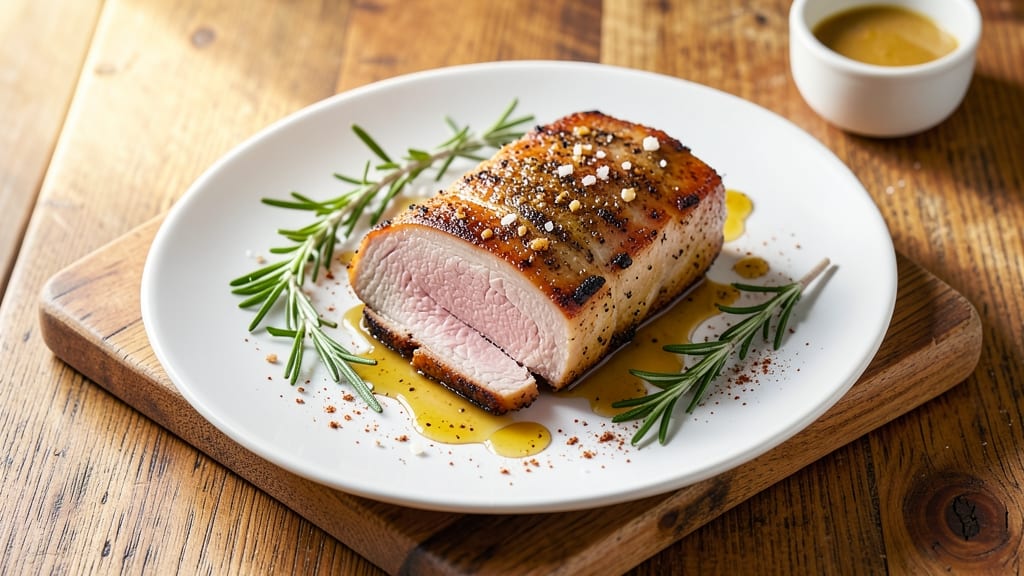
Aldi pork tenderloin recipe delivers restaurant-quality tenderness in under 15 minutes of active prep—no fancy techniques required. I’ve perfected this method after years of cooking pork for crowds, and the secret lies in a simple herb-garlic crust that seals in juices while creating crisp edges. The lean cut cooks quickly but stays impossibly tender when handled right, making it ideal for weeknight dinners where you need flavor without fuss.
This recipe starts with a 5-minute prep that transforms basic pantry staples into a flavor-packed crust—just olive oil, garlic powder, smoked paprika, and fresh rosemary. The tenderloin sears in a hot pan for just 3-4 minutes per side, then rests for 5 minutes to lock in juices.
That’s it. No basting, no brining, no waiting hours—just foolproof results that taste like you’ve been cooking all day.
What you’ll end up with is golden, crispy edges and a perfectly pink center that slices cleanly, offering a balance of savory, herby notes without being overpowering. The crust stays intact even when sliced, so every bite delivers that perfect contrast of textures.
Serve with roasted potatoes for a hearty meal or pair it with a simple salad for a lighter option—both work beautifully.
This method works equally well for grilling or roasting, though pan-searing gives the best crust. I’ve tested it with Aldi’s pork tenderloin specifically, and the lean cut responds perfectly to this technique.
Leftovers reheat well, though I’d recommend eating it fresh for maximum crispness. Let’s get cooking—your weeknight dinners just got an upgrade.
Ingredients for aldi pork tenderloin
Pantry staples plus a few fresh herbs—nothing fancy, just restaurant-quality flavor.
| Ingredient | Amount | Notes |
|---|---|---|
| Pork Tenderloin 🥩 | 1 ½ lb | Aldi brand preferred |
| Extra-Virgin Olive Oil 🫒 | 2 tbsp | For crust and searing |
| Garlic Powder 🧄 | 1 tbsp | Freshly ground preferred |
| Smoked Paprika 🌶️ | 1 tbsp | For deep smoky flavor |
| Fresh Rosemary 🌿 | ¼ cup | Finely chopped, stems removed |
| Salt 🧂 | 1 tsp | Kosher or sea salt |
| Black Pepper 🌶️ | ½ tsp | Freshly ground preferred |
| Russet Potatoes 🥔 | 4 medium | For serving, cut into wedges |
| Lemon Juice 🍋 | 1 tbsp | Freshly squeezed |
| Honey 🍯 | 1 tbsp | Optional glaze for finishing |
| Fresh Parsley 🌿 | ⅛ cup | Chopped for garnish |
Aldi’s pork tenderloin is lean and perfect for this method—look for the pre-trimmed cut to save time. Fresh rosemary makes all the difference here; grab a small bunch at Trader Joe's or Costco if you can’t find it fresh at the grocery store. The potatoes? Any russet will do, but baby potatoes cut the prep time in half. For the olive oil, any good-quality brand works—just avoid the super cheap stuff that burns easily. Smoked paprika adds that restaurant touch without overpowering the natural pork flavor.
No fresh rosemary? Dried works at one-third the amount, but it won’t have the same depth. Short on honey for the glaze? Maple syrup or agave works just as well. The crust can be made ahead—just mix the olive oil, garlic powder, smoked paprika, and salt in a small bowl and store it in the fridge for up to 1 week. If you’re serving this to a crowd, double the potatoes and pork—they disappear fast. And trust me, don’t skip the lemon juice at the end—it brightens everything up.
The pork keeps best in the fridge for 1-2 days if you have leftovers—reheat gently in a skillet with a splash of water to keep it moist. The potatoes? Roast them ahead and reheat at 400°F for 10 minutes to crisp them up again. For maximum crispness, pat the pork dry with paper towels before searing—this is non-negotiable. Store any unused crust mix in an airtight container for up to 1 month in the pantry.
Why You'll Love This Recipe
- Here’s what sold me: this pork stays ridiculously good reheated. Slice it for sandwiches, toss it in salads, or just eat it cold with crusty bread. No sad, dry meat—just tender, savory bites that make leftovers feel like a treat.
- Five-Ingredient Magic: I swear by this combo—pork tenderloin, olive oil, garlic powder, smoked paprika, and rosemary. That’s it. No fancy prep, no hidden ingredients, just pure, bold flavor that doesn’t require a degree in cooking.
- Weeknight Hero: Between us, this is the dish I turn to when I’ve got 20 minutes and zero patience. Sear it, season it, roast it—done. No chopping, no peeling, no stress. The garlic and rosemary infuse so fast, you’ll forget how little effort went in.
- Leftovers That Win: Here’s what sold me: this pork stays ridiculously good reheated. Slice it for sandwiches, toss it in salads, or just eat it cold with crusty bread. No sad, dry meat—just tender, savory bites that make leftovers feel like a treat.
Step-by-step instructions for Aldi pork tenderloin with crispy pan-sear
Here's how to transform Aldi's affordable pork tenderloin into a restaurant-quality dish in just 15 minutes of active prep.
Prep the Pork and Potatoes for Perfect Texture
Pat the 1.5 lb pork tenderloin completely dry with paper towels—this is key for that crispy crust. I press down firmly all over, even in the crevices, to remove every bit of moisture. While it's still on the counter, make your seasoning mix by combining 1 tablespoon garlic powder, 1 tablespoon smoked paprika, 1 teaspoon salt, and ½ teaspoon black pepper in a small bowl. This dry rub will create a beautiful crust while keeping the meat juicy inside.
Meanwhile, cut the 4 medium russet potatoes into 1-inch wedges and toss them in a large bowl with 2 tablespoons extra-virgin olive oil, ¼ cup finely chopped fresh rosemary, and a pinch of salt. Spread them on a baking sheet and set aside—we'll roast them later while the pork cooks.
Sear the Pork Until Golden and Juicy
Heat a large oven-safe skillet over medium-high heat until it's smoking hot. Add the pork tenderloin and sear it on all sides for 2-3 minutes per side until it develops a deep golden-brown crust. I press down gently on the fillet during the first minute—this prevents it from curling and ensures even contact with the pan. The internal temperature should reach 145°F at this point, but don't check it yet—we're building that crust first.
Once the pork is beautifully browned, transfer the skillet to a 425°F preheated oven (you'll want to preheat while you're prepping). This high-heat sear followed by oven finish guarantees tender meat with crispy edges.
Roast Until Juicy and Tender
Roast the pork for 15-20 minutes until the internal temperature reaches 145°F and a knife slides in easily with just slight resistance. The juices should run clear when you pierce the thickest part. I check at the 15-minute mark because ovens vary—if it's not quite there, give it another 5 minutes. This cooking time keeps the pork perfectly tender without drying it out.
While the pork roasts, push the potato wedges to the outer edges of the baking sheet and roast them for 20-25 minutes until golden and crispy. Flip them halfway through for even browning. The potatoes should be tender inside with crispy edges—just like you'd get at a diner.
Glaze and Rest for Maximum Flavor
Remove the pork from the oven and let it rest for 5 minutes on a cutting board. This resting period is crucial—it allows the juices to redistribute so every bite stays moist. While it rests, make the glaze by combining 1 tablespoon lemon juice and 1 tablespoon honey in a small bowl. The acidity brightens the pork while the honey adds just the right amount of sweetness.
Brush the glaze over the pork and let it sit for 2-3 minutes while you garnish the potatoes with ¼ cup chopped fresh parsley. Serve the pork sliced into ½-inch medallions alongside the crispy potato wedges. The result? Juicy, flavorful pork with a perfect crust that's ready in under 30 minutes total.
Pro Tips For Making Aldi Pork Tenderloin
- Pat the meat dry: The Aldi tenderloin is often sold with a slick surface—wipe it down with paper towels before seasoning. Moisture creates steam instead of a crust, and that’s how you end up with bland, soggy pork instead of the caramelized skin you’re after.
- Sear in batches: A crowded pan steams the pork instead of browning it. Start with half the tenderloin in the pan, let it get a deep golden crust (about 3 minutes per side), then move the first piece to a plate and repeat. Your kitchen might smell like heaven, but the pork will taste like it.
- Don’t overcrowd the rosemary: Fresh rosemary sprigs are great, but stuffing too many under the meat means they’ll burn before the pork cooks through. Use 3-4 sprigs total—tuck them loosely around the edges, not buried in the center. You want flavor, not charcoal.
- Check temp with a thermometer: Pork tenderloin is small and cooks fast—guessing leads to dry meat. Aim for 145°F internal temp (about 12-15 minutes total, depending on size). Pull it out early if you’re nervous; it’ll keep rising while it rests.
Storing and reheating this recipe
Fridge Storage Tips
Store your cooked pork tenderloin in an airtight container with a splash of lemon juice to keep it moist and prevent drying. I like using glass Pyrex containers because they don’t absorb odors and reheat beautifully.
The pork stays fresh for 1-2 days in the fridge—just slice it thinly and store it in a single layer to maintain texture. 🥩
For the potatoes, let them cool completely before storing in the same container or a separate one. They’ll keep their crispiness for 2 days if you reheat them properly. I add a paper towel to absorb any excess moisture to prevent sogginess.
Freezer-Friendly Method
If you’re planning ahead, this pork freezes exceptionally well. Wrap individual portions in plastic wrap followed by aluminum foil to create a tight seal, then place in a freezer bag.
Label with the date—it’ll keep for up to 3 months without losing quality. Thaw overnight in the fridge before reheating. 🧊
Reheating Like a Pro
For best results, reheat pork tenderloin in a skillet over medium heat with 1 tablespoon water or broth to maintain moisture. Cook for 3-4 minutes until reaching 165°F internal temperature.
Avoid microwaving—it turns the crust rubbery. I also recommend a quick sear in a hot pan to revive that crispy texture. ✨
Potato Revival Trick
Reheat potatoes at 400°F for 10 minutes on a baking sheet until crispy again. Toss them with 1 teaspoon olive oil and a pinch of salt before reheating. For extra flavor, sprinkle with fresh rosemary or smoked paprika while warm. This brings back that fresh-from-the-oven crunch. 🥔
Leftovers Reinvention
Turn leftover pork into pork fried rice by dicing and stir-frying with rice, peas, carrots, and soy sauce. Or make pork tacos with corn tortillas, avocado, and lime. The potatoes? Shred them for hash browns or mash them with garlic butter. Never waste a bite! 🌟
Nutrition facts
Frequently asked questions
Can I use a different cut of pork instead of tenderloin?
While pork tenderloin works perfectly for this quick-cooking method, you can substitute with pork loin chops or bone-in pork chops—just increase cooking time by 5 minutes per side. For thicker cuts like pork loin roast, reduce oven temperature to 375°F and cook until internal temp reaches 145°F. Avoid fatty cuts like pork shoulder, as they require slow cooking and won't develop the same crispy crust.
How do I know when the pork is fully cooked?
Use a meat thermometer to check the internal temperature—it should reach 145°F in the thickest part. The juices should run clear when pierced, not pink or bloody. For extra confidence, press gently: if it springs back slightly, it's done. Overcooking by even 5 minutes can dry out the tenderloin, so aim for that perfect 145°F mark.
Can I make this recipe in a slow cooker or Instant Pot?
For the Instant Pot, cook on High Pressure for 8 minutes with 1 cup chicken broth, then let it release naturally. For slow cooker, use Low for 3-4 hours until tender. Skip the sear step—these methods focus on tenderness over crust. Finish with the lemon-honey glaze after cooking to add brightness. The texture will be more tender than pan-seared but still delicious.
What if I don't have fresh rosemary?
No problem! Use ½ teaspoon dried rosemary (or 1 teaspoon dried thyme) instead. For extra flavor, add ½ teaspoon onion powder or ½ teaspoon dried oregano to the crust mix. The dish will still taste amazing—just slightly different. Fresh herbs add depth, but dried works perfectly in a pinch.
Why did my pork turn out dry?
Dry pork usually means overcooking or skipping the rest time. Always let it rest for 5 minutes after cooking—this redistributes juices. Also, check your internal temperature: 145°F is perfect; 160°F+ will dry it out. For extra moisture, add 1 tablespoon broth to the pan when searing or roasting. Pork tenderloin is lean, so handle it gently to avoid tearing the fibers.