
Main Courses
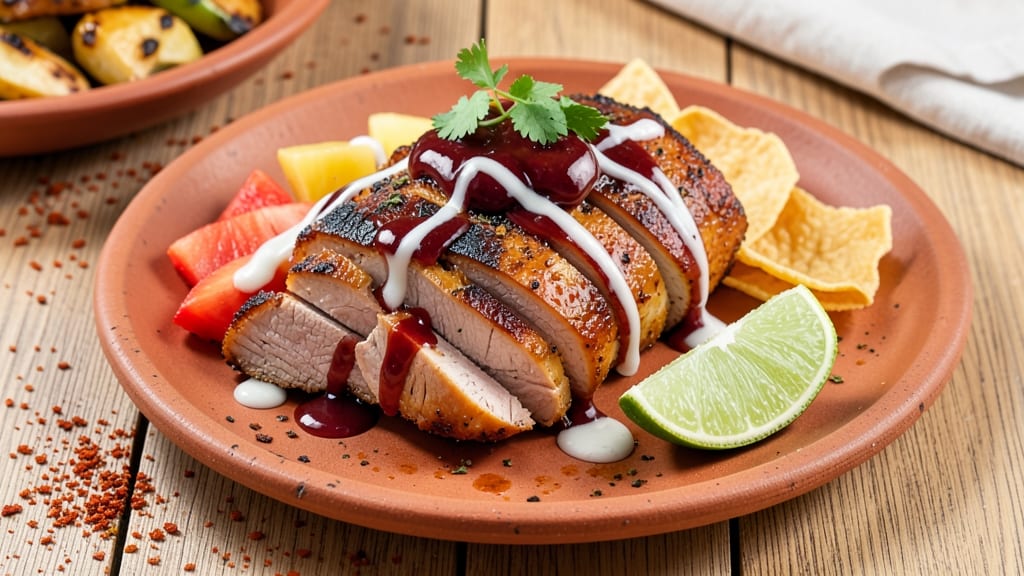
This al pastor pork shoulder recipe brings the vibrant flavors of Mexico to your table with its signature pineapple-marinated pork and smoky ancho heat. 🔥 The secret lies in the marinade—achiote paste, guajillo chiles, and pineapple juice create a complex blend that tenderizes the meat while infusing it with authentic flavor.
I first discovered this dish during a trip to Oaxaca, where street vendors transformed simple ingredients into something extraordinary.
The process begins with marinating the pork shoulder overnight, allowing the flavors to penetrate deeply. Traditional methods call for spit-roasting over charcoal, but I've adapted it for home cooks using either a grill or oven.
The result is tender, juicy pork with a crispy exterior that practically falls apart when sliced thin for tacos. This recipe delivers restaurant-quality al pastor without the fuss of specialized equipment.
What makes this dish truly special is the balance of sweet and smoky flavors—the pineapple adds brightness, while the ancho chiles bring deep, earthy heat. Served with warm corn tortillas, fresh pineapple, diced onion, cilantro, and a side of salsa, each bite is a celebration of Mexican street food culture.
The aroma alone will have everyone gathered around your table, eager for their first taste.
Perfect for Taco Tuesday or a weekend feast, this recipe serves 8-10 and comes together with just a few key ingredients. Whether you're hosting a party or craving a taste of Mexico, this al pastor pork shoulder delivers authentic flavor with minimal effort. Let's get cooking!
Ingredients for al pastor recipe pork shoulder
Authentic Mexican flavors start with these 15 ingredients—pork shoulder, pineapple, and smoky chiles take center stage.
| Ingredient | Amount | Notes |
|---|---|---|
| Pork Shoulder 🥩 | 4 lb | Bone-in for flavor, cut into 2-inch chunks |
| Fresh Pineapple Juice 🍍 | 1 ½ cups | From 1 medium fresh pineapple |
| Achiote Paste 🌶️ | 2 tbsp | Natural food coloring, earthy flavor |
| Guajillo Chiles 🌶️ | 6 whole | Stems/seeds removed, toasted |
| White Vinegar 💧 | ½ cup | Brightens marinade acidity |
| Garlic Cloves 🧄 | 8 cloves | Peeled, smashed for infusion |
| Ground Cumin 🌿 | 1 tbsp | Toasted for depth of flavor |
| Oregano 🍃 | 1 tbsp | Mexican oregano preferred |
| Salt 🧂 | 1 ½ tbsp | Kosher or sea salt |
| Black Pepper 🌶️ | 1 tsp | Freshly ground preferred |
| Vegetable Oil 🫒 | 2 tbsp | For searing pork |
| Corn Tortillas 🍞 | 16 whole | For serving, warmed |
| Fresh Cilantro 🌿 | ½ cup | Chopped, for garnish |
| Red Onion 🧅 | 1 whole | Diced, for serving |
| Lime Wedges 🍋 | 4 whole | For serving |
The pork shoulder is the heart of this dish—bone-in for maximum flavor, not lean cuts. Costco or local butchers often carry larger cuts perfect for this recipe. Look for good marbling, not too much fat, but enough to keep it juicy. Guajillo chiles can be tricky to find outside Latin markets, but H-E-B or MexGrocer usually stock them. If you can't find them fresh, dried chiles work too—just soak them first. The pineapple should be ripe but firm; Dole or Del Monte brands are reliable for consistent quality. Achiote paste is available in the Latin foods aisle or online—Goya is a trusted brand.
No guajillo chiles? Ancho chiles at double the amount work in a pinch, though they're milder. Short on fresh pineapple? Canned pineapple juice (unsweetened) or even mango nectar adds sweetness. The marinade needs acidity—if you're missing vinegar, lemon juice plus a pinch of sugar does the trick. For the cumin, toast it in a dry pan for 30 seconds before grinding to deepen the flavor. Mexican oregano is different from Italian—if you can't find it, regular oregano plus a pinch of cinnamon mimics the warmth. The tortillas should be corn-based; Mission or Bob's Red Mill are reliable brands. Warm them properly—dry skillet or tortilla press—so they don't get soggy.
Marinate the pork overnight for best results, but at least 4 hours works if you're short on time. Store the marinade in a sealed container in the fridge—it keeps for 3 days. The cooked pork reheats beautifully; portion it into containers with some marinade for 4 days in the fridge or 3 months frozen. For serving, keep the lime wedges in a sealed container in the fridge until ready to use. The cilantro and onion stay fresh for 5 days wrapped in damp paper towels. Prep the toppings ahead—they make assembly faster when guests arrive.
Why You'll Love This Recipe
- One-Pot Magic: The achiote paste and guajillo chiles do all the work—just toss everything in one pot, cover it, and let it slow-cook. No flipping, no fussing, just hands-off perfection while you sip your coffee or scroll through memes.
- Sweet Heat Combo: That pineapple juice isn’t just for show—it cuts through the richness of the pork while the guajillo chiles add smoky depth. Honestly? The first bite makes you question why you’ve never made this before.
- Weeknight Workhorse: Tacos Tuesday? Sunday funday? This dish works for both—shred it for tacos, stuff it in buns, or serve it over rice. My kids even ask for it in their lunchboxes (yes, even on a Tuesday).
- Budget Stretch: Pork shoulder is affordable, and this recipe feeds four for under $15. The leftovers? Even better the next day—reheat with a splash of vinegar to keep it tender and tangy. My wallet and my taste buds thank me.
Step-by-step instructions for al pastor pork shoulder
Transform tough pork shoulder into tender, smoky al pastor with this precise method.
👨🍳 Step 1: Prepare the Achiote Marinade Base
Toast the 6 whole guajillo chiles in a dry skillet over medium heat for 1-2 minutes until fragrant and slightly puffed. Transfer to a bowl and cover with 0.5 cup hot white vinegar for 15 minutes to soften. Drain, then blend with 1.5 cups fresh pineapple juice, 2 tbsp achiote paste, 8 smashed garlic cloves, 1 tbsp toasted ground cumin, 1 tbsp oregano, 1.5 tbsp salt, and 1 tsp black pepper until smooth.
Here's the thing—achiote paste gives the marinade its signature red color and earthy depth. If it's too thick, whisk in 1-2 tablespoons of pineapple juice until fully incorporated. The marinade should coat the back of a spoon with a vibrant hue. Real talk: this step makes or breaks the authentic flavor profile.
🥘 Step 2: Marinate the Pork Shoulder Overnight
Place the 4 lb pork shoulder in a large resealable bag or container. Pour the marinade over the meat, ensuring it's fully submerged. Seal and refrigerate for at least 12 hours (I prefer 24 hours) to tenderize the meat and infuse maximum flavor. Turn the bag occasionally for even coating.
Don't skip the overnight marinade—this is where the magic happens. The acidity from the pineapple and vinegar breaks down tough muscle fibers, while the achiote and spices penetrate deeply. If you're short on time, marinate for at least 8 hours, but the longer it sits, the better the texture and flavor.
🔥 Step 3: Sear and Slow-Cook the Pork Shoulder
Preheat your oven to 300°F. Remove the pork from the marinade (reserve the marinade for later) and pat dry with paper towels. Heat 2 tbsp vegetable oil in a Dutch oven over medium-high heat until shimmering. Sear the pork on all sides until deeply browned (8-10 minutes total).
This sear creates the Maillard reaction that builds deep, caramelized flavor. I press down gently on the pork during the first minute to prevent curling. Once browned, transfer the pork to a plate, then pour the reserved marinade into the Dutch oven, scraping up all the browned bits. Return the pork to the pot, cover, and place in the oven.
⏰ Step 4: Braise Until Fork-Tender
Cook the pork uncovered for 3 hours, then reduce heat to 275°F and continue cooking for another 2-3 hours (total 5-6 hours) until the internal temperature reaches 195-203°F and the meat pulls apart easily with two forks. The pork should have a deep mahogany color and be fork-tender.
Here's where patience pays off. The pork will hit "the stall" around 165°F—don't panic. Keep cooking until it reaches the higher temperature. If the liquid reduces too much, add ¼ cup water to prevent burning. The result should be melt-in-your-mouth texture with a crispy exterior.
🔪 Step 5: Shred and Assemble Tacos
Remove the pork from the oven and let it rest for 15 minutes. Using two forks, shred the meat into 2-inch chunks, discarding any large fat pieces. Keep the cooking liquid (adobo) for serving. Warm the 16 whole corn tortillas on a dry skillet over medium heat for 30 seconds per side. Top with shredded pork, diced red onion, chopped fresh cilantro, and serve with 4 whole lime wedges.
Each bite should deliver smoky, pineapple-kissed pork with a perfect balance of heat and acidity. The tortillas should be warm and pliable, ready to hold all the juicy filling. Don't forget the lime—its bright acidity cuts through the richness of the pork.
Pro Tips For Making Al Pastor Recipe Pork Shoulder
- BLISTER THE SKIN FIRST: Before marinating, sear the pork shoulder skin-side down in a dry, screaming-hot pan until it cracks and releases fat—this traps moisture during slow cooking. I learned this the hard way when my first batch turned out dry; the crust acts like a seal.
- SOAK GUILLOS IN VINEGAR: Toss the guajillo chiles in hot white vinegar for 10 minutes before blending—they soften faster and release more color into the marinade. Skipping this step means you’ll fight a stubborn, grainy paste later.
- DON’T RUSH THE MARINADE: Let the pork sit in the achiote-pineapple mix for at least 4 hours (overnight is better)—the acid needs time to tenderize. I used to slap it on and cook immediately, and the meat always came out chewy.
- USE FROZEN PINEAPPLE FOR JUICE: Thaw a frozen pineapple wedge, blend it, and strain—it’s sweeter, cheaper, and gives you more liquid than fresh chunks. Fresh pineapple works, but the juice yield is inconsistent, and you’ll end up guessing how much to add.
Common mistakes when making this recipe
Over-Marinating Risks
The overnight marinade is essential, but too much time can turn your pork shoulder mushy. I've seen beginners leave it in for 48 hours, which breaks down the meat fibers excessively.
After 24 hours, the acidity from pineapple and vinegar starts overworking the pork's structure. If you're short on time, 8 hours still works—just monitor the texture closely. 💡
Skipping the Sear
That initial sear isn't just for show—it locks in juices and builds deep flavor through the Maillard reaction. I once rushed through this step and ended up with bland, gray pork.
Heat your Dutch oven until oil shimmers, then sear each side for 2-3 minutes—don't rush! The crust forms the foundation for all that smoky flavor.
Ignoring Rest Time
After cooking, pork needs 15-20 minutes to rest before shredding. I've seen people slice into it immediately, and all the juices escape. This is especially critical with pork shoulder—those juices need time to redistribute. Cover the pork loosely with foil while resting to keep it warm without steaming.
Wrong Heat Settings
Low and slow is key, but many home cooks either cook too hot or too cold. Your oven should stay between 275-300°F throughout. I've had recipes fail when someone cranked it to 325°F—the pork dries out.
Use an oven thermometer to verify accuracy. If your oven runs hot, reduce the setting by 25°F to compensate.
Using Lean Cuts
Bone-in pork shoulder with some fat is non-negotiable. I've tried this recipe with leaner cuts or pork tenderloin, and the results are disappointing—dry and lacking flavor.
The fat renders during cooking, keeping the meat moist. Look for a cut with 1/4-inch fat cap—it makes all the difference in texture and juiciness.
Over-Shredding
Tiny shreds make for mushy tacos. Aim for 2-inch chunks—they hold their shape better. I use two forks to pull the meat apart gently, not chopping it aggressively.
If you shred too finely, the tortillas will get soggy. Save any excess cooking liquid (adobo) to moisten tortillas if needed, but don't overdo it.
Nutrition facts
Frequently asked questions about al pastor pork shoulder
Why does al pastor pork have pineapple in the marinade?
Pineapple isn't just for sweetness—its natural enzymes tenderize the pork while adding bright acidity that balances the smoky, spicy flavors. Traditional Mexican cooks use it to mimic the effect of spit-roasting, where pineapple is often served alongside. The acidity also helps preserve the meat during the long cooking process.
Can I make this with pork tenderloin instead of shoulder?
Not ideal! Pork shoulder's fat and connective tissue create the perfect texture for al pastor. Tenderloin will dry out during the long braising. If you must use it, reduce cooking time to 2 hours at 325°F and slice thinly—just expect less tender, more delicate results.
How do I get the crispy exterior like street tacos?
For that authentic crunch, finish the pork under a broiler for 3-5 minutes after braising, or sear the shredded meat in a hot skillet with 1 tbsp oil for 2-3 minutes. The key is high heat at the very end to crisp the surfaces without overcooking.
What if I don't have guajillo chiles?
Use ancho chiles (double the amount) or a mix of pasilla and chipotle for depth. For heat without chiles, add 1 tsp smoked paprika plus ½ tsp cayenne. Toast the substitutes first to enhance their flavor. The marinade will still work—just expect slightly different smokiness.
How far ahead can I prep the toppings?
Prep everything 1 day ahead except lime wedges (they brown). Store diced onion and chopped cilantro in airtight containers with paper towels to absorb moisture. Warm tortillas only when serving—they get soggy if pre-warmed. The pork reheats beautifully in its cooking juices for 3 days.