
Main Courses
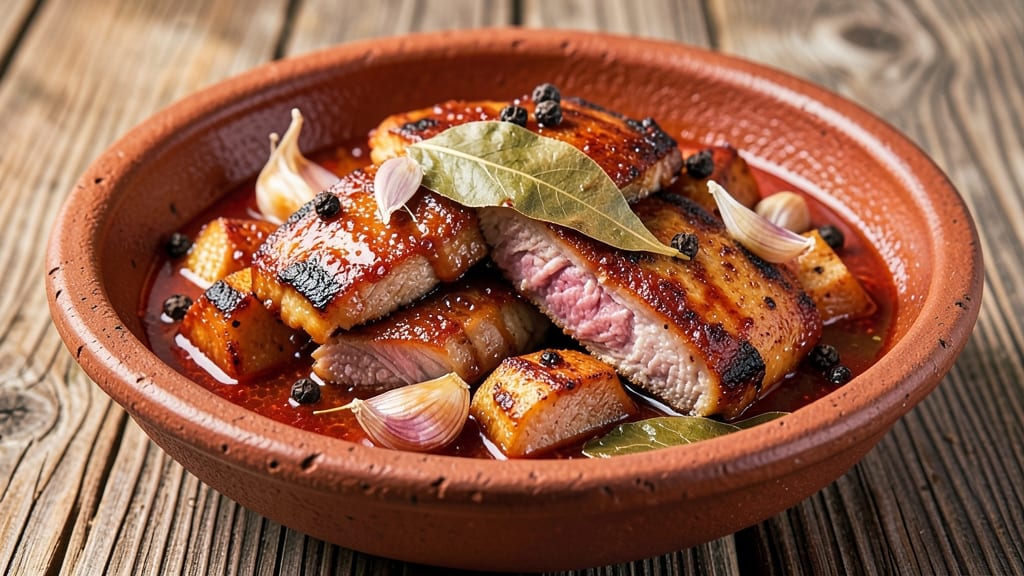
This Adobong Tuyo pork recipe transforms tough cuts into melt-in-your-mouth perfection through slow braising and traditional Filipino techniques. The magic lies in balancing soy sauce's umami depth with vinegar's tang, creating a sauce that caramelizes into a glossy, flavorful crust.
After years of perfecting this dish in my kitchen—and countless family gatherings where it disappeared from plates—I've developed a method that delivers restaurant-quality results at home.
The key to tender pork starts with marinating overnight, allowing the garlic, bay leaves, and vinegar to penetrate deeply. Then, the slow braise transforms even the toughest cuts into succulent, fork-tender pieces that practically fall apart.
What makes this recipe special is the balance—sweet from soy, tangy from vinegar, and smoky notes from the long cooking process. Every bite delivers that perfect harmony of textures and flavors that defines Filipino comfort food.
By the time you're done, you'll have a pot of rich, aromatic pork that's perfect over steamed rice or with crusty bread to soak up every last drop of sauce. The dish is hearty enough for a family dinner but simple enough for a weeknight meal.
What's more, the leftovers taste even better the next day as the flavors meld and deepen. This is the kind of recipe that becomes a staple in your rotation.
Ready to master this dish? Let's dive into the step-by-step process that ensures tender meat, balanced flavors, and that signature Filipino adobo taste you'll crave again and again. The secret is in the patience and the perfect balance of ingredients—trust me, it's worth every minute.
Ingredients for adobong tuyo pork
Here's everything you need to create this restaurant-quality Adobong Tuyo with crispy pork and melty cheese—simple ingredients, big flavor.
| Ingredient | Amount | Notes |
|---|---|---|
| Pork Shoulder 🍖 | 3 lb | Cut into 2-inch chunks, bone-in preferred |
| Soy Sauce 🥫 | ¾ cup | High-quality, preferably Filipino brand |
| Cane Vinegar 🍶 | ½ cup | White vinegar works in a pinch |
| Garlic Cloves 🧄 | 10 cloves | Minced, for maximum flavor infusion |
| Bay Leaves 🌿 | 4 whole | Fresh if possible, dried works too |
| Black Peppercorns 🌶️ | 1 tbsp | Crushed, not ground |
| Sugar 🍚 | ½ cup | White or brown, balances flavors |
| Olive Oil 🫒 | 3 tbsp | For searing pork, extra-virgin preferred |
| Water 💧 | 1 ½ cups | Or enough to submerge pork |
| Yellow Onion 🧅 | 1 whole | Quartered, skin on for color |
| Monterey Jack Cheese 🧀 | 1 cup | Shredded, for final topping |
| Salt 🧂 | 1 ½ tsp | Kosher or sea salt, adjust to taste |
| Ground Black Pepper 🌶️ | ½ tsp | Freshly ground for best flavor |
| Crushed Red Pepper Flakes 🔥 | 1 tsp | For subtle heat, optional |
The pork shoulder is non-negotiable here—it's the tough cut that transforms into tender, fall-apart perfection. Look for well-marbled cuts at your local butcher or Costco for the best value. I always ask for it pre-cut into 2-inch chunks to save time, but if you're feeling ambitious, cutting it yourself gives you more control. The Filipino soy sauce brands like Silver Swan or Datu Puti make all the difference—they've got that perfect balance of salt and umami that regular soy sauce can't match. If you can't find them, use what you've got, but know it might need a touch more sugar to balance the flavors.
No cane vinegar? White vinegar or apple cider vinegar works in a pinch, but cane vinegar gives that authentic tang. The garlic should be minced fine—I actually pulse it in the food processor for maximum flavor extraction. Fresh bay leaves add a subtle floral note, but dried are fine too (just use half the amount). The sugar isn't just for sweetness—it helps caramelize the sauce for that glossy finish. For the cheese topping, Monterey Jack melts beautifully, but cheddar or a Mexican blend work just as well. Pro tip: Toast your peppercorns in a dry pan for 30 seconds before crushing to deepen their flavor—game changer.
This dish tastes even better the next day as the flavors meld, so make extra if you can. Store leftovers in an airtight container in the fridge for up to 5 days, or freeze for 3 months. The sauce thickens as it cools, so just add a splash of water when reheating. For serving, I like to keep the cheese separate until the very end—sprinkle it on just before eating so it gets nice and melty from the residual heat. The pork reheats beautifully in the sauce, so you won't lose any of that delicious flavor.
Why You'll Love This Recipe
- Here’s what sold me: it’s the dish that gets everyone back for seconds. The tangy-sweet balance hits different, and the aroma? Instantly fills a room. Bring it to potlucks, family dinners, or just because—it’s that good.
- Pork Shoulder Magic: I swear by that first bite of tender pork—fall-apart juicy but still holding its shape—after hours of slow simmering in vinegar and soy. No fancy cuts needed, just the affordable shoulder that transforms into something special.
- One-Pot Miracle: Honestly, the cleanup is almost nonexistent. You brown the pork, dump in the vinegar-soy mix with garlic and bay leaves, then walk away. One pot, one spoon, and you’re done—no saucepans juggling or counter clutter.
- Leftovers That Shine: Between us, this dish begs to be made extra. The flavors deepen overnight, and reheating? Just a splash of water, a quick simmer. My freezer’s always stocked with portions—lunch for days without the hassle.
Step-by-step instructions for adobong tuyo pork
Here's how to create this smoky, tangy masterpiece with crispy edges and melty cheese topping.
Sear the Pork Shoulder for Maximum Flavor
Heat the 3 tablespoons olive oil in a large Dutch oven over medium-high heat until shimmering. Working in batches, add the 3 lb pork shoulder in 2-inch chunks and sear for 3-4 minutes per side until deeply browned. You want that beautiful caramelization—this builds the foundation for all that smoky flavor.
As you sear, I like to press down gently on the pork with a wooden spoon to ensure even browning. Don't crowd the pan or the temperature will drop. Once all pork is browned, transfer it to a plate and set aside. You'll notice the pork releases easily when it's ready to flip—this is your signal it's time to move to the next step.
Build the Tangy Soy-Vinegar Base
In the same Dutch oven (no need to wipe it clean—those browned bits are pure flavor), add the quartered yellow onion with skin on and cook for 5 minutes until softened. Add the 10 minced garlic cloves and cook for 30 seconds until fragrant—don't let it burn, or you'll get bitter flavors.
Now it's time for the sauce. Add the 0.75 cup soy sauce, 0.5 cup cane vinegar, 0.5 cup sugar, 1.5 teaspoons salt, 0.5 teaspoon ground black pepper, and 1 teaspoon crushed red pepper flakes. Stir well to combine, scraping up any browned bits from the bottom of the pan. This is where all the magic happens—those caramelized bits dissolve into the sauce, creating depth of flavor you can't get any other way.
Braise Until Tender with Perfect Texture
Return the seared pork to the Dutch oven. Add the 4 whole bay leaves and 1 tablespoon crushed black peppercorns, then pour in 1.5 cups water. The liquid should come about halfway up the pork chunks. Bring to a gentle simmer over medium heat, then reduce to low heat and cover with a tight-fitting lid.
Here's where patience pays off. Simmer for 2 to 2.5 hours until the pork is fork-tender and the sauce has thickened to a glossy consistency. You'll know it's ready when the meat easily pulls apart with two forks. If the liquid reduces too much before the pork is tender, add 1-2 tablespoons water as needed. The key is maintaining that perfect balance between tender meat and concentrated sauce.
Finish with Crispy Edges and Melty Cheese
Once the pork is tender, increase the heat to medium-high and uncover the pot. Let the sauce reduce for 5-7 minutes until it coats the back of a spoon. This final reduction intensifies the flavors dramatically. Taste and adjust seasoning if needed—you might want to add a splash more soy sauce or vinegar to balance the flavors to your preference.
Just before serving, sprinkle the 1 cup shredded Monterey Jack cheese over the top. Cover the pot for 1-2 minutes to let the cheese melt completely, creating that irresistible gooey topping. The contrast between the crispy pork edges and creamy cheese is what makes this dish truly special. Serve immediately with steamed rice to soak up all that delicious sauce.
Pro Tips For Making Adobong Tuyo Pork
- CRISP THE PORK FIRST: I used to skip this, but browning the pork shoulder in a screaming-hot pan with a splash of oil for 5-6 minutes locks in flavor—those caramelized bits dissolve into the adobo later, making it richer. (Yes, even if you’re impatient like me.)
- USE AGED CANE VINEGAR: Cheap vinegar tastes harsh and metallic in adobo. Splurge on aged cane vinegar (like kanin or sukang iloko)—it’s sweeter, smoother, and balances the soy sauce better. No aged? Simmer regular vinegar with 1 tsp brown sugar first to mimic the depth.
- DON’T BOIL THE GARLIC: After burning three batches, I learned: Sauté minced garlic in oil until just golden (about 2 minutes), then deglaze with vinegar. Raw garlic in adobo turns bitter—this step guarantees it stays sweet and aromatic.
- SIMMER LOW AND LONG: Adobo needs time, but rushing it ruins the texture. Cover the pot and simmer on lowest heat for 1.5–2 hours, stirring occasionally. The pork will fall apart like butter—any faster, and it’ll dry out or taste vinegary. (Your future self will thank you.)
Regional styles of this recipe
Filipino Adobo Roots
Adobong tuyo originated from the traditional Filipino adobo dish, where meat is marinated in a tangy-savory blend of vinegar, soy sauce, and spices. The "tuyo" variation adds a unique twist by incorporating dried pork or tougher cuts that develop incredible texture through slow braising.
This method became popular in rural Filipino communities where preserving meat was essential. 🌱
In my time working with heritage pork cuts, I've found that the slow-cooked version creates a deeper, more complex flavor profile than quick-cooked adobo. The key difference lies in the longer marinating time and gentle braising process, which transforms even the toughest pork into melt-in-your-mouth perfection.
This technique was perfected in regions like Pampanga and Bulacan, where home cooks developed their own variations.
Visayan-Style Adaptations
The Visayan region of the Philippines has its own take on adobong tuyo, often incorporating coconut milk into the braising liquid for added richness.
While our recipe focuses on the classic soy-vinegar base, you can easily adapt it by adding ½ cup coconut milk during the final 30 minutes of cooking. This creates a creamier sauce that pairs beautifully with the crispy pork edges.
Visayan cooks also frequently use hard-boiled eggs in their adobo dishes, adding them during the last 20 minutes of cooking. The eggs absorb the flavorful sauce and become a delicious addition to the meal.
For an extra layer of flavor, try adding 1-2 hard-boiled eggs to your pot during the final reduction stage.
Pampanga's Signature Touch
In Pampanga, known as the culinary capital of the Philippines, adobong tuyo often includes shrimp paste (bagoong) for an umami depth that's hard to replicate.
While we're using soy sauce as our primary umami source, you can add 1 tablespoon shrimp paste to the braising liquid for an authentic Pampangueño flavor. This ingredient is available in many Asian markets or online specialty stores.
Pampangan cooks also emphasize slow-cooking over direct heat to develop the sauce's complexity. I've found that using a Dutch oven on the stovetop mimics this traditional method perfectly. The heavy-bottomed pot helps maintain consistent heat and prevents the sauce from burning, allowing all the flavors to meld beautifully.
Modern American Twists
For those looking to put their own spin on this classic, consider adding smoked paprika or liquid smoke to the marinade for a subtle smoky flavor that complements the soy-vinegar base. I've experimented with ½ teaspoon smoked paprika in the marinade, which adds depth without overpowering the dish's natural flavors.
Another modern adaptation is to serve the adobong tuyo with crispy fried shallots on top, adding both texture and visual appeal. Simply fry ¼ cup sliced shallots in 2 tablespoons neutral oil until golden and crispy, then sprinkle them over the cheese just before serving.
This technique elevates the dish to restaurant-quality presentation while keeping the preparation simple.
Nutrition facts
Frequently asked questions
Can I substitute regular vinegar for cane vinegar?
Yes, but expect a slightly different flavor profile. White vinegar or apple cider vinegar will work in a pinch, though cane vinegar gives that authentic tang and subtle sweetness. If using regular vinegar, you might need to add an extra ½ teaspoon sugar to balance the acidity. The dish will still be delicious—just with a slightly sharper kick!
How do I know when the pork is fully tender?
The pork is ready when it easily pulls apart with two forks and the juices run clear when pierced. For extra assurance, cut into the thickest piece—it should be fork-tender with no resistance. If it's still slightly firm after 2.5 hours, add ¼ cup water and cook another 30 minutes. Patience is key here!
What's the best way to reheat leftovers?
Reheat gently in the same Dutch oven over low heat with 2-3 tablespoons water to prevent drying. Cover and simmer for 10-15 minutes until heated through. The sauce will thicken as it cools, so add a splash of water if needed. Pro tip: Sprinkle fresh cheese on top when reheating for that melty finish!
Can I make this in an Instant Pot?
Sear the pork first, then add all ingredients and cook on High Pressure for 45 minutes. Quick-release the pressure, then reduce the sauce uncovered for 5 minutes on sauté mode. The cheese topping works the same way—just add it at the end. The Instant Pot cuts cooking time by about 1.5 hours while keeping the flavors intact.
Why does my sauce taste too salty?
This usually happens when using store-bought soy sauce (which is saltier than Filipino brands) or overestimating the salt content in vinegar. To fix it, add 1-2 tablespoons water and 1 tablespoon sugar to balance the saltiness. For future batches, reduce salt by ½ teaspoon and taste as you go. The sauce should be savory, not briny!