
Main Courses
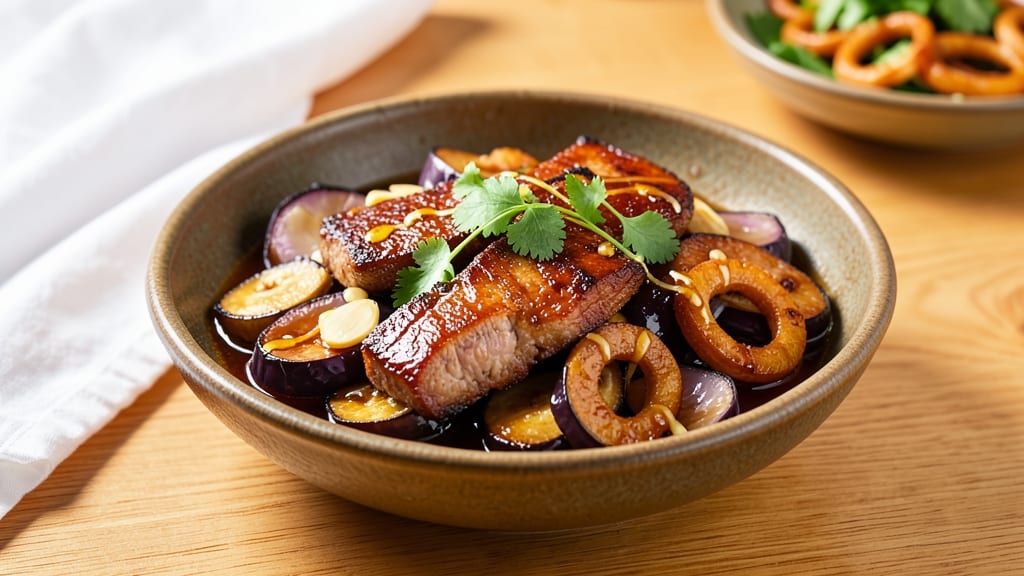
This adobong talong with pork recipe brings the rich, smoky flavors of Filipino comfort food to your kitchen. 🔥 The secret lies in slow-braising tender pork shoulder with eggplant in a tangy soy-vinegar sauce, creating melt-in-your-mouth textures and deep umami notes that balance perfectly.
After years of perfecting this dish in my Atlanta kitchen, I've developed a method that delivers restaurant-quality results with simple techniques you can master at home.
The beauty of this recipe is its versatility—it works equally well as a weeknight dinner or a centerpiece for gatherings. We start by searing the pork to develop rich flavors, then simmer everything together until the eggplant becomes tender and the sauce reduces to a glossy, caramelized perfection.
The key ingredients—soy sauce, vinegar, and garlic—create that signature tangy-savory balance that defines Filipino adobo dishes.
What you'll end up with is a dish that's hearty yet elegant, with fall-apart pork and eggplant swimming in a sauce that's both sweet and tangy. The aroma alone will have everyone gathering around the table, while the flavors satisfy even the most discerning eaters.
This recipe captures the soul of Filipino home cooking while making it accessible for any home kitchen.
The best part? Leftovers taste even better the next day as the flavors continue to meld. Serve it over steamed rice for the full experience, and don't be surprised if this becomes your new go-to weeknight meal. Let's get cooking with this authentic Filipino classic that's sure to impress.
Ingredients for adobong talong with pork
Pantry staples meet Filipino flavors in this smoky soy-braised pork and eggplant.
| Ingredient | Amount | Notes |
|---|---|---|
| Pork Shoulder 🥩 | 1 ½ lb | Bone-in for flavor, cut into chunks |
| Eggplant 🍆 | 2 medium | Filipino or Asian variety preferred |
| Soy Sauce 🍶 | ½ cup | Filipino or Japanese style preferred |
| White Vinegar 💧 | ¼ cup | Distilled white vinegar |
| Garlic Cloves 🧄 | 6 cloves | Minced for sauce |
| Onion 🧅 | 1 whole | Large, sliced thin |
| Tomatoes 🍅 | 2 medium | Roma or vine-ripened preferred |
| Olive Oil 🫒 | 2 tbsp | Extra-virgin for searing |
| Brown Sugar 🍚 | 2 tbsp | Light or dark preferred |
| Bay Leaves 🌿 | 2 whole | Dried, for depth of flavor |
| Black Peppercorns 🌶️ | ½ tsp | Crushed for seasoning |
| Salt 🧂 | 1 tsp | Kosher or sea salt |
The pork shoulder is the star—bone-in for extra flavor, but Costco or Whole Foods often have pre-cut chunks. Look for good marbling, which means juicier meat. Eggplant? Asian or Filipino varieties (like those from H Mart or 99 Ranch) are thinner-skinned and less seedy. If you can't find them, regular eggplant works, but you might want to peel the skin after cooking. The soy sauce and vinegar combo is non-negotiable for that signature tangy-savory balance—Filipino soy sauce (like Silver Swan) adds an extra layer of depth, but Japanese soy sauce works too.
No Asian eggplant? Regular eggplant is fine, but slice it thinner and add an extra 10 minutes to the cooking time. Short on soy sauce? Substitute with coconut aminos at 1:1 ratio. Vinegar too strong? Apple cider vinegar works, but cut the amount to 2 tbsp. Tomatoes can be swapped for tomato paste (1 tbsp) if you're in a pinch. The brown sugar is key for that caramelized sauce—coconut sugar is a great 1:1 substitute. For extra smokiness, add a dash of liquid smoke (just a pinch!).
Pork and eggplant keep for 3-4 days in the fridge—this dish actually tastes better the next day as the flavors meld. Freeze portions for up to 3 months if you're making a big batch. I always double the recipe because it disappears fast. Store in airtight containers with a splash of the sauce to keep everything moist. The sauce thickens as it cools, so add a splash of water when reheating for the perfect consistency.
Why You'll Love This Recipe
- One-Pan Magic: I swear by this—just toss everything into a single pot, and the pork and eggplant melt together. No chopping mountains of veggies or juggling multiple pans; the vinegar and soy sauce do all the heavy lifting while you stir.
- Garlic-Vinegar Kick: That tangy, slightly sweet punch from the white vinegar and soy sauce? It’s the kind of flavor that lingers. The garlic cloves, lightly fried until fragrant, turn this into something that tastes like a hug for your taste buds—no fancy spices needed.
- Lunchbox Hero: Between us, this is my go-to for meal prep. The eggplant soaks up the sauce perfectly, so reheating leftovers gives you that same restaurant-quality taste. Pack it in bento boxes or serve it cold—it’s equally good either way.
- Budget Stretch: Pork shoulder is forgiving, eggplant is cheap, and you’re using pantry staples. I’ve made this feed six people for under $20, and honestly? No one ever asks for seconds because it’s already gone by the second serving.
Step-by-step instructions for smoky soy-braised eggplant and pork
Here's how to create this rich, tangy Filipino classic with tender pork and glossy eggplant.
🔥 Step 1: Sear the Pork Shoulder Until Deeply Browned
Heat a large Dutch oven over medium-high heat and add 1 tablespoon of the olive oil. Working in batches to avoid crowding, add the 1.5 lb pork shoulder cut into chunks and sear for 4-5 minutes per side until deeply browned. You want that caramelized crust—it's the foundation of the flavor.
Once browned, remove the pork and set aside. Pour the remaining 1 tablespoon olive oil into the same pot and add the 1 whole onion sliced thin. Cook for 3-4 minutes until softened and just starting to turn golden. This step builds layers of flavor that'll infuse the entire dish.
🍳 Step 2: Build the Sauce Base with Aromatics and Tomatoes
Add the 6 cloves minced garlic and cook for 30 seconds until fragrant—don't let it burn. Toss in the 2 medium tomatoes chopped into chunks and cook for 3-4 minutes until they break down into a thick paste. This creates the perfect base for our sauce.
Real talk: if you see the garlic starting to brown too quickly, reduce the heat slightly. Garlic burns in seconds, and you want to preserve that sweet, aromatic flavor. The tomatoes should soften and release their juices, creating a thick, jam-like consistency.
🥘 Step 3: Combine All Ingredients and Simmer
Return the seared pork to the pot and add the 2 medium eggplant cut into 1-inch chunks, 0.5 cup soy sauce, 0.25 cup white vinegar, 2 tbsp brown sugar, 2 whole bay leaves, 0.5 tsp crushed black peppercorns, and 1 tsp salt. Stir everything together until well combined.
Bring the mixture to a gentle simmer over medium-low heat. Here's the thing—you want to maintain a steady simmer, not a rolling boil. Cover the pot with a lid and let it cook for 45-50 minutes, stirring occasionally. The eggplant should be tender when pierced with a fork, and the pork should be falling apart easily.
⏰ Step 4: Finish with Glossy, Tangy Perfection
Once everything is tender, increase the heat to medium-high and let the sauce reduce for 5-7 minutes uncovered. You're looking for a glossy, slightly thickened sauce that coats the back of a spoon. This is where the magic happens—the acidity from the vinegar and sweetness from the brown sugar meld together.
Taste and adjust seasoning if needed. I usually add a splash more soy sauce if it needs more depth or a bit more vinegar for tang. The dish should balance sweet, salty, and tangy flavors perfectly. Serve hot over steamed rice to soak up every delicious bite!
Pro Tips For Making Adobong Talong With Pork
- Brown the Pork: Sear the pork shoulder in small batches until deep golden—this isn’t just for looks. The crust locks in flavor and prevents the meat from turning rubbery later, especially when simmering in vinegar. I used to skip this, and the dish always tasted flat afterward.
- Salt the Eggplant: Toss sliced eggplant with 1 teaspoon of salt and let it sit 20 minutes before cooking. This draws out bitterness and excess moisture, so it absorbs the adobo sauce better instead of turning mushy. (Yes, even if you’re impatient like me.)
- Simmer Slow and Low: After the initial sear, reduce heat to a gentle simmer—think tiny bubbles, not a rolling boil. Rushing this step makes the pork shoulder tough and the vinegar taste harsh. My grandmother swore by this, and she was right: patience here makes all the difference.
- Deglaze with Vinegar: After browning the garlic, immediately pour in the white vinegar while scraping the pan—this lifts all the stuck-on bits and adds depth to the sauce. Skipping this step means losing flavor that’s already there. (Your future self will notice.)
Perfect pairings for adobong talong with pork
Rice Pairings
This dish is a match made in heaven with steamed jasmine rice—its delicate floral aroma complements the rich, tangy sauce beautifully. I always serve it with long-grain white rice for that perfect balance of texture.
For extra depth, try garlic fried rice as a side, where the nutty garlic flavor enhances the dish's savory notes. 🍚
Looking for something more adventurous? Sticky rice (like glutinous rice) adds a fun texture contrast, especially if you drizzle a bit of the sauce over the top. I’ve also seen this dish paired with rice porridge (lugaw) for a comforting, hearty meal that’s perfect for cooler evenings.
Vegetable Sides
A simple steamed bok choy or Chinese broccoli adds freshness to cut through the richness of the pork and eggplant. The crisp-tender texture and mild flavor make them ideal companions.
I like to toss them with a pinch of sesame oil and a sprinkle of toasted sesame seeds for extra crunch. 🥬
For a heartier side, sautéed string beans with garlic and a splash of soy sauce bring a satisfying bite. If you’re feeling indulgent, crispy fried shallots scattered on top of the rice add a delightful crunch and aromatic punch.
Protein Additions
Want to make this a full-on feast? Add grilled shrimp or sautéed scallops to the table for a seafood twist. The briny sweetness of shrimp pairs exceptionally well with the tangy sauce.
I’ve also served this dish alongside crispy pork belly slices for an extra layer of texture and flavor. 🍤
For a vegetarian-friendly option, tofu cubes marinated in soy sauce and sesame oil work surprisingly well. They soak up the flavors beautifully and add a nice contrast to the rich pork and eggplant.
Beverage Pairings
A cold Filipino iced coffee or tsokolate (Filipino hot chocolate) balances the dish’s savory and tangy notes perfectly. The bittersweet cocoa and creamy texture make it a refreshing contrast. For something lighter, mango juice or calamansi juice adds a bright, citrusy tang that cleanses the palate. ☕
If you prefer beer, a Filipino lager like San Miguel or Red Horse complements the dish’s rich flavors without overpowering them. For wine lovers, a dry Riesling or Sauvignon Blanc offers a crisp acidity that pairs beautifully with the tangy sauce.
Nutrition facts
Frequently asked questions
Why does my adobong talong sauce turn out too watery?
This usually happens when you don't reduce the sauce enough at the end. After simmering the ingredients, increase heat to medium-high and cook uncovered for 5-7 minutes to thicken it. If it's still too thin, remove the lid and reduce for another 3-5 minutes while stirring occasionally. The sauce should coat the back of a spoon when done.
Can I use regular eggplant instead of Filipino eggplant?
Yes, but with a few adjustments. Regular eggplant has thicker skin, so slice it thinner (½-inch chunks) and add 5-10 extra minutes to the cooking time. For best results, peel the skin after cooking if you prefer a smoother texture. The flavor won't be identical, but it'll still work well in the dish.
How do I prevent the pork from becoming dry?
Low and slow is key! After searing, simmer the pork on medium-low heat for the full 45-50 minutes covered. Avoid boiling, which can make the meat tough. If you're short on time, use a 6-inch piece of pork shoulder instead of 1.5 lbs—smaller cuts cook faster while staying juicy.
What can I substitute if I don't have white vinegar?
Apple cider vinegar or rice vinegar work well, but reduce the amount to 2 tablespoons since they're milder. For a non-vinegar option, try lemon juice (same amount) or even a splash of pineapple juice (which adds subtle sweetness). The acidity is crucial for balancing the soy sauce's saltiness.
Can I make this dish in a slow cooker?
Sear the pork and onions as directed, then transfer everything to a 6-quart slow cooker. Cook on LOW for 6-7 hours or HIGH for 3-4 hours until tender. Skip the final sauce reduction step—just serve it as-is. The slow cooker method actually enhances the tenderness of both pork and eggplant.