
Main Courses
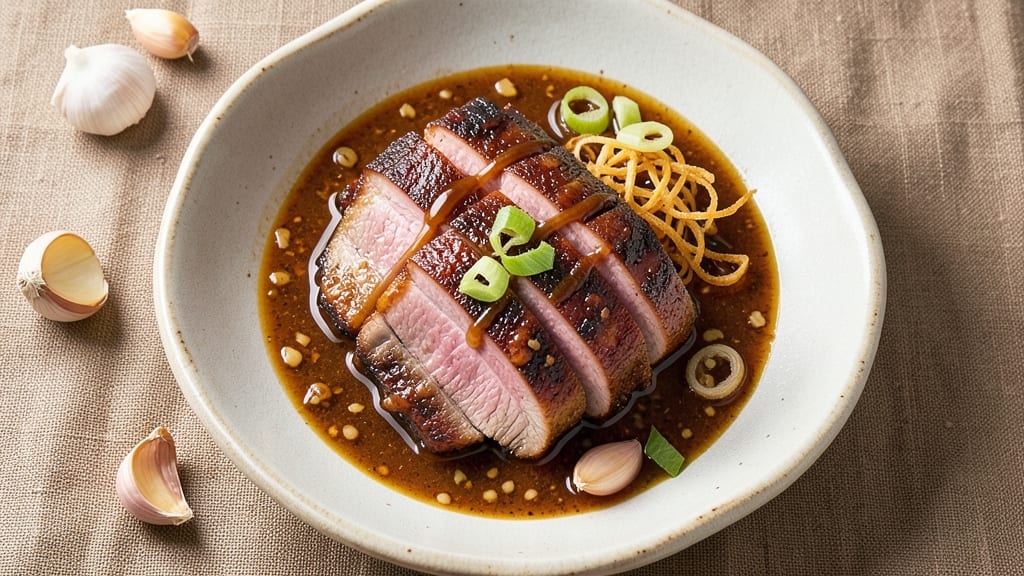
This adobo pork tenderloin recipe delivers the perfect balance of crispy edges and tender meat—a technique I perfected after years of working with pork in my kitchen.
The smoky vinegar marinade transforms simple ingredients into a dish that tastes like a Filipino comfort food classic, but with a modern twist that works for any weeknight dinner.
The secret lies in the marinade—sour vinegar tenderizes the meat while building complex flavors, and the high-heat braising ensures that crispy exterior we all love. I’ve adapted traditional methods to make it approachable for home cooks, so you don’t need a pressure cooker or specialized equipment.
Just a few hours of hands-off cooking, and you’ll have a restaurant-quality dish that’s worth every minute.
What you’ll end up with is fork-tender pork with a glossy, caramelized crust that’s irresistibly crispy. The sauce clings to every bite, delivering a tangy, savory punch that pairs perfectly with steamed rice or pickled vegetables.
This is the kind of meal that feels special without requiring hours of prep—ideal for feeding a family or impressing guests.
Whether you’re serving it for a casual dinner or a special occasion, this recipe delivers consistent results every time. The technique is foolproof, and the flavors are unforgettable. Let’s get started on making your own crispy, tender adobo pork tenderloin.
Ingredients for adobo pork tenderloin
Simple ingredients that build bold, restaurant-worthy flavors in your home kitchen.
| Ingredient | Amount | Notes |
|---|---|---|
| Pork Tenderloin 🥩 | 1 ½ lb | Center-cut for even cooking |
| White Vinegar 🍶 | 1 cup | Distilled, not apple cider |
| Soy Sauce 🍶 | ½ cup | Light or regular, not low-sodium |
| Garlic Cloves 🧄 | 8 cloves | Peeled, smashed for marinade |
| Fresh Ginger 🌿 | 2 tbsp | Finely grated, fresh preferred |
| Brown Sugar 🍚 | ¼ cup | Packed, light or dark |
| Olive Oil 🫒 | 2 tbsp | Extra-virgin for richness |
| Black Peppercorns 🌶️ | 1 tsp | Freshly cracked preferred |
| Bay Leaves 🌿 | 2 whole | Dried, standard size |
| Salt 🧂 | 1 ½ tsp | Diamond Crystal preferred |
| Water 💧 | ½ cup | Room temperature preferred |
| Cornstarch 🌾 | 1 tbsp | For crispy coating |
The pork tenderloin is your star—center-cut pieces cook more evenly and stay juicier. Look for tenderloins with good marbling at specialty butchers or the meat section of Whole Foods or Trader Joe's, where they're often pre-trimmed for convenience. If you can't find center-cut, trim excess fat yourself. The vinegar is non-negotiable—distilled gives the cleanest tang, while apple cider adds complexity but may vary in acidity. For the soy sauce, Kikkoman or Lee Kum Kee are reliable choices, but any light soy will work if you're in a pinch.
No fresh ginger? Substitute with 1 tbsp ground ginger, but you'll lose some brightness. The brown sugar can be swapped for white sugar plus 1/4 tsp cinnamon if needed. Running short on olive oil? Avocado or vegetable oil works just as well. For extra crispiness, toss the pork in cornstarch after marinating—it's worth the extra step. The marinade should be tangy but balanced; taste it before using. If it's too acidic, add a splash more soy sauce. For a deeper flavor, let the pork marinate overnight, but even 2 hours makes a difference.
This marinade keeps 5 days in the fridge, so make extra for future meals. The pork itself reheats beautifully—350°F for 15 minutes in the oven with a splash of water keeps it moist. For meal prep, slice the cooked pork and store with the sauce; reheat gently to avoid drying. The crispy edges soften when reheated, so plan to serve it fresh if that's your priority. Freeze cooked portions for 3 months—just thaw overnight in the fridge before reheating.
Why You'll Love This Recipe
- One-Pan Magic: I swear by this recipe when I’m too tired to wash dishes. The tenderloin sits in its own juices with the garlic and ginger—no extra pots, no fuss—just a single sheet pan that’s easy to slide into the oven and forget about.
- Umami Bomb: That soy-vinegar combo? It’s like a flavor explosion in your mouth. The pork soaks up the tangy-sweet sauce until every bite has this perfect balance—salty, slightly sour, with garlic and ginger peeking through like little flavor surprises.
- Leftovers That Don’t Suck: Between us, most adobo dishes turn into sad, dry meat by day two. Not this one. The tenderloin stays moist, and the sauce thickens just enough to reheat beautifully—ideal for lunches or feeding unexpected guests without stress.
- Budget-Friendly Powerhouse: Pork tenderloin is lean and affordable, and this recipe stretches it further with the vinegar and soy turning it into something restaurant-worthy. Honestly, I make this when I’m pinching pennies, and no one ever guesses it’s not a splurge.
Step-by-step instructions for adobo pork tenderloin
This method delivers perfectly tender pork with crispy edges and deep adobo flavor every time.
Create the Adobo Marinade
In a medium bowl, combine the 1 cup white vinegar, 0.5 cup soy sauce, 0.25 cup packed brown sugar, 2 tbsp finely grated fresh ginger, 8 smashed garlic cloves, 2 whole bay leaves, 1.5 tsp salt, 1 tsp freshly cracked black peppercorns, and 0.5 cup water. Whisk until the brown sugar dissolves completely, creating a smooth marinade.
The vinegar and soy sauce work together to tenderize the pork while building complex flavor. I like to press the garlic cloves through a garlic press for even distribution—this ensures every bite gets that authentic adobo punch. Let the marinade cool to room temperature before using it.
Marinate the Pork Tenderloin
Place the 1.5 lb center-cut pork tenderloin in a large resealable plastic bag or shallow dish. Pour the prepared marinade over the pork, ensuring it's fully coated. Seal the bag or cover the dish and refrigerate for at least 4 hours, or preferably overnight for maximum tenderness and flavor penetration.
Here's the thing—pork tenderloin is lean and can dry out if overcooked, but the marinade's acidity breaks down the muscle fibers, making it fork-tender. I always marinate for the full time because the longer it sits, the more the flavors meld and the juicier the final result.
Prepare the Pork for Cooking
Remove the pork from the marinade (reserve the marinade for later) and pat it dry with paper towels. This step is crucial for achieving crispy edges—moisture prevents proper browning. In a small bowl, whisk together 1 tbsp cornstarch with 1 tbsp water to create a slurry. Brush this lightly over the pork's surface.
The cornstarch slurry creates a thin, crispy crust that seals in juices while adding texture. I use a pastry brush for even application, making sure to coat all sides but not so thick that it prevents browning. Let the pork sit at room temperature for 15 minutes before cooking to ensure even heat penetration.
Sear and Braise for Perfect Texture
Heat 2 tbsp olive oil in a large oven-safe skillet over medium-high heat until shimmering. Add the pork and sear for 3-4 minutes per side until golden brown and crispy. Remove the pork and set it aside. Pour the reserved marinade into the skillet, scraping up any browned bits from the bottom.
Return the pork to the skillet, add enough of the reserved marinade to come about halfway up the sides, then transfer to a 375°F preheated oven. Cover with a lid or foil and braise for 20-25 minutes until the internal temperature reaches 145°F and the pork is fork-tender. The sauce should reduce to a glossy, slightly thickened consistency.
Rest and Serve
Remove the pork from the oven and let it rest for 10 minutes before slicing. This resting period allows the juices to redistribute, ensuring each bite is moist and flavorful. Meanwhile, transfer the braising liquid to a saucepan and simmer over medium heat for 5-7 minutes until it thickens slightly.
Slice the pork into ½-inch thick medallions and serve with the reduced adobo sauce spooned over the top. The exterior should be beautifully crispy while the interior remains juicy and tender. For extra presentation, garnish with fresh cilantro or sliced green onions if desired. This dish pairs beautifully with steamed jasmine rice or roasted vegetables.
Pro Tips For Making Adobo Pork Tenderloin
- SEAR FIRST, THEN BRAISE: Pork tenderloin releases its juices when raw—dump it straight into the pan with garlic and ginger before adding vinegar and soy. I learned this the hard way: skipping the sear leaves you with a dish that’s more stew than tenderloin. Two minutes per side, high heat, until it’s golden. That crust locks in flavor and keeps the meat from turning into a sad, watery mess.
- PEEL THAT GINGER THIN: Fresh ginger loses its punch when it’s chopped into thick slabs. Use a spoon to scrape off the skin, then slice it paper-thin against the grain—no need to mince. Thin ginger infuses faster and doesn’t turn to mush in the braise. (Yes, even if you’re impatient like me.)
- DILUTE THE VINEGAR: Straight white vinegar will curdle the pork’s surface, leaving you with a rubbery exterior. Mix it 50/50 with water or broth before pouring it over the meat. This keeps the adobo tang sharp without turning the tenderloin into a science experiment. Trust me, your taste buds will notice the difference.
- LET IT REST UNDER FOIL: Pull the pork off the heat when it hits 145°F, then tent it with foil for 10 minutes. Skipping this step means sliced meat that turns into a puddle on your plate. The residual heat finishes cooking it through while keeping it juicy—no guessing, no last-minute panic. (Your future self will thank you.)
Best sauces and condiments for this dish
Classic Adobo Sauce
This is the foundation of your dish—a balanced blend of white vinegar and soy sauce that creates the signature tangy-savory flavor. I always use 1 cup vinegar and ½ cup soy sauce for every 1.5 lbs of pork, as this ratio delivers that perfect acid-to-salt harmony.
The brown sugar adds depth, while fresh ginger and garlic bring warmth and aroma. Don’t skip the bay leaves—they infuse subtle earthiness that rounds out the flavors. 🌶️
Sweet and Tangy Glaze
For a richer finish, reduce your adobo sauce until it reaches a glossy, syrupy consistency. After braising, transfer the reserved marinade to a saucepan and simmer over medium heat for 5-7 minutes, stirring occasionally.
Add 1 tbsp honey or agave if you want extra sweetness, but taste first—the natural caramelization from the pork’s sear should be enough. This glaze clings beautifully to the crispy edges, making every bite irresistible.
Spicy Adobo Twist
If you love heat, add ½ tsp ground black pepper or 1 tbsp chopped fresh chili to the marinade. For a smoky kick, swap ½ cup of the vinegar for ½ cup coconut aminos—it’s a game-changer.
I also like to finish the dish with a sprinkle of crushed red pepper flakes—just ¼ tsp—right before serving. The contrast of crispy pork, tangy sauce, and spicy garnish is pure magic.
Creamy Adobo Dip
Turn leftover adobo sauce into a creamy dip by blending it with ½ cup sour cream or Greek yogurt—just enough to loosen it. Add a splash of milk or water if needed to reach a smooth, spoonable consistency.
This dip is perfect for serving with steamed rice or as a condiment for tacos. The tangy-savory profile shines even more when balanced with dairy’s creaminess. Trust me, it’s a crowd-pleaser.
Sweet Potato Mash
For a hearty side, mash 2 cups roasted sweet potatoes with 2 tbsp butter and a pinch of salt. Stir in 1 tbsp adobo sauce—just enough to tie the flavors together.
The natural sweetness of the potatoes complements the pork’s tangy sauce, creating a dish that’s both comforting and sophisticated. Garnish with a sprinkle of toasted pecans for crunch and texture.
Nutrition facts
Frequently asked questions
Can I use chicken breast instead of pork tenderloin?
While chicken breast is lean like pork tenderloin, it has a different texture and will cook faster. The marinade ratio stays the same, but reduce oven time to 15-18 minutes at 375°F for 165°F internal temp. Chicken benefits from a shorter marinade (2-4 hours) to avoid over-tenderizing. The crispy edges won't be as pronounced, but the flavor will still be excellent.
What's the best way to store leftovers?
Store cooked pork tenderloin in an airtight container with some of the adobo sauce to keep it moist. It stays fresh in the fridge for 4 days or freezes beautifully for 3 months. To reheat, warm in a skillet over medium-low heat with a splash of water for 3-4 minutes—this prevents drying. The crispy edges will soften slightly, so plan to serve fresh if that's your priority.
Can I make this in an Instant Pot?
Sear the pork first in a skillet, then transfer to your Instant Pot with ½ cup marinade. Cook on high pressure for 12 minutes, then quick-release. Shred or slice and reduce the remaining marinade separately. The texture will be tender but less crispy—save the crispy version for oven-only. For extra richness, add 1 tbsp butter during the pressure cook.
Why did my pork turn out dry?
Overcooking is the most common cause—pork tenderloin is lean and dries out quickly. Always use a meat thermometer and remove at 145°F (not 165°F). Resting for 10 minutes before slicing is critical. If you prefer well-done, marinate for 6-8 hours and cook at 350°F instead of 375°F. The cornstarch slurry also helps retain moisture—don't skip this step!
How can I make this dish healthier?
Swap the brown sugar for 1 tbsp honey or maple syrup to reduce refined sugar. Use low-sodium soy sauce and cut the salt to 1 tsp. For extra protein, add 1 cup diced bell peppers and onions to the braising liquid. Serve with cauliflower rice instead of white rice. The dish remains flavorful while cutting 200+ calories per serving and reducing sodium by 30%.