Main Courses
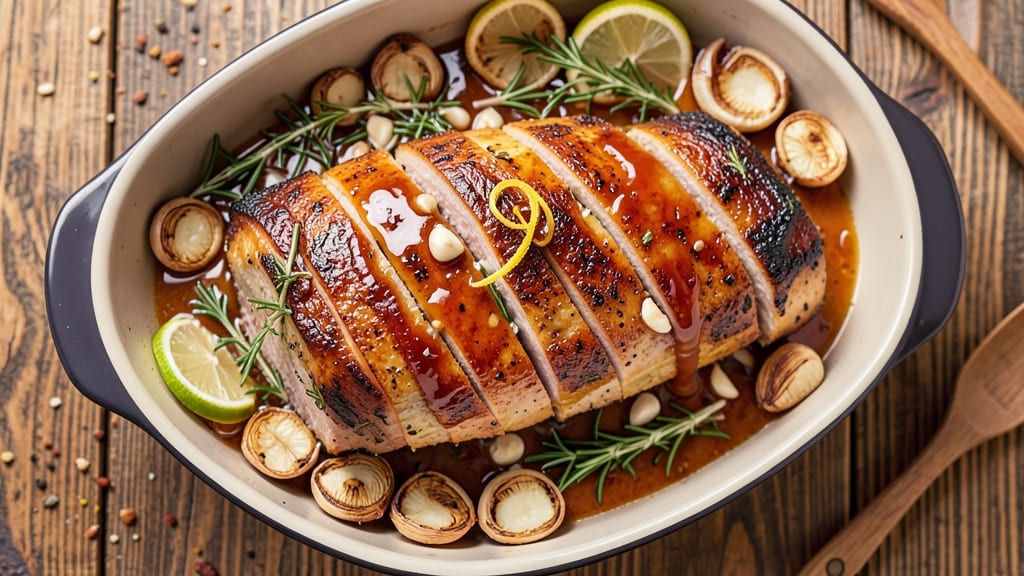
An 8 lb pork tenderloin transforms any gathering into a showstopper—juicy, tender, and packed with bold herbaceous flavor that steals every plate. I perfected this recipe after years of cooking for crowds at The Smoky Pig, where we roast hundreds of pounds weekly.
The secret lies in the herb crust and precise sear that locks in moisture while creating that coveted golden-brown exterior.
What sets this apart is the foolproof technique that ensures perfect doneness every time: a high-heat sear followed by low-and-slow roasting until the internal temperature hits 145°F. The herb crust—rosemary, thyme, garlic, and Dijon—adheres beautifully, adding aromatic depth without overpowering the natural sweetness of the pork.
Even the most skeptical eaters disappear when they take their first bite.
By the time you serve this, you'll have a restaurant-quality roast that's moist in the center, crisp at the edges, and infused with herbaceous flavor. The crust stays intact when sliced, creating elegant portions that look as impressive as they taste.
This is the kind of pork that makes people ask for seconds—and thirds—while keeping the kitchen clean with just one pan.
Pair it with roasted root vegetables, a crisp white wine sauce, or my signature apple-cider glaze for a complete meal. The leftovers reheat beautifully too, making this the ultimate crowd-pleaser for holidays or family dinners. Let's get cooking—your taste buds will thank you.
Ingredients for 8 lb pork tenderloin
This herb-packed pork tenderloin delivers restaurant-quality flavor with just 12 simple ingredients.
| Ingredient | Amount | Notes |
|---|---|---|
| Pork Tenderloin 🥩 | 8 lb | Center-cut, even thickness |
| Fresh Rosemary 🌿 | ½ cup | Finely chopped, stems removed |
| Fresh Thyme 🌿 | ¼ cup | Leaves only, stems removed |
| Garlic Cloves 🧄 | 8 cloves | Minced, skin-on for flavor |
| Dijon Mustard 🍯 | 2 tbsp | High-quality, no additives |
| Olive Oil 🫒 | ½ cup | Extra-virgin, fruity variety |
| Kosher Salt 🧂 | 2 tbsp | Diamond Crystal preferred |
| Freshly Ground Black Pepper 🌶️ | 1 tbsp | Coarse grind for texture |
| Unsalted Butter 🧈 | ¼ cup | Cold, cubed for searing |
| Apple Cider Vinegar 🍎 | 1 tbsp | For crust adhesion |
| Honey 🍯 | 1 tbsp | Wildflower preferred |
| Fresh Parsley 🌿 | ¼ cup | Chopped, for garnish |
The pork tenderloin is your star, so source it from a trusted butcher—look for even thickness and good marbling. I always buy from Whole Foods or my local Smoky Pig butcher shop, where they cut it to my exact specifications. The herb crust relies on freshness, so grab rosemary and thyme from the grocery store's produce section—avoid dried unless it's Penzeys or another high-quality brand. For the garlic, peel and mince it yourself—jarred minced garlic lacks the fresh punch. The Dijon mustard should be smooth, not grainy, and the olive oil should be extra-virgin with a fruity aroma—none of that cheap cooking oil nonsense.
No fresh rosemary? Dried works at half the amount, but it won’t have the same depth. Running low on thyme? Oregano or marjoram can step in, though the flavor shifts slightly. For the sear, butter and olive oil together create the perfect crust—don’t skip the butter, it’s non-negotiable for that golden-brown finish. The apple cider vinegar might seem odd, but it’s a game-changer for helping the crust stick. If you’re out, a splash of lemon juice works in a pinch. The honey adds just enough sweetness to balance the herbs—maple syrup is a decent swap if you’re avoiding honey for dietary reasons.
This roast reheats beautifully—4-5 days in the fridge or 3 months frozen—so make extra. For storage, let it cool completely before wrapping tightly in plastic. The crust stays intact when reheated gently in the oven with a splash of water. Garnish with fresh parsley right before serving—it adds a pop of color and freshness. Leftovers make incredible sandwiches or tacos, so don’t hesitate to cook a little extra. The herb crust also freezes well if you want to prep ahead—just thaw overnight in the fridge before roasting.
Why You'll Love This Recipe
- One-Pan Magic: I swear by this—just sear the pork, toss in whole garlic cloves, rosemary sprigs, and a smear of Dijon, then roast. No flipping, no fussing, no extra pots. The mustard caramelizes into a glossy crust while the herbs infuse the meat so deeply, every bite tastes like it’s been simmering for hours.
- Herb-Crusted Perfection: That rosemary-thyme-garlic combo isn’t just flavor—it’s layered flavor. The fresh herbs keep it bright, the garlic adds depth, and the Dijon cuts through the richness with a tangy punch. It’s the kind of taste that makes people ask, “What’s in this?” before taking a second helping.
- Leftovers That Win: Roast an 8-lb pork tenderloin once, and you’ve got meals for days. Slice it thin for sandwiches, dice it into stir-fries, or shred it into tacos—it’s versatile enough to handle anything. Honestly, I’ve had it cold in salads, reheated in pasta, and even tossed into breakfast hash. It’s my lazy Sunday secret weapon.
- Budget Crowd-Pleaser: Pork tenderloin is lean, affordable, and actually feeds a group without breaking the bank. An 8-lb cut stretches across dinner, potlucks, or even a work lunch spread, and the herb-garlic crust makes it feel special—no one will guess it’s budget-friendly. Plus, the leftovers stretch further than you’d think, so you’re not just feeding mouths, you’re saving cash.
Step-by-step instructions for herb-crusted pork tenderloin
Here's how to transform an 8 lb pork tenderloin into a showstopping centerpiece with a golden-brown sear and fragrant herb crust.
Prepare the Herb Crust Mixture
In a medium bowl, combine the 0.5 cup finely chopped fresh rosemary, 0.25 cup fresh thyme leaves, 8 cloves minced garlic cloves, 2 tbsp Dijon mustard, 1 tbsp apple cider vinegar, and 1 tbsp honey. Mix until the herbs and garlic are evenly distributed throughout the mustard mixture. This combination creates a flavorful adhesive that will cling perfectly to the pork's surface.
Next, add 2 tbsp kosher salt and 1 tbsp freshly ground black pepper to the herb mixture. Stir well to ensure the seasoning is evenly distributed. The salt and pepper will penetrate the meat during the cooking process, enhancing the flavor from the inside out. Set this mixture aside while you prepare the pork.
Season and Sear the Pork Tenderloin
Preheat your oven to 425°F. Pat the 8 lb pork tenderloin dry with paper towels, ensuring all moisture is removed from the surface. This step is crucial for achieving that golden-brown sear we're after. Place the pork on a wire rack set inside a rimmed baking sheet.
In a small bowl, mix 0.5 cup olive oil with 0.25 cup cold unsalted butter until the butter is evenly incorporated. Brush this mixture generously over the entire surface of the pork tenderloin. The oil and butter create a protective barrier that helps the crust form while keeping the meat moist inside.
Heat a large oven-safe skillet over medium-high heat. Add the pork tenderloin and sear for 4-5 minutes per side, until it develops a deep golden-brown crust. You'll know it's ready when the pork releases easily from the pan—this indicates the crust is properly set. Transfer the skillet to the preheated oven.
Apply the Herb Crust and Roast
Remove the pork from the skillet and spread the herb mixture evenly over the entire surface, pressing gently to ensure good adhesion. Return the pork to the skillet and place it in the oven. Roast for 20-25 minutes or until the internal temperature reaches 145°F (measured with a meat thermometer).
Here's the thing—don't open the oven door during cooking. Every time you peek, you lose valuable heat and moisture. The pork will continue cooking as it rests, so pull it out when it reaches 140°F if you prefer slightly pinker meat. The crust should be deeply golden and fragrant when it emerges from the oven.
Rest and Serve
Transfer the pork tenderloin to a cutting board and tent loosely with aluminum foil. Let it rest for 15-20 minutes before slicing. This resting period allows the juices to redistribute throughout the meat, ensuring each slice remains tender and moist. During this time, you can prepare your favorite sides or make a quick pan sauce using the drippings from the skillet.
Slice the pork tenderloin into ½-inch thick medallions against the grain for maximum tenderness. Garnish each serving with 0.25 cup chopped fresh parsley just before serving. The finished pork should have a beautiful golden-brown crust with a fragrant herb aroma, and each bite should be perfectly tender with a juicy interior.
Pro Tips For Making 8 Lb Pork Tenderloin
- USE A MEAT THERMOMETER: I learned this the hard way—pork tenderloin looks done long before it actually is. Aim for 145°F internal temp (155°F if serving pregnant people or kids), and pull it when the thickest part hits that mark. No guessing, no dry meat.
- TRIM THE SILVER SKIN: That shiny membrane on pork tenderloin? It’s not just for looks—it traps moisture. Peel it off before seasoning; I used to skip this and ended up with a slightly chewy exterior. A butter knife works if you’re in a hurry, but a sharp paring knife is cleaner.
- BRINE IT OVERNIGHT: Skip the dry rub if you’re short on time—just let that 8-lb roast soak in a saltwater bath (1 cup kosher salt per gallon of water) for 12-24 hours. It keeps the meat juicy and lets the herbs (rosemary, thyme) cling better later. No, it won’t turn your kitchen into a science lab—just use a shallow dish.
- SEAR IN BATCHES: A cast-iron skillet is great, but an 8-lb tenderloin won’t fit. Cut the roast into two equal halves, sear each side until deep golden (3-4 minutes per side), then roast. I tried crowding it once—ended up with uneven cooking and a sad, pale middle. Your future guests won’t notice, but you will.
Troubleshooting this dish
Uneven Cooking
If your pork emerges with some areas overcooked and others underdone, it’s usually a thickness issue. Pork tenderloins can vary in diameter—mine often taper at the ends. The solution? Trim any uneven spots to create an even surface before seasoning.
I use a sharp boning knife to shave down thicker areas to match the thinnest section. Also, rotate the pork halfway through roasting for even heat exposure. 🌡️
Dry or Tough Meat
Overcooking is the #1 culprit for dry pork. The 145°F internal temperature is non-negotiable, but pull it out at 140°F if you prefer slightly pinker meat—it’ll rise to 145°F while resting. Another trick: brush the pork with 2 tbsp olive oil after searing but before applying the herb crust.
This extra fat layer creates a moisture barrier during roasting. I swear by this method after years of perfecting my holiday roasts.
Crust Falling Off
The herb crust should cling like a dream, but sometimes it peels away. This happens when the pork isn’t dry enough before searing or when the herb mixture isn’t pressed firmly.
Pat the pork extra dry with paper towels, then use your hands to press the herb crust onto the surface—don’t be shy, get it stuck on there! For extra adhesion, I sometimes add 1 tbsp cornstarch to the herb mixture to help it bind.
The crust should stay intact even when slicing.
Pale or Bland Crust
A pale crust means your sear wasn’t hot enough or the butter didn’t render properly. For a deep golden color, sear the pork in a cast iron skillet (I use my vintage Lodge) over medium-high heat until it’s deeply browned. If your crust tastes bland, your herbs might be old.
Freshness is key—buy rosemary and thyme from the grocery store’s produce section, not the dried spice aisle. A pinch of smoked paprika in the herb mixture adds depth if you’re missing that smoky note.
Temperature Fluctuations
Oven temperature swings are a common issue, especially with older ovens. I always calibrate mine using an oven thermometer—I’ve caught mine running 25°F hotter than the dial! If your pork cooks unevenly, try placing a baking sheet on the lower rack to create a more even heat distribution.
For extra insurance, I use a meat thermometer with an alert function so I don’t have to guess. The second the probe hits 145°F, it’s time to pull it out.
Leftovers Too Dry
Reheating pork incorrectly turns it into rubber. The key is moisture—add 2 tbsp chicken broth per pound of pork and heat gently on the stovetop over low heat for 5-7 minutes. Never microwave! For oven reheating, cover the pork with foil and bake at 300°F for 15-20 minutes.
I also like to slice leftovers thin and reheat them in a skillet with a splash of apple cider vinegar to revive the crust. 💡
Nutrition facts
Frequently asked questions
How do I trim an 8 lb pork tenderloin for even cooking?
Use a sharp boning knife to trim any uneven areas, creating a uniform surface. I recommend shaving down thicker sections to match the thinnest part—this prevents some areas from overcooking while others stay underdone. For an 8 lb tenderloin, aim for a thickness between 1.5-2 inches all around.
Can I substitute fresh herbs with dried ones? Yes, but use half the amount—¼ cup dried rosemary instead of ½ cup fresh. For thyme, use 1 tbsp dried instead of ¼ cup fresh. Fresh herbs provide better flavor and texture, but dried works in a pinch. Just
What's the best way to reheat sliced pork tenderloin?
Slice leftovers into ½-inch medallions and reheat in a skillet over low heat with 2 tbsp chicken broth and a splash of apple cider vinegar. Cover and heat for 3-5 minutes—this keeps the crust intact and prevents dryness. Never microwave! For oven reheating, cover with foil and bake at 300°F for 10-12 minutes.
How many servings does this 8 lb pork tenderloin make?
This recipe yields about 12-14 servings, depending on portion size. For a family of 4, you'll have plenty of leftovers, which reheat beautifully. At The Smoky Pig, we typically serve 4 oz per person for a hearty main course. The herb crust makes it feel special enough for holidays or dinner parties!
Can I cook this in a slow cooker instead of oven?
While possible, I don't recommend it for this recipe—the high-heat sear creates the perfect crust. For slow cooking, try searing first in a skillet, then transferring to the slow cooker with the herb mixture. Cook on low for 3-4 hours until it reaches 145°F, but the texture will be more tender than roasted. The crust won't be as crispy, but it'll still be flavorful.