Main Courses
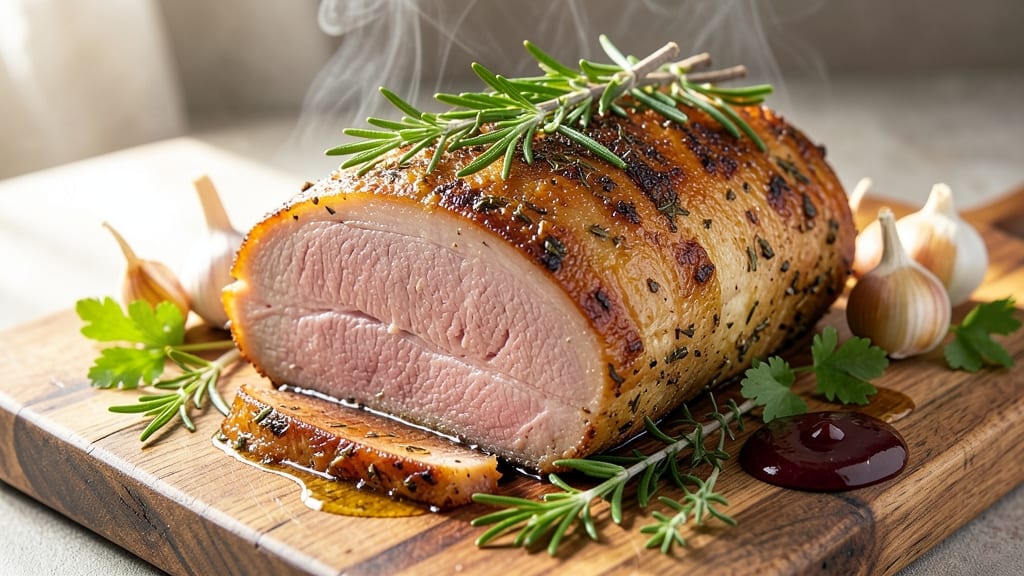
This 2-pound pork loin roast recipe delivers restaurant-quality results with a herb-crusted exterior and juicy pink centers—the kind of tender, flavorful roast that makes weeknight dinners feel special.
As someone who's cooked thousands of pounds of pork, I know the secret lies in proper seasoning, precise temperature control, and letting the meat rest before slicing. The herb crust adds aromatic depth while keeping the interior moist and succulent.
The beauty of this recipe is its simplicity: just a few pantry staples and 30 minutes of prep transform a basic pork loin into something extraordinary.
We'll use a blend of fresh herbs, garlic, and Dijon mustard to create that signature crust, then roast it at the perfect temperature to achieve 145°F internal heat—hot enough to be safe but still tender enough to please even the most critical palates.
The key is patience; letting the roast rest for 15 minutes after cooking ensures every slice stays juicy.
What you'll end up with is a perfectly golden, herb-infused roast that practically falls apart at the touch of a fork. The crust is fragrant and slightly crisp, while the interior remains tender and pink—just as it should be.
This is the kind of pork roast that disappears quickly at family gatherings or becomes the star of a simple weeknight meal. The best part? It's foolproof once you know the technique.
Serve it with roasted potatoes, a crisp green salad, or your favorite apple sauce for a complete meal. This recipe scales beautifully too, so you can easily double it for larger gatherings. Let's get started on creating your most impressive pork roast yet—one that'll have everyone asking for seconds.
Ingredients for 2 pound pork loin roast
Pantry staples plus fresh herbs make this roast shine—simple but restaurant-worthy.
| Ingredient | Amount | Notes |
|---|---|---|
| Pork Loin Roast 🍖 | 2 lb | Center-cut, bone-in preferred |
| Fresh Rosemary 🌿 | ¼ cup | Finely chopped, stems removed |
| Fresh Thyme 🌿 | ¼ cup | Leaves only, stems discarded |
| Fresh Parsley 🌿 | ¼ cup | Flat-leaf preferred, chopped |
| Garlic Cloves 🧄 | 6 cloves | Minced, not powdered |
| Dijon Mustard 🍯 | 2 tbsp | High-quality for flavor |
| Extra-Virgin Olive Oil 🫒 | 2 tbsp | For crust, fruity variety |
| Kosher Salt 🧂 | 1 ½ tsp | Diamond Crystal preferred |
| Freshly Ground Black Pepper 🌶️ | 1 tsp | Cracked peppercorns |
| Unsalted Butter 🧈 | ¼ cup | Softened, for basting |
| Apple Cider Vinegar 🍎 | 1 tbsp | For tenderizing (optional) |
| Red Wine 🍷 | ½ cup | Dry, for basting (optional) |
The pork loin is the star, so look for center-cut, bone-in at your butcher—the bone helps retain moisture. Costco or Whole Foods usually have great options, but your local grocery store's meat counter works too. If you can't find bone-in, a boneless loin still works, but trim any excess fat. The herbs? Fresh is non-negotiable here—dried just won't give that same aromatic punch. I always grab extra rosemary because it holds up better than thyme during cooking. Store your herbs in damp paper towels in the fridge until ready to use—keeps them fresh for 5-7 days.
No Dijon mustard? Yellow mustard at half the amount works in a pinch, but you'll lose some depth. Fresh herbs not an option? Dried at one-third the quantity, but toast them first in a dry pan for 30 seconds to wake up the flavors. The apple cider vinegar is optional but worth it—it tenderizes the meat beautifully. If you skip it, just make sure your pork isn't overly tough to begin with. For the red wine, any dry red works—Cabernet Sauvignon, Merlot, whatever's open. If you're avoiding alcohol, extra chicken or vegetable broth makes a great substitute for basting.
This roast tastes even better the next day, so make extra if you can. Store leftovers in an airtight container in the fridge for up to 4 days, or freeze for 3 months. I like to portion mine into individual servings before freezing—just reheat in the oven at 325°F for 15 minutes. The crust gets crispy again when reheated, and the interior stays juicy. For serving, let it rest for 15 minutes before slicing—that's when all the juices redistribute, making every bite perfect.
Why You'll Love This Recipe
- Foolproof Timing: I swear by this—just sear the roast, stuff it with garlic and herbs, and let the oven do the work. No babysitting, no stress. That rosemary and thyme smell alone tells me dinner’s handled.
- Herb-Packed Magic: The moment I pull that roast out, crispy on the outside with juicy perfection inside, I know I nailed it. Fresh parsley and garlic turn simple pork into something that makes people ask, "What’s in this?"—and I get to say, "Just love."
- Weeknight Crowd-Pleaser: This feeds six without breaking the bank, and honestly? Leftovers taste even better the next day. Slice it thin for sandwiches, or cube it for stir-fries—it’s my go-to for busy nights when I need one dish to do double duty.
- Budget Hero: Two pounds of pork loin stretches further than you’d think, especially when you’re feeding a family or hosting. I’ll be real: it’s cheaper than ordering takeout, and way more impressive. Plus, the herbs cost pennies at the grocery store. Win-win.
Step-by-step instructions for herb-crusted pork loin roast
Here's how to transform a simple pork loin into a restaurant-worthy centerpiece with crispy edges and melt-in-your-mouth tenderness.
Prep the Pork for Maximum Flavor and Tenderizing
Start by placing the 2 lb pork loin roast on a cutting board. If it has a thick fat cap, trim it down to about ¼ inch thickness—this ensures even cooking while keeping the meat juicy. For extra tenderness, rub the entire surface with 1 tablespoon apple cider vinegar (this breaks down muscle fibers slightly). Let it sit at room temperature for 30 minutes while you prep the herb crust.
In a small bowl, combine the 0.25 cup fresh rosemary, 0.25 cup fresh thyme, 0.25 cup fresh parsley, 6 cloves minced garlic, 2 tablespoons Dijon mustard, 1.5 teaspoons kosher salt, and 1 teaspoon freshly ground black pepper. This blend gives you that aromatic, earthy flavor that clings perfectly to the meat.
Create the Herb Crust for Irresistible Crispiness
Preheat your oven to 400°F and position a rack in the middle position. In a small saucepan, melt the 0.25 cup unsalted butter over low heat until just softened (don't let it brown). Remove from heat and stir in 2 tablespoons extra-virgin olive oil—this combination creates a rich, flavorful base that will form a golden crust.
Spread the herb mixture evenly over the entire surface of the pork loin, pressing gently so it adheres. Then, using your hands, rub the melted butter-oil mixture all over the meat, coating it completely. This step is crucial—it locks in moisture while creating that coveted crispy exterior. Place the roast on a rack set inside a roasting pan to allow air circulation all around.
Roast to Juicy Pink Perfection
Slide the pork into the preheated oven and roast for 25-30 minutes until the internal temperature reaches 145°F (measured with an instant-read thermometer in the thickest part). The exterior should be deep golden brown with crispy edges that give way slightly when pressed. Here's the thing—pork loin cooks quickly, so don't walk away. Check the temperature at the 20-minute mark to avoid overcooking.
For extra richness, baste the roast every 10 minutes with 0.5 cup red wine (warmed slightly). This adds depth of flavor and helps create a glossy finish. The wine should reduce slightly, creating a pan sauce that you can serve alongside the pork.
Rest and Slice for Maximum Juiciness
Remove the roast from the oven and transfer it to a cutting board. Tent loosely with aluminum foil and let it rest for 10-15 minutes—this is where the magic happens. During this time, the juices redistribute throughout the meat, ensuring every slice stays moist and flavorful. If you cut into it too soon, all those precious juices will run out onto your board instead of staying inside where they belong.
Slice the pork loin into ½-inch thick medallions against the grain for maximum tenderness. The center should remain juicy pink (not gray) with a crispy herb-encrusted exterior. Serve immediately with the pan sauce spooned over the top and any extra herbs sprinkled on top for freshness. This dish pairs beautifully with roasted vegetables or a crisp green salad to complete the meal.
Pro Tips For Making 2 Pound Pork Loin Roast
- USE A MEAT THERMOMETER: I learned this the hard way—pork loin can go from perfect to dry in seconds once it hits the table. Aim for 145°F internal temp (not guesswork), and pull it out before it peaks. The residual heat finishes the cook while you rest it.
- TRIM THE FAT, NOT THE FLAVOR: That thin layer of fat on pork loin? Don’t cut it all off—it self-bastes the meat as it roasts. Just trim the excess (anything thicker than a nickel) so it doesn’t steam the herb crust. (Yes, even if you’re impatient like me.)
- DON’T SKIP THE DRY BRINE: Pat that pork bone-dry with paper towels, then sprinkle with 1 tsp salt per pound (so ~2 tsp total) and let it sit 30 minutes uncovered in the fridge. This guarantees a crisp crust and locks in juices—no soggy herb paste here.
- SAUTE THE HERBS FIRST: Fresh rosemary and thyme lose their punch if they just sit on the meat. Lightly crush the garlic cloves, then toss the herbs with 1 tbsp olive oil and toast in a dry pan for 30 seconds until fragrant. Rub this oil-herb mix onto the pork—it sticks better and adds depth. (Your future self will notice.)
Dietary considerations for 2 pound pork loin roast
Gluten-Free Adaptations
This recipe is naturally gluten-free, but there are a few key areas to watch if you're avoiding gluten cross-contamination. First, ensure your Dijon mustard is certified gluten-free—I recommend Maille or Annie's brands. For the herb crust, always use fresh herbs and avoid any pre-mixed seasoning blends that might contain wheat.
The red wine used for basting is also safe, but check the label if you're highly sensitive. 🌱
Dairy-Free Options
Skip the butter in the crust and replace it with 2 tablespoons olive oil plus 1 tablespoon vegan butter (like Miyoko's) for binding. The flavor won't be identical, but it still creates a beautiful crust.
For basting, use extra olive oil or a splash of vegetable broth instead of red wine. The pork remains the star, so these adjustments won't compromise the dish's integrity.
Low-Carb Considerations
This recipe is already low-carb friendly, with only 3 grams of net carbs per serving (without sides). The herb crust contains no added sugars or starches, and the pork loin itself is pure protein. For extra flavor without carbs, add 1 teaspoon smoked paprika to the herb mix.
Pair with roasted Brussels sprouts or a simple Caesar salad (without croutons) to keep the meal under 10 grams of net carbs total. 🥦
Allergen-Friendly Swaps
If you need to avoid mustard, replace the 2 tablespoons Dijon with 1 tablespoon honey (for sweetness) plus 1 tablespoon olive oil. For nut allergies, check your olive oil isn't refined with nut oils—California Olive Ranch is a safe bet.
The recipe's simplicity makes it easy to adapt: just focus on the core pork, herbs, and oil. Always double-check ingredient labels, especially for pre-made items like mustard or broth.
Keto-Friendly Enhancements
To make this even more keto-friendly, add ½ teaspoon garlic powder and ½ teaspoon onion powder to the herb mix for extra depth without carbs. For serving, drizzle with 2 tablespoons sugar-free balsamic glaze (like Primal Kitchen) instead of regular balsamic.
The pork's natural fats make it perfectly satisfying for keto dieters—just watch your portion sizes if tracking macros. This roast makes an excellent keto lunch or dinner centerpiece. 💪
Nutrition facts
Frequently asked questions
How do I know when my 2-pound pork loin is fully cooked?
Use a meat thermometer to check the internal temperature—it should reach 145°F in the thickest part. The exterior will be deep golden brown with crispy edges, but don't rely on color alone. Pork loin cooks quickly, so check at the 20-minute mark to avoid overcooking. The center should remain juicy pink, not gray.
Can I use boneless pork loin instead of bone-in?
Yes! Boneless pork loin works perfectly, but trim any excess fat to ¼ inch for even cooking. The bone helps retain moisture in bone-in cuts, but a well-seasoned boneless loin stays just as tender. Just be extra careful not to overcook—boneless cuts can dry out faster.
What's the best way to keep my pork loin juicy?
Let it rest for 10-15 minutes after roasting—this lets juices redistribute. Also, don't overcook! Remove it from the oven when it hits 145°F, not when it reaches 160°F. The crust will keep it moist while the interior stays tender.
How far ahead can I prep the herb crust?
Mix the herb crust ingredients up to 24 hours ahead and store in an airtight container in the fridge. Just let it sit at room temperature for 30 minutes before applying to the pork. The flavors meld beautifully overnight, making your roast even more aromatic!
What's the best way to reheat leftover pork loin?
Slice the leftovers and reheat in a skillet over medium-low heat with a splash of broth or water until warmed through (2-3 minutes). For oven reheating, cover with foil and warm at 325°F for 15 minutes. Avoid microwaving—it makes the meat rubbery.